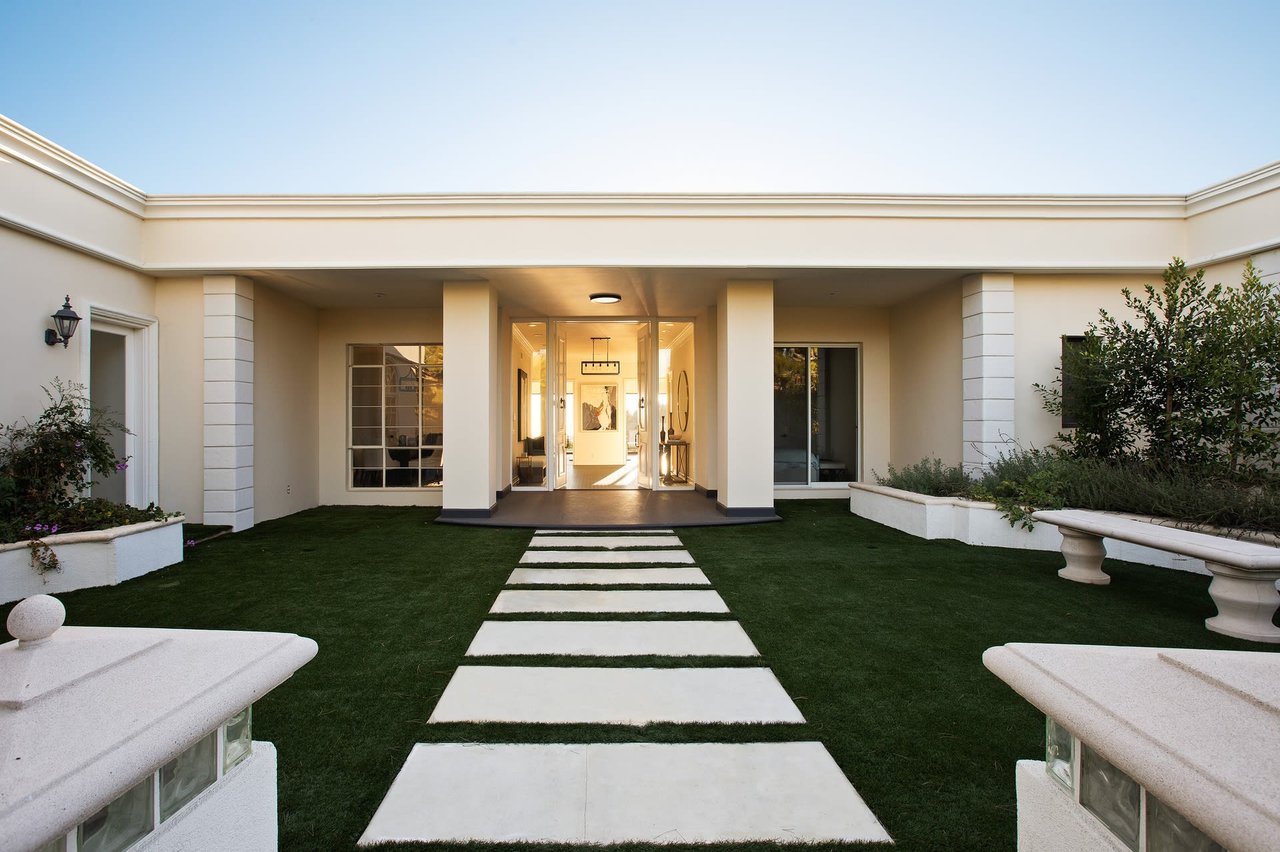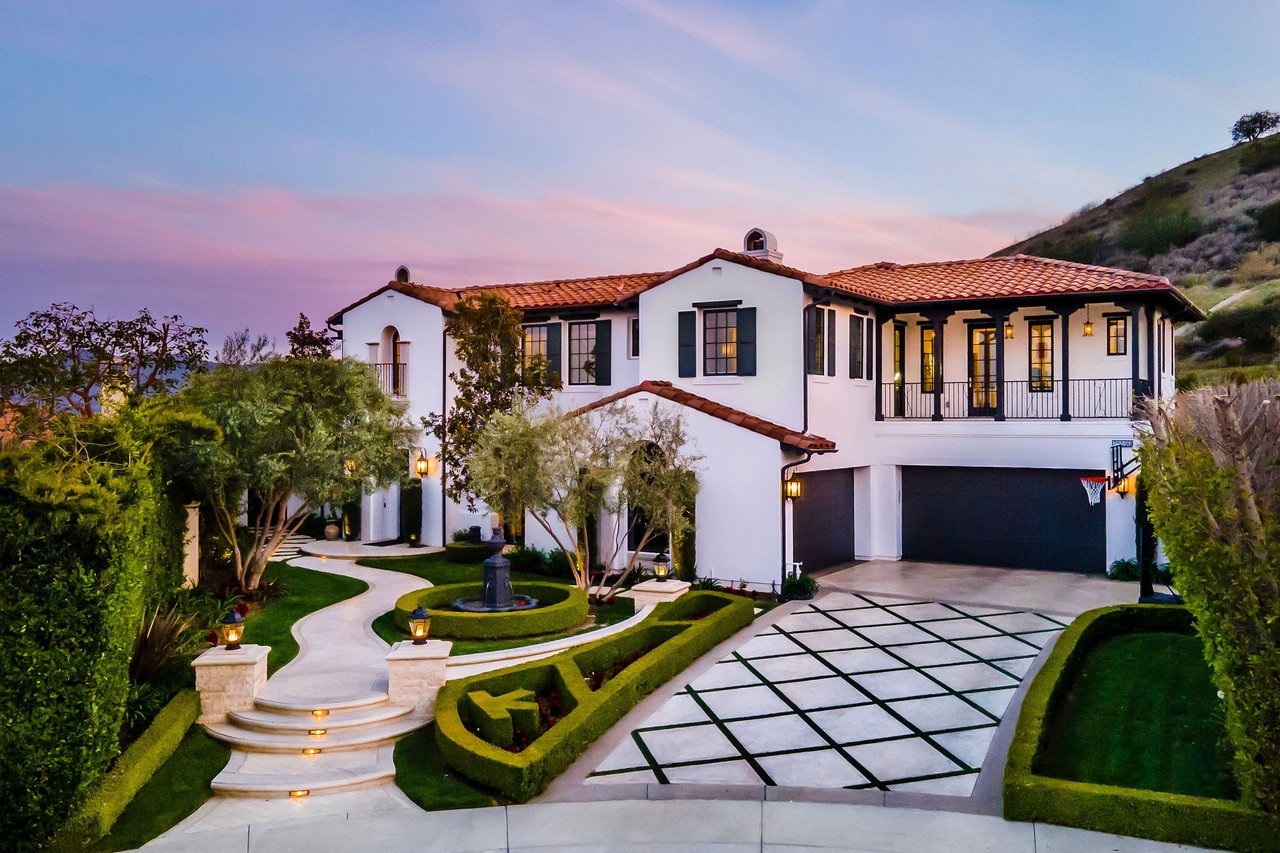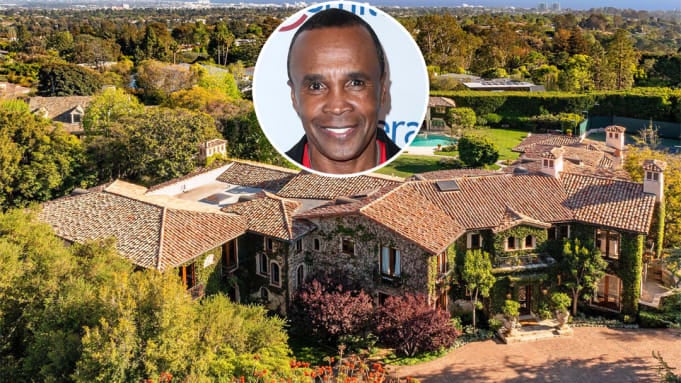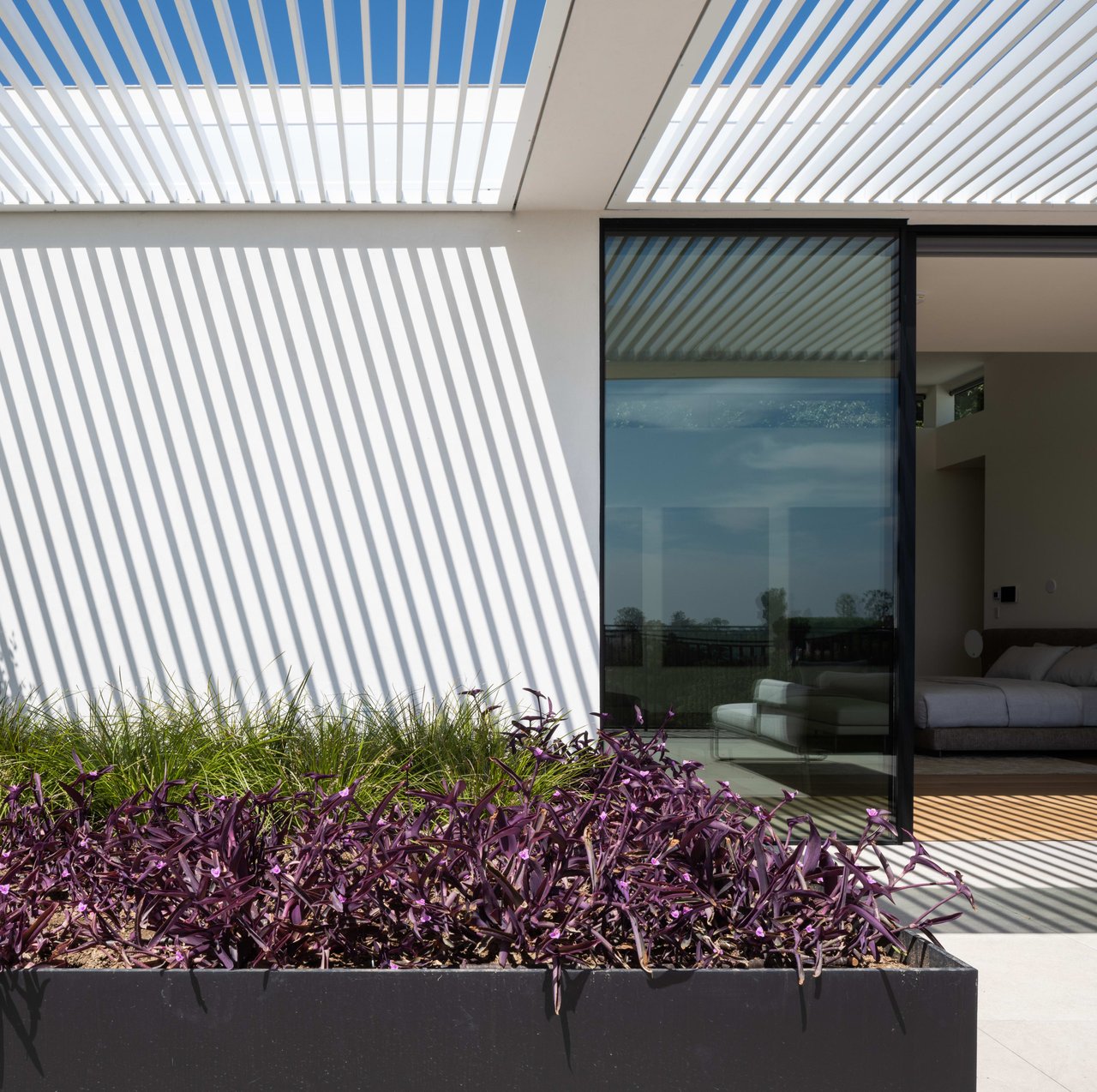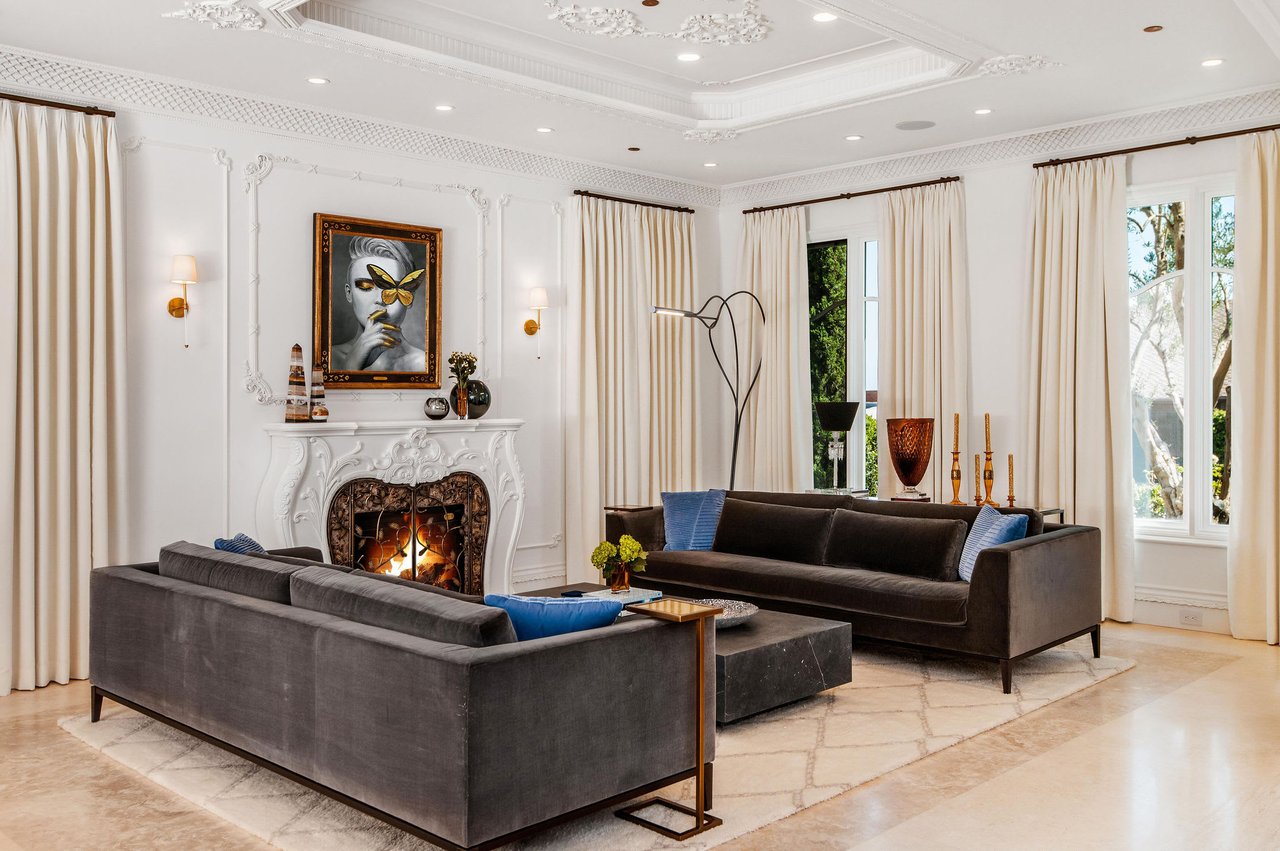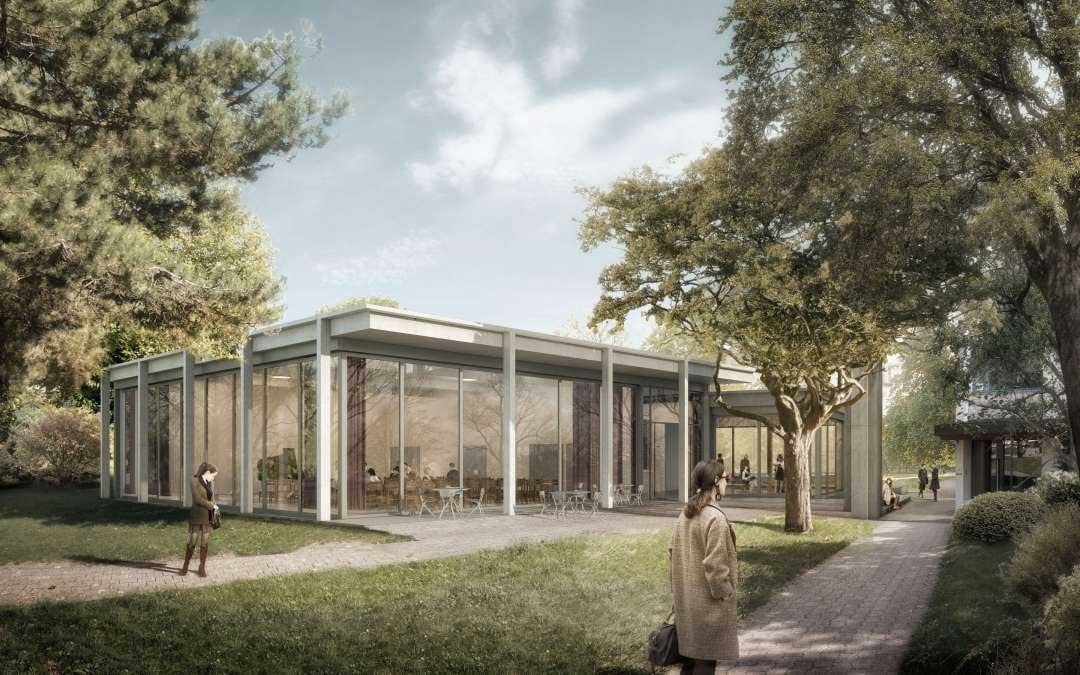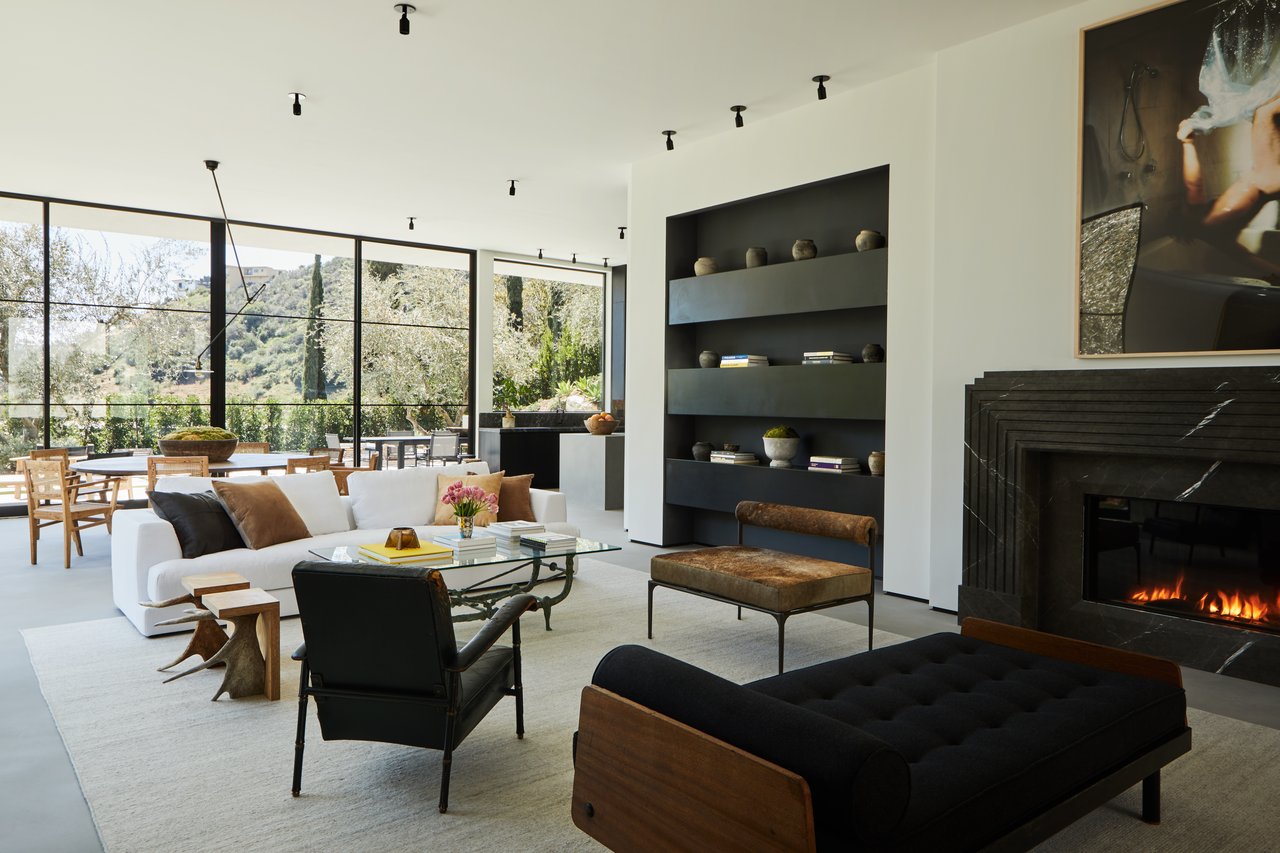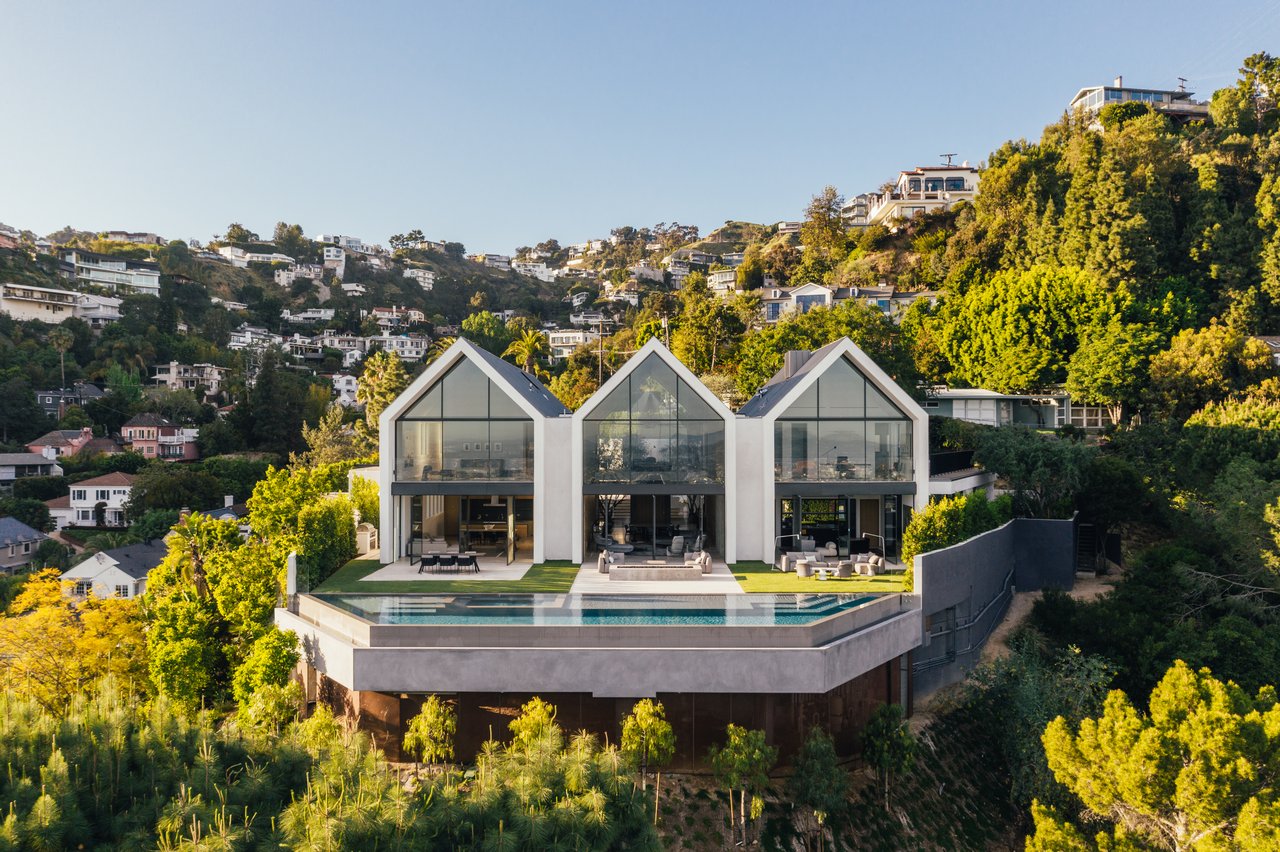
If you are searching for a luxury home in Houston, the first surprise is this: there is no single luxury district. Houston’s high-end market stretches from legacy inner-loop neighborhoods with deep architectural roots to newer west-side communities shaped by larger lots, more recent construction, and tightly managed surroundings. For you, that means the right fit depends as much on setting, land, rules, and access as it does on price. This guide will help you narrow the field and compare Houston’s most important luxury areas with more confidence. Let’s dive in.
Houston Luxury Starts With Geography
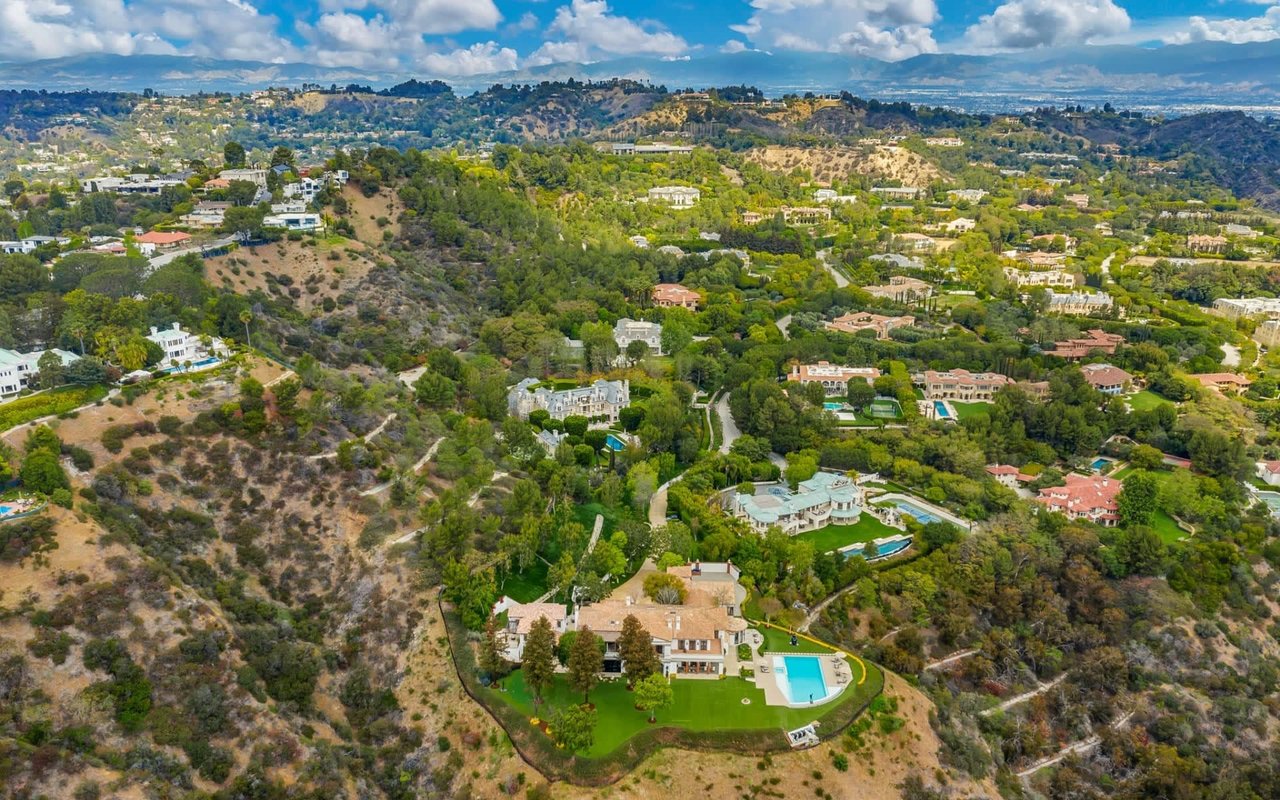
Houston luxury is spread across several distinct pockets rather than one central corridor. Some buyers want a close-in address with historic character and long-standing prestige, while others prefer estate-style living farther west with more privacy and a different regulatory environment.
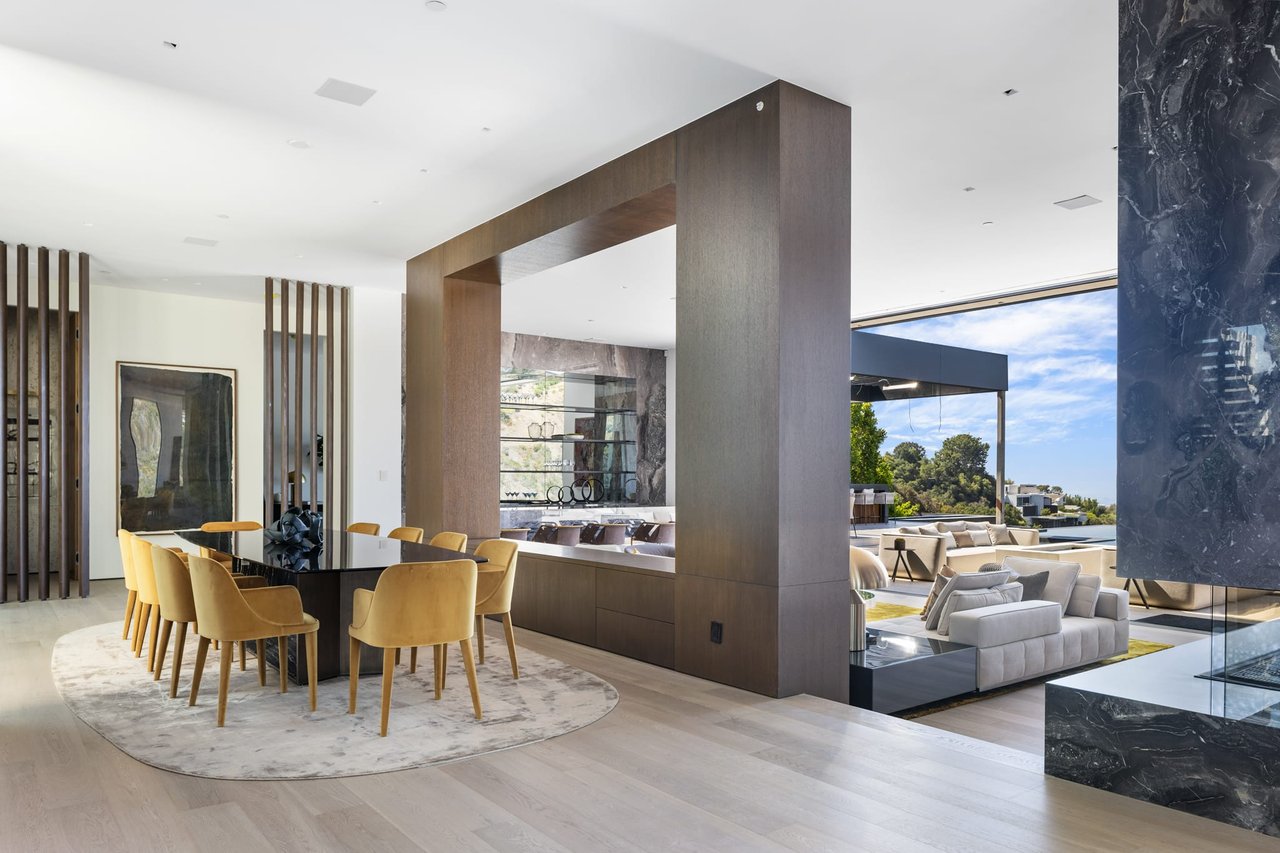
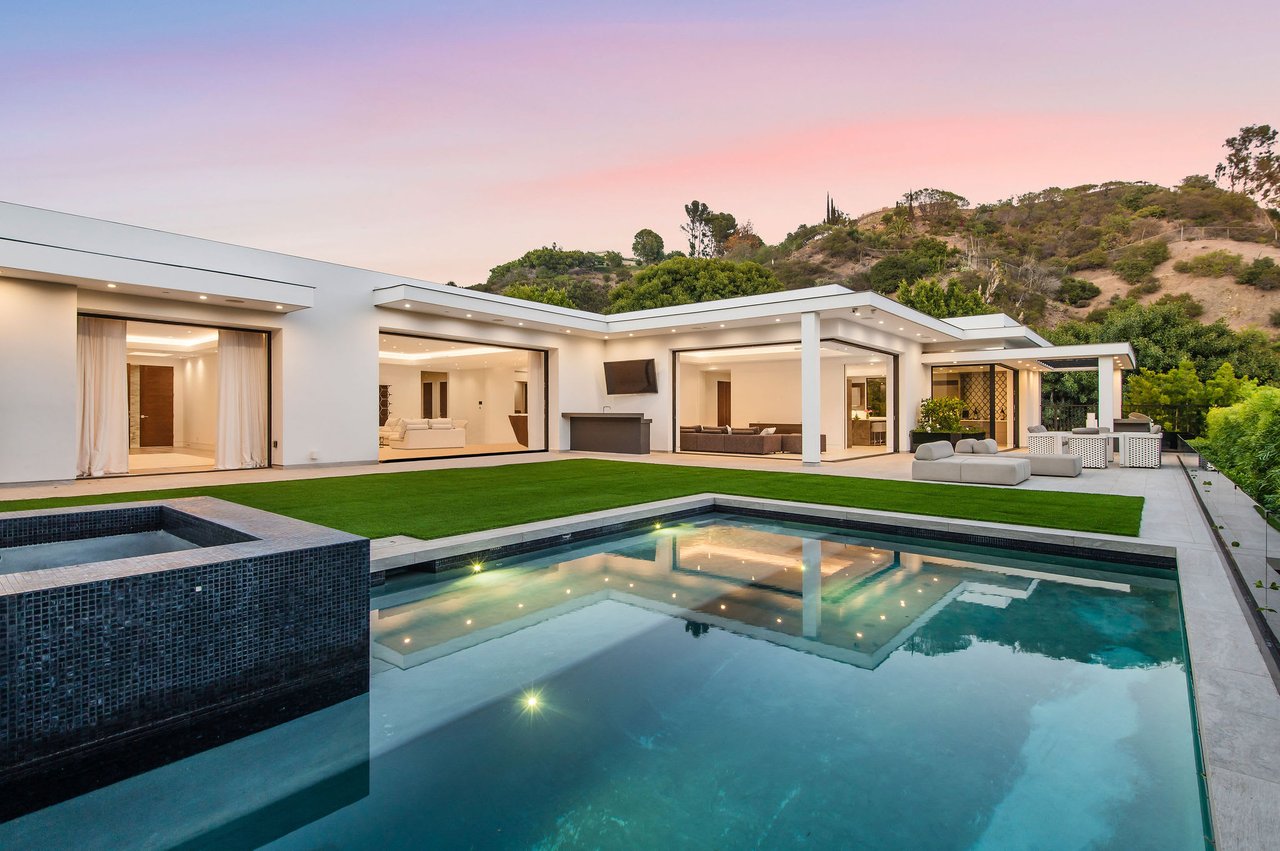
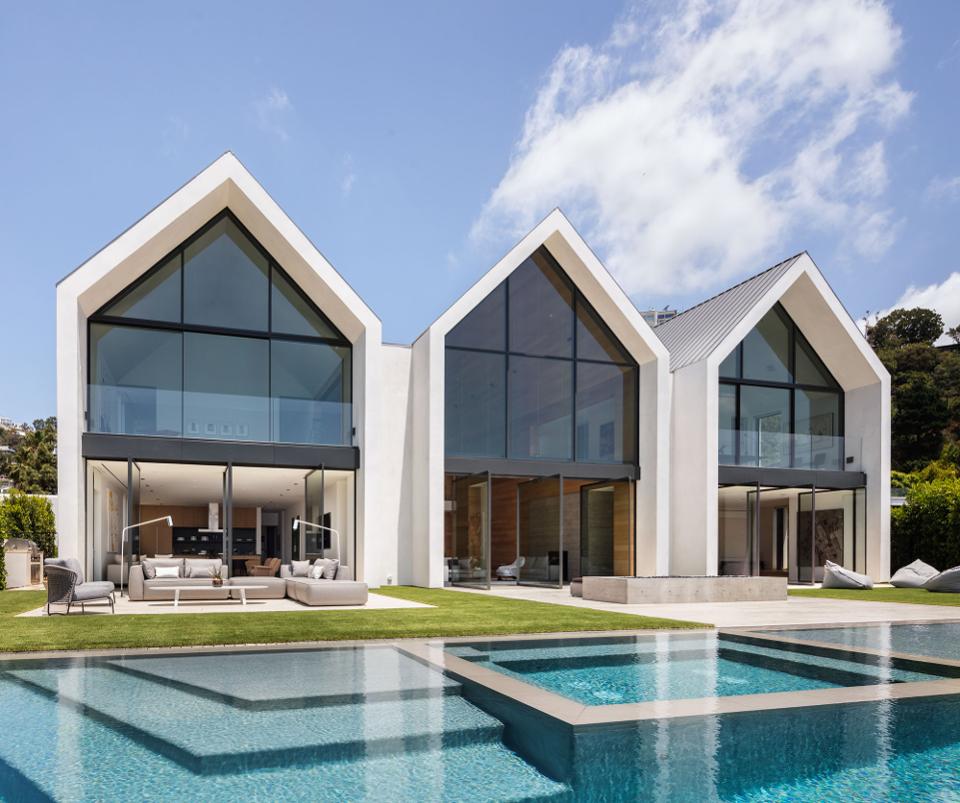
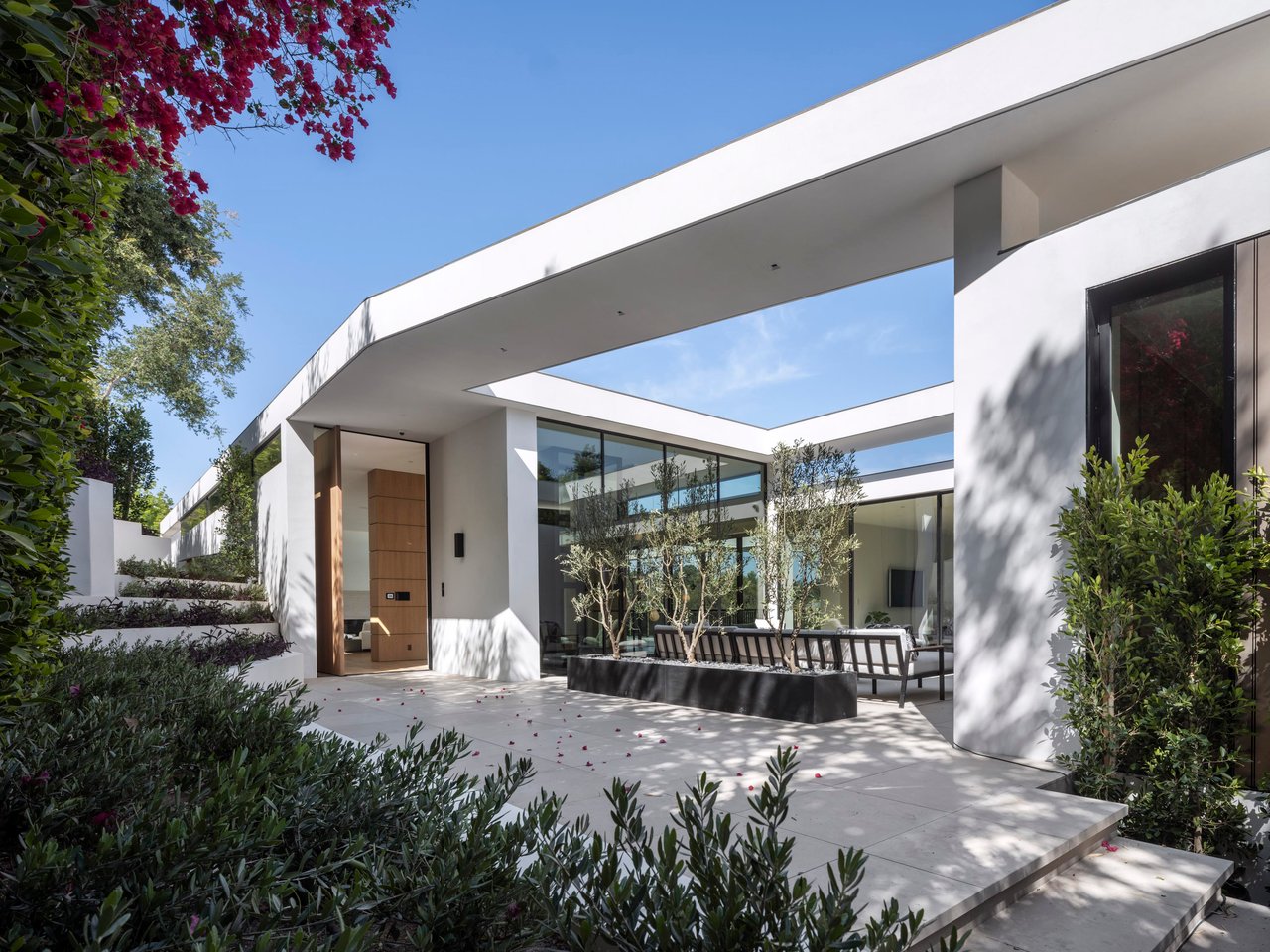
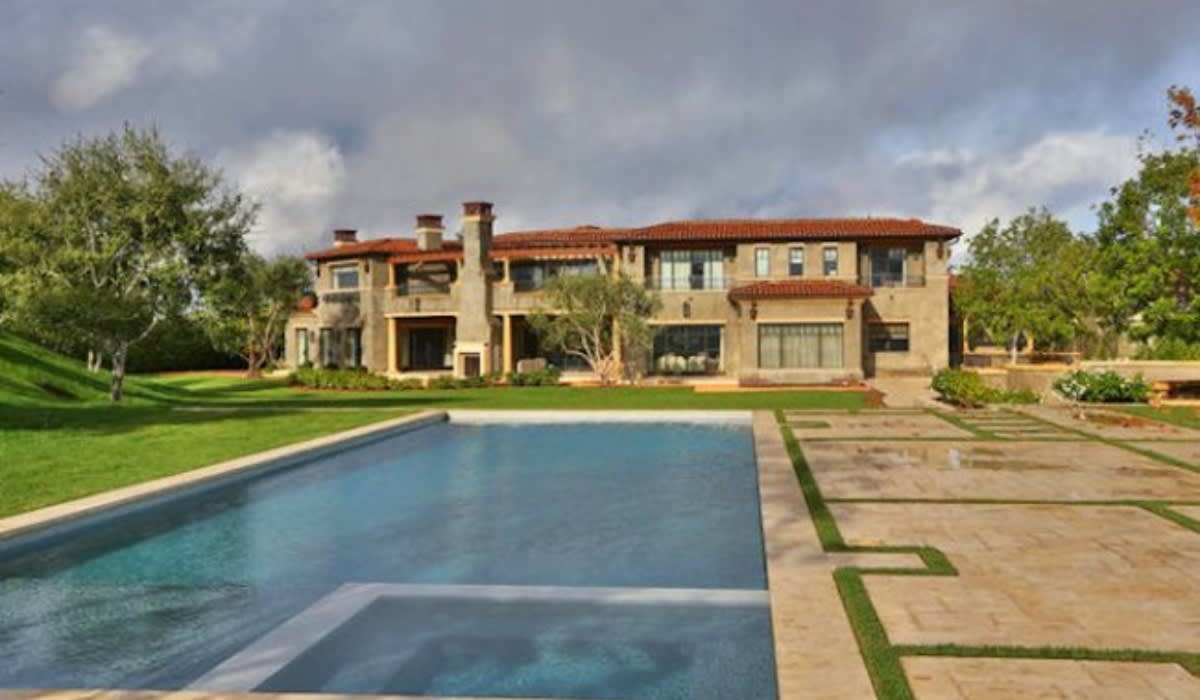
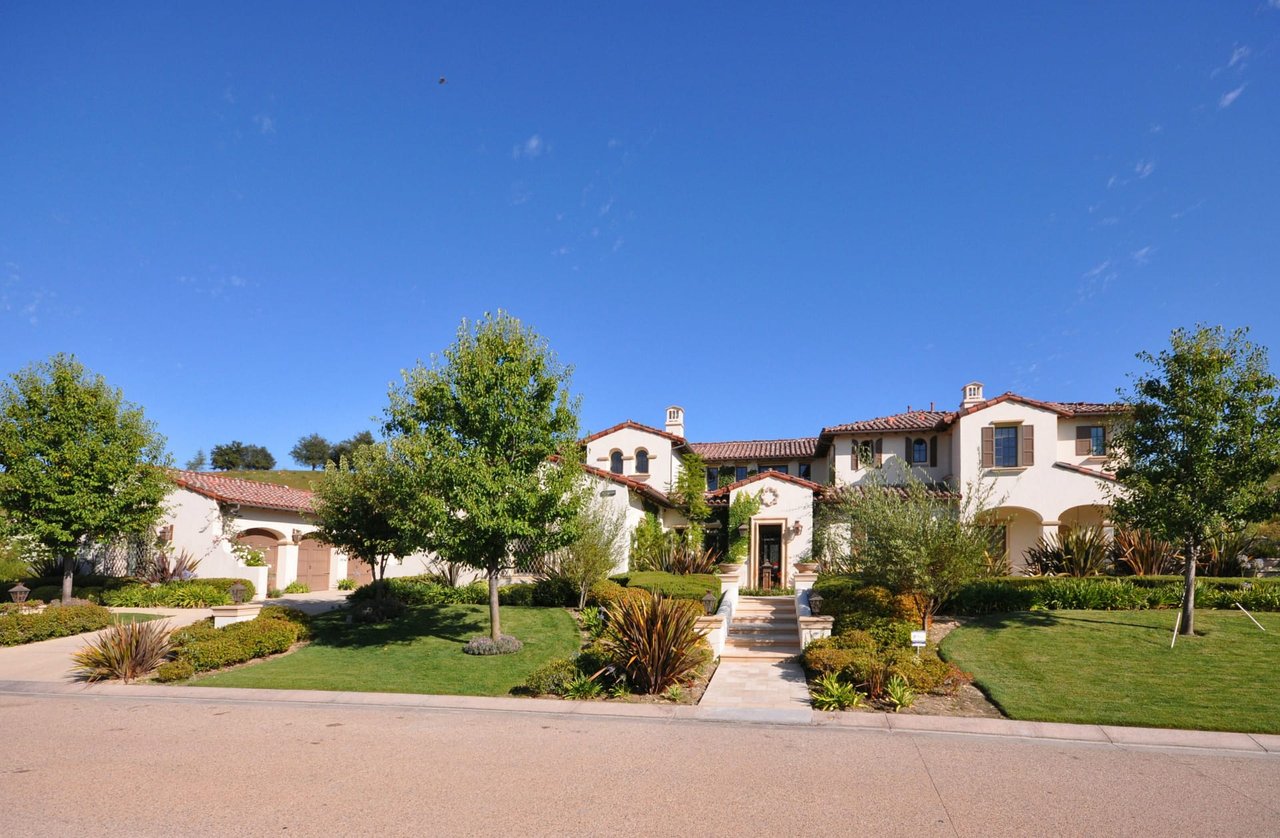
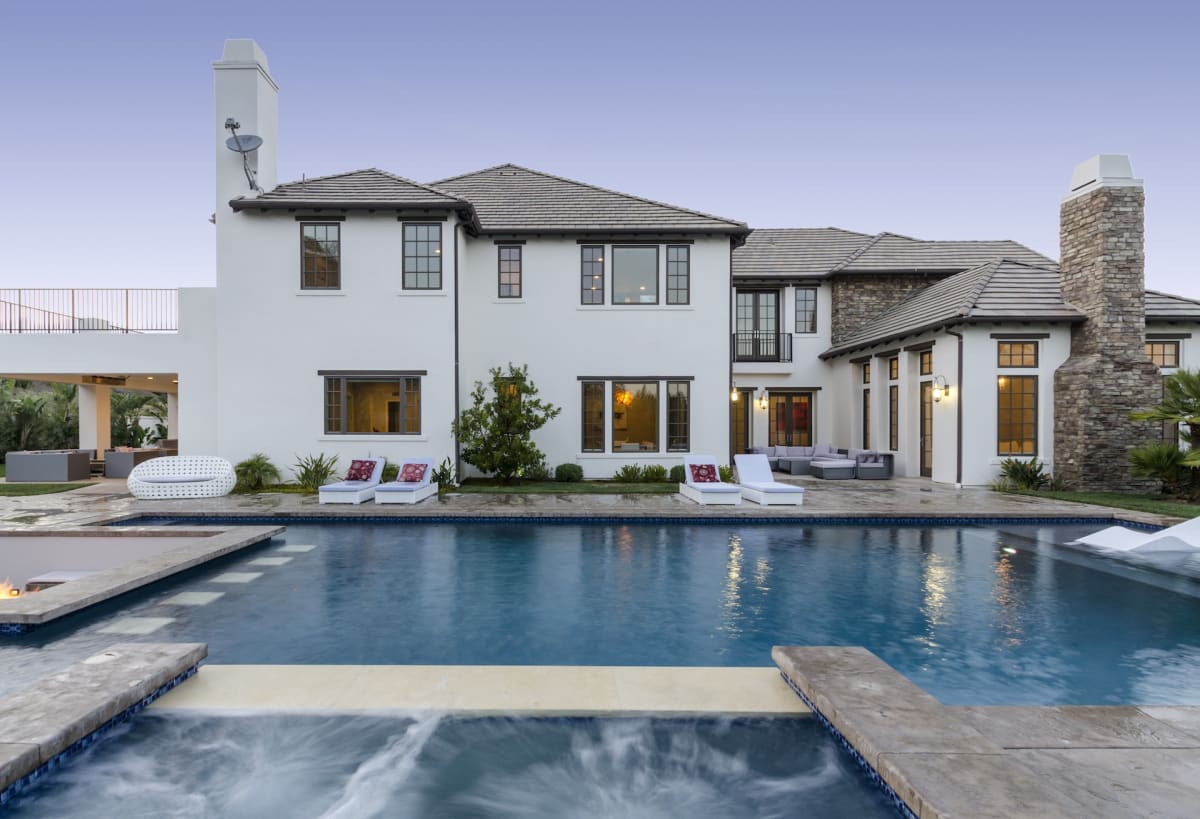
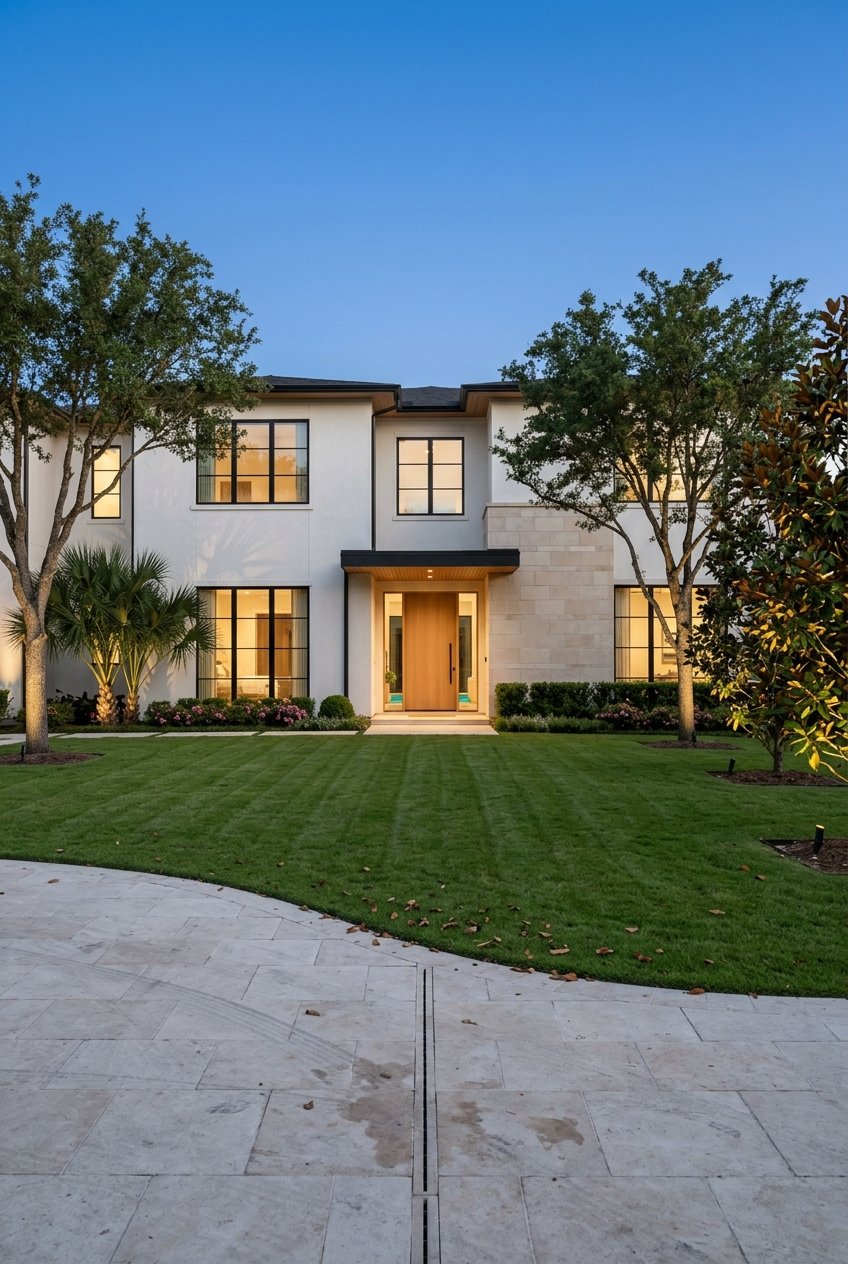
That split matters because Houston luxury homes can look very different from one area to the next. In the $1 million to $2 million range, the median home size is 4,052 square feet, and more than half of Houston luxury listings were built in 2010 or later. At the same time, some of the city’s most sought-after addresses are known for older housing stock, rebuild opportunities, and historic design.
The market also gives you more options than it did during the peak bidding-war period. January 2026 HAR data showed 34,570 active single-family listings and 4.7 months of inventory, while sales above $1 million were up 15.5% year over year. In other words, selection has improved, but luxury demand is still active.
River Oaks And Nearby Inner-Loop Prestige
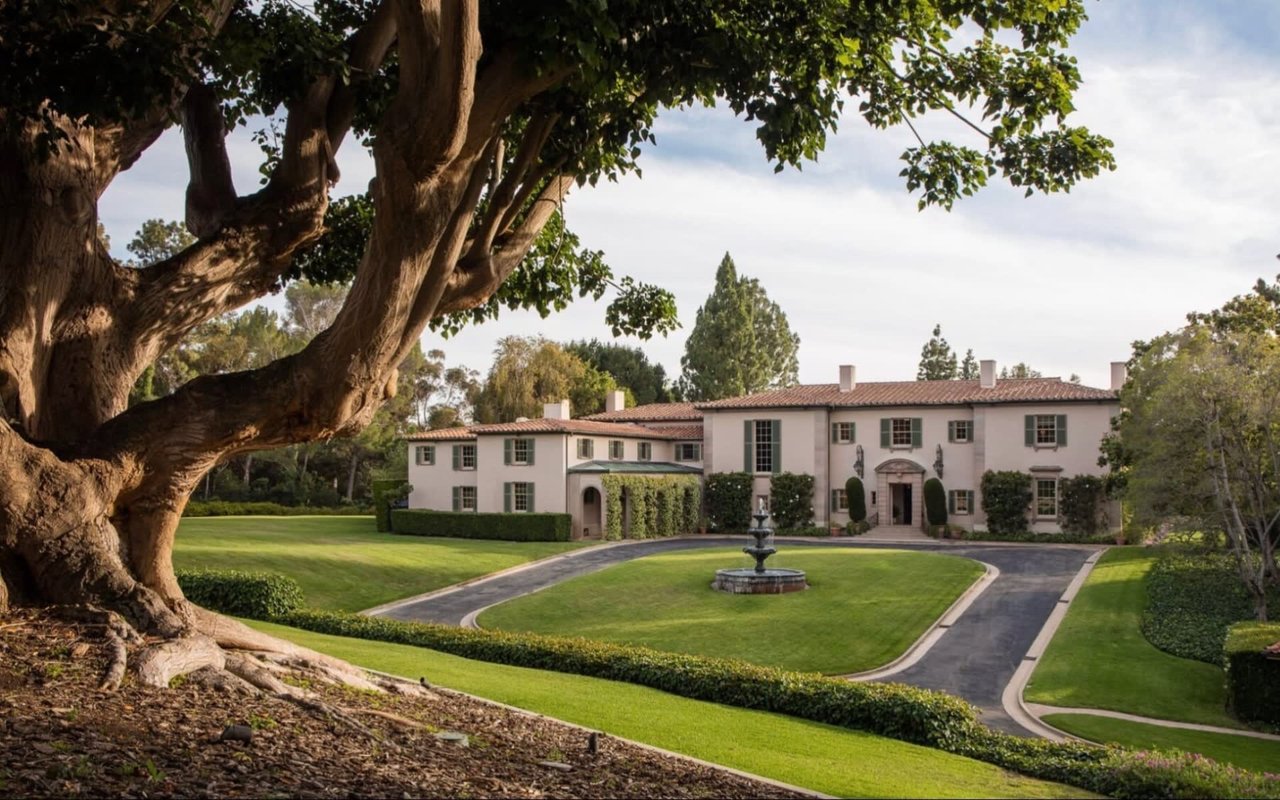
For many buyers, River Oaks remains the classic Houston luxury address. The City of Houston describes it as the city’s first master-planned community, and the broader Afton Oaks and River Oaks area also includes Greenway Plaza and Upper Kirby, along with major retail nodes like Highland Village and River Oaks Shopping Center.
If you want established prestige, central positioning, and a neighborhood that still shapes Houston’s luxury identity, this area belongs on your shortlist. It is also supported by pricing data, with 77019 ranked among Houston’s priciest ZIP codes.
Why Buyers Look Here
River Oaks often appeals to buyers who value pedigree, architectural history, and a well-known close-in address. It is less about one home style and more about a broader sense of permanence, location, and reputation.
Upper Kirby and Afton Oaks can also attract buyers who want a similar central lifestyle with strong access to retail, dining, and key business districts. If your goal is to be near the center of Houston’s established luxury map, this cluster is often where the search begins.
West University Place For Close-In Luxury
West University Place offers a different kind of luxury experience. The city highlights its tree-lined streets, strong park system, and location just minutes from Downtown Houston, the Galleria, and the Texas Medical Center.
This is also one of the city’s most expensive areas by ZIP code. Realtor.com lists 77005 as Houston’s priciest ZIP code, with a median listing price of $1,598,750.
What Makes West U Distinct
Very little vacant land remains in West University Place, which shapes the housing conversation in a big way. If you are looking here, you are often comparing renovated older homes with rebuild opportunities rather than large undeveloped homesites.
That can make West U especially relevant if you care about location first and house age second. It is often a strategic choice for buyers who want a compact, highly established setting close to major Houston employment and cultural hubs.
Boulevard Oaks And The University Place Corridor
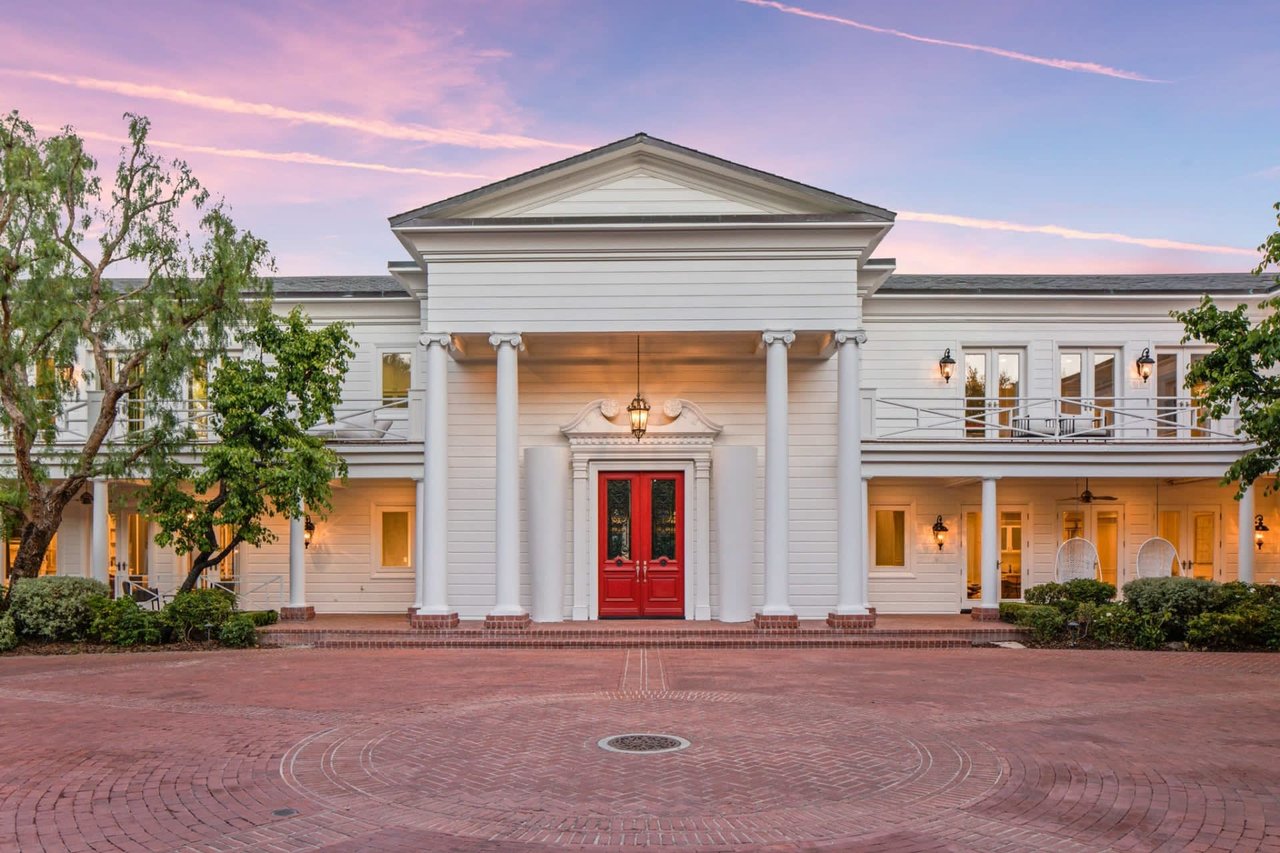
If architectural pedigree is high on your list, Boulevard Oaks and the broader University Place corridor deserve a close look. The City of Houston describes Boulevard Oaks as one of the city’s finest 1920s residential districts, known for oak-lined esplanades and a mix of Revival-style homes.
The area’s design character is unusually specific. City guidelines note that many homes are two or two-and-a-half stories, set back roughly 40 to 50 feet, with detached garages behind the house. The style mix includes Tudor Revival, Colonial Revival, Italian Renaissance, Spanish Eclectic, French Eclectic, and Neoclassical.
Broadacres And Nearby Historic Appeal
Broadacres adds another layer of rarity. The city describes it as one of Houston’s most significant high-end neighborhoods from the 1920s, with just 26 large lots north of Bissonnet near Rice University and the Museum District.
The wider University Place area includes Southampton, Boulevard Oaks, Southgate, and Rice Village, positioned between the Museum District, Hermann Park, the Texas Medical Center, and West University. For you, this corridor may be the best fit if you want mature trees, historic design, and an inner-loop setting with a more established residential feel.
Tanglewood, Briargrove, And Greater Uptown
Greater Uptown offers another major path into Houston luxury. Centered on the Galleria, this district combines a major mixed-use core with expensive postwar subdivisions that have seen heavy redevelopment over time.
The City of Houston specifically notes that Tanglewood and Briargrove are in renewal, with large older homes being replaced by much grander new construction. That gives this area a different feel from River Oaks or Boulevard Oaks.
A Strong Option For Larger Newer Homes
If you want a newer, larger inner-loop home, Greater Uptown often deserves serious attention. You may find less historic uniformity here, but more recent construction and more size than in some legacy neighborhoods.
This area can work well if you want strong access to the Galleria and a luxury home that feels more current in scale and finish. For buyers balancing centrality with larger house profiles, it often hits a useful middle ground.
Memorial And The Memorial Villages
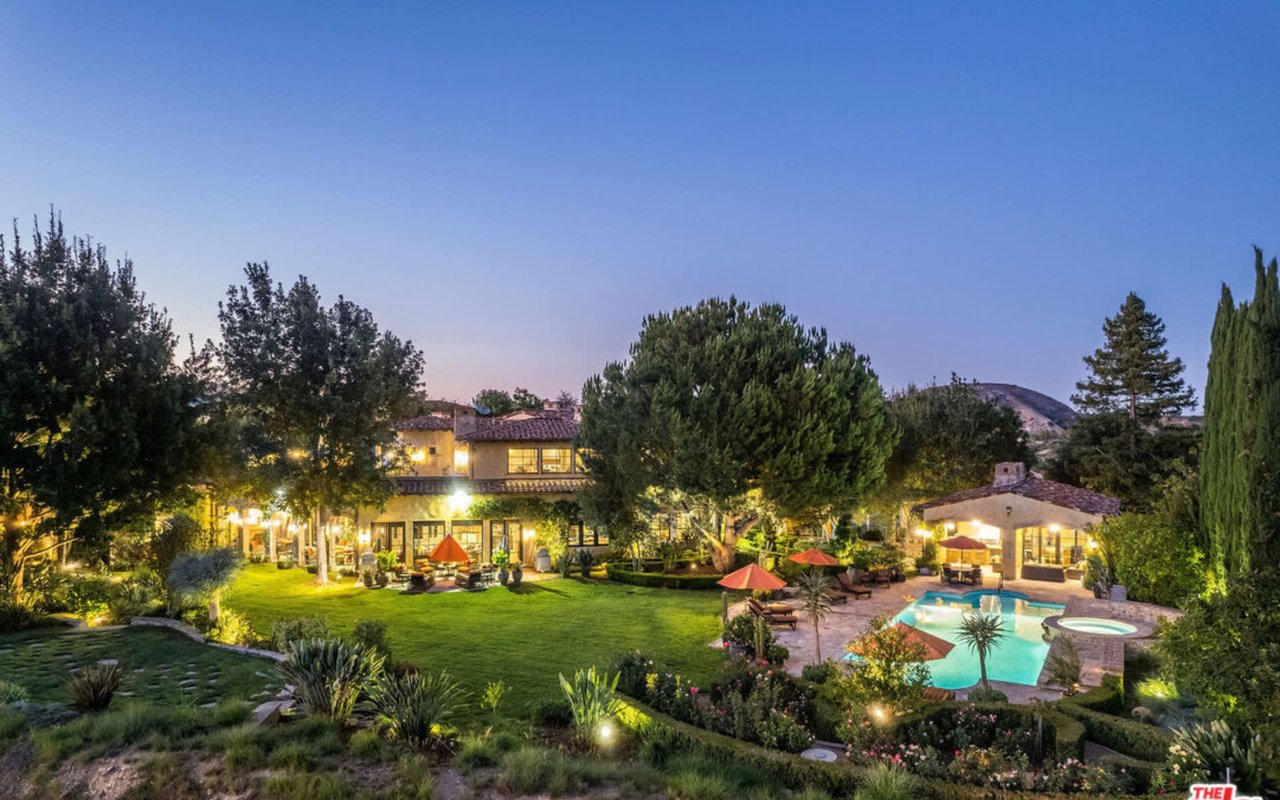
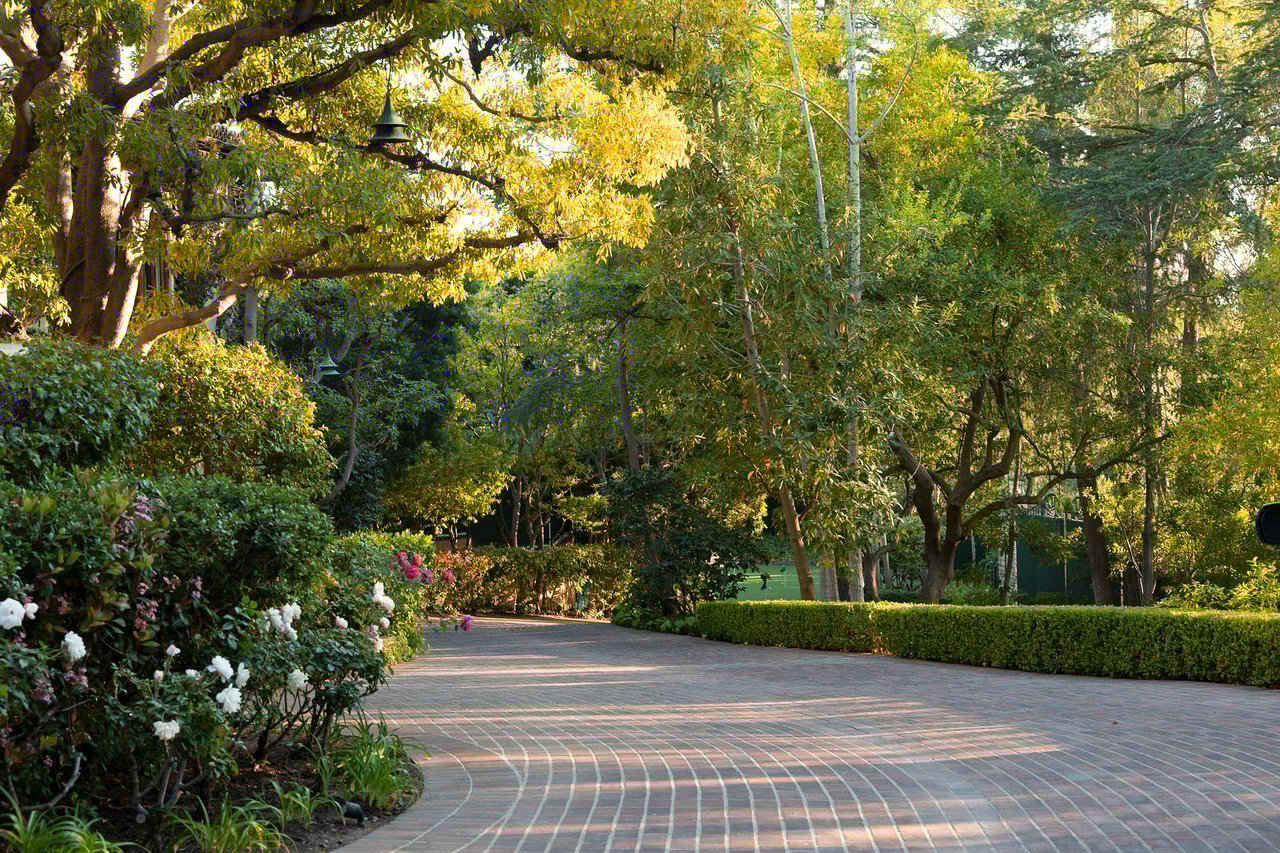
West Houston opens up a different luxury lifestyle. The City of Houston describes Memorial as one of the city’s most prestigious neighborhoods, located between Buffalo Bayou and I-10, with a heavily wooded setting and housing that ranges from comfortable homes to million-dollar estates.
Memorial also offers practical access to the Energy Corridor, CityCentre, and Memorial City. If your daily routine depends on west-side business access, that geographic advantage can be a major factor.
Why The Villages Feel Different
The Memorial Villages operate differently from Houston proper. Piney Point Village notes zoning policies meant to preserve neighborhood character, tree canopy, and low-density development, while Bunker Hill Village also emphasizes zoning and a wooded residential environment.
Hunters Creek Village reports roughly 1,460 homes across about 2 square miles and 6.33 miles of hiking and biking paths. Hedwig Village highlights 24/7 police and fire protection, Hilshire Village points to wooded terrain and creek corridors, and Spring Valley Village notes that very little vacant land remains, so new construction often comes through rebuilding or remodeling.
For you, the key takeaway is that the Memorial Villages are best understood as wooded estate pockets with stronger local control, more privacy, and less available land than much of Houston proper. If privacy, trees, and a more regulated environment matter, this area may rise to the top of your list.
Royal Oaks For Golf-Centered Luxury
If you prefer a more managed and uniform luxury setting, Royal Oaks Country Club offers a different model. The club says its Fred Couples signature golf course opened in 2000 and plays 7,007 yards at par 72, alongside racquets, wellness, pools, and dining.
The surrounding residential standards help define the feel of the community. Golf-course lots are subject to tree-count rules tied to lot width, along with screened pools and equipment and minimal street lighting.
Best For A Curated Community Feel
Royal Oaks can appeal to buyers who want a more curated environment than many older Houston neighborhoods provide. Compared with the inner loop, it often feels more uniform and more tightly managed.
That does not make it better or worse. It simply serves a different buyer. If your ideal luxury purchase includes golf-centered amenities and a more consistent neighborhood presentation, Royal Oaks may be worth exploring.
Houston ZIP Codes To Know
While neighborhood identity matters most, a few ZIP codes help frame where luxury pricing concentrates. Houston’s priciest ZIP codes include 77005, 77401, 77019, 77098, and 77027.
That concentration reinforces an important point for your search. In Houston, luxury is tied closely to location, neighborhood history, and land value, not just square footage or finishes.
What To Compare Beyond Price
In Houston luxury real estate, two homes with similar pricing can offer very different long-term value depending on the rules, lot, and setting. Houston proper does not use zoning, so deed restrictions and historic-district rules can matter just as much as the house itself. In the Memorial Villages, by contrast, local zoning and village services play a larger role.
As you compare areas, keep your focus on the details that shape both daily life and future flexibility.
Questions Worth Asking
- Is the home original, renovated, or a tear-down and rebuild candidate?
- What are the lot width, setback, tree, and pool-screening rules?
- Is the property in a historic district, a deed-restricted subdivision, or an incorporated village with zoning?
- How close is it to Downtown, the Galleria, the Texas Medical Center, or the Energy Corridor?
- What flood, drainage, bayou, or creek considerations should be reviewed?
- What security model applies, such as city police, private patrol, or village police and fire services?
Which Houston Luxury Area Fits You Best
If you want classic prestige and long-standing recognition, start with River Oaks and the nearby inner-loop districts. If location near major employment and cultural centers matters most, West University Place and the University Place corridor may be especially compelling.
If you prefer larger newer homes closer in, Tanglewood, Briargrove, and Greater Uptown are often strong candidates. If privacy, tree canopy, and stronger municipal control matter more, Memorial and the Villages may offer a better fit. And if your preference is a golf-centered, tightly curated community, Royal Oaks stands apart.
Houston luxury is not one market. It is a collection of very different submarkets, each with its own logic, housing stock, and long-term appeal. The key is matching the neighborhood to the way you want to live, invest, and hold the asset over time.
If you are evaluating Houston’s luxury neighborhoods and want a more tailored strategy around location, architecture, land value, or future upside, The Fridman Group offers discreet guidance shaped for high-value residential decisions.
FAQs
Where are the most expensive luxury neighborhoods in Houston?
- Houston’s luxury market is concentrated in areas such as River Oaks, West University Place, Boulevard Oaks, Broadacres, Tanglewood, Briargrove, Memorial, the Memorial Villages, and Royal Oaks, with high-priced ZIP codes including 77005, 77401, 77019, 77098, and 77027.
What makes River Oaks a top Houston luxury area?
- River Oaks is widely recognized for its central location, long-standing prestige, master-planned origins, and importance in Houston’s high-end housing history.
Is West University Place a good area for luxury homes in Houston?
- West University Place is a prominent close-in luxury option with very little vacant land, so buyers often compare renovated homes and rebuild opportunities in a highly established setting.
How are the Memorial Villages different from Houston neighborhoods?
- The Memorial Villages use local zoning and have their own municipal structure, which creates a different regulatory environment from Houston proper, where deed restrictions often play a larger role.
What should buyers compare when choosing a Houston luxury neighborhood?
- You should compare location, lot size, setbacks, rebuild potential, historic-district or deed-restriction rules, flood and drainage considerations, and the type of local security or municipal services in place.