If you want Austin luxury with both scenery and substance, the west side stands apart. Here, rolling Hill Country terrain, protected views, and waterfront access create a lifestyle that feels removed from the city without losing connection to it. Whether you are comparing a hillside estate in West Lake Hills or a lakefront property near Lake Travis, understanding how these settings actually live is what turns a beautiful home into a smart decision. Let’s dive in.
Why West Austin Luxury Feels Distinct
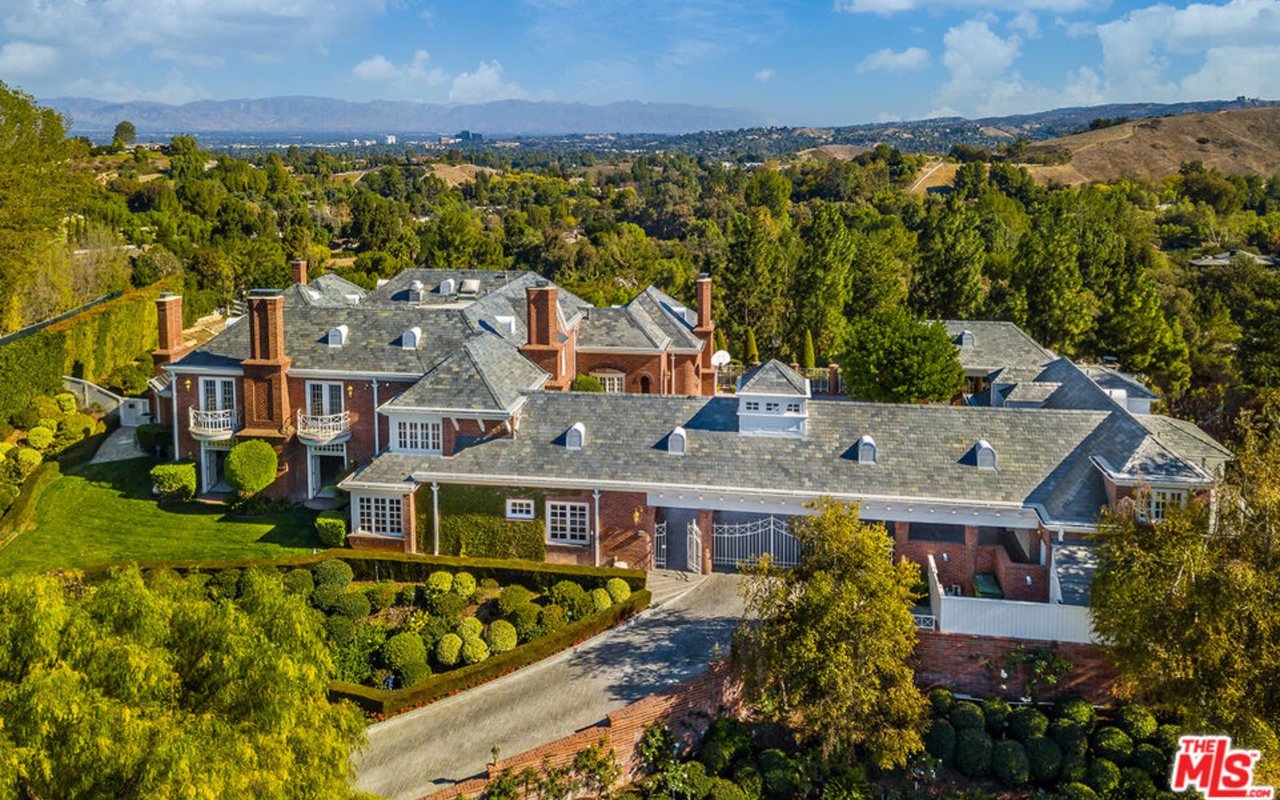
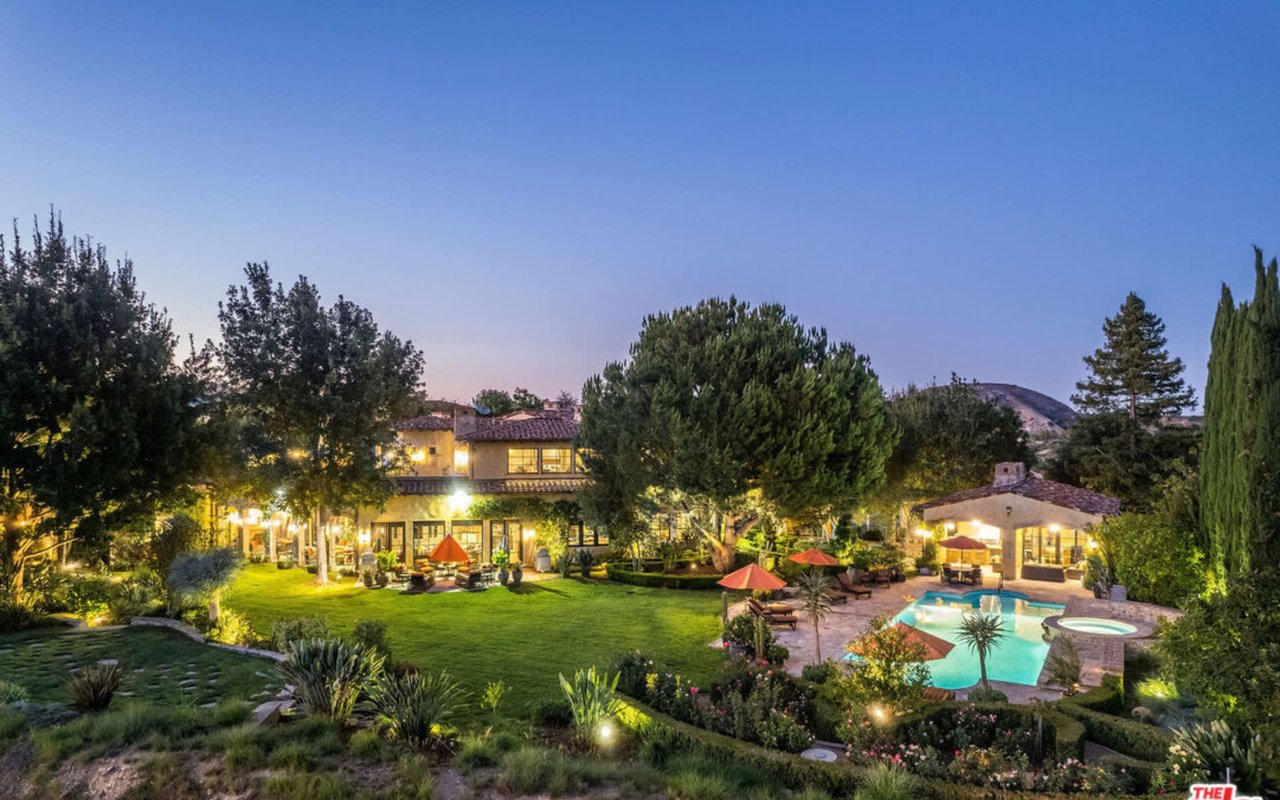
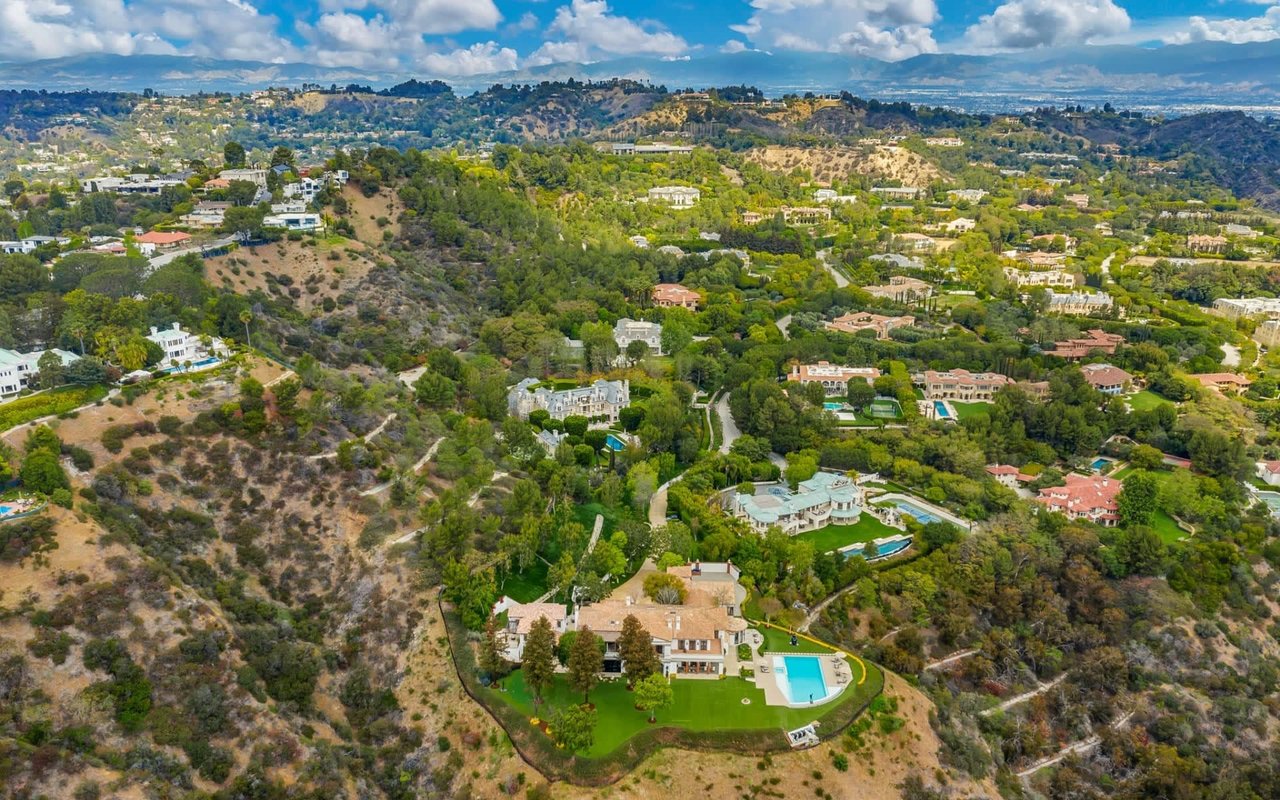
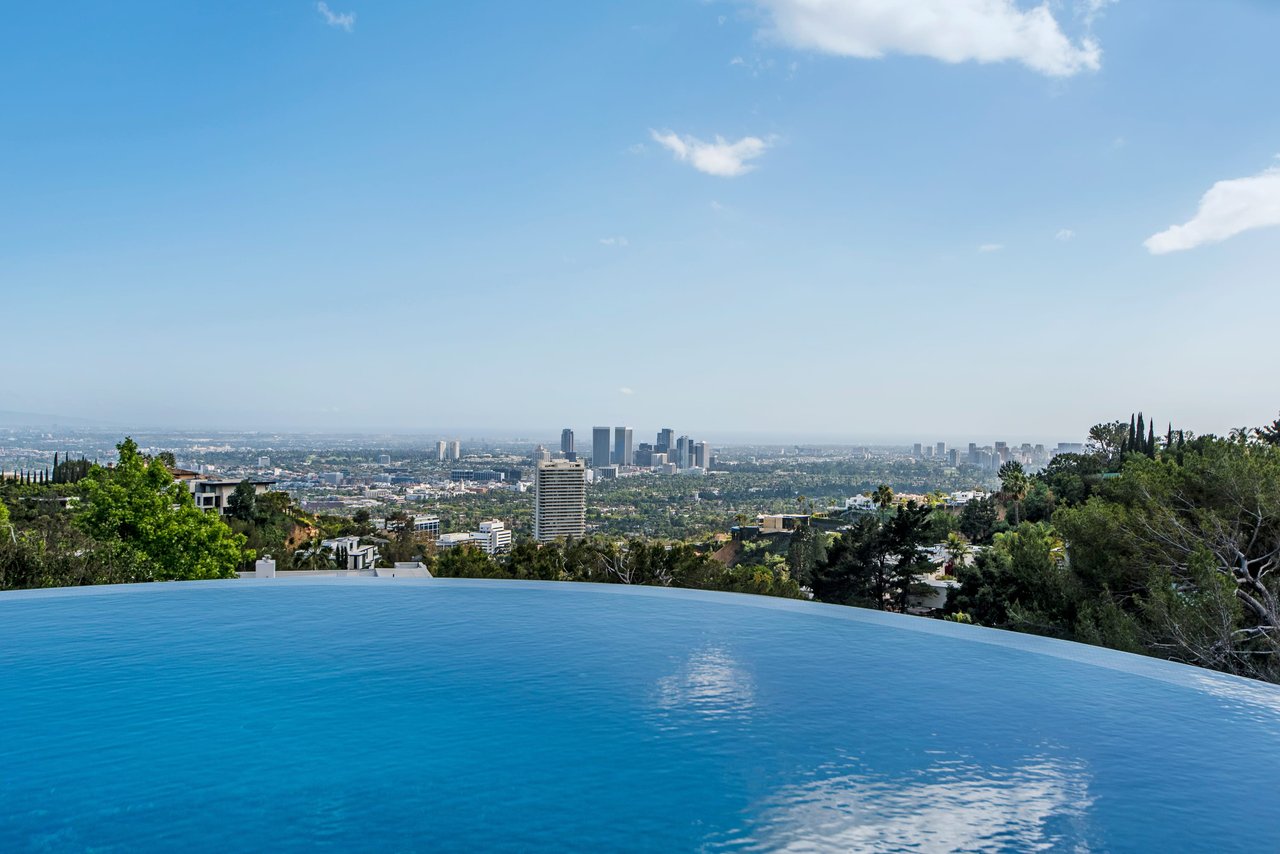
Austin’s west-side luxury market is shaped by the Texas Hill Country landscape. The Edwards Plateau terrain brings hills, canyons, springs, and limestone features that directly affect views, privacy, and where homes can be built.
That landscape is a major reason west Austin feels so different from flatter parts of the metro. In places like Rollingwood and West Lake Hills, homes have long been designed to work with rocky hillsides rather than fight them, creating a built environment that feels tied to the land.
There is also a practical advantage. Travis County’s historical survey places Rollingwood and West Lake Hills about six miles west of downtown, and notes that Austin’s westward growth follows major routes such as US 290, SH 71, Loop 1/MoPac, and Bee Cave Road.
For you, that often means a rare balance. You can have a retreat-like setting with strong access to central Austin, which is one of the defining draws of luxury living in this part of the market.
Hill Country Enclaves Close to Downtown
West Lake Hills and Rollingwood
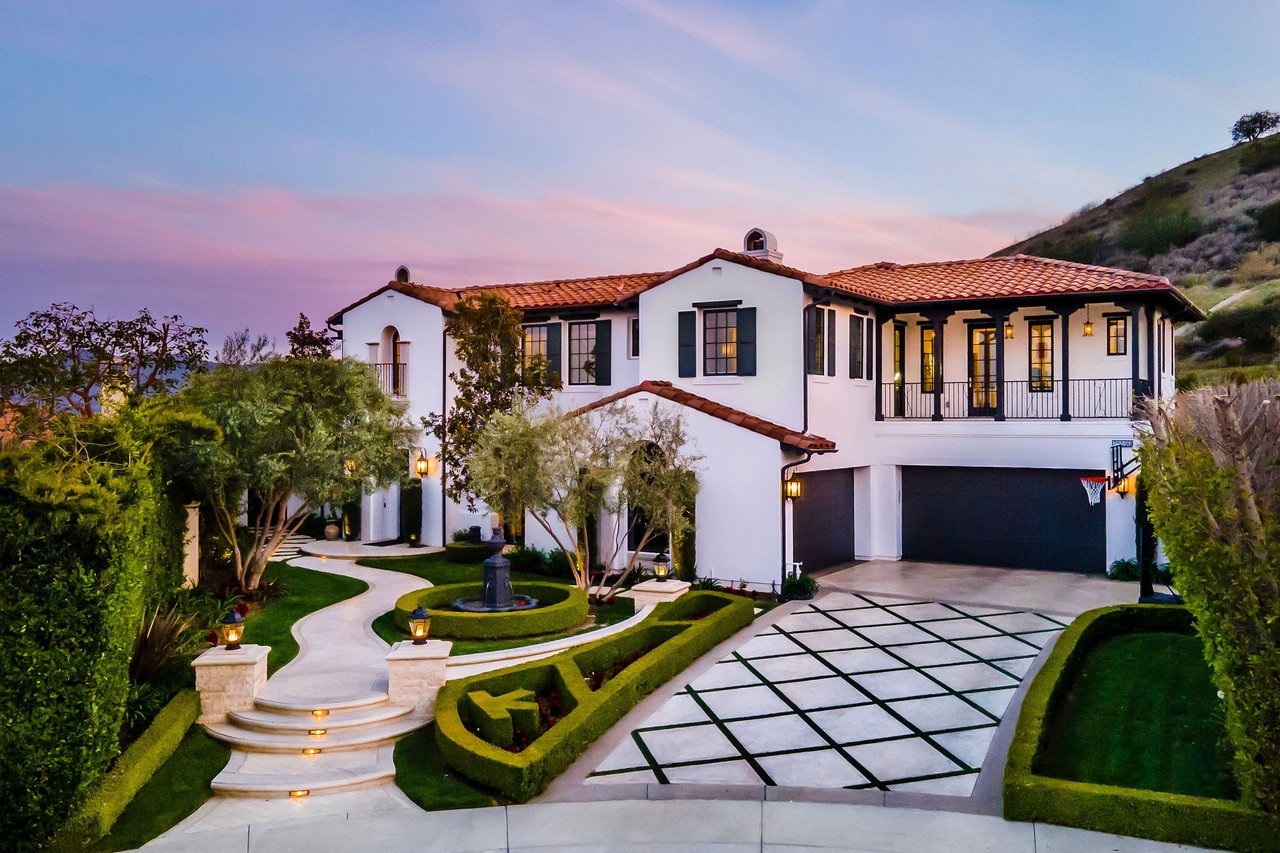
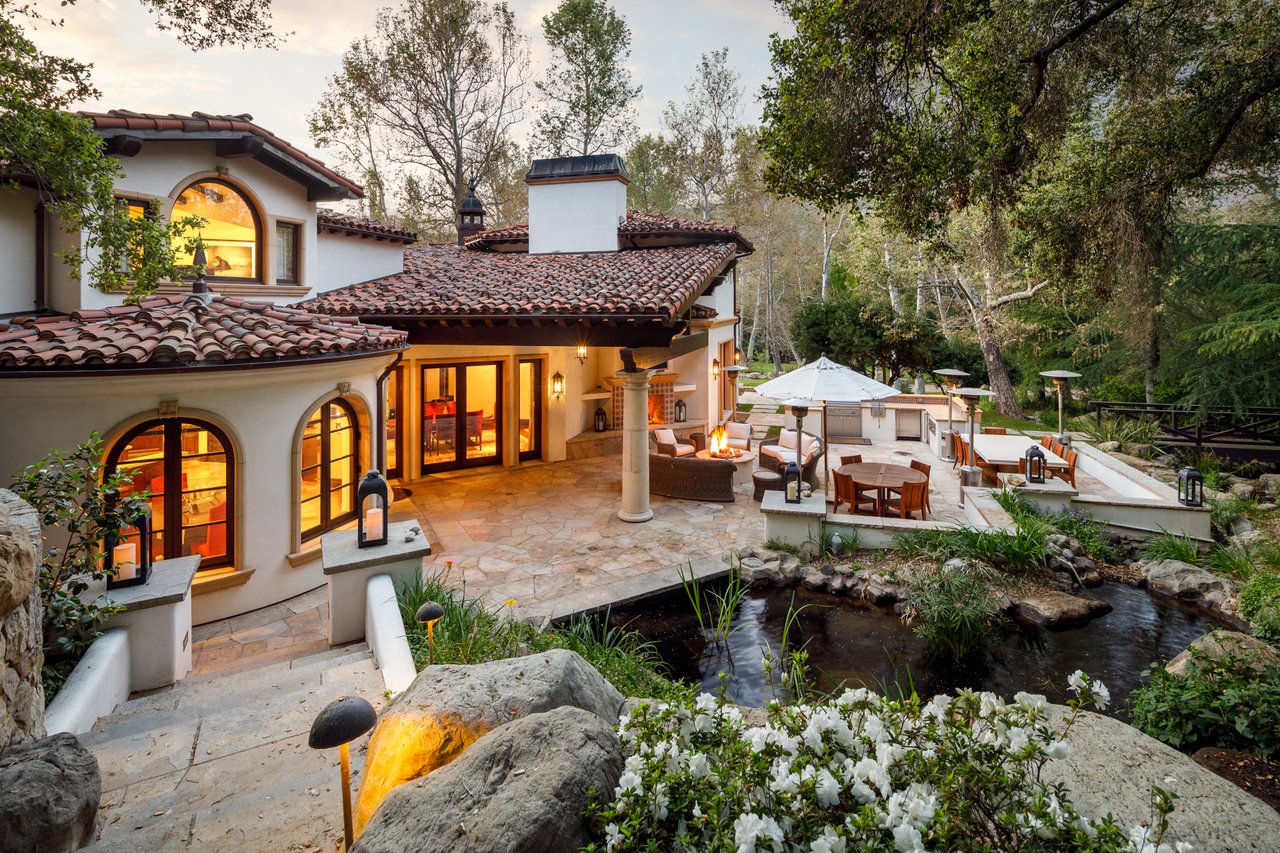
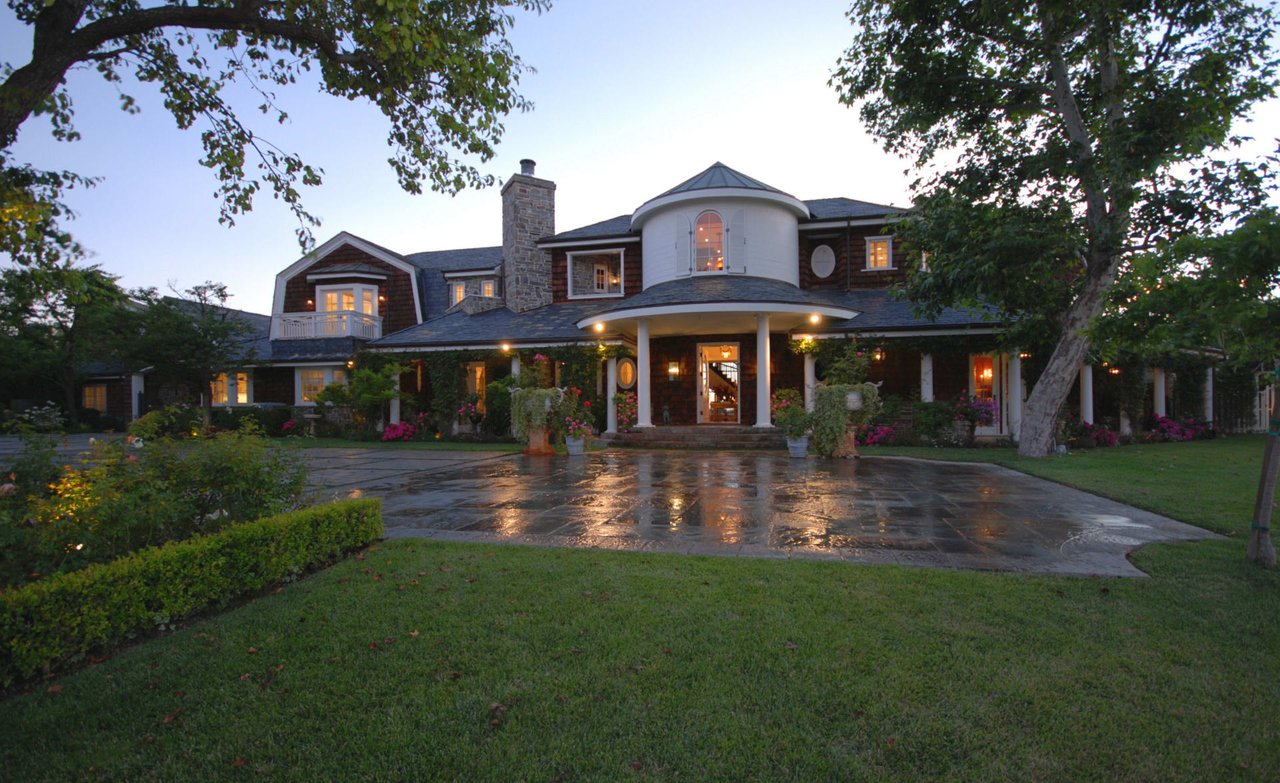
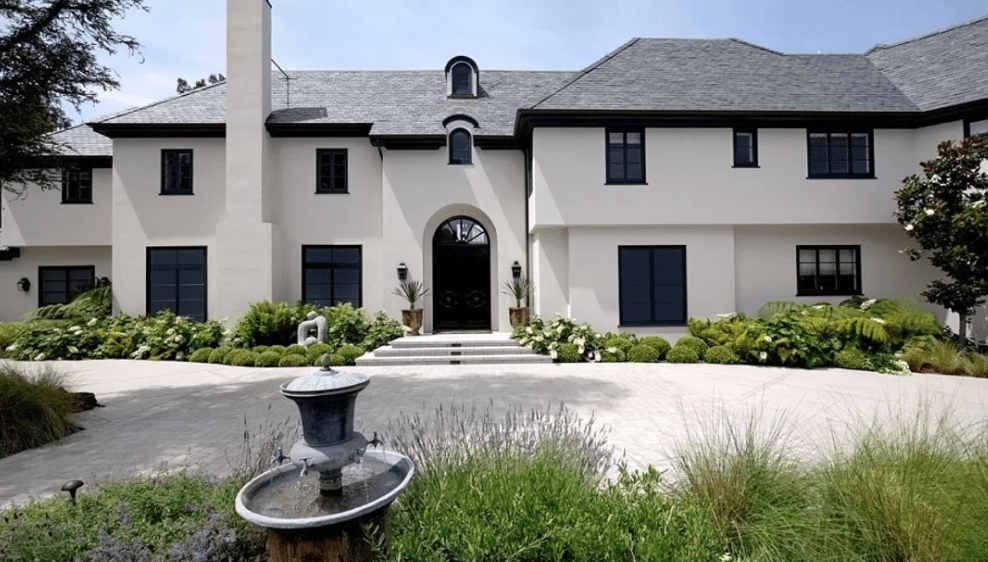
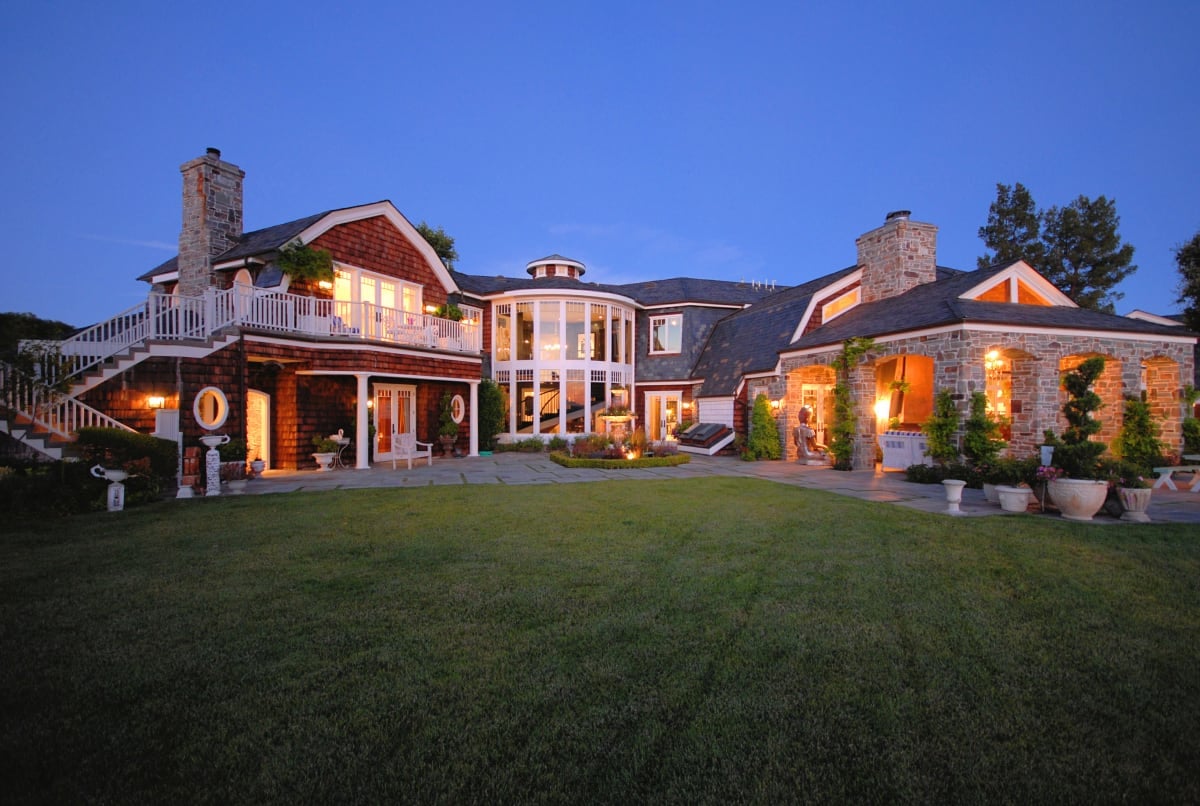
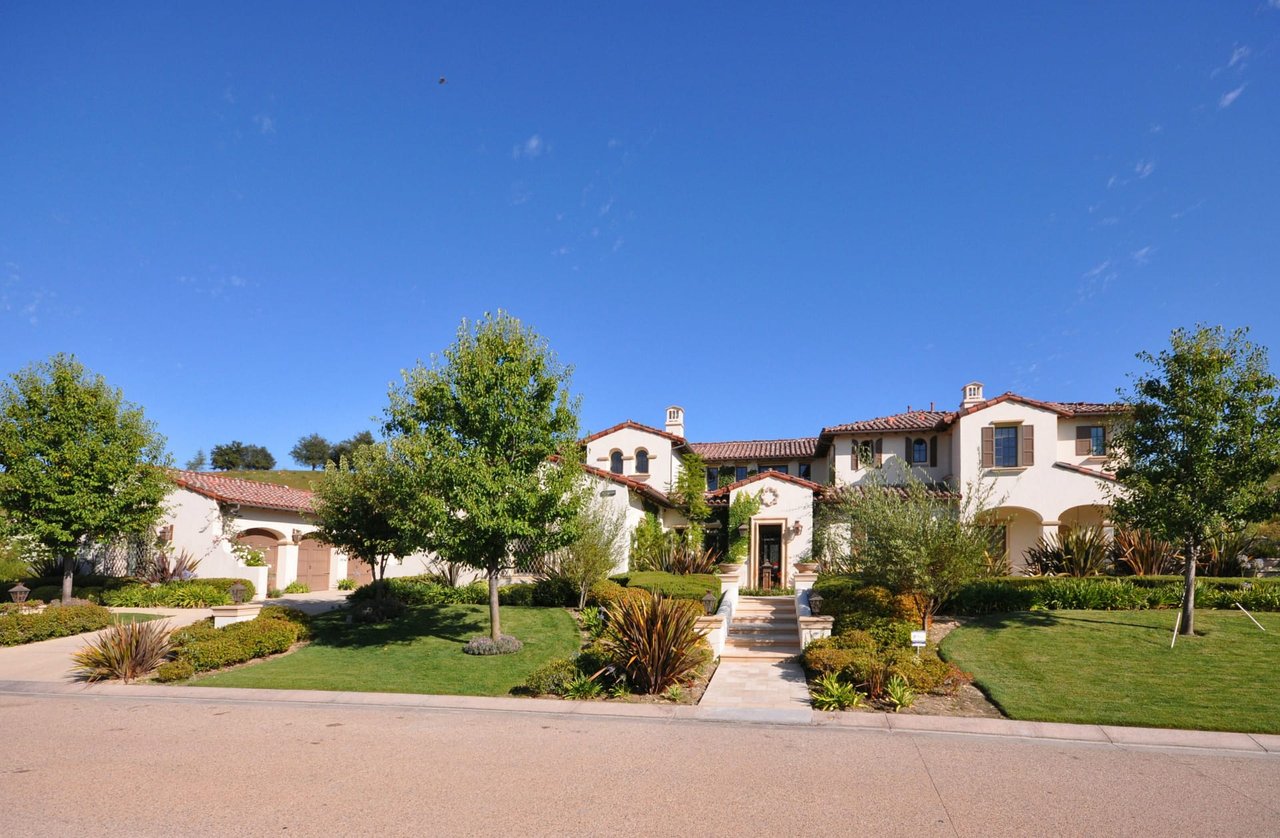
West Lake Hills and Rollingwood remain two of the most established close-in luxury enclaves in the Austin area. These communities are closely associated with hillside homes, mature landscapes, and an architectural style that values privacy, views, and a strong relationship to topography.
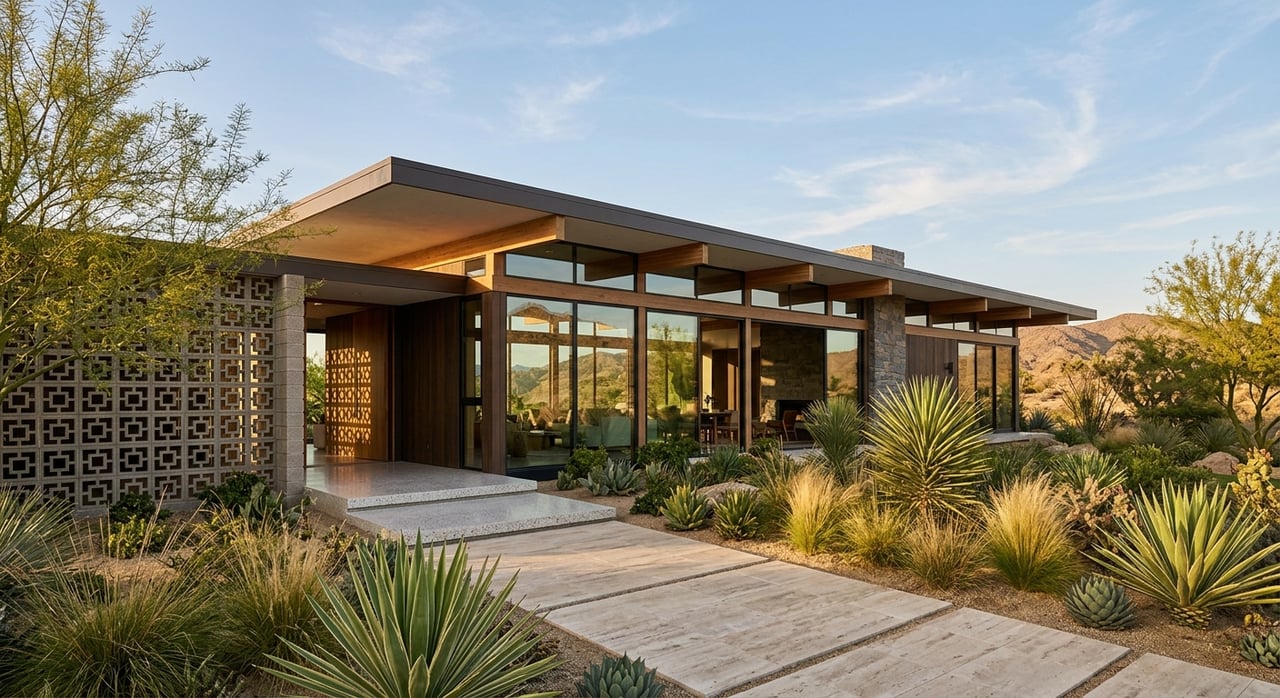
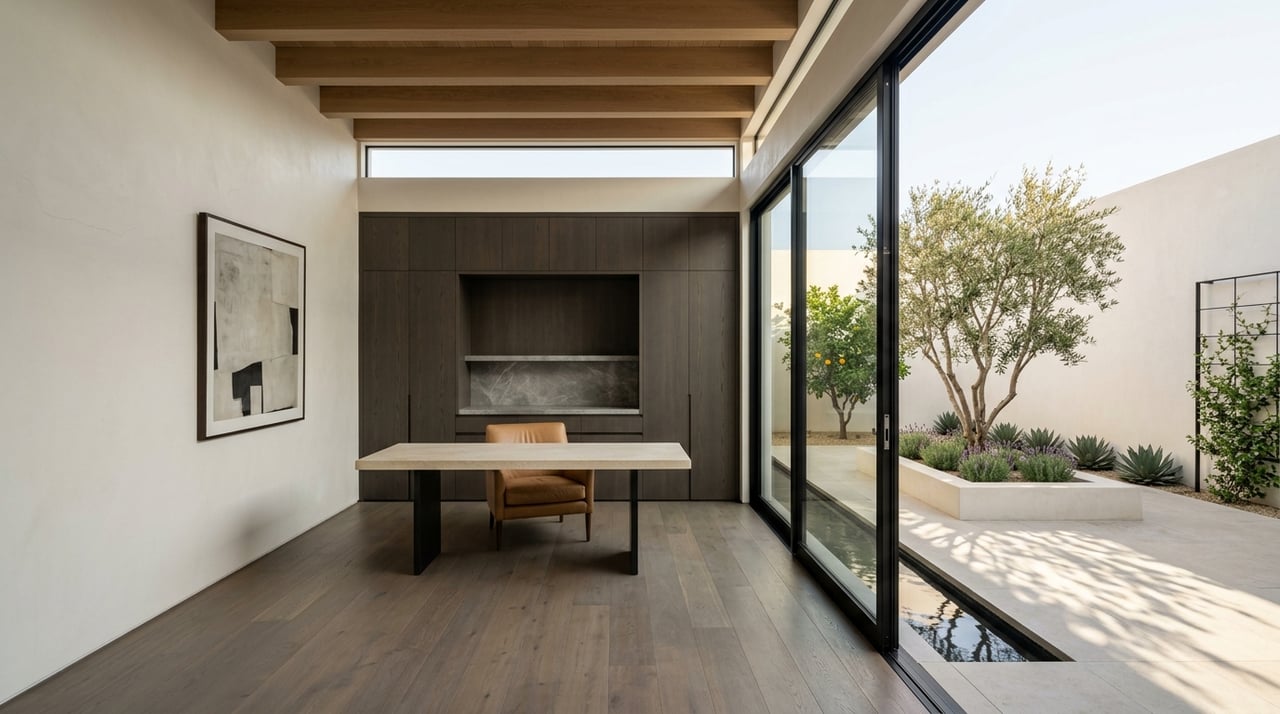
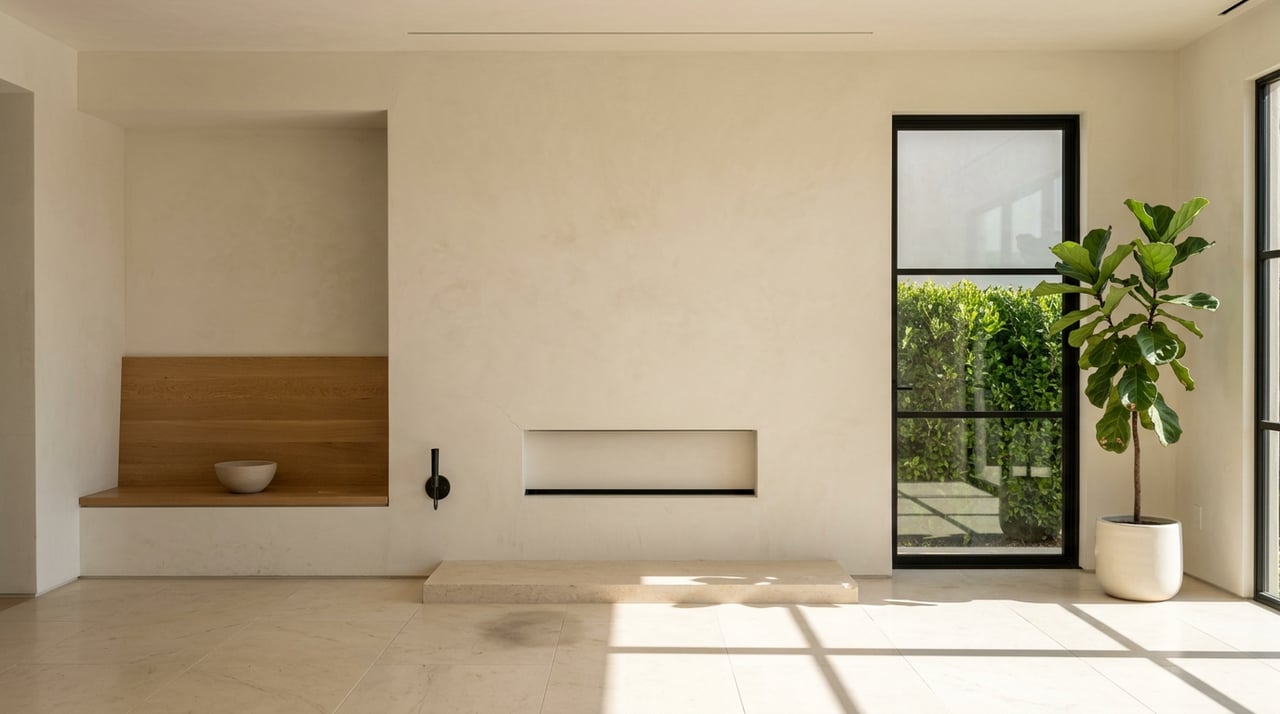
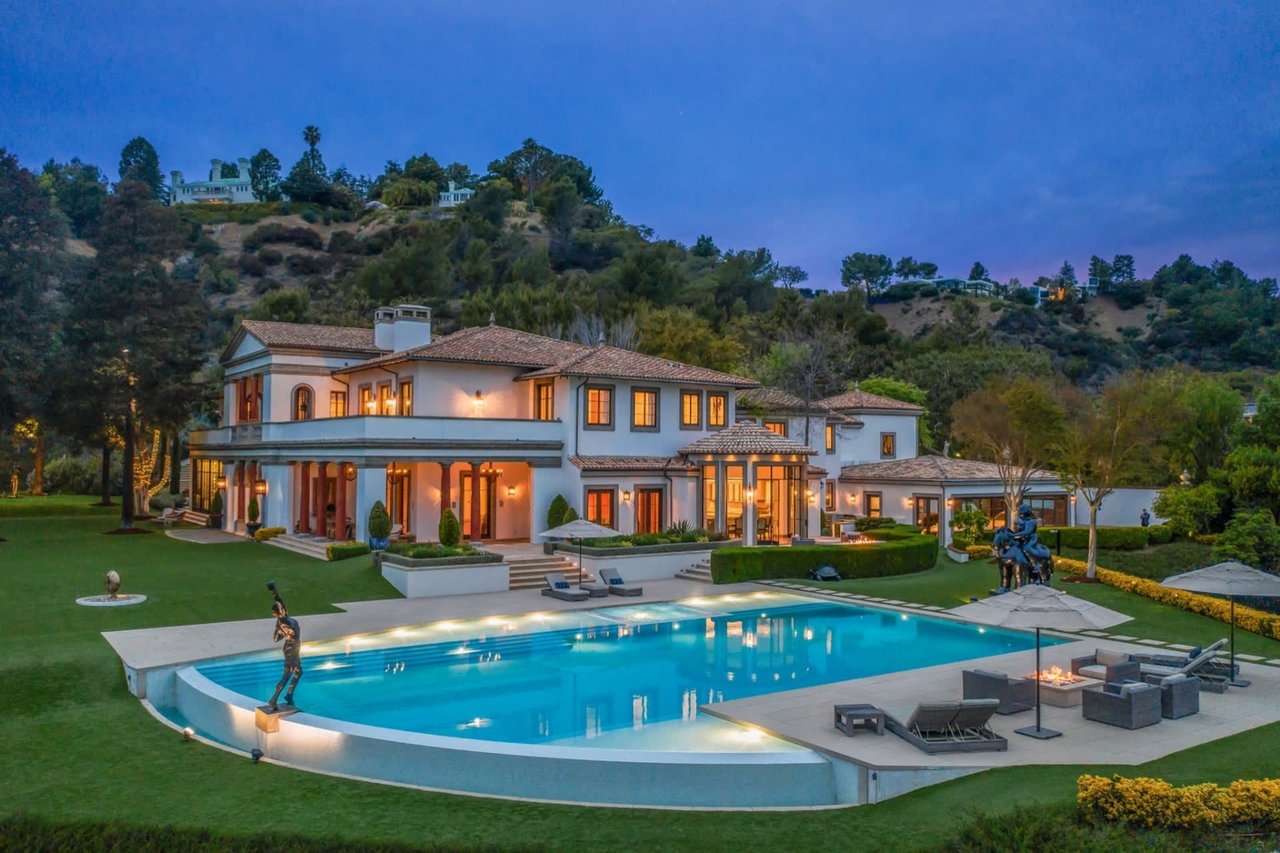
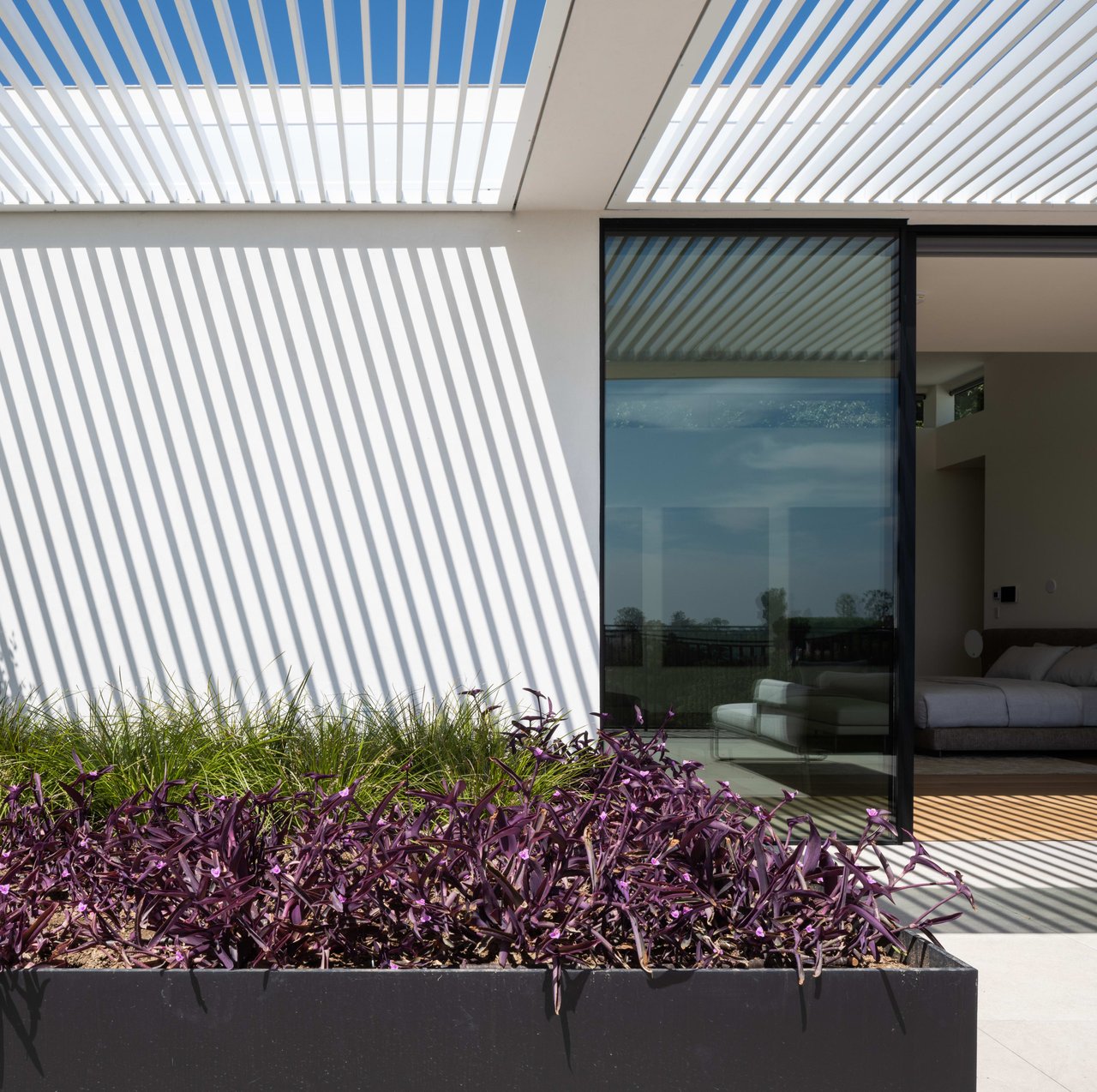
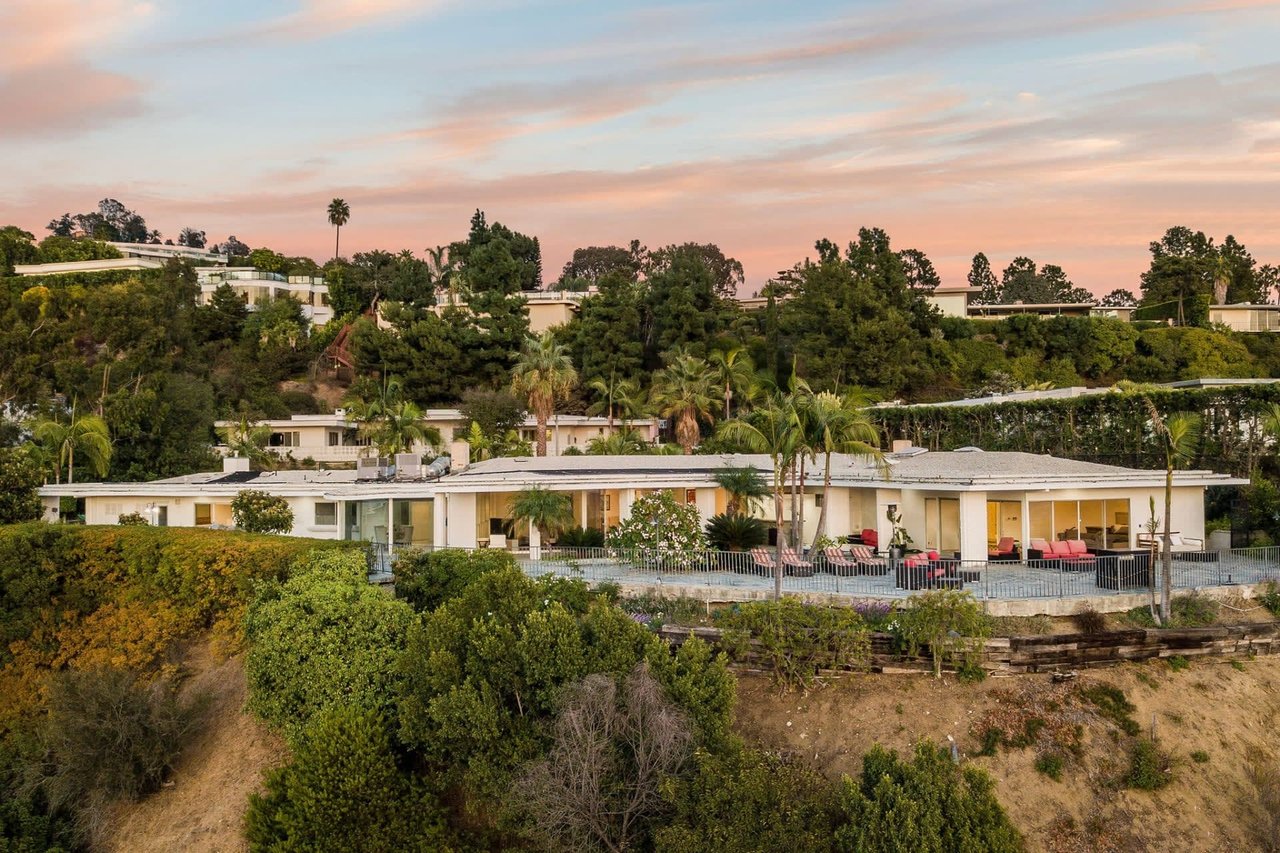
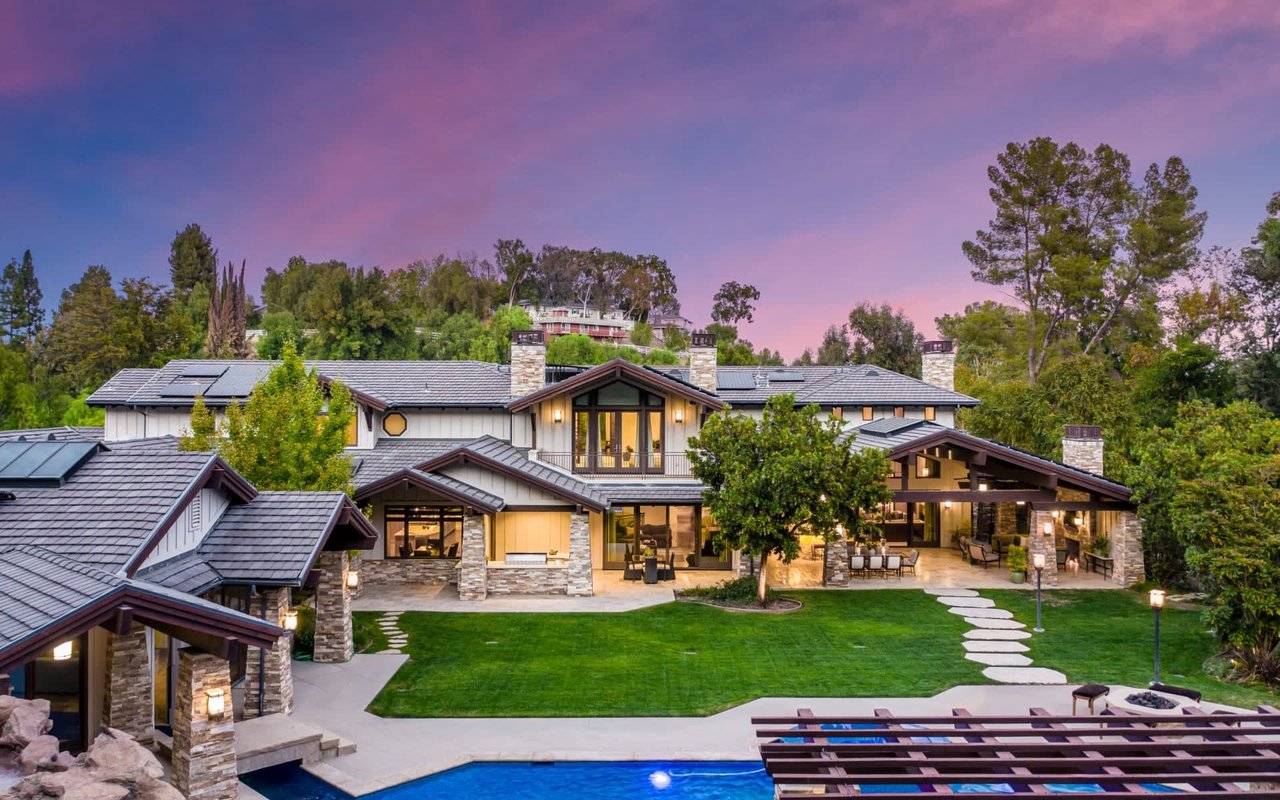
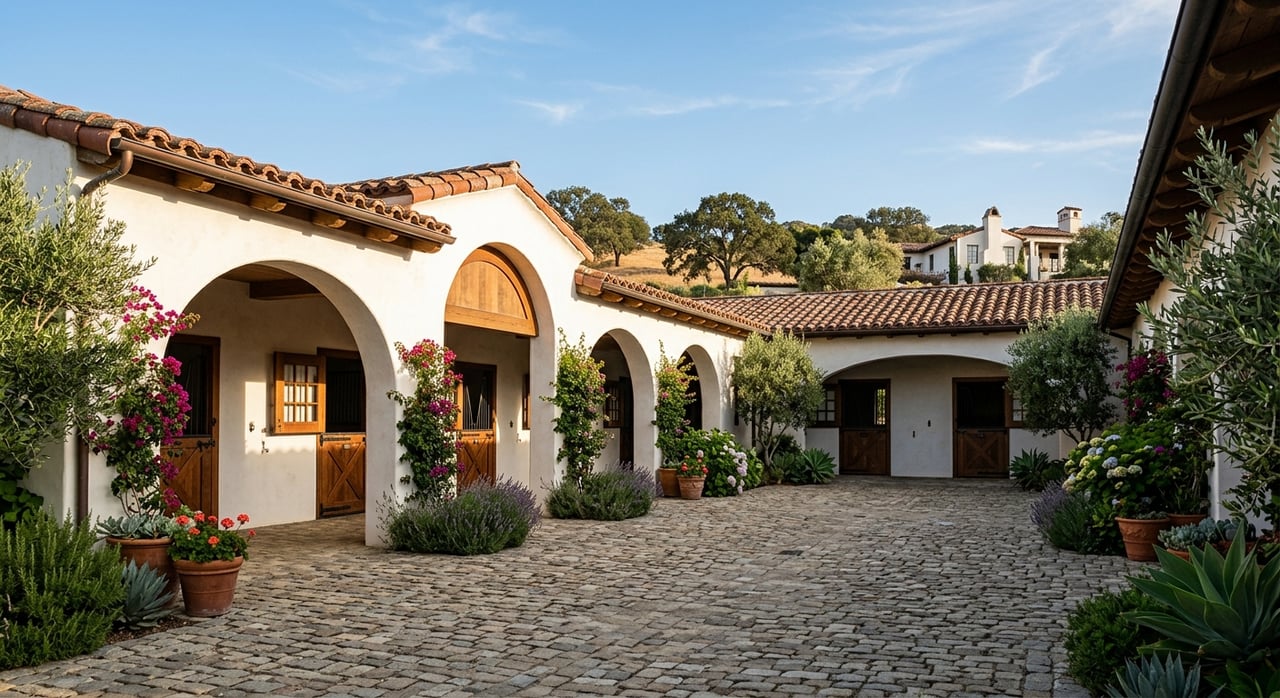
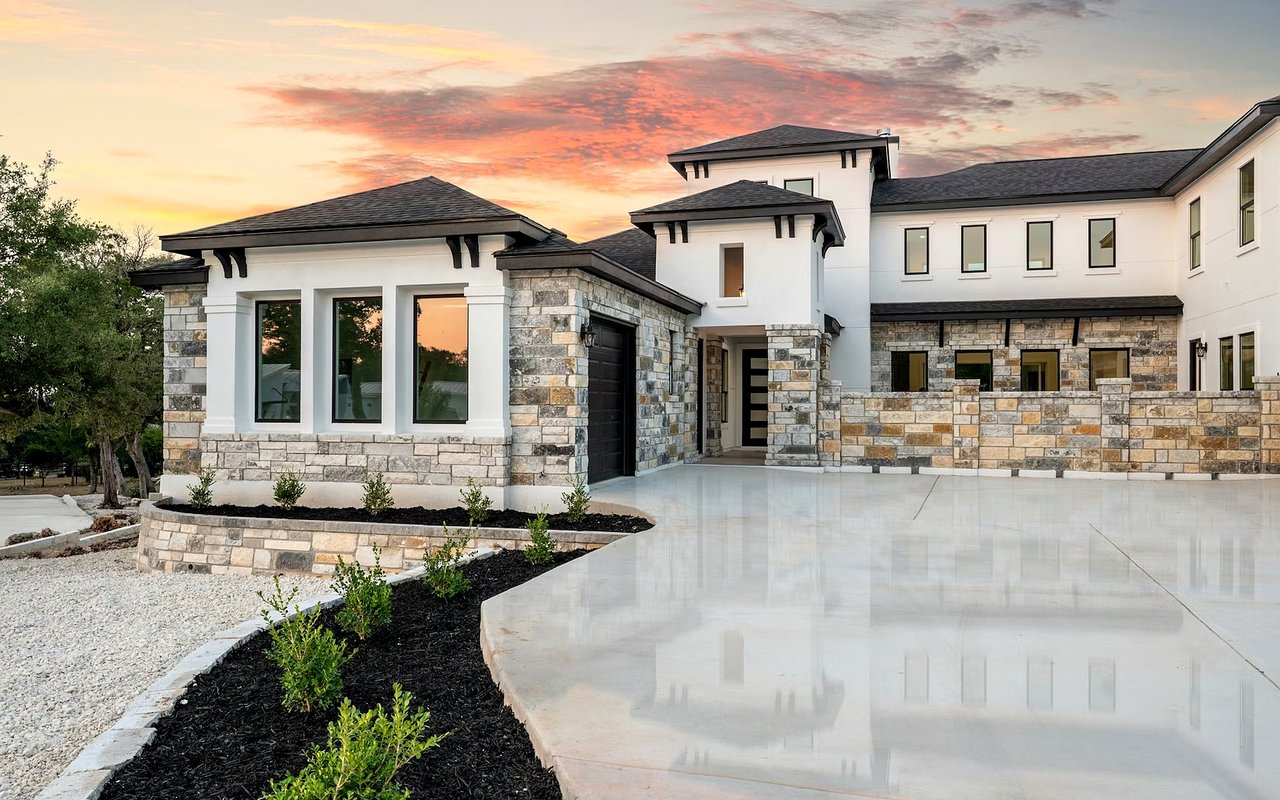
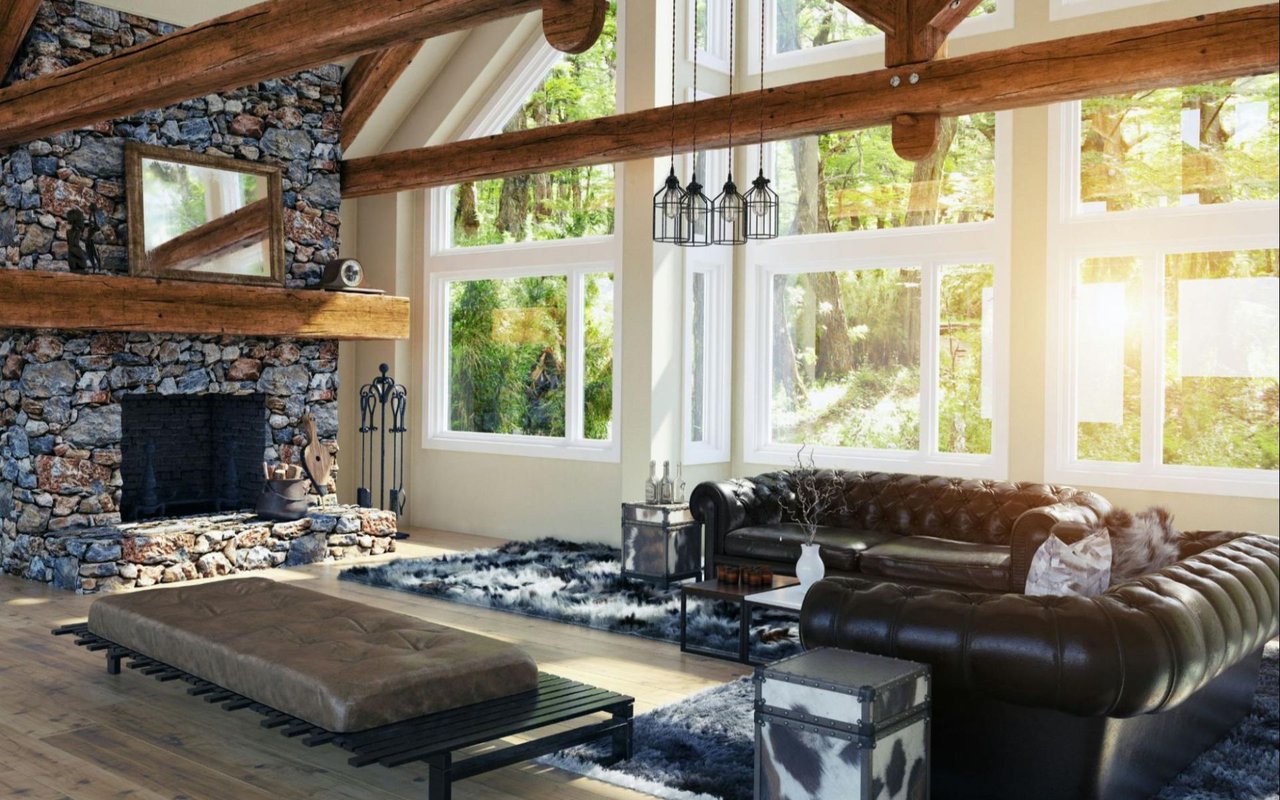
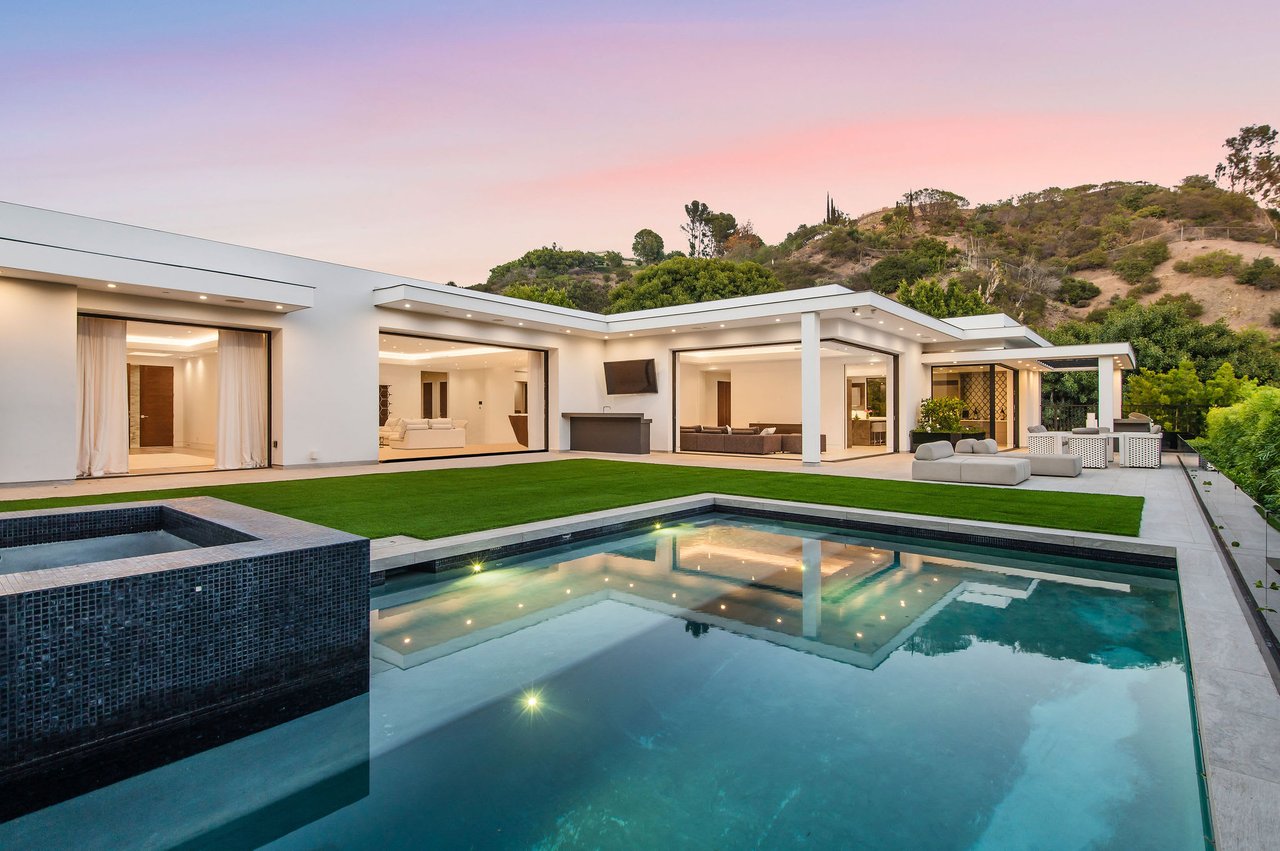
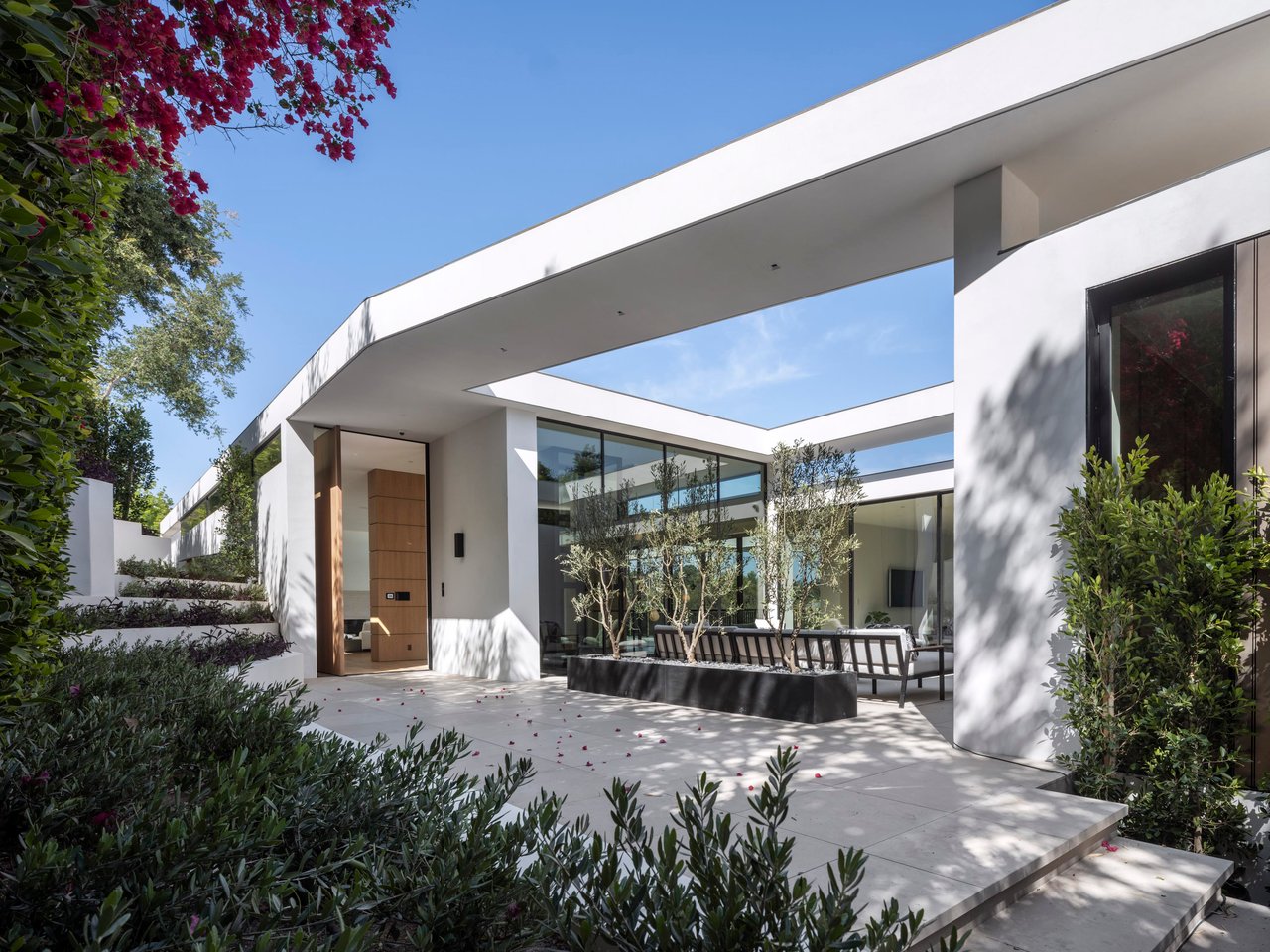
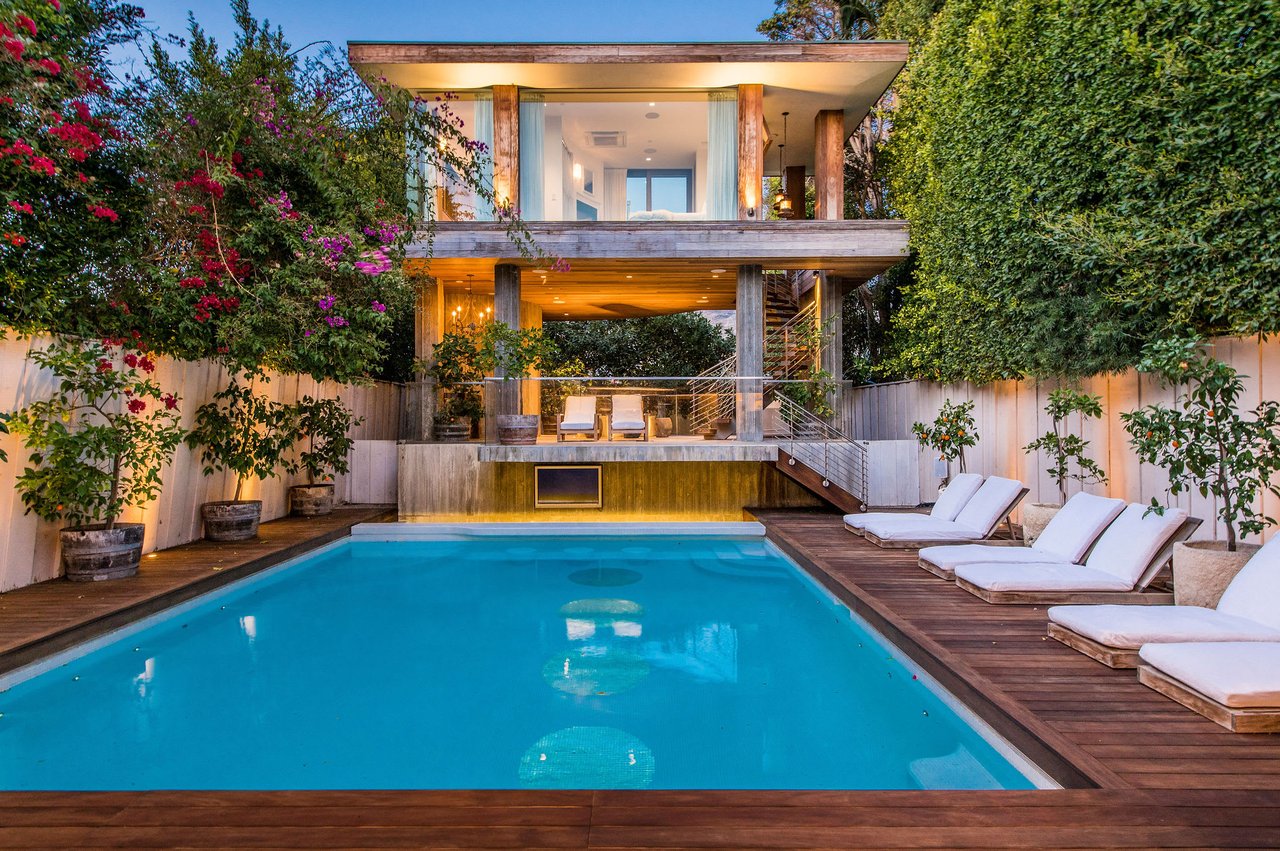
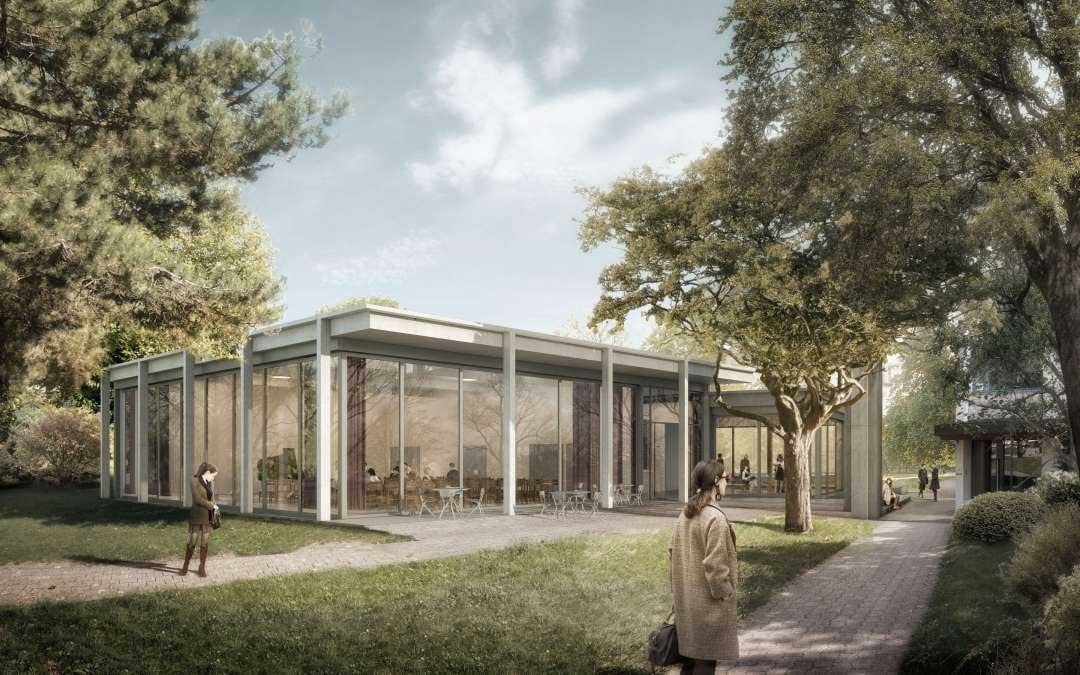
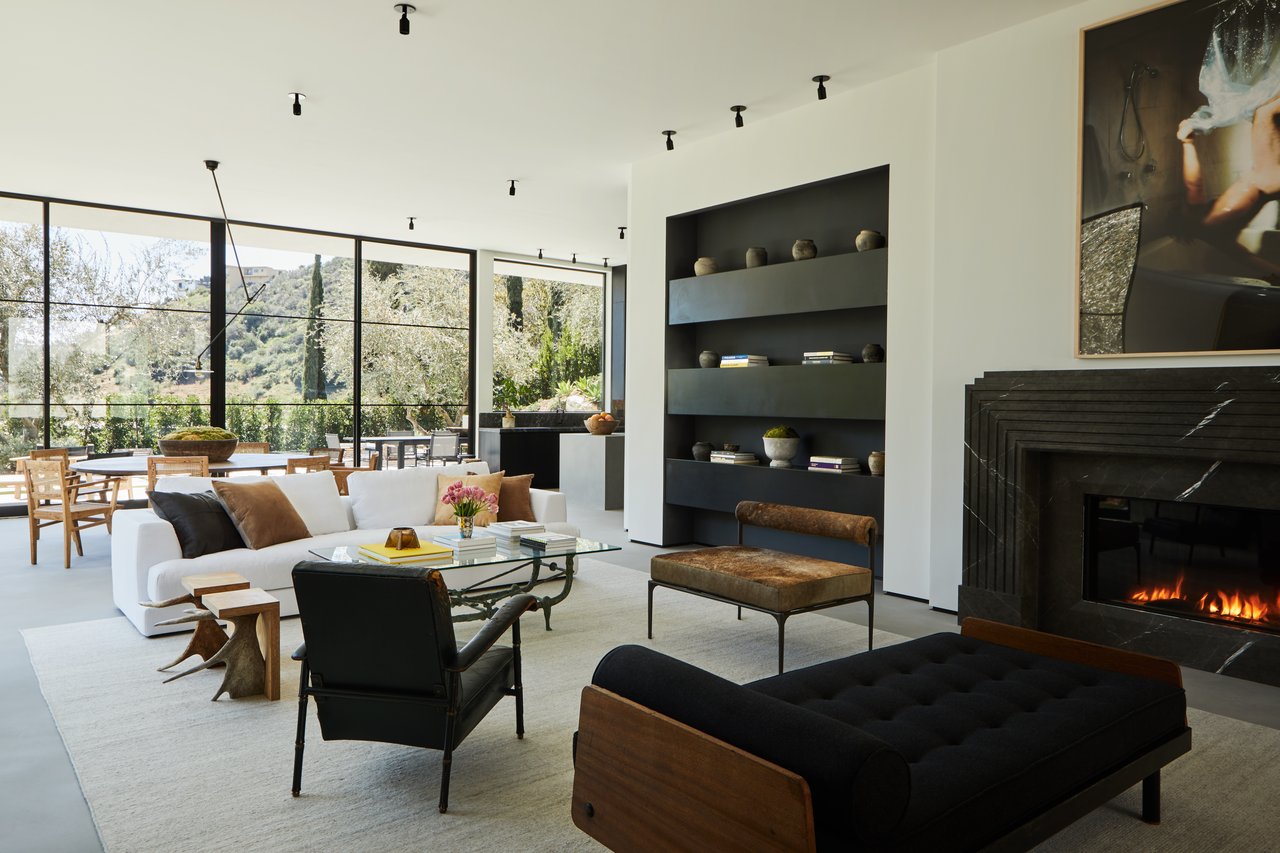
The Travis County survey points to Ranch and Modern Ranch traditions in these areas. Common design features include low-slung forms, clerestory windows, glass walls, limestone fireplaces, and siting that follows the slope of the land.
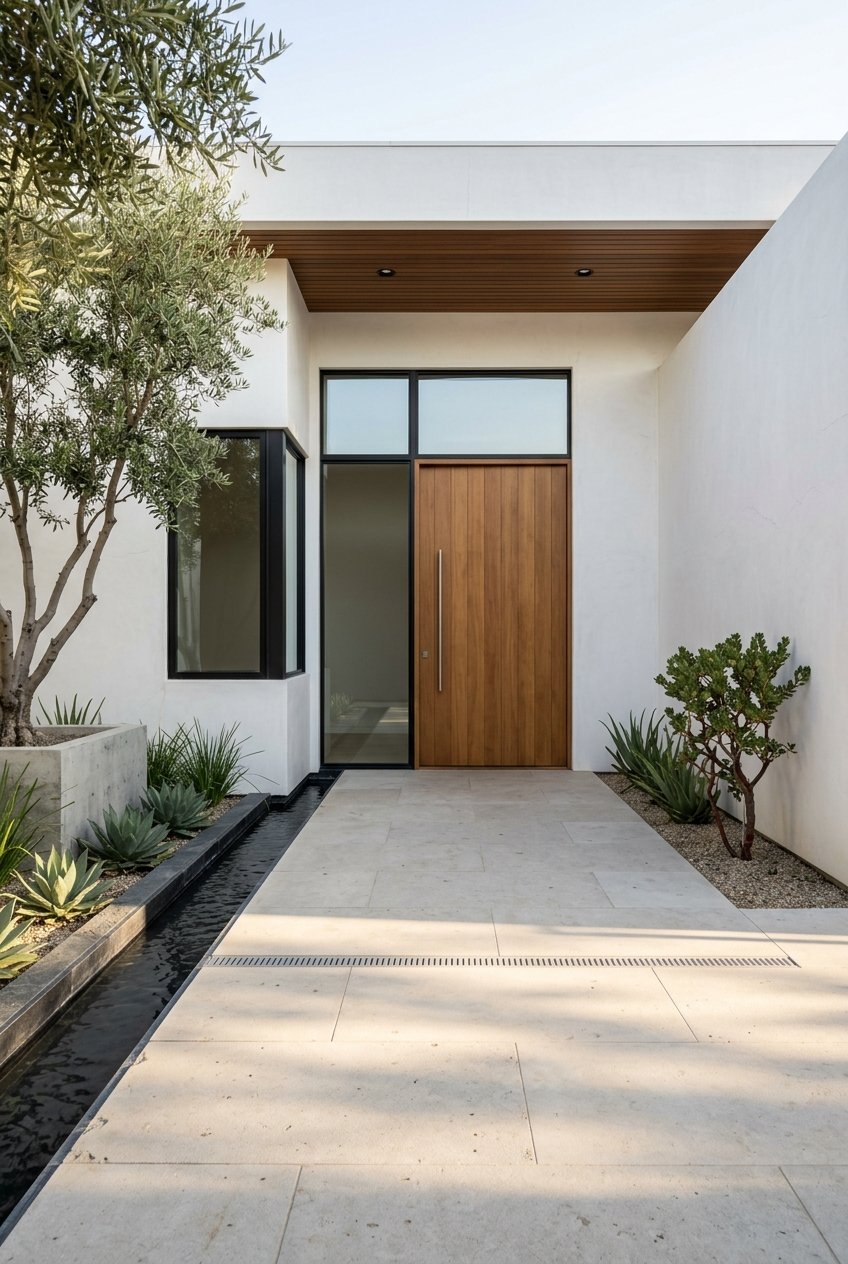
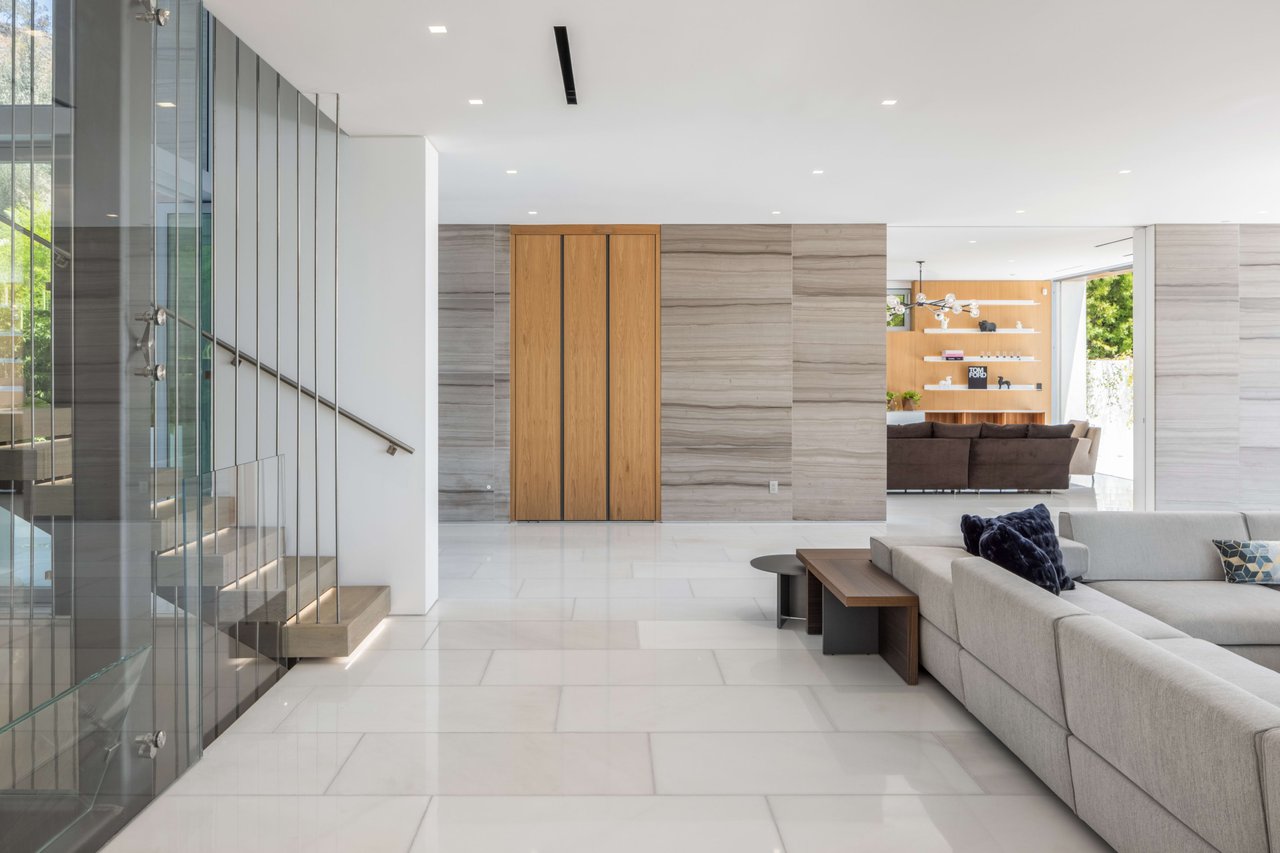
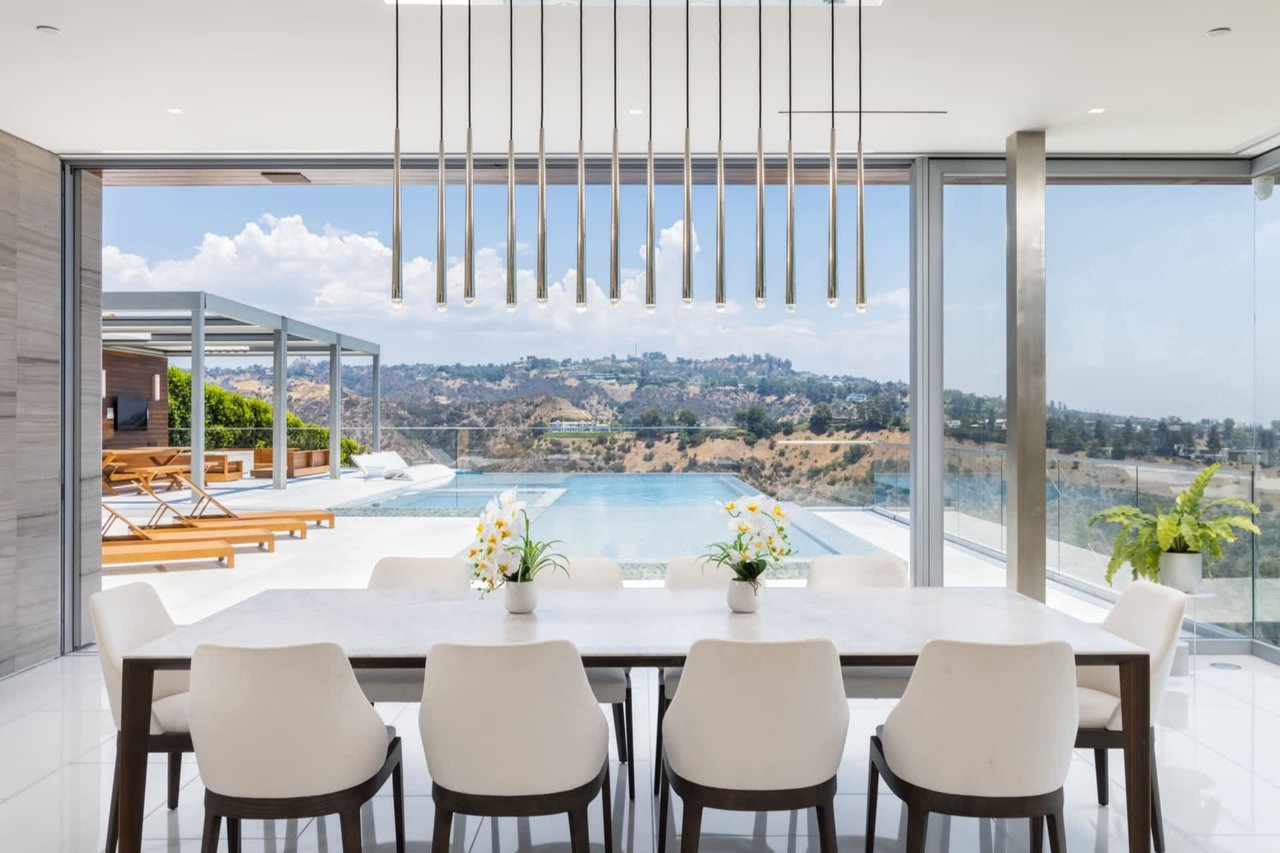
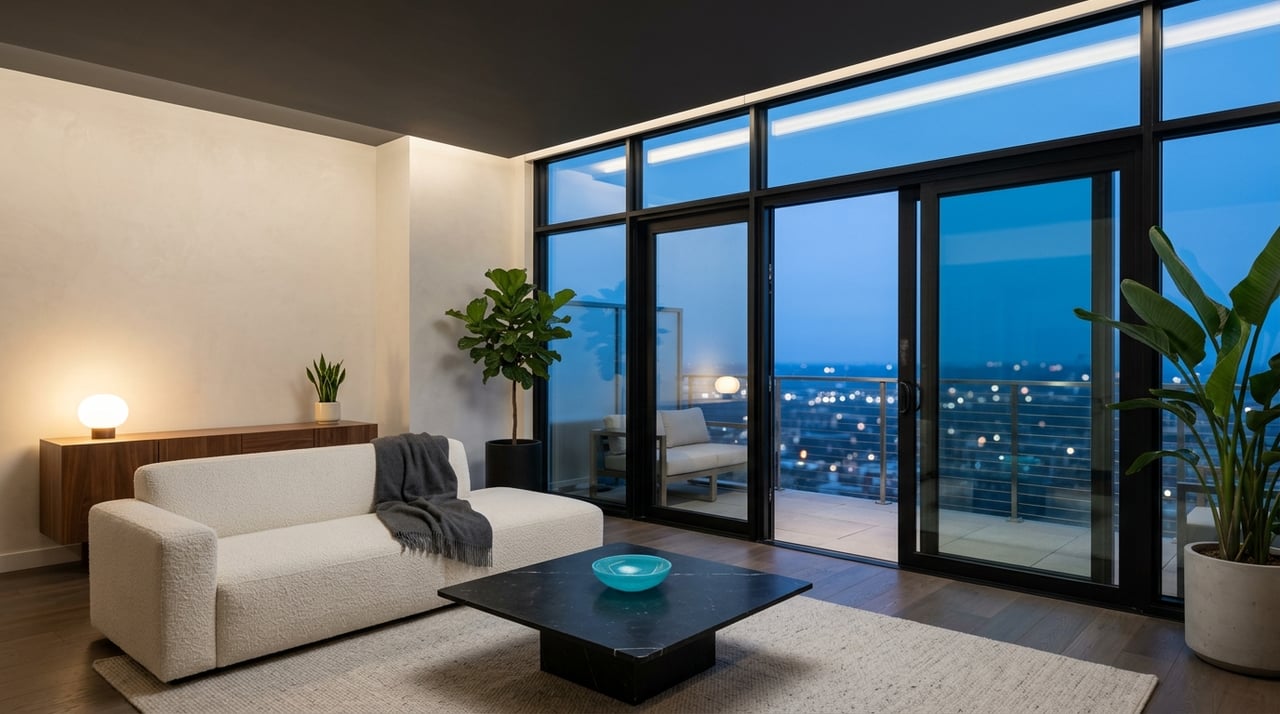
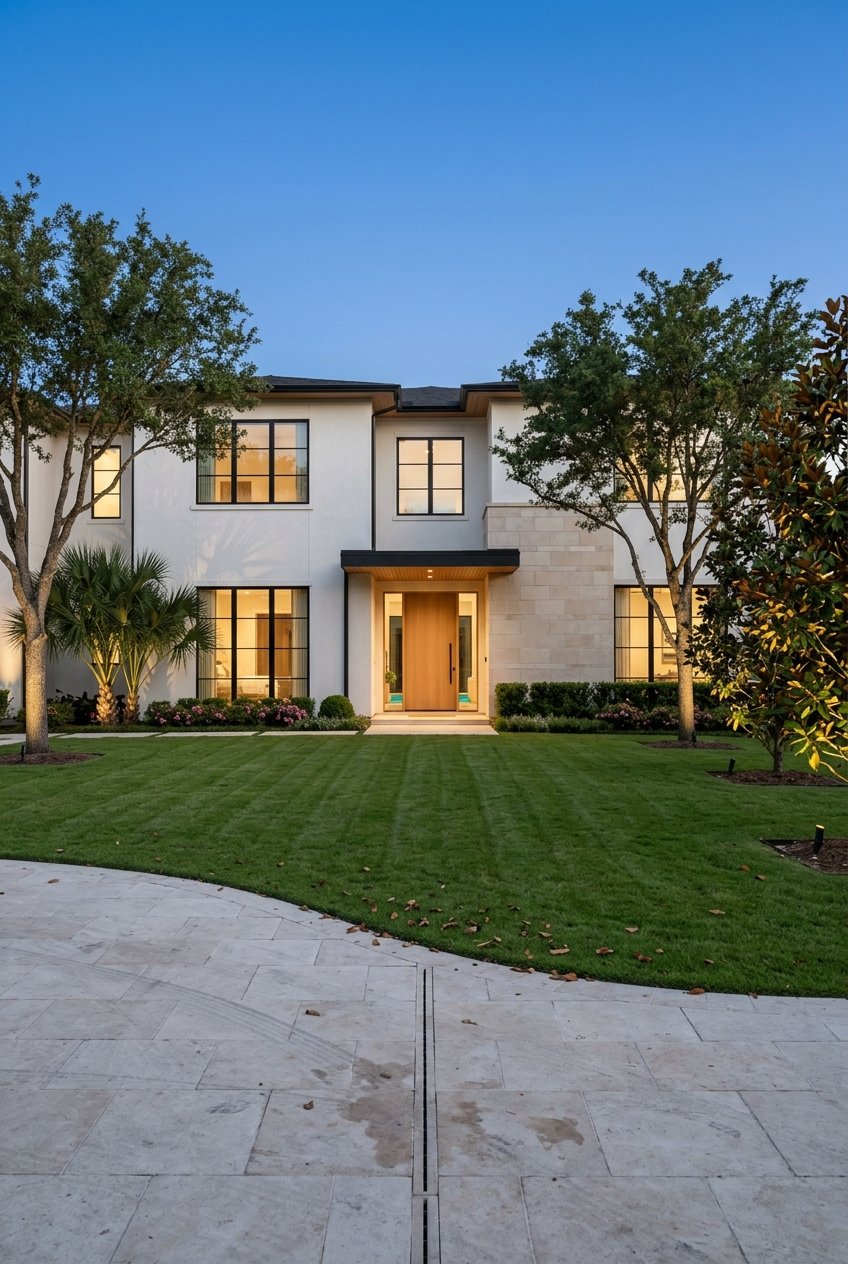
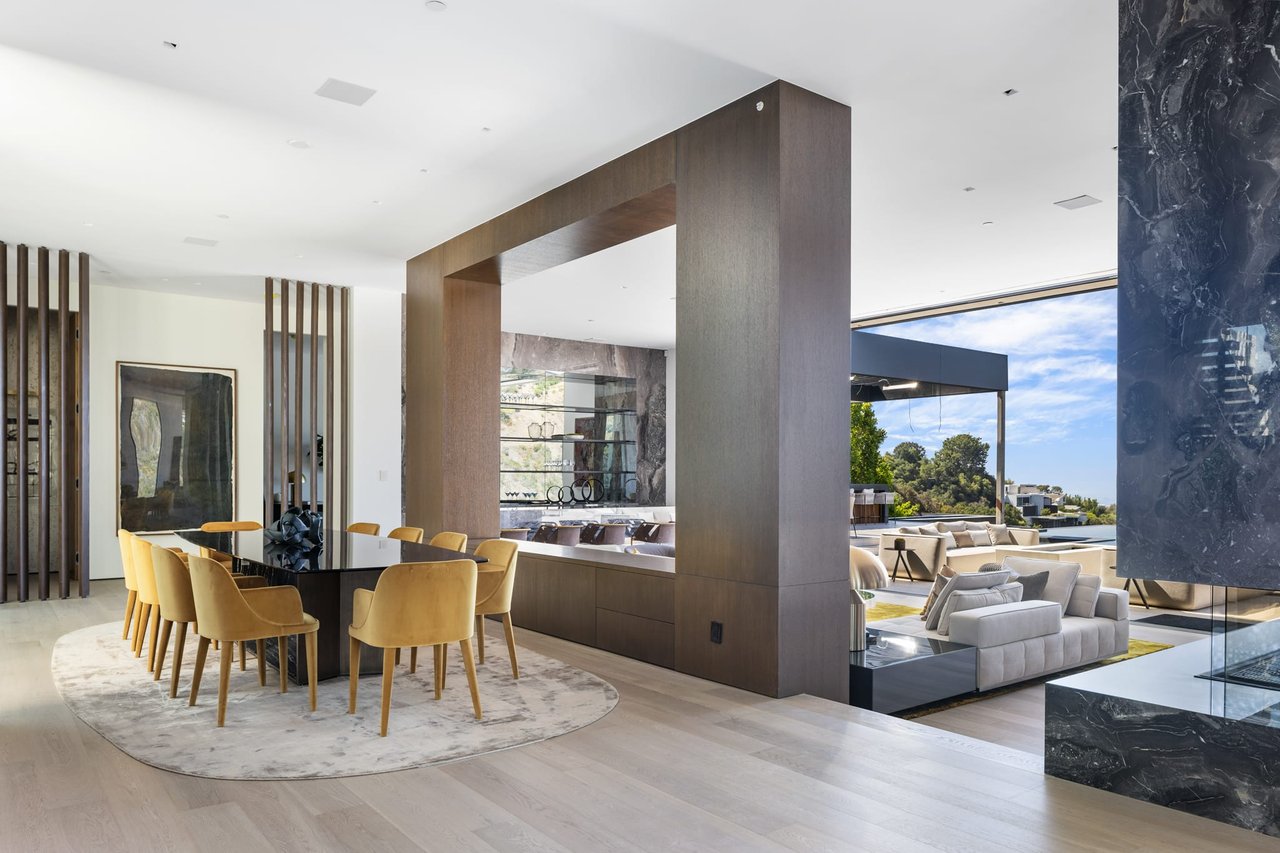
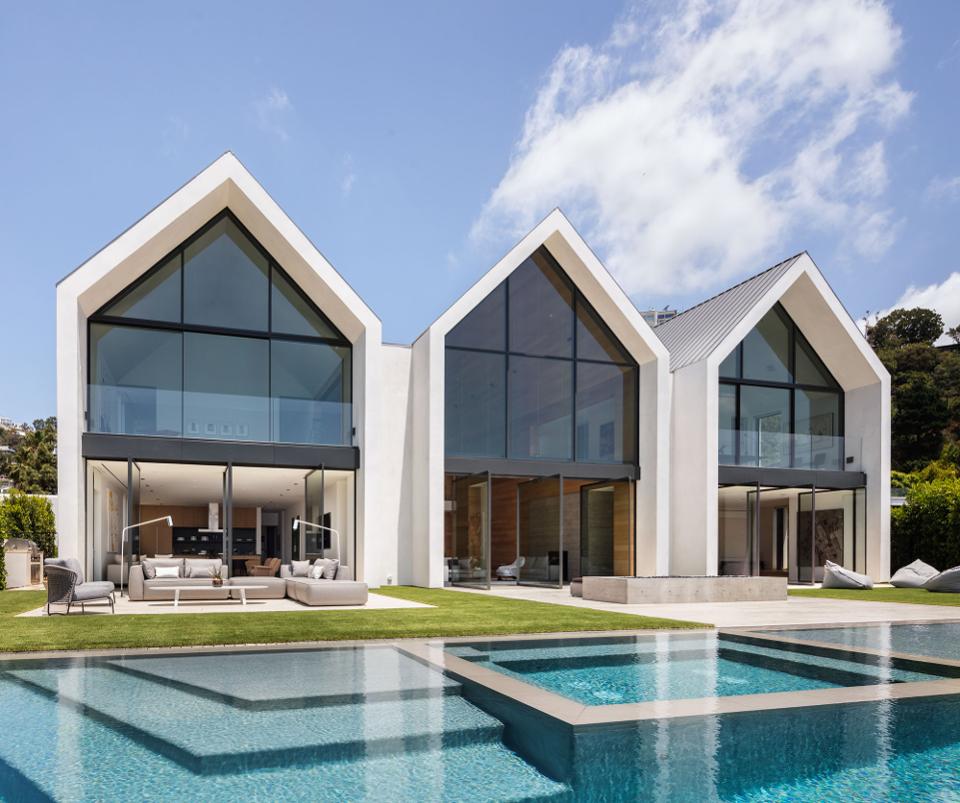
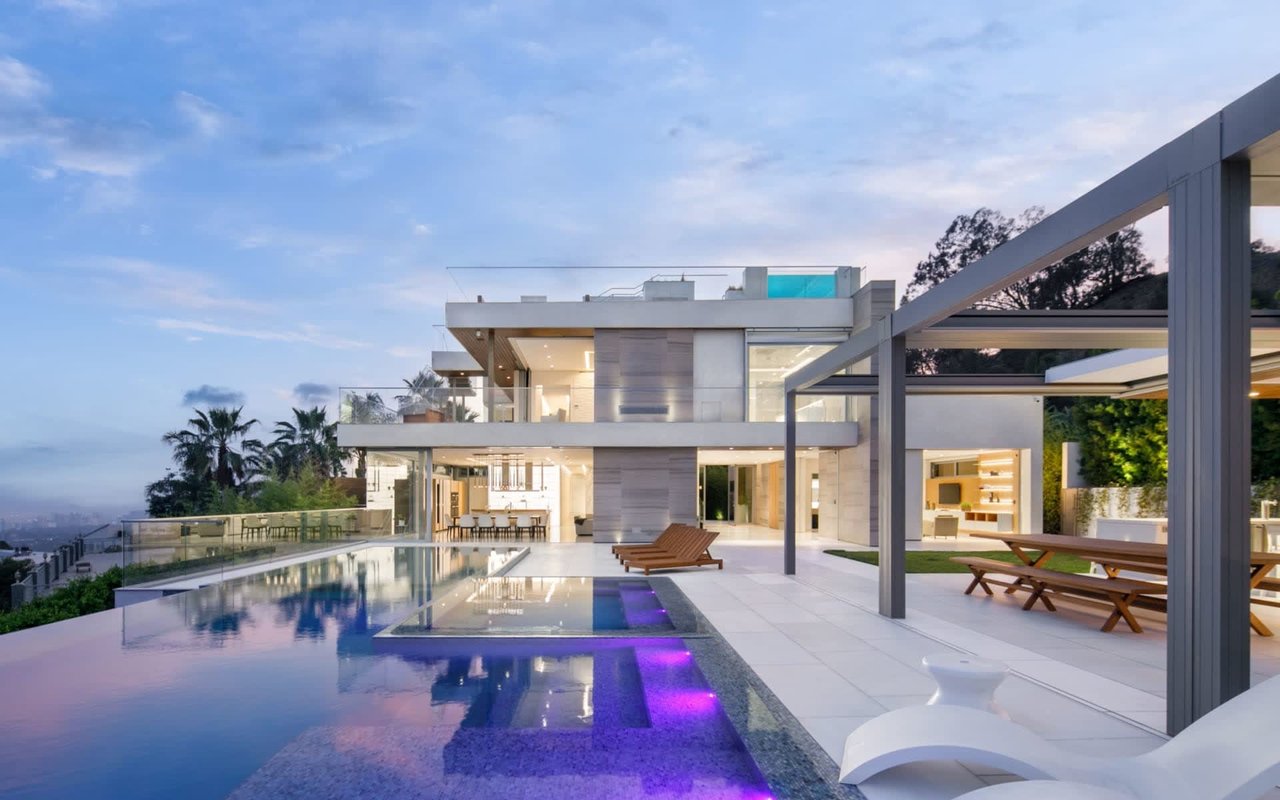
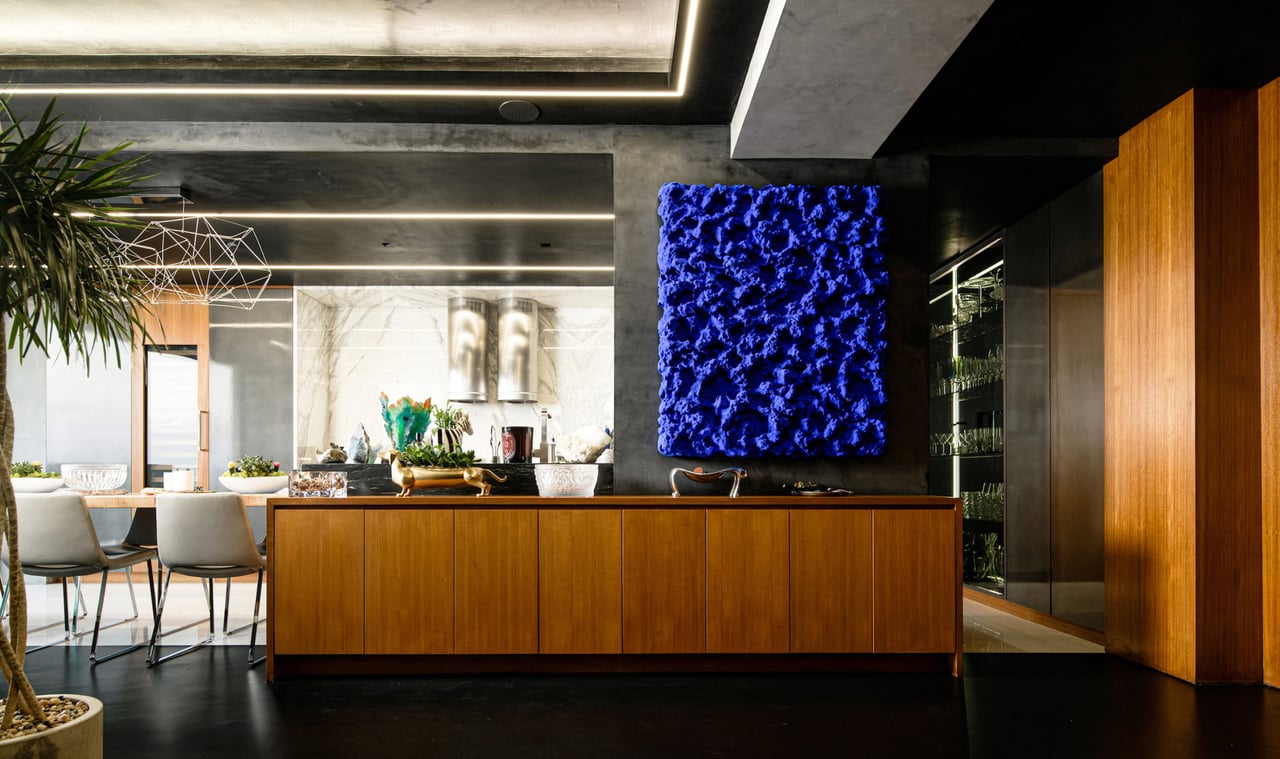
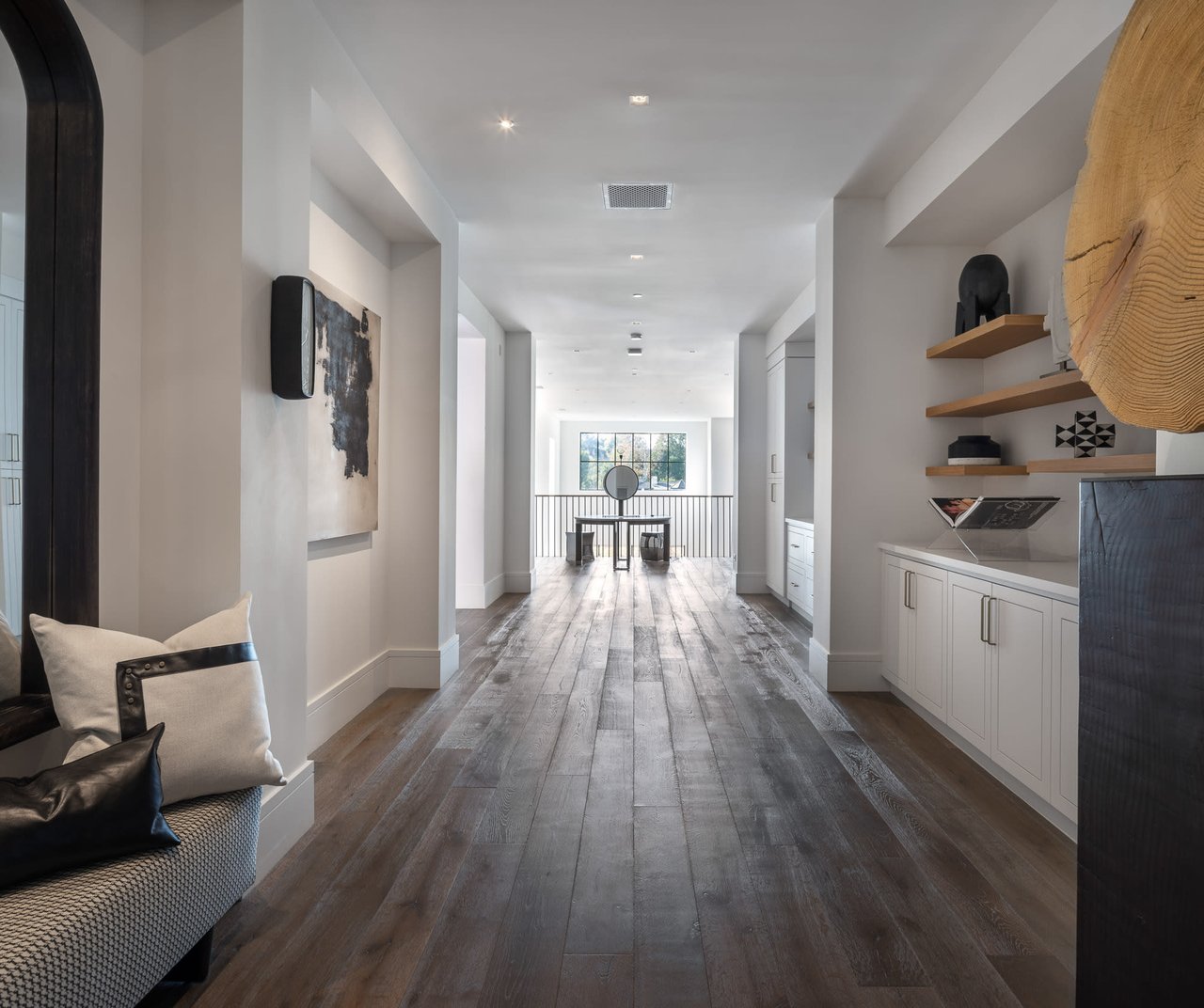
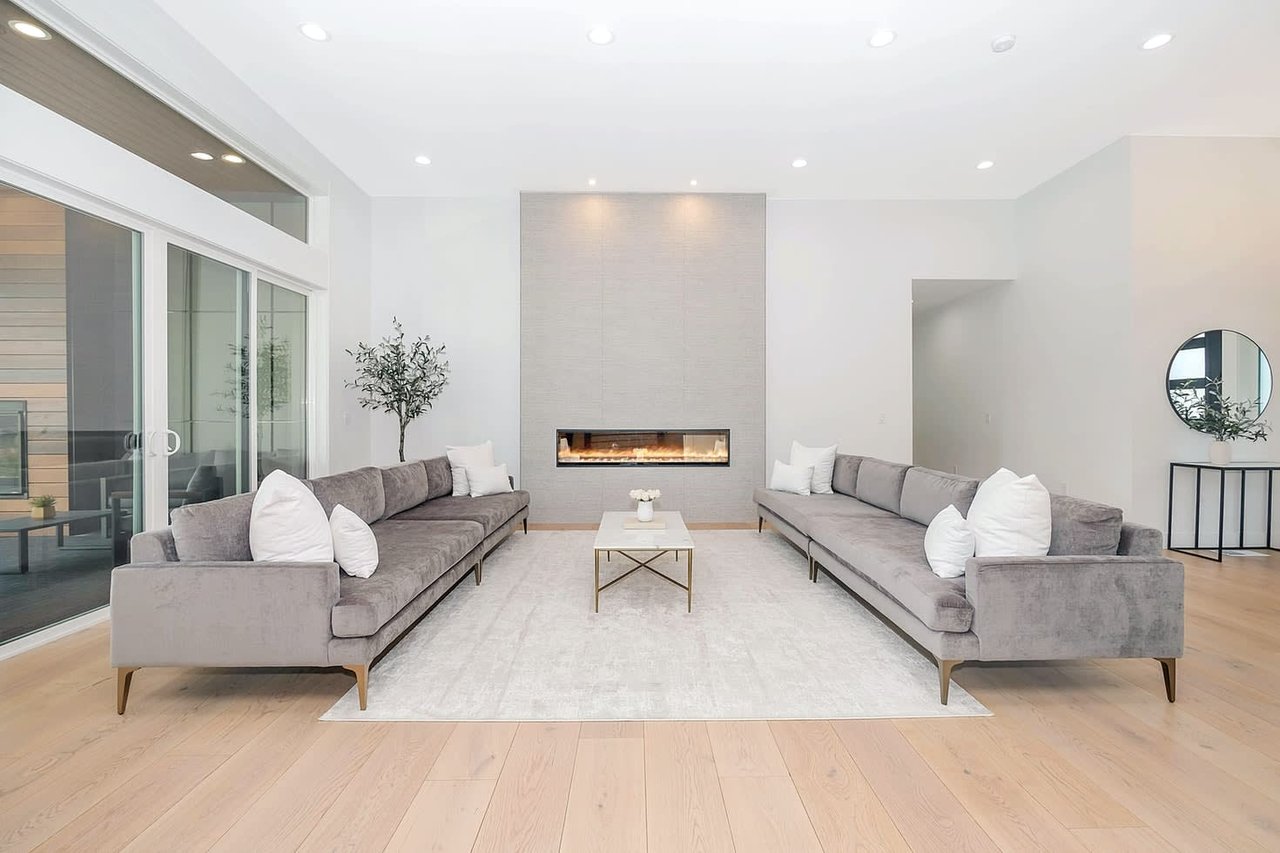
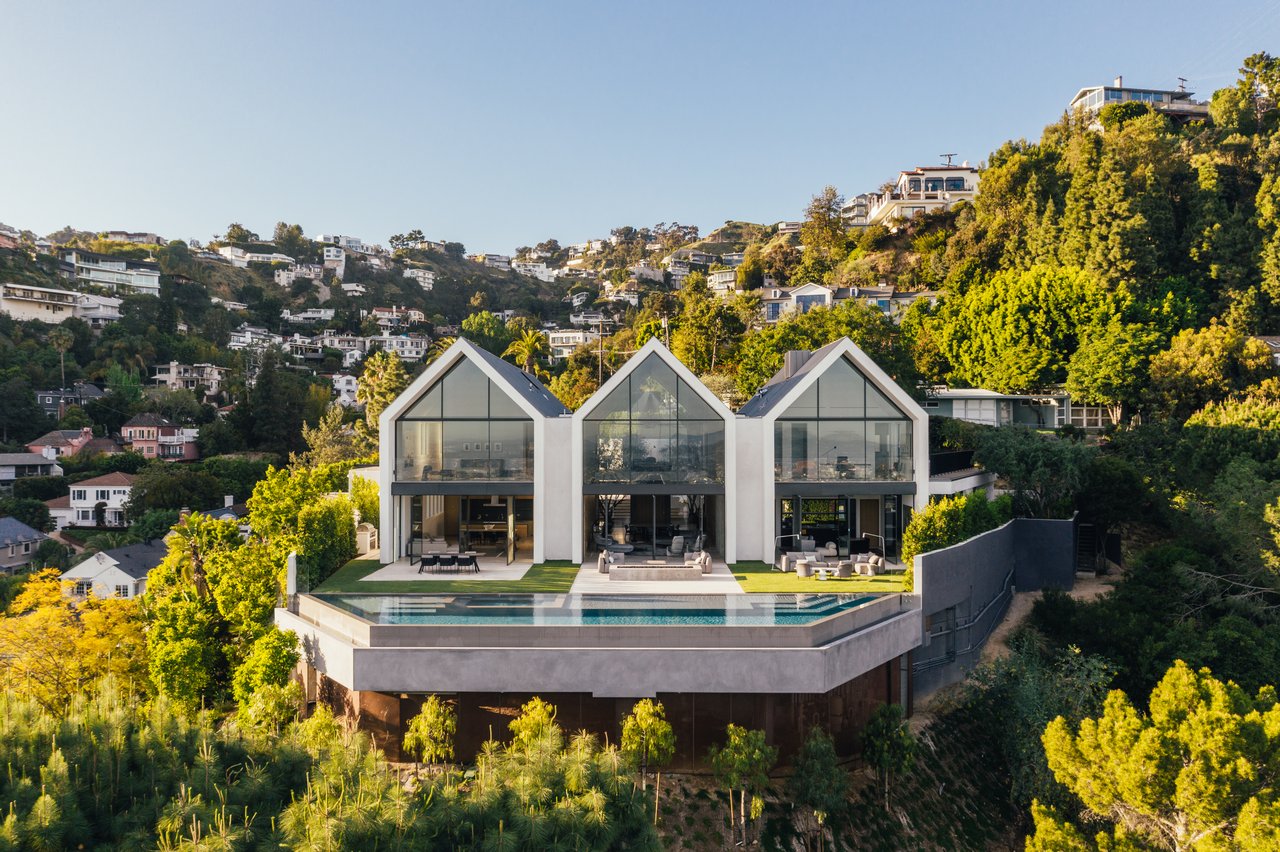
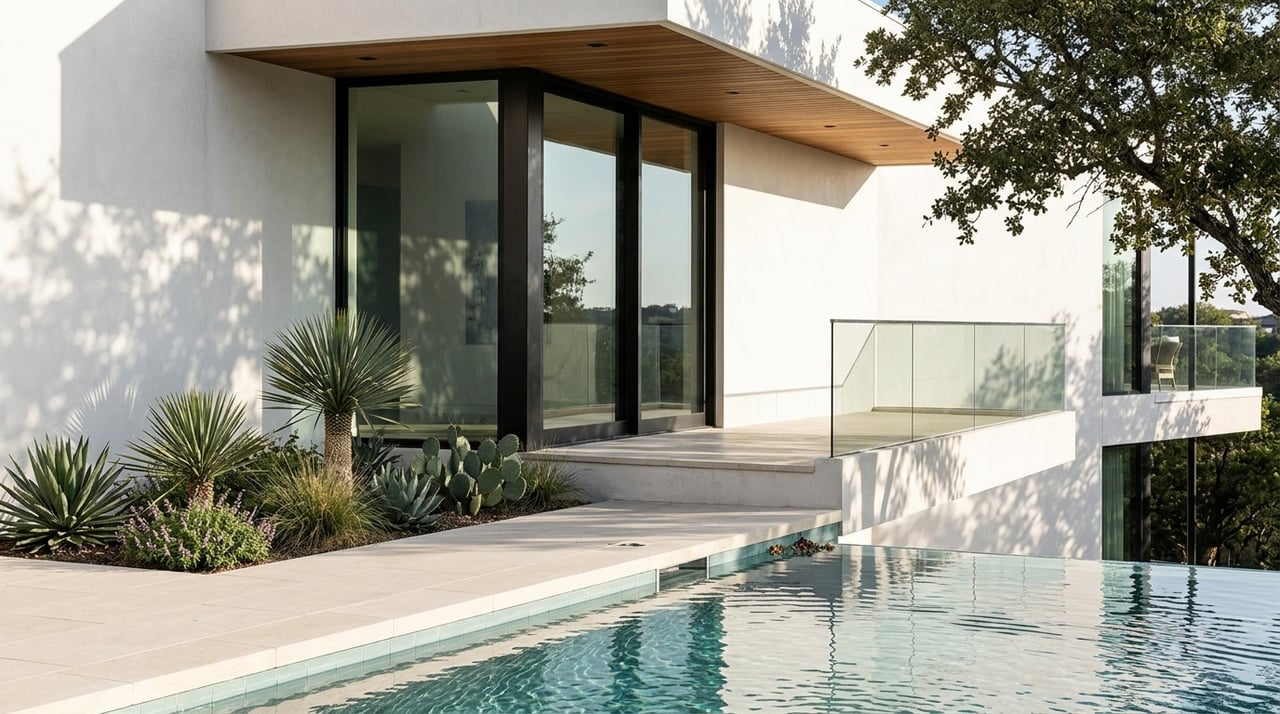
That design language still matters today. Contemporary homes in west Austin often continue those same ideas through stepped massing, large expanses of glass, and site planning that preserves trees and natural contours.
If you are drawn to architecture as much as address, this matters. In west Austin, design is often not just aesthetic. It is part of how a property captures views, manages the site, and creates a sense of quiet separation.
Lakeway and the Resort-Lifestyle Model
If your version of luxury leans more waterfront and recreation-driven, Lakeway is one of the clearest examples in the broader Austin story. The city describes itself as a resort community on the south shore of Lake Travis.
Lakeway’s amenities help explain its appeal. The city highlights golf courses, tennis courts, marinas, a private airport, a hotel and spa, plus extensive trails and greenbelts.
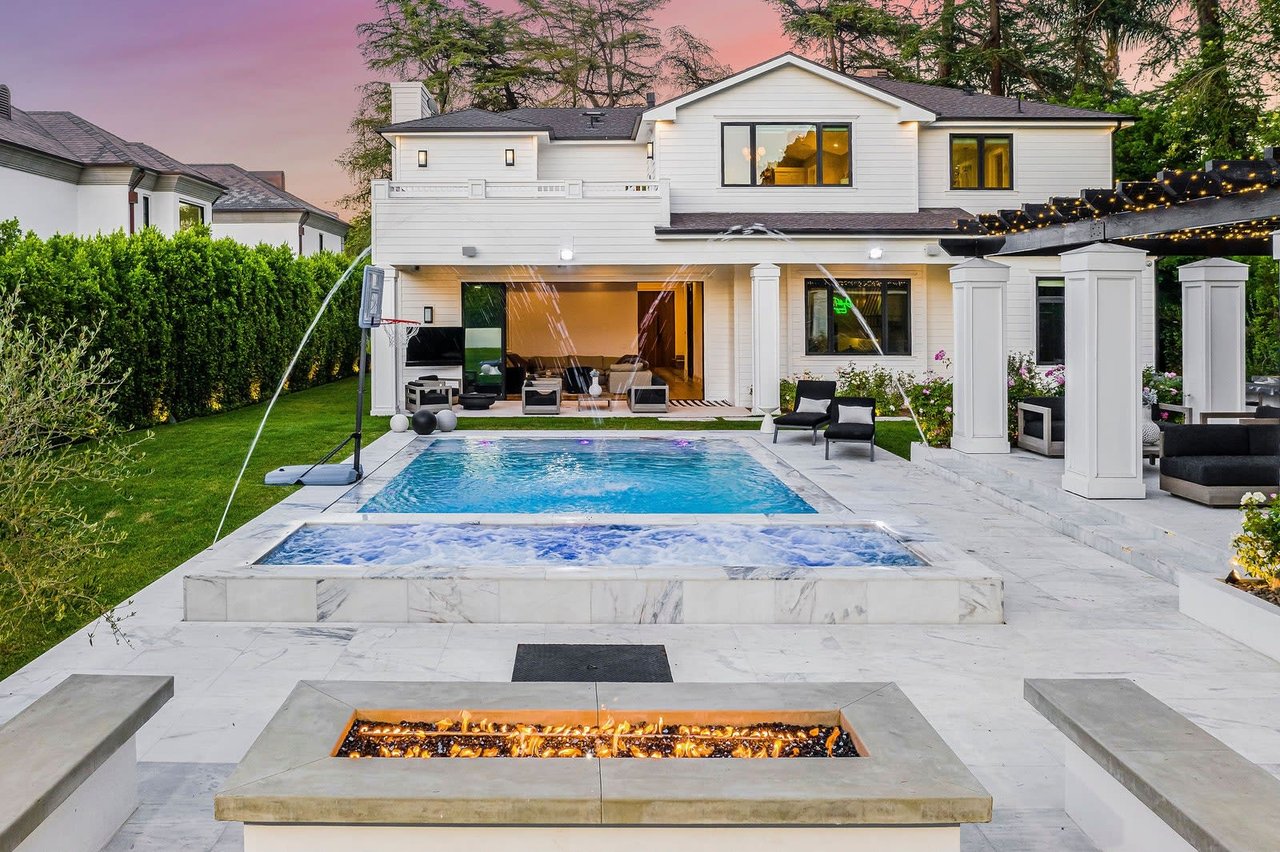
For many buyers, that creates a different kind of luxury proposition. Instead of close-in hillside seclusion, you get a more destination-style environment centered on lake access and outdoor living.
For school-boundary research, local district tools are the right place to verify details. Lake Travis ISD provides attendance-zone information for campuses including Bee Cave Elementary, Lakeway Elementary, Rough Hollow Elementary, Serene Hills Elementary, and Lake Travis High School, while Eanes ISD provides a boundary-map tool commonly used to verify close-in west Austin addresses.
Waterfront Luxury Requires More Due Diligence
Waterfront living in greater Austin can be exceptional, but it is not all the same. Lake Travis and Lake Austin operate very differently, and that difference can directly affect how a property lives over time.
LCRA states that Lake Travis is a water-supply reservoir designed to fluctuate. It has a full level of 681 feet, with additional flood pool above that level.
Lake Austin functions differently. LCRA describes it as a pass-through lake with no flood-storage capacity, and says it generally operates within about a one-foot range.
For you as a buyer, this distinction is more than technical. It can shape shoreline usability, visual consistency, and how you think about dock access and day-to-day waterfront enjoyment.
Dock Rules Matter on Austin Waterfront Property
In Austin luxury real estate, waterfront value depends on more than frontage alone. A property may sit on the water, but legal access, dock approvals, and the practical usability of the shoreline are all key parts of value.
The City of Austin requires a site plan and building permit process for docks, along with registration and addressing requirements for visibility on Lake Austin, Lady Bird Lake, and Lake Walter E. Long. On the Highland Lakes, LCRA states that residential docks of 1,500 square feet or less do not require a permit, while Lake Austin dock and safety rules are managed by the City of Austin.
That means waterfront buyers should compare more than the view. It is worth asking how the lake behaves, what is permitted at the shoreline, and whether the existing dock situation supports the lifestyle you want.
A well-advised purchase looks beyond marketing language. In this segment, the details behind the shoreline often matter just as much as the home itself.
Architecture Defines the Luxury Experience
West Austin luxury is not defined by size alone. It is often defined by how well a home responds to the site.
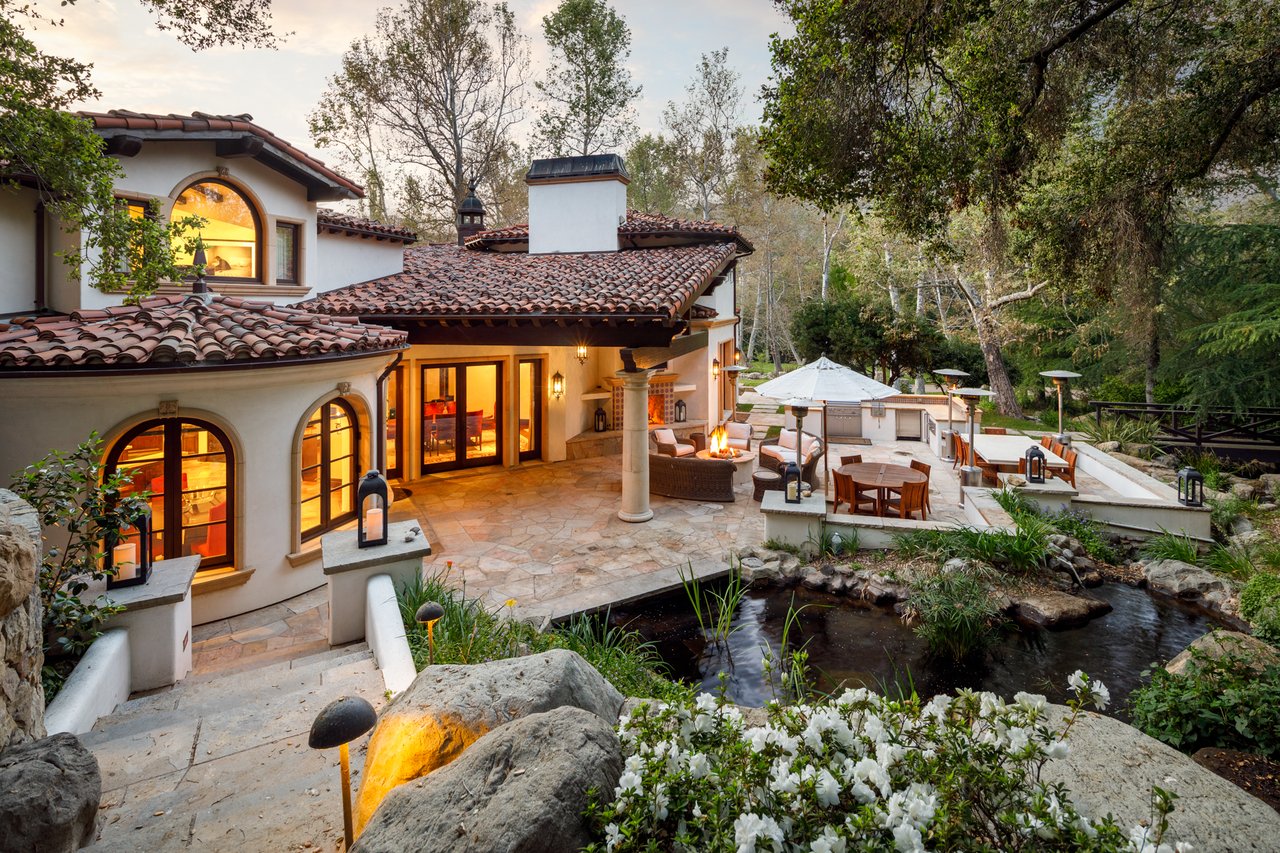
The Travis County survey describes homes in this area as using low profiles, stone or brick materials, large windows, clerestories, and offset levels to follow the slope and capture Hill Country views. It also notes modern homes in Rollingwood that used walls of glass and limestone hearths to blend into the terrain.
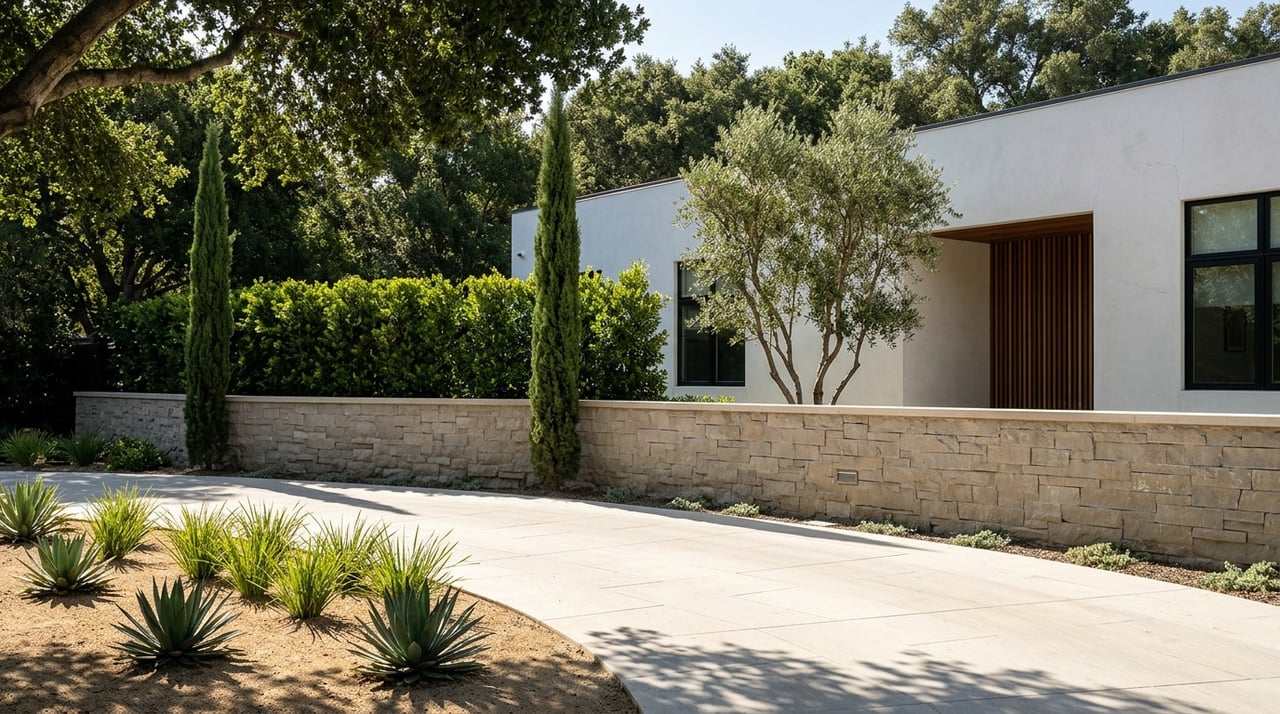
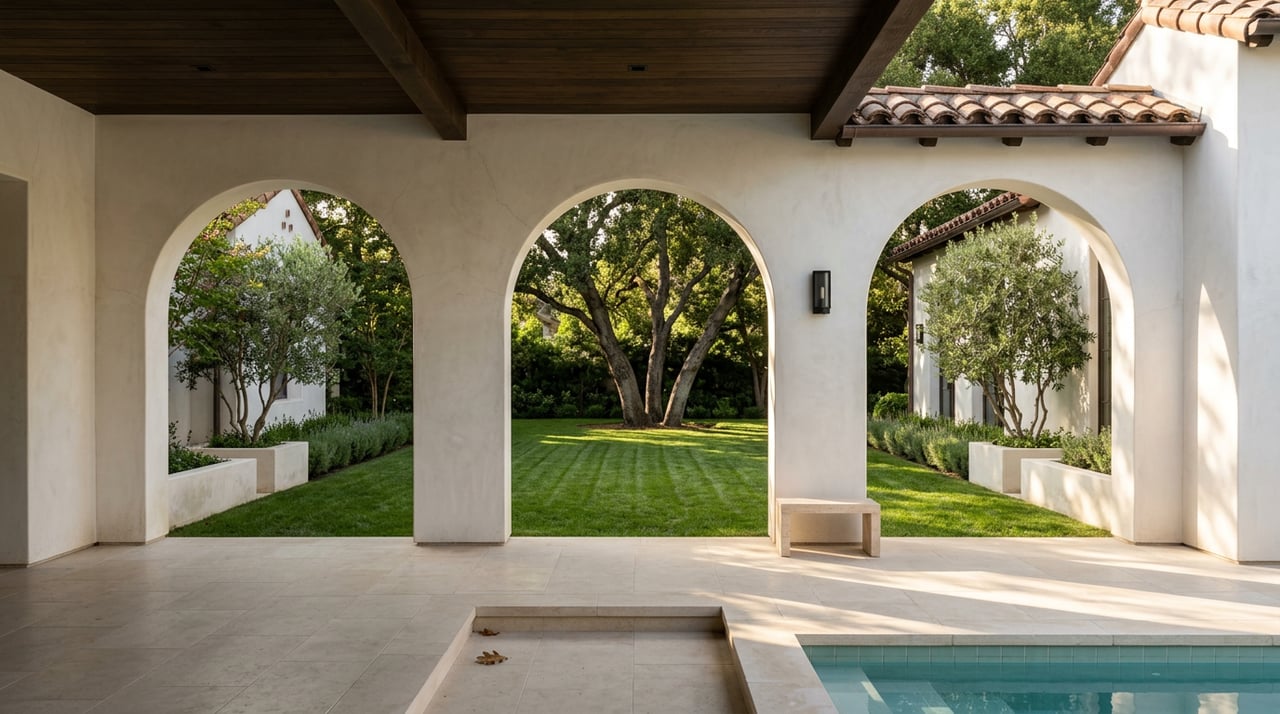
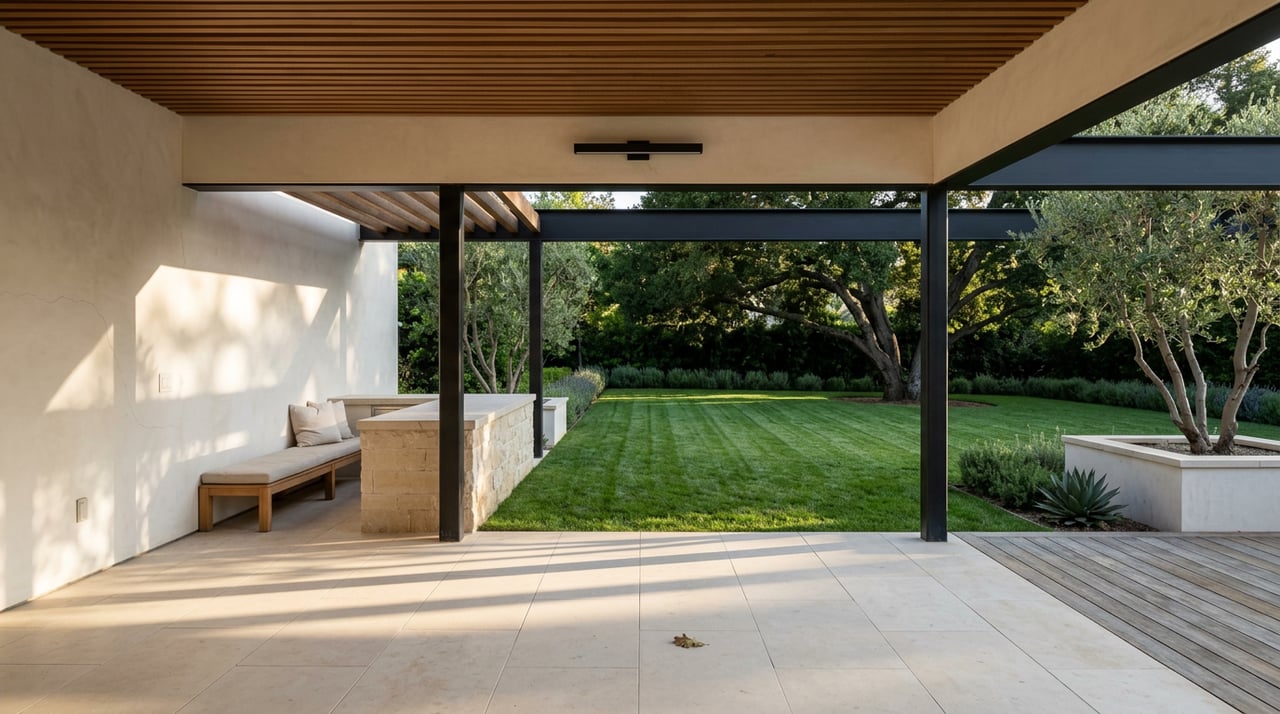
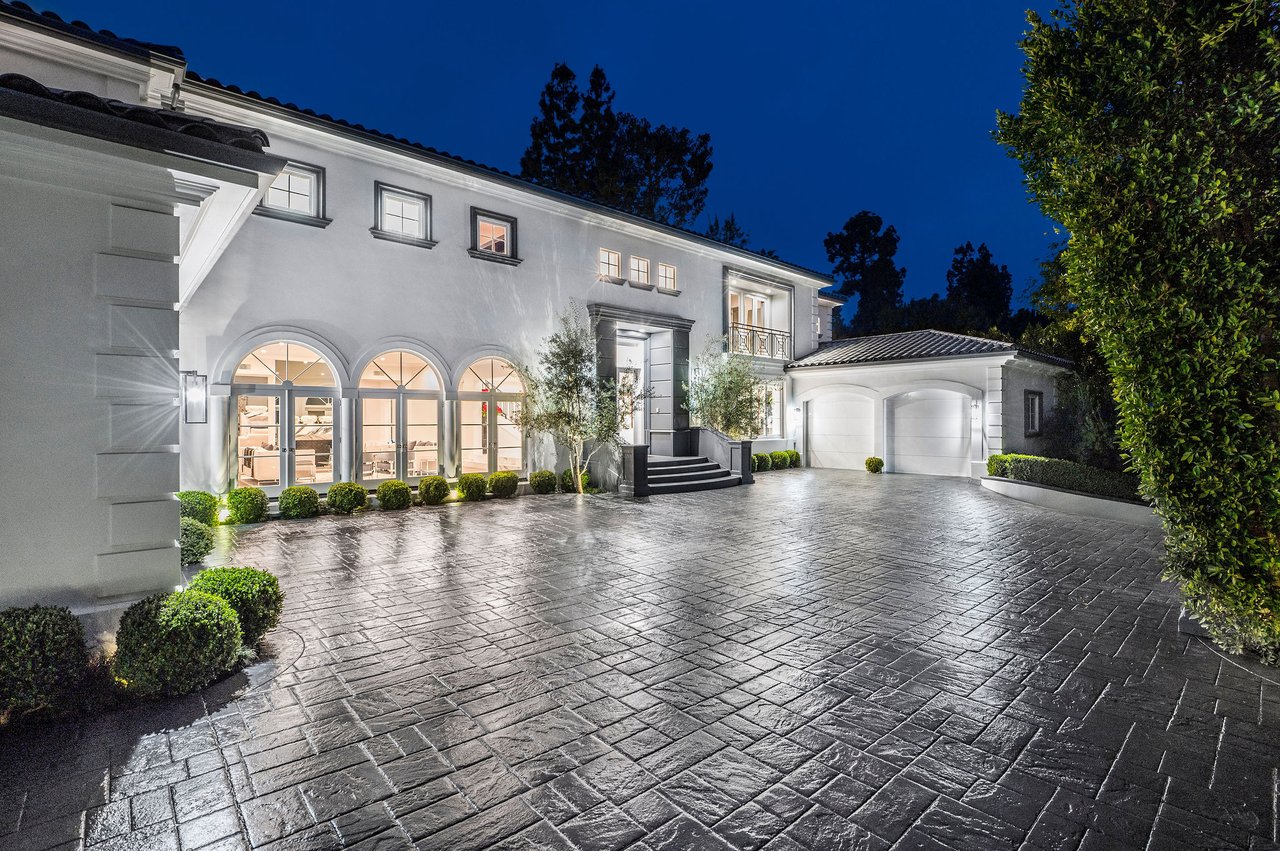
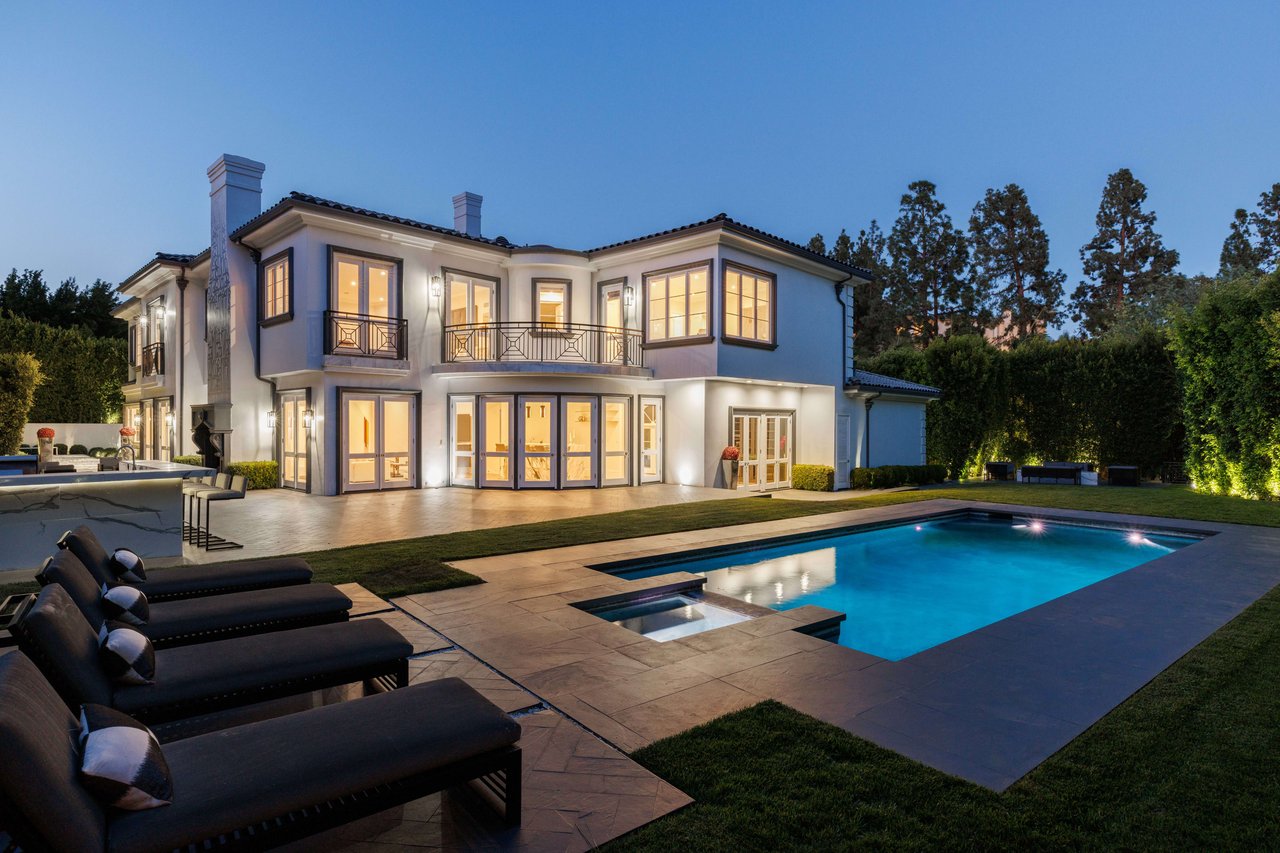
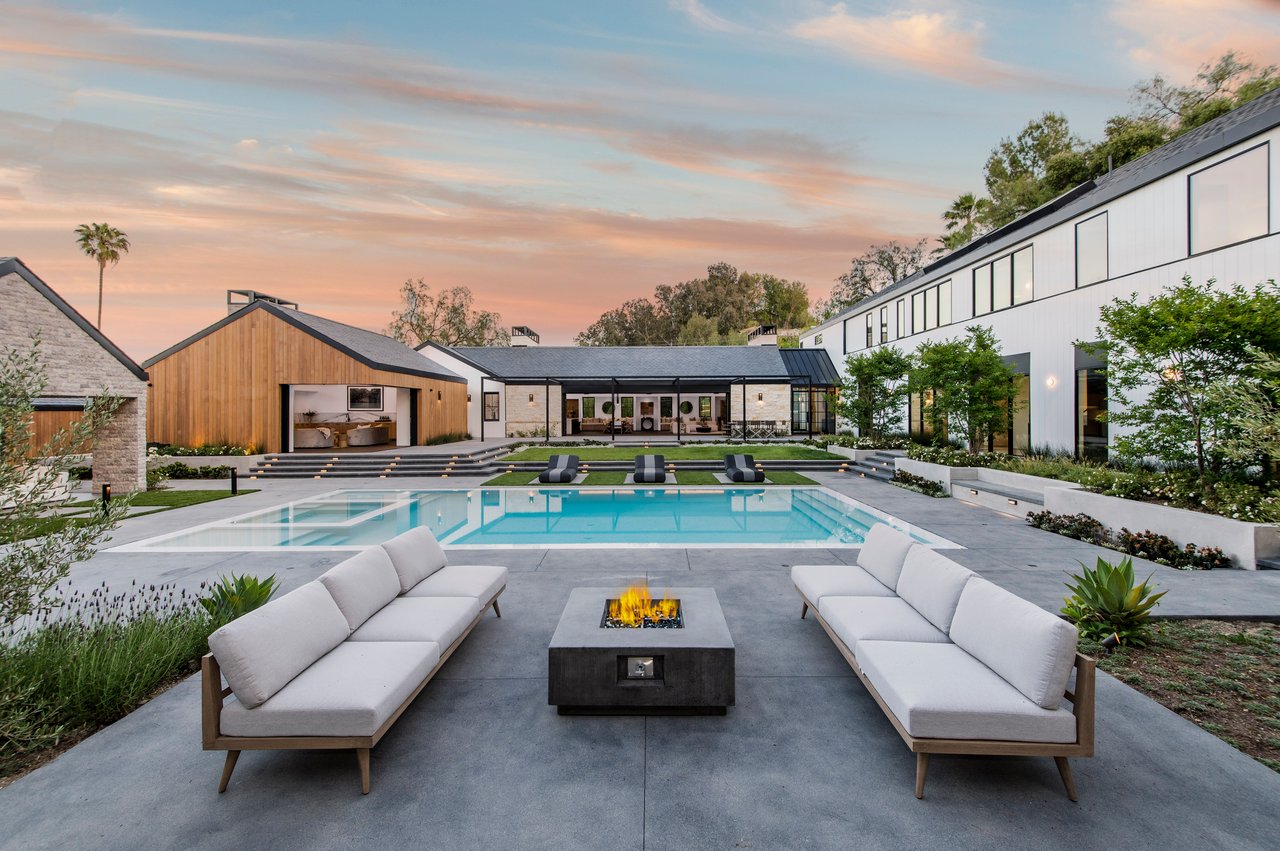
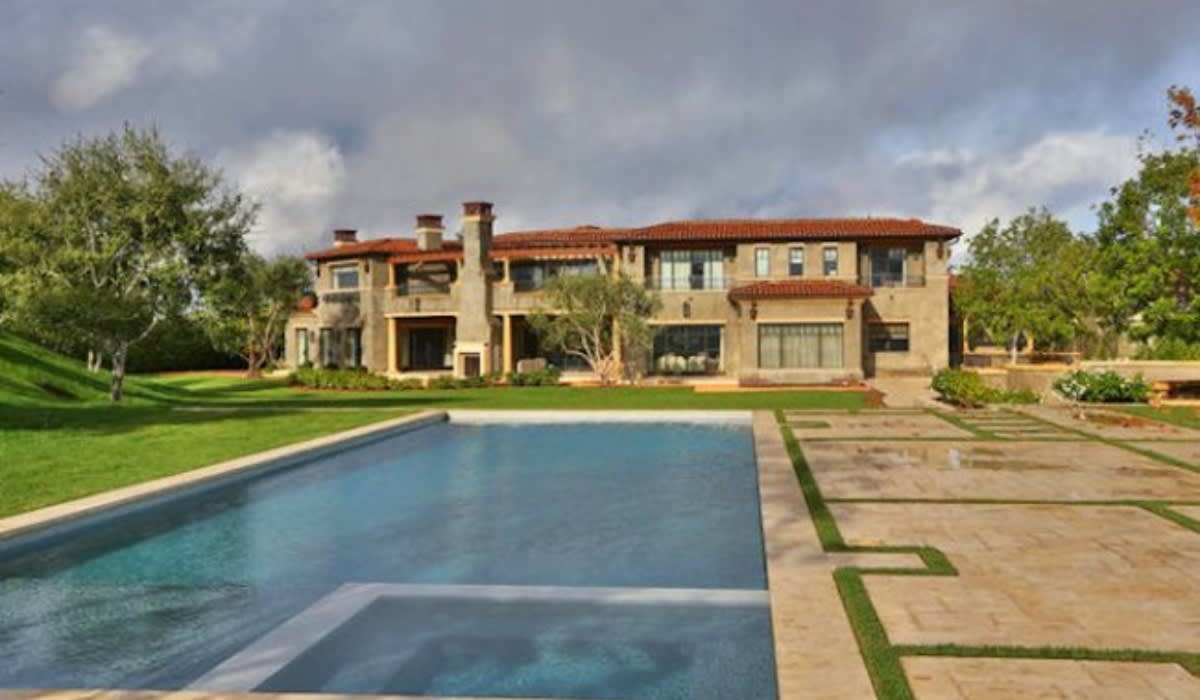
That architectural logic continues in newer luxury homes. Recent project coverage highlights one-story or stepped forms, expansive glass, limestone, preserved trees, and long plans that work with the shoreline or hillside rather than flattening it.
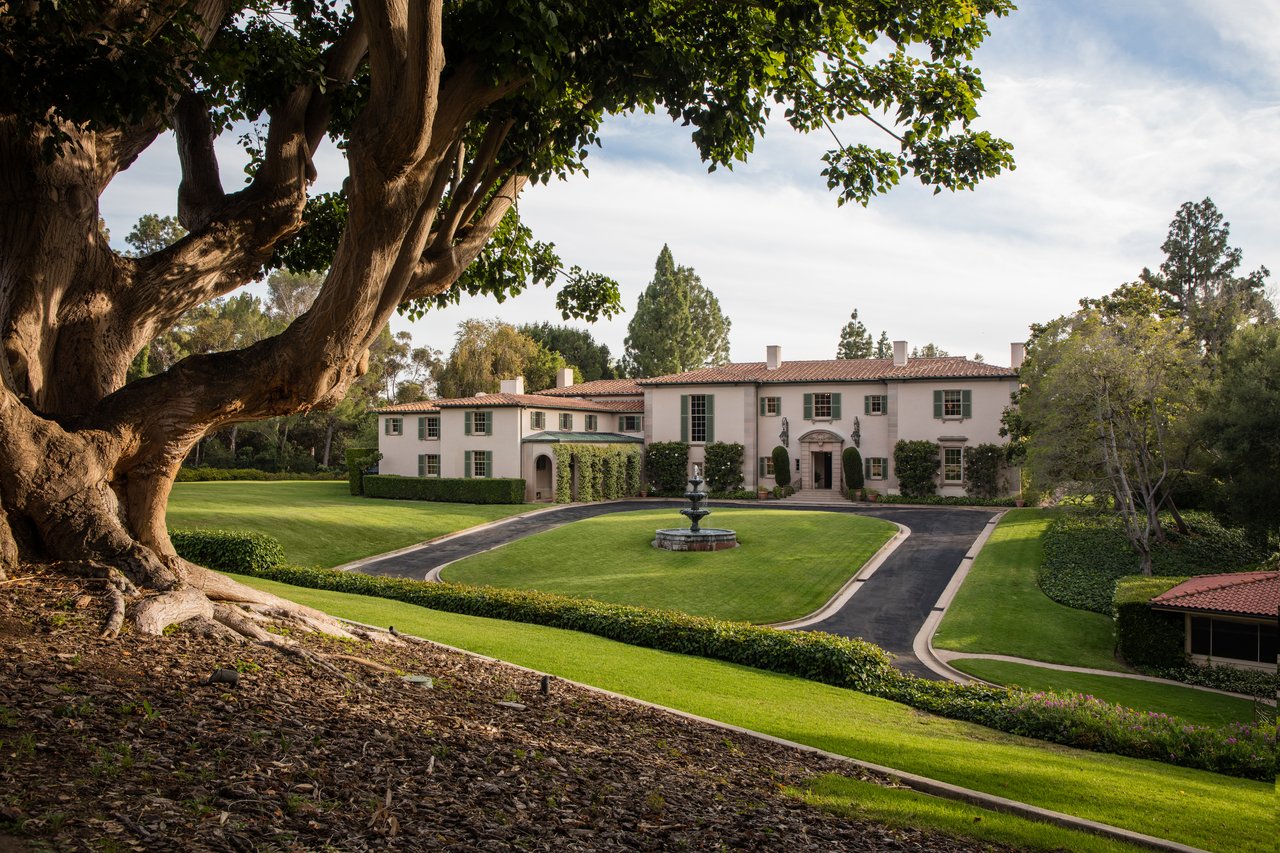
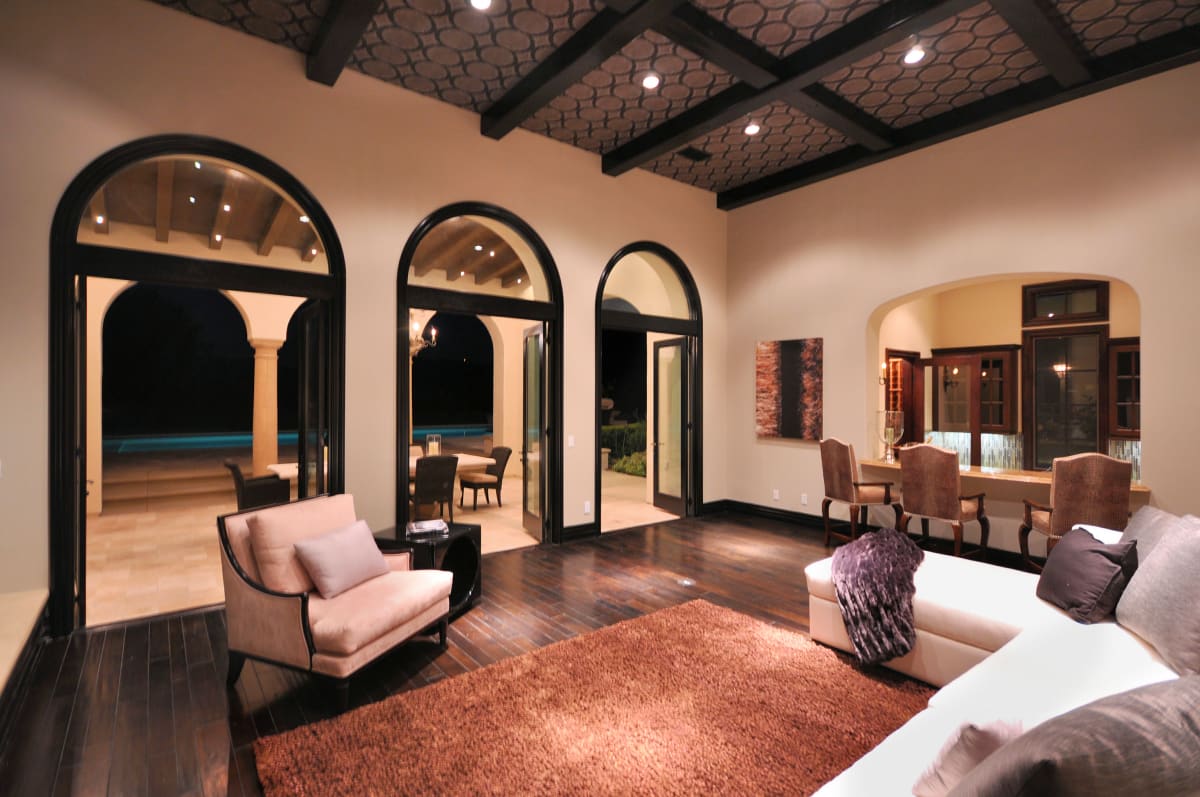
For discerning buyers, this is one of the most compelling parts of the Austin luxury market. The strongest homes often feel grounded in place, with materials and layouts that make the surrounding landscape part of the living experience.
Outdoor Access Adds Everyday Value
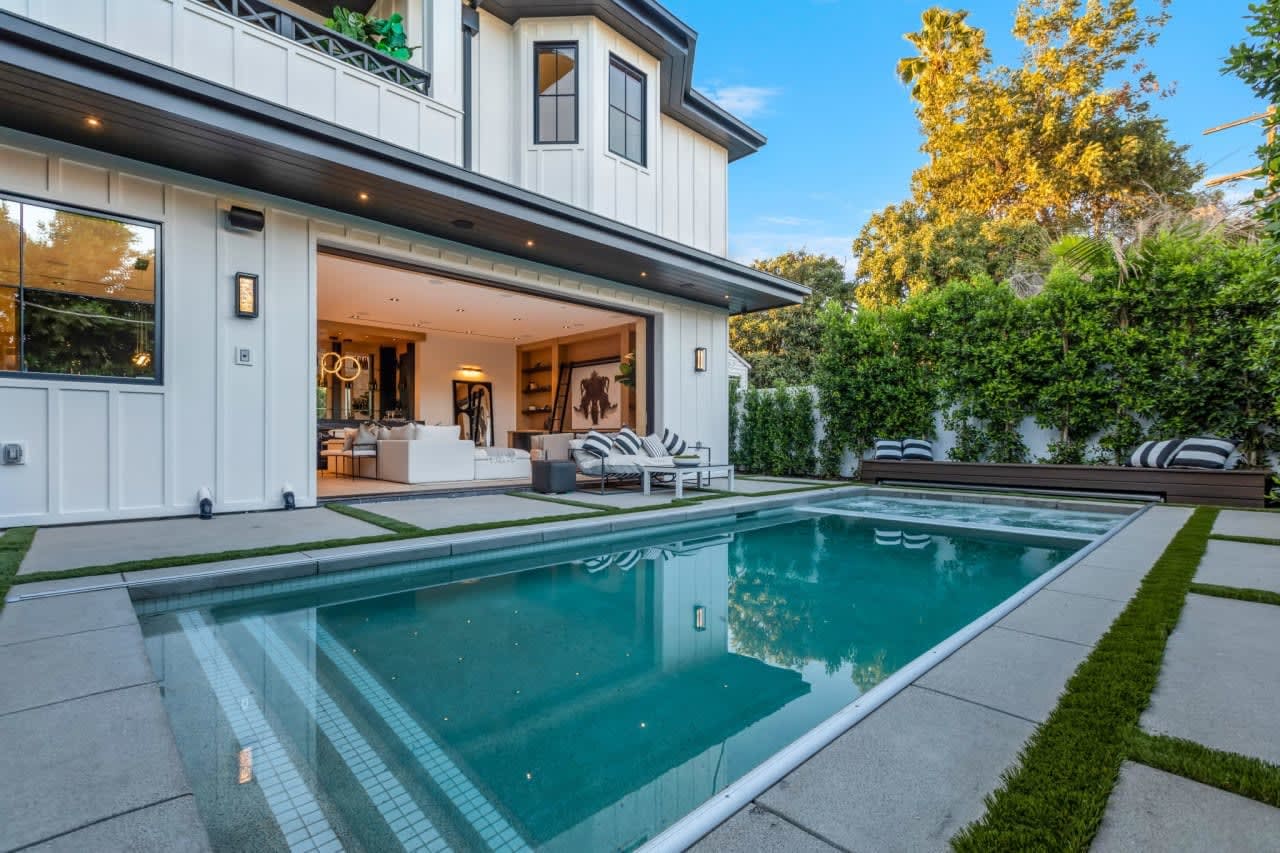
Luxury in Austin often includes direct access to outdoor recreation, not just views of it. West Austin in particular benefits from major natural assets that support an active lifestyle.
Austin Parks says the Barton Creek Greenbelt offers more than 12 miles of trails, swimming holes, and limestone cliffs. Its trailheads create direct access to the landscape from west Austin.
The Violet Crown Trail system adds to that appeal. The city says the system begins at Zilker and is planned as a 30-mile regional trail linking natural areas, neighborhoods, and the Wildflower Center.
If you are relocating from another luxury market, this is an important part of Austin’s appeal. The outdoor infrastructure is not incidental. It is woven into how many buyers experience daily life, from morning trail access to weekends built around water and open space.
What the Market Backdrop Means Now
Luxury decisions still happen within a broader housing market, and today’s Austin-area numbers support a more selective approach. Unlock MLS reported that the Austin-Round Rock-San Marcos MSA median home price was $430,000 in February 2025, down 3.9% year over year, with inventory at 5.7 months.
In April 2025, Unlock MLS reported inventory at 5.6 months and a median price of $450,000. While these figures reflect the broader market rather than only the luxury segment, they suggest a climate where comparison and careful evaluation matter.
For you, that can be a useful signal. In an environment with more choice, quality differences stand out more clearly, especially in luxury categories where architecture, land, views, waterfront usability, and location precision carry outsized importance.
This is not a market to approach casually. It is a market that rewards clarity on what is truly rare and what is merely well presented.
How to Evaluate Austin Hill Country Luxury
If you are considering a move into Austin’s Hill Country or waterfront luxury market, focus on the qualities that are hardest to replicate.
Key factors to compare include:
- Proximity to downtown Austin and major travel corridors
- Topography, privacy, and view protection
- Architectural quality and site responsiveness
- Waterfront behavior, shoreline usability, and dock status
- Access to trails, greenbelts, marinas, and outdoor amenities
- Verified school attendance boundaries when relevant to your search
The right property is usually not defined by a single feature. It is the combination of land, design, access, and long-term livability that tends to separate a good home from an exceptional one.
In a market like west Austin, nuance matters. That is especially true if you are balancing lifestyle goals with investment discipline, relocation timing, or a desire for a truly distinctive property.
If you are exploring Austin, Lakeway, Bee Cave, or the Hill Country luxury market, The Fridman Group offers the discreet, design-aware guidance needed to evaluate exceptional homes with confidence.
FAQs
What makes Austin Hill Country luxury homes different from other Austin properties?
- Austin Hill Country luxury homes are often shaped by hilly terrain, limestone landscapes, preserved trees, and view-oriented design, especially in west-side areas such as West Lake Hills and Rollingwood.
What is the difference between Lake Austin and Lake Travis for waterfront buyers?
- Lake Travis is a water-supply reservoir designed to fluctuate, while Lake Austin generally operates within about a one-foot range, which can affect shoreline use and day-to-day waterfront experience.
What should you check before buying waterfront property in Austin?
- You should review dock rules, shoreline access, lake-level behavior, and any permitting requirements, especially because Lake Austin and the Highland Lakes follow different oversight rules.
Why is Lakeway popular for luxury buyers near Austin?
- Lakeway offers a resort-style setting on the south shore of Lake Travis with marinas, golf courses, tennis courts, trails, greenbelts, and other recreation-focused amenities.
How close are West Lake Hills and Rollingwood to downtown Austin?
- Travis County’s historical survey places West Lake Hills and Rollingwood about six miles west of downtown Austin, making them relatively close-in options for luxury buyers seeking privacy and scenery.