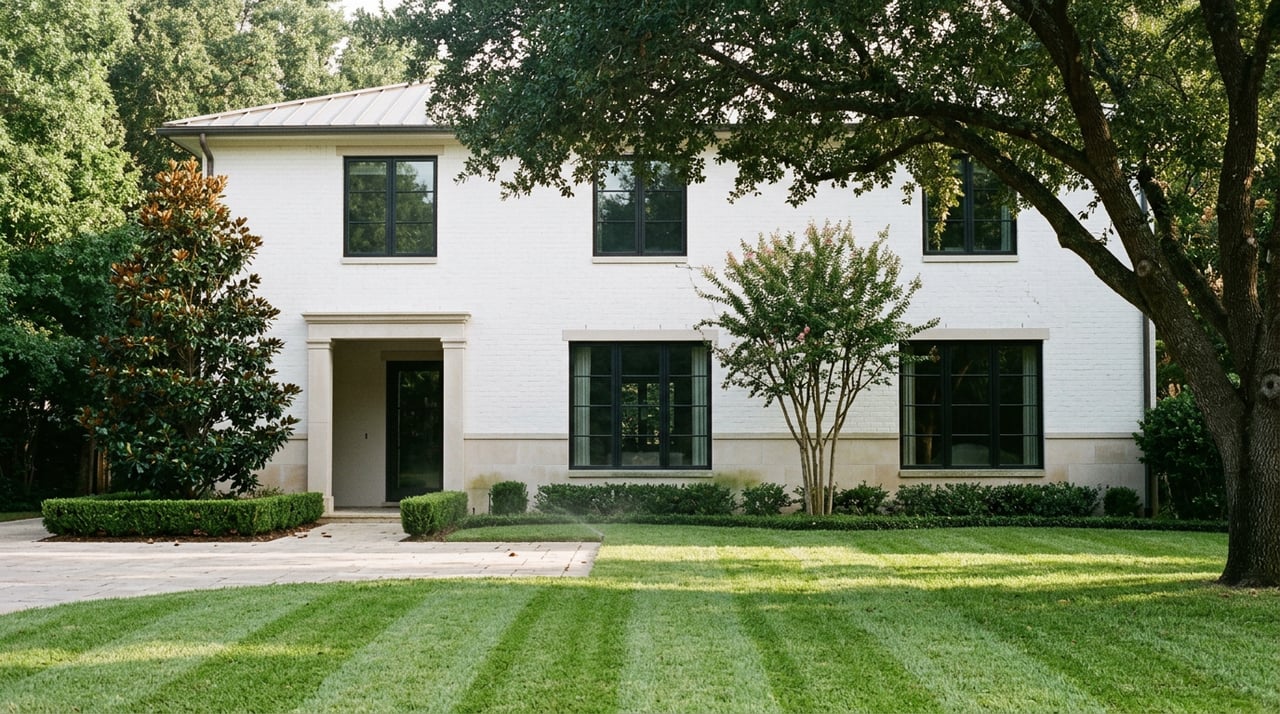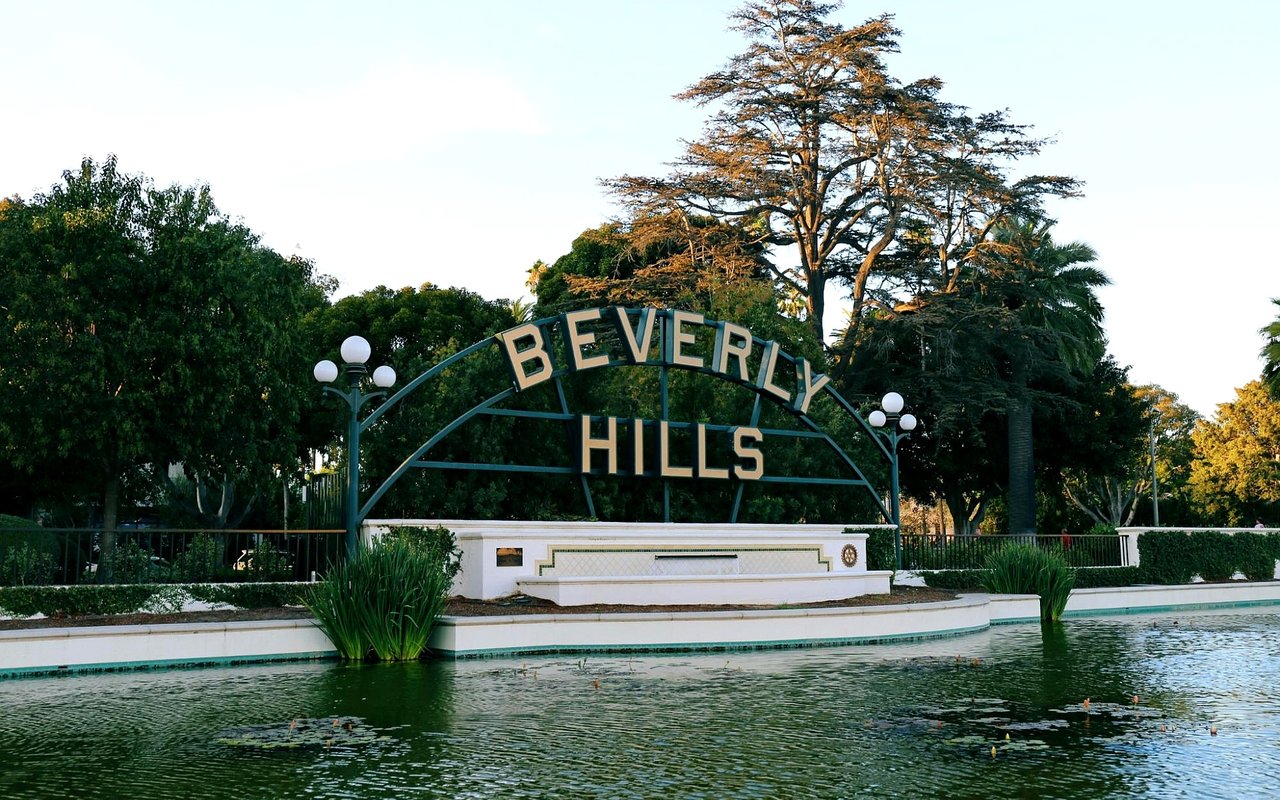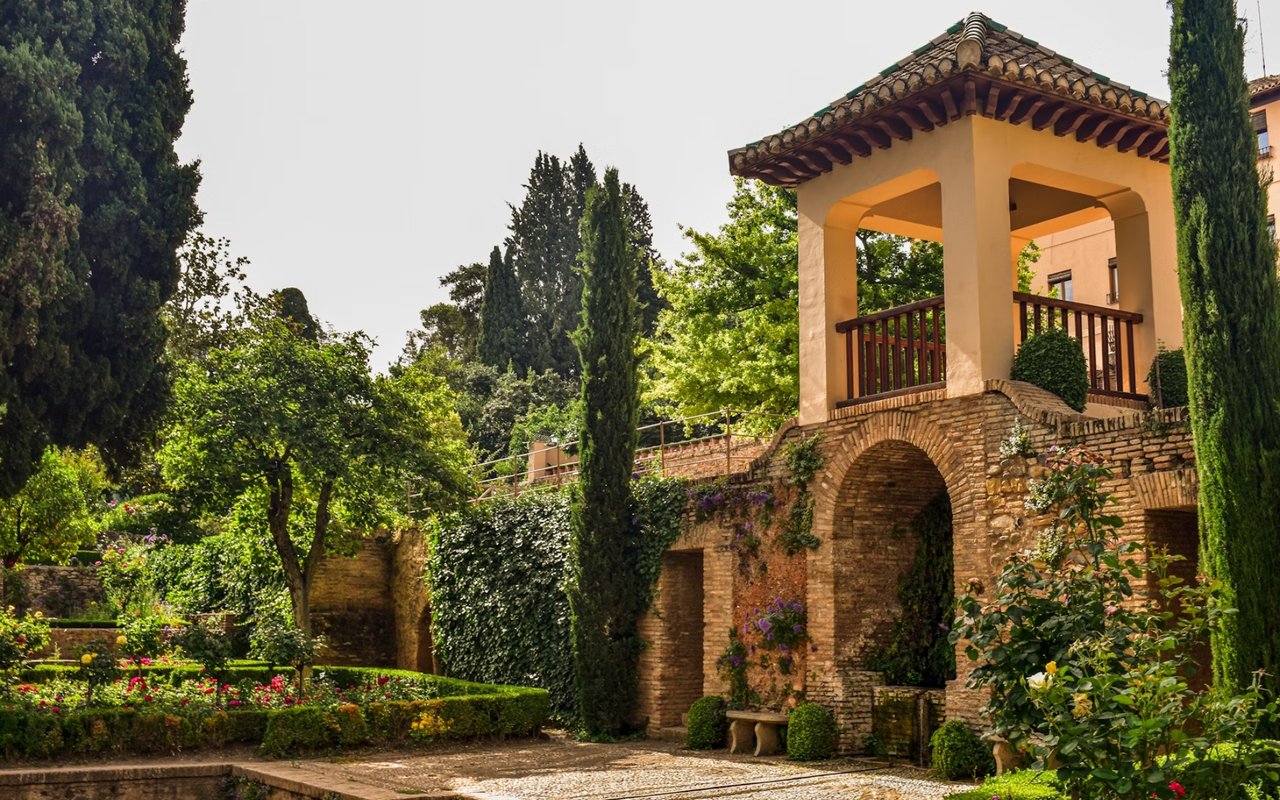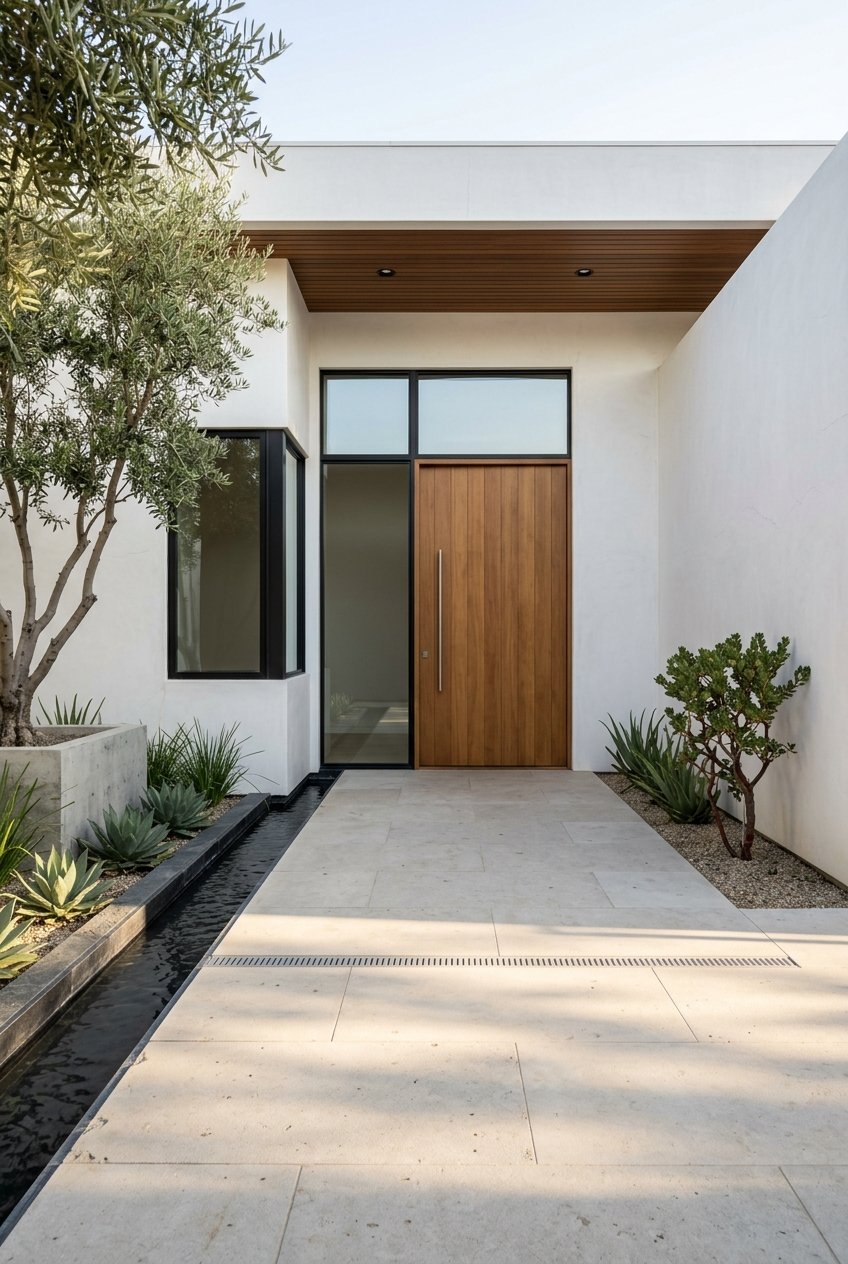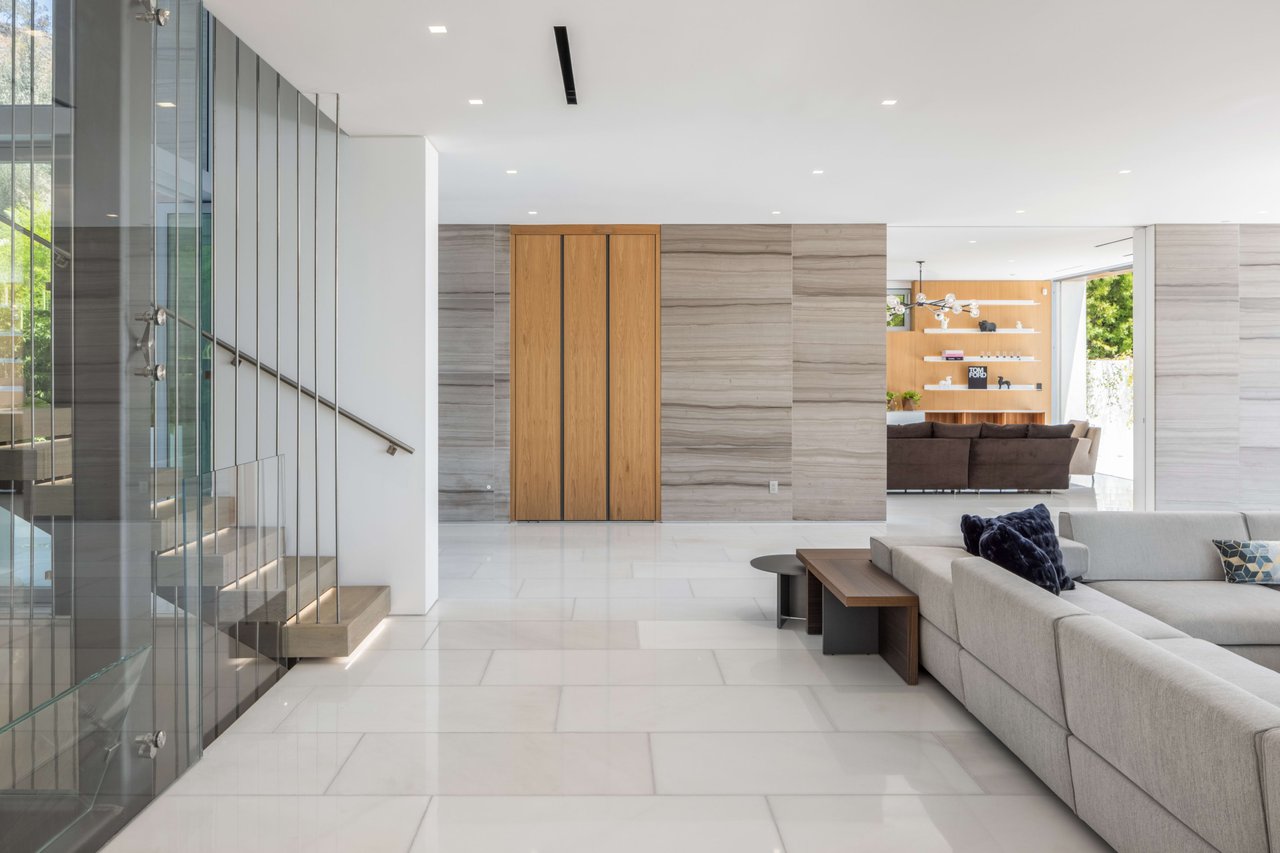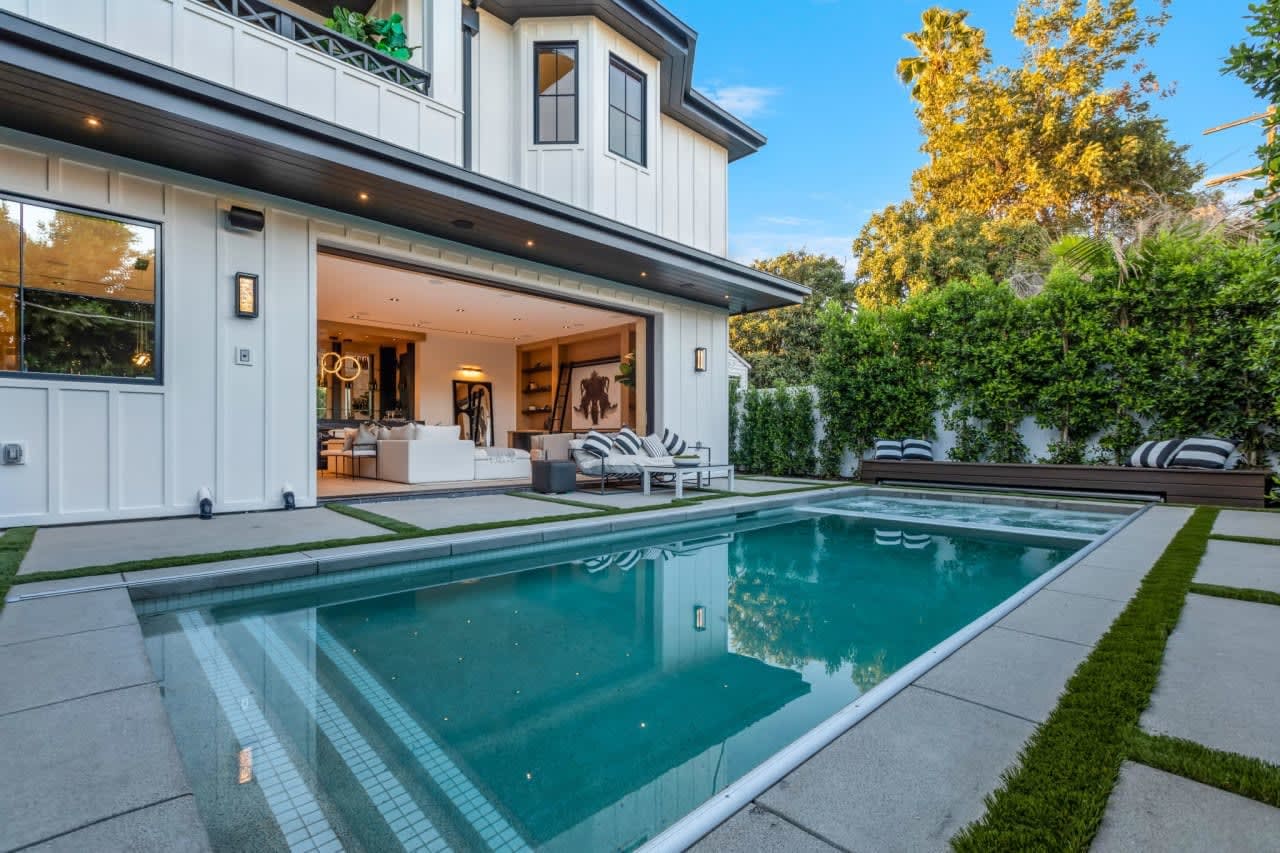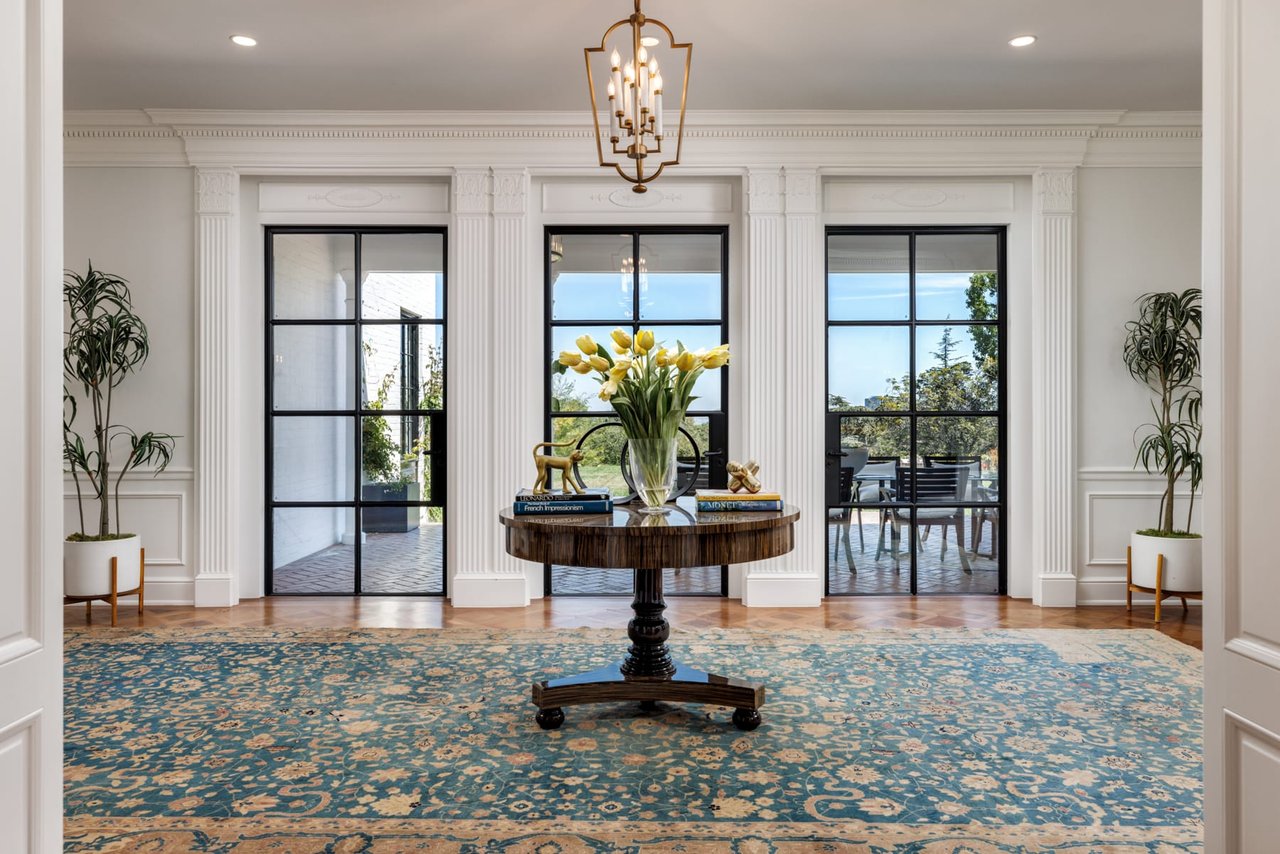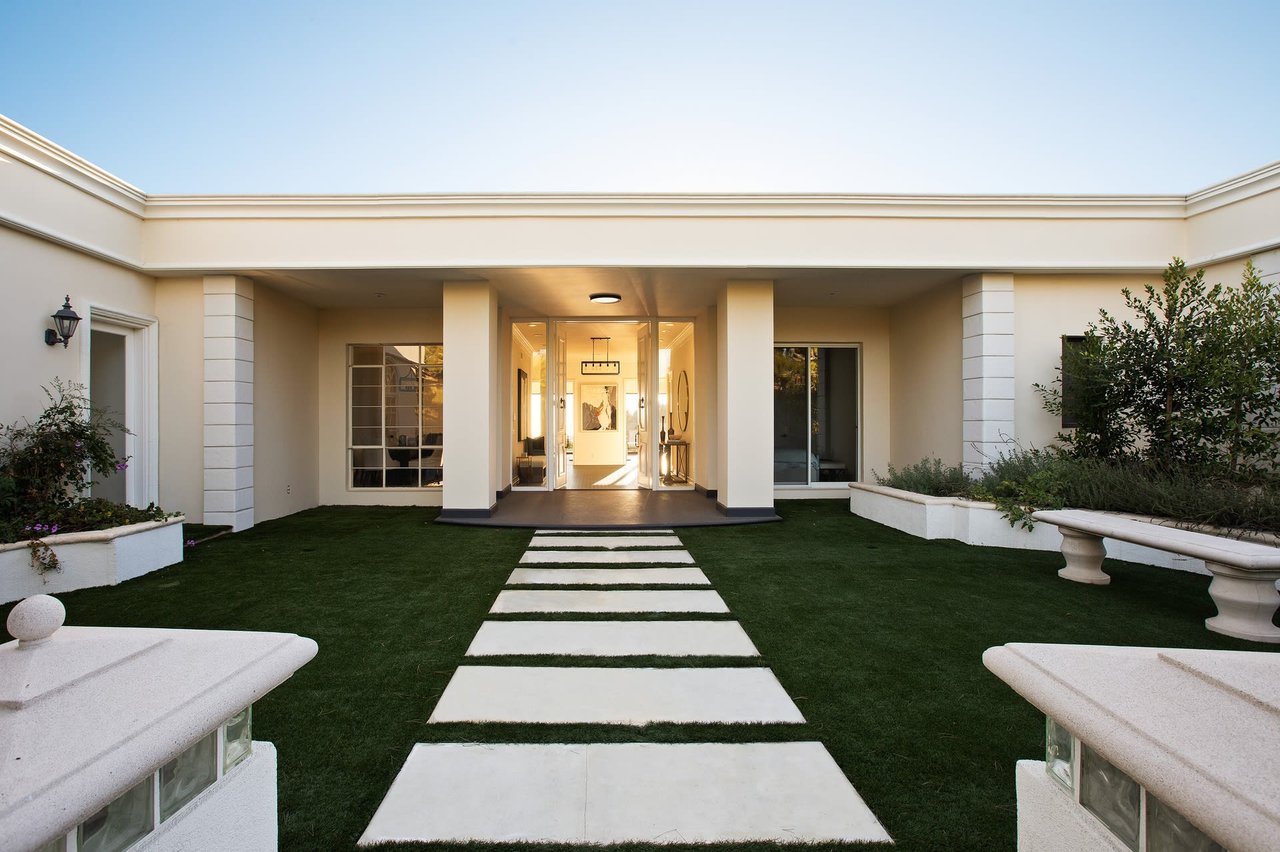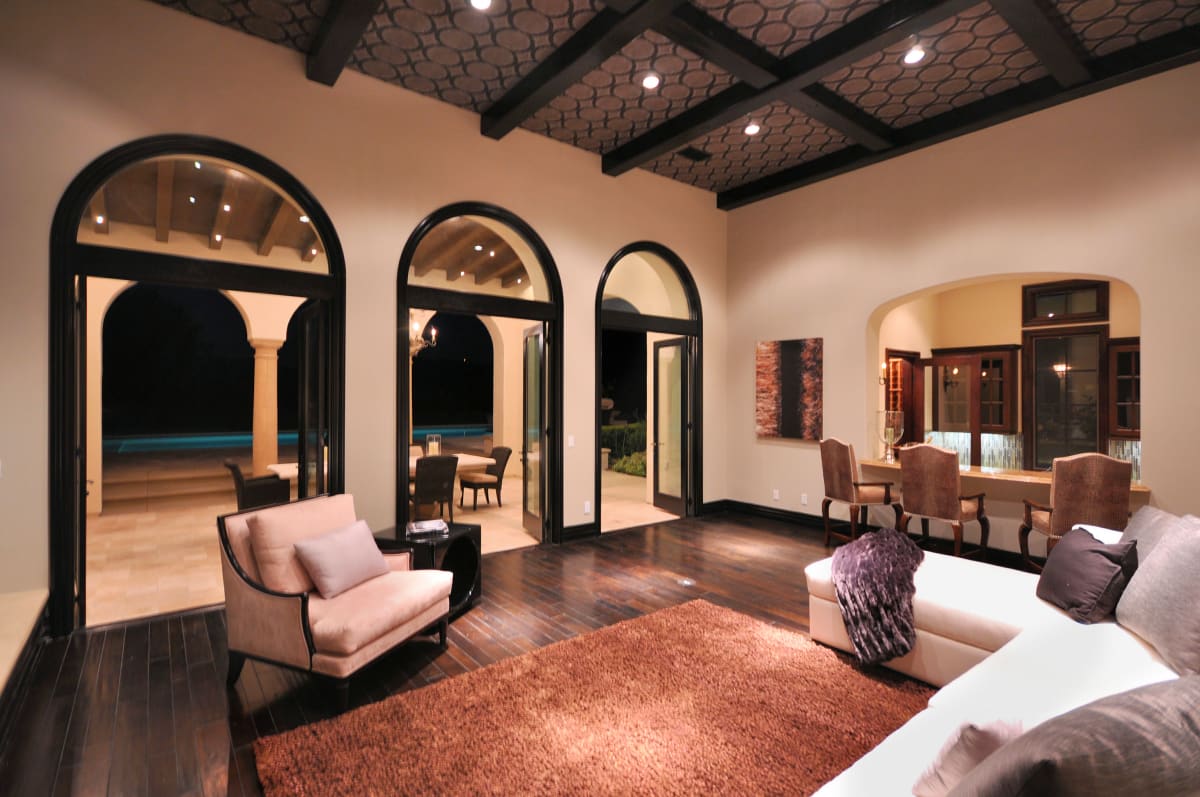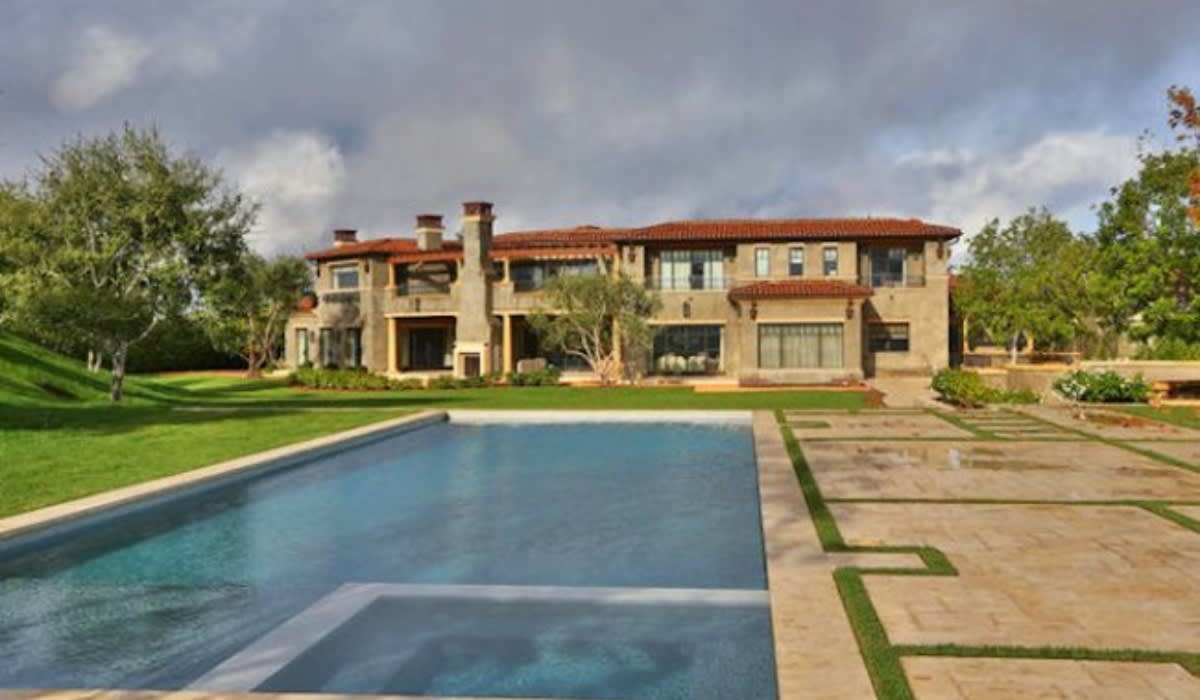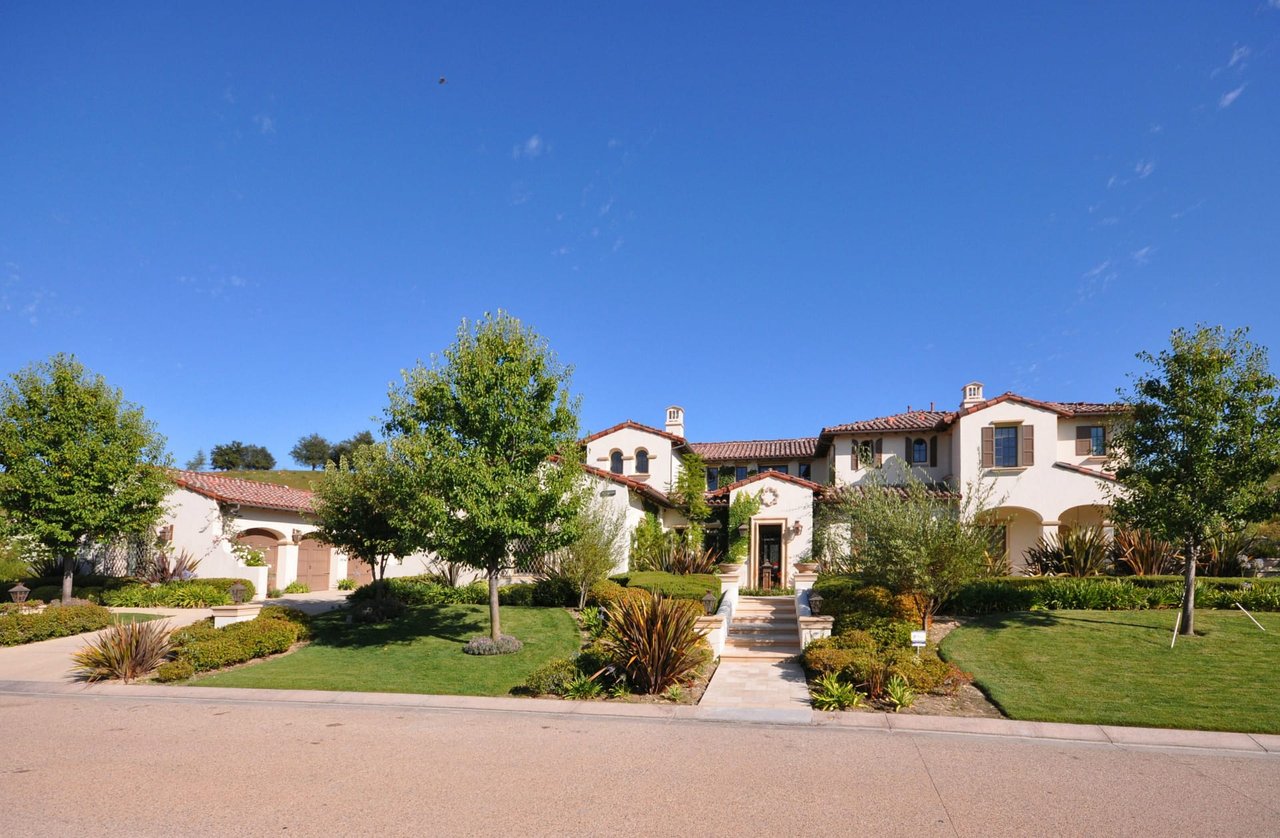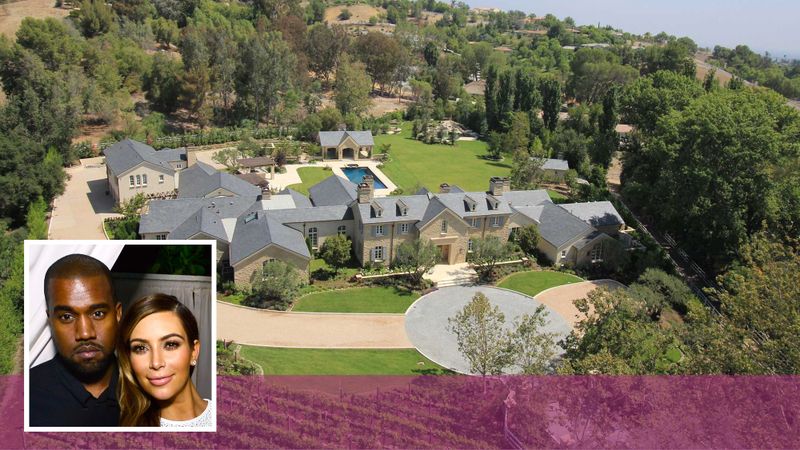
Choosing between Bel Air and Beverly Hills is not really about picking the more famous name. It is about deciding how you want to live, how much privacy you want, and what kind of daily rhythm fits you best. If you are weighing both addresses, the details matter, and understanding how these two markets function can make your search far more focused. Let's dive in.
Bel Air vs. Beverly Hills at a Glance
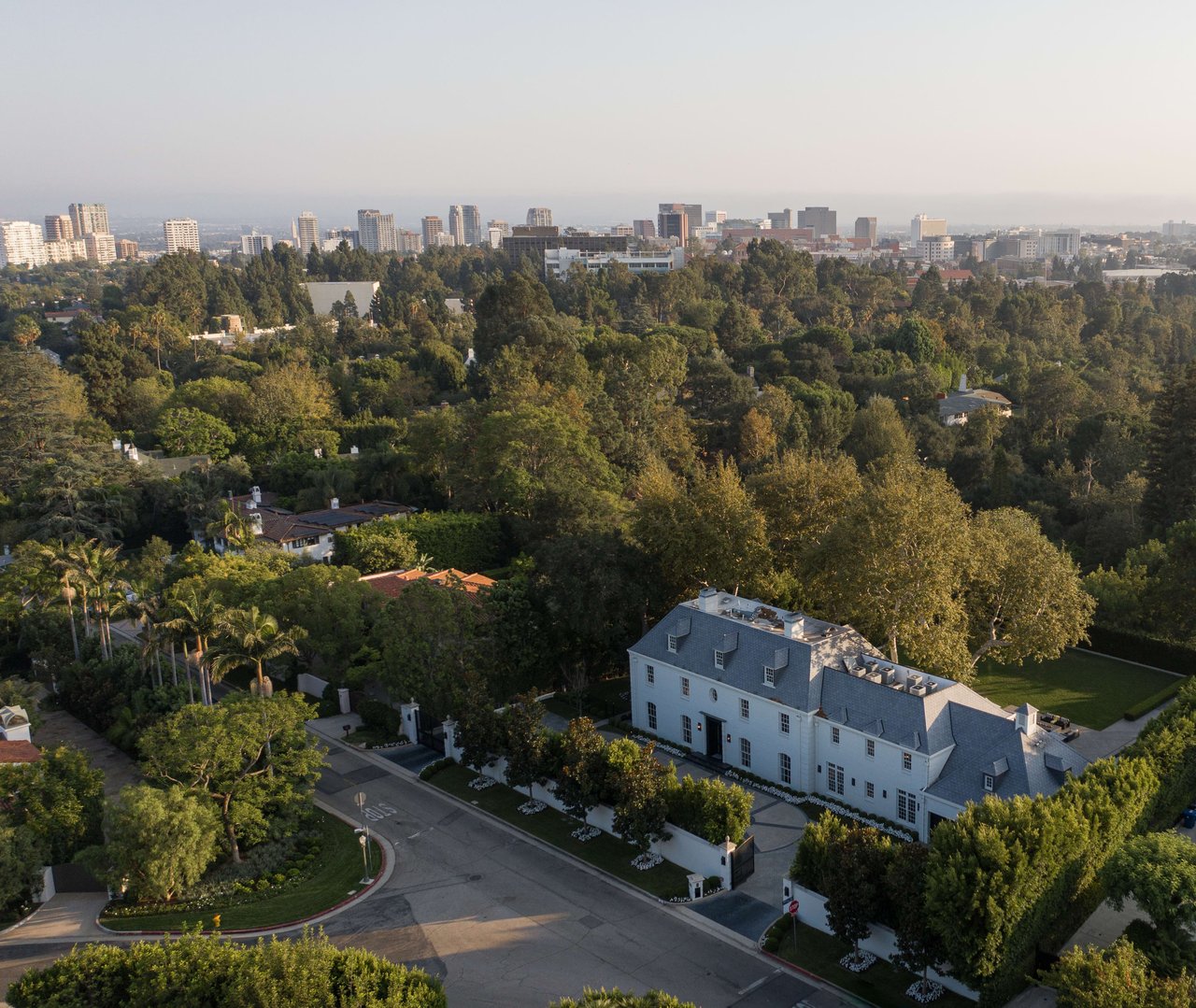
Bel Air and Beverly Hills sit close to each other, but they operate very differently. Bel Air is part of Los Angeles and is understood through Los Angeles planning and service systems, while Beverly Hills is an incorporated city with its own local government, police, and fire departments.
That difference shapes more than paperwork. Beverly Hills spans 5.7 square miles, has about 34,000 residents, and sees roughly 150,000 to 200,000 daily visitors, which gives it a more public-facing character. Bel Air, by contrast, reads as quieter, more residential, and more estate-driven.
Choose Based on Lifestyle First
The simplest way to decide is to start with your day-to-day priorities. If you want a retreat-like setting with stronger visual privacy and a more secluded feel, Bel Air often aligns more naturally. If you want a central address with easier access to restaurants, hotels, and city services, Beverly Hills often makes more sense.
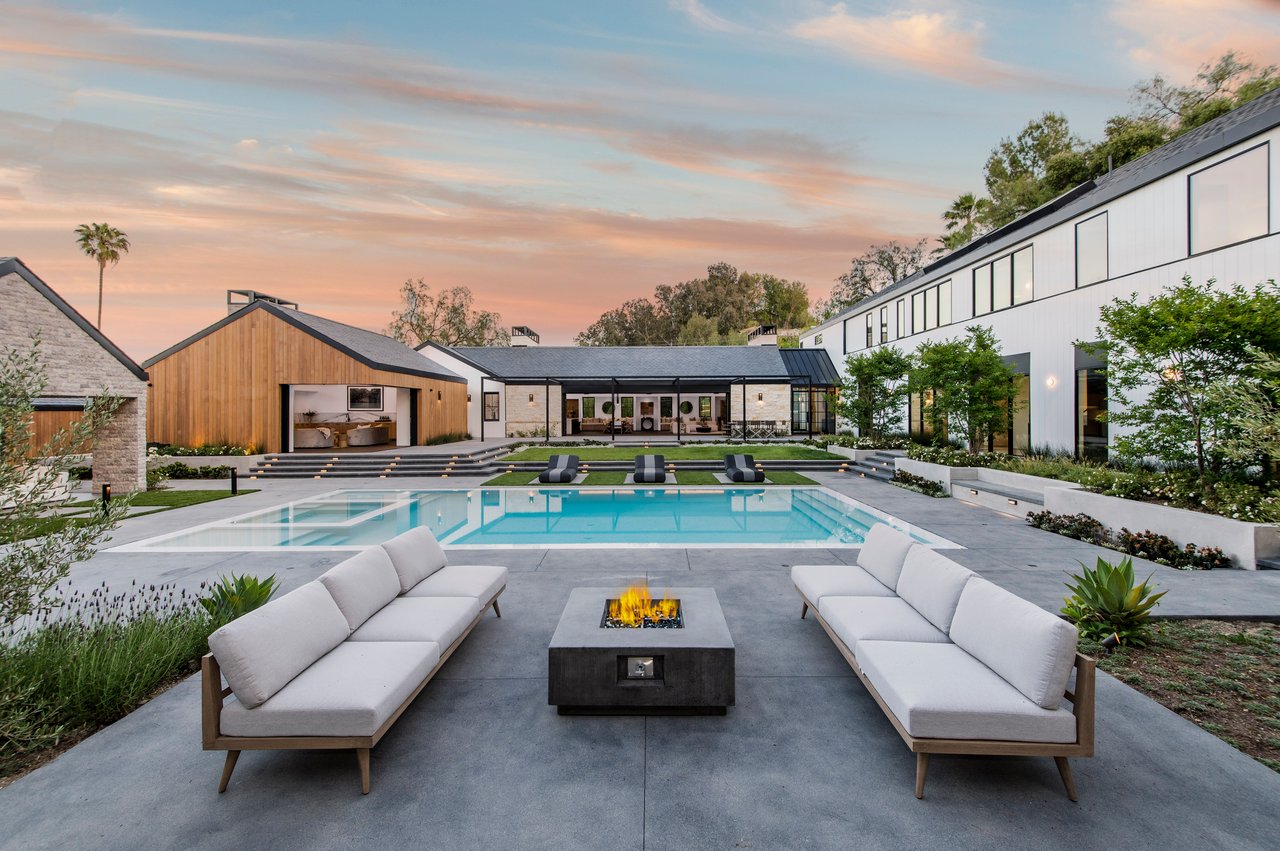
Both markets offer prestige, architectural interest, and highly sought-after housing. The difference is how that luxury shows up in everyday life. In Bel Air, it tends to feel hidden and inward-facing. In Beverly Hills, it tends to feel more connected and service-rich.
Bel Air Privacy and Estate Scale
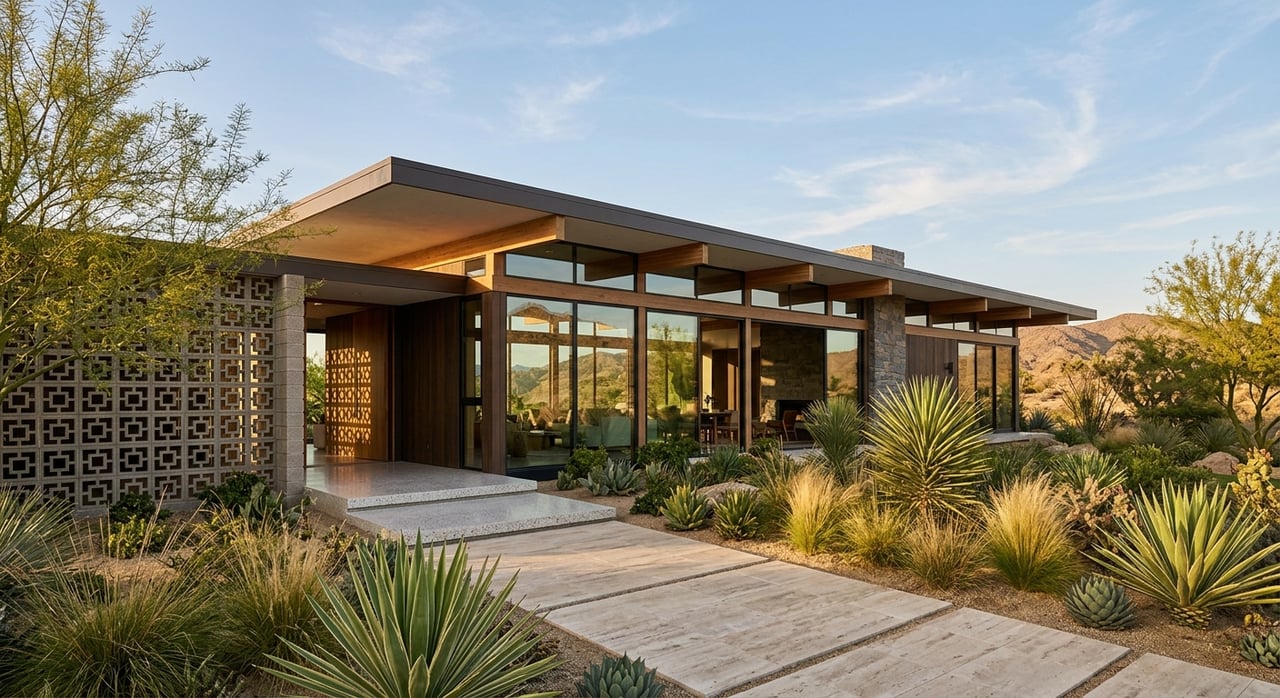
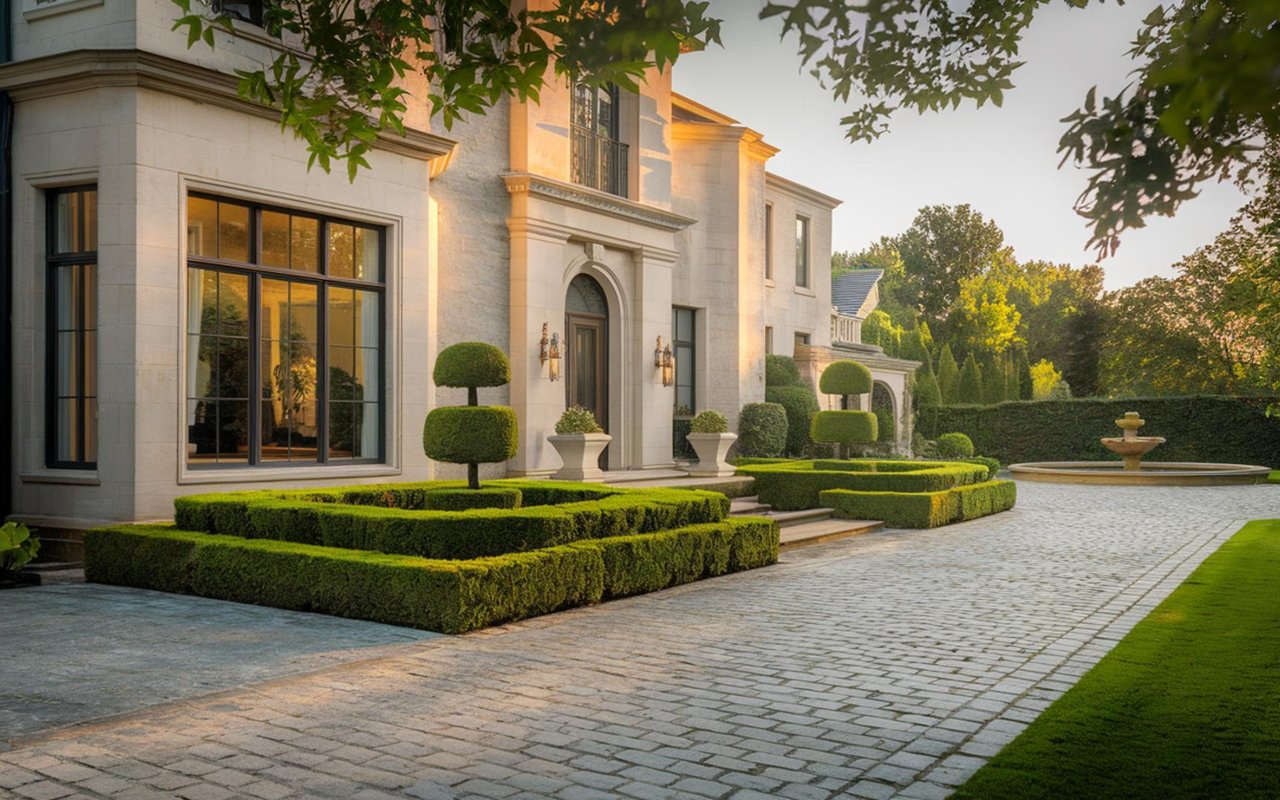
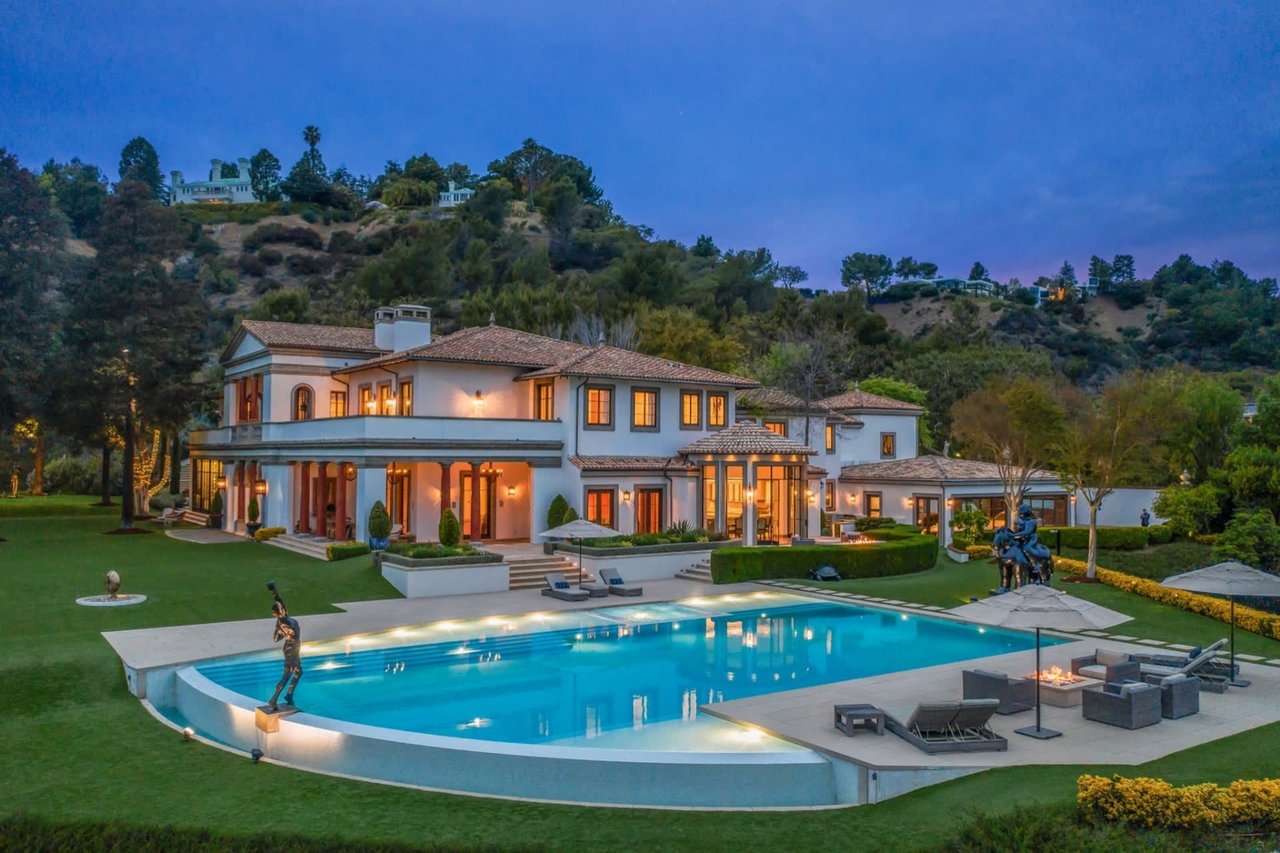
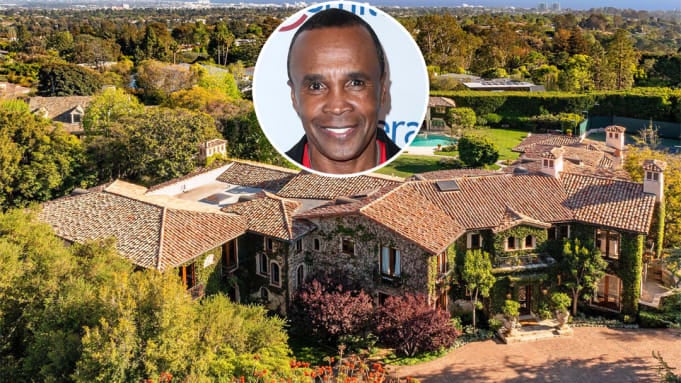
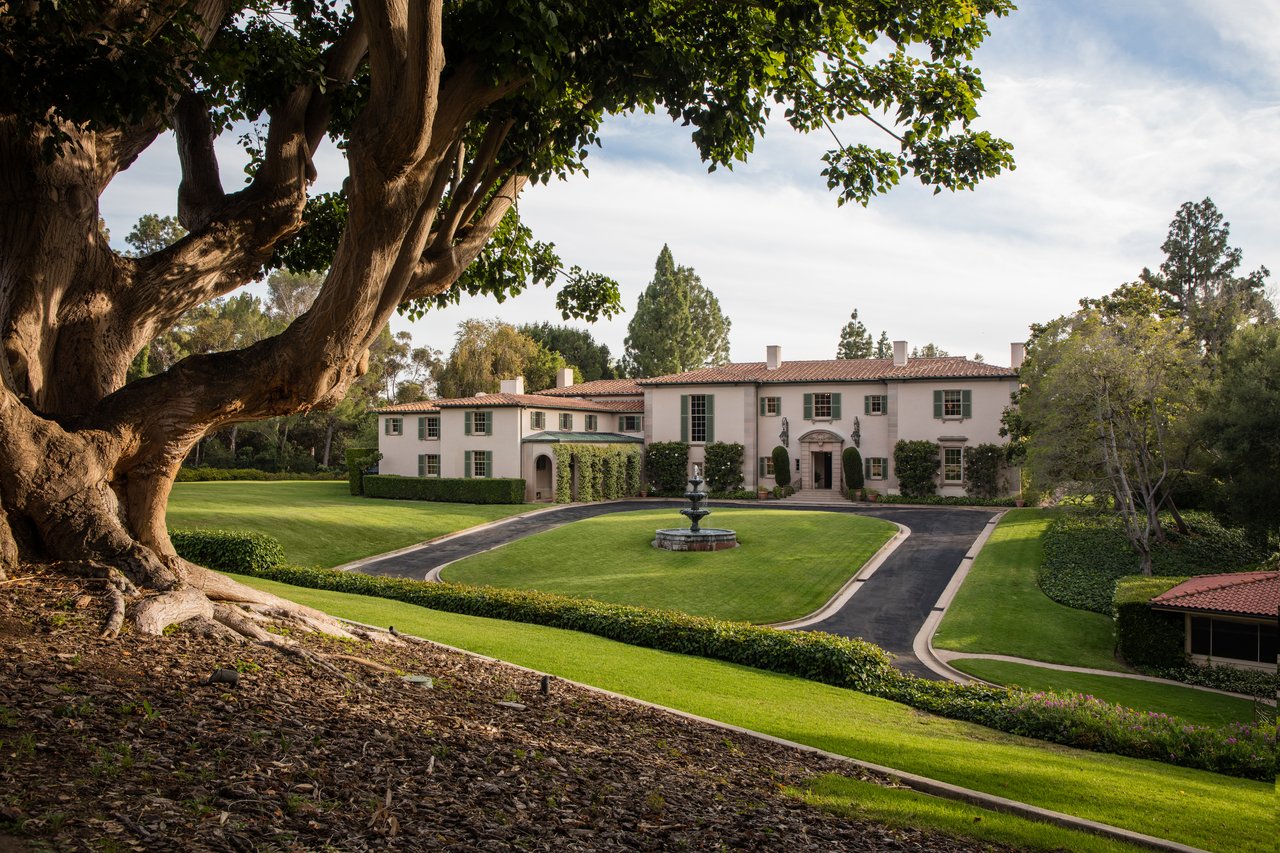
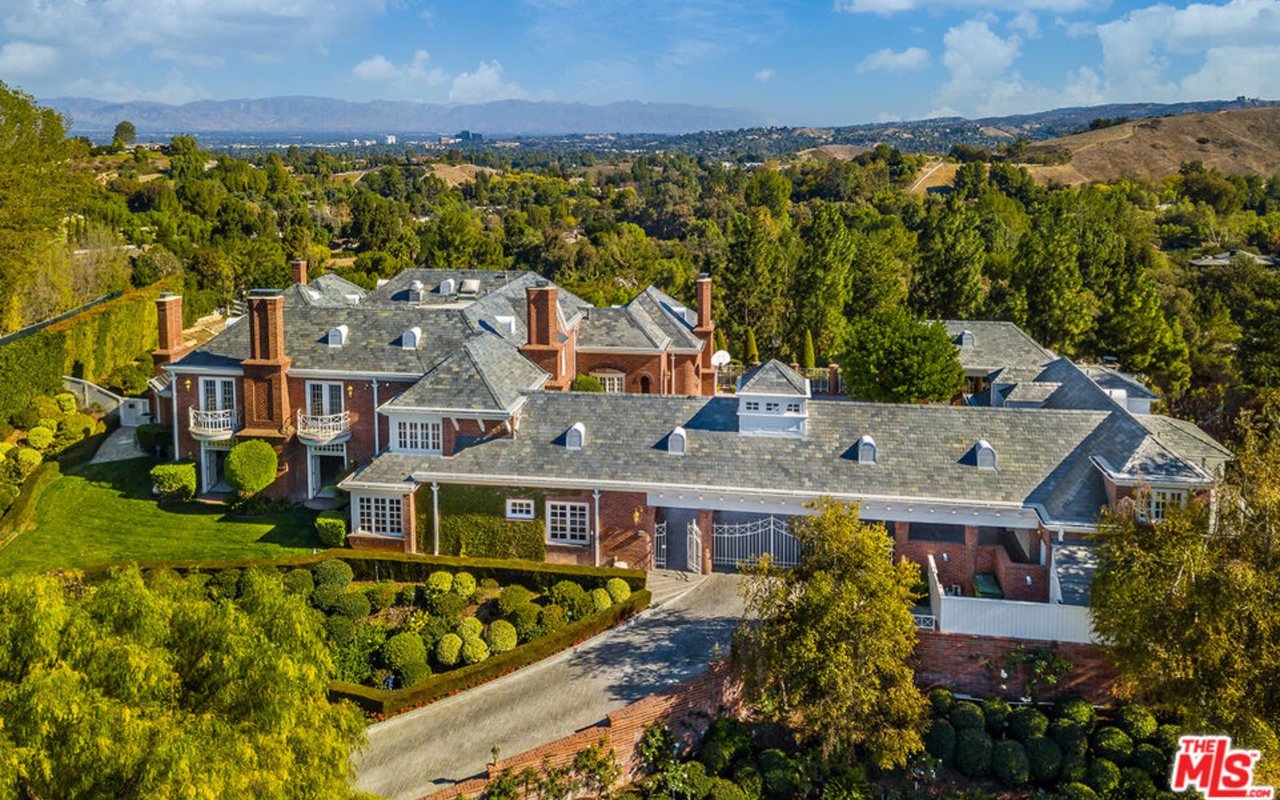
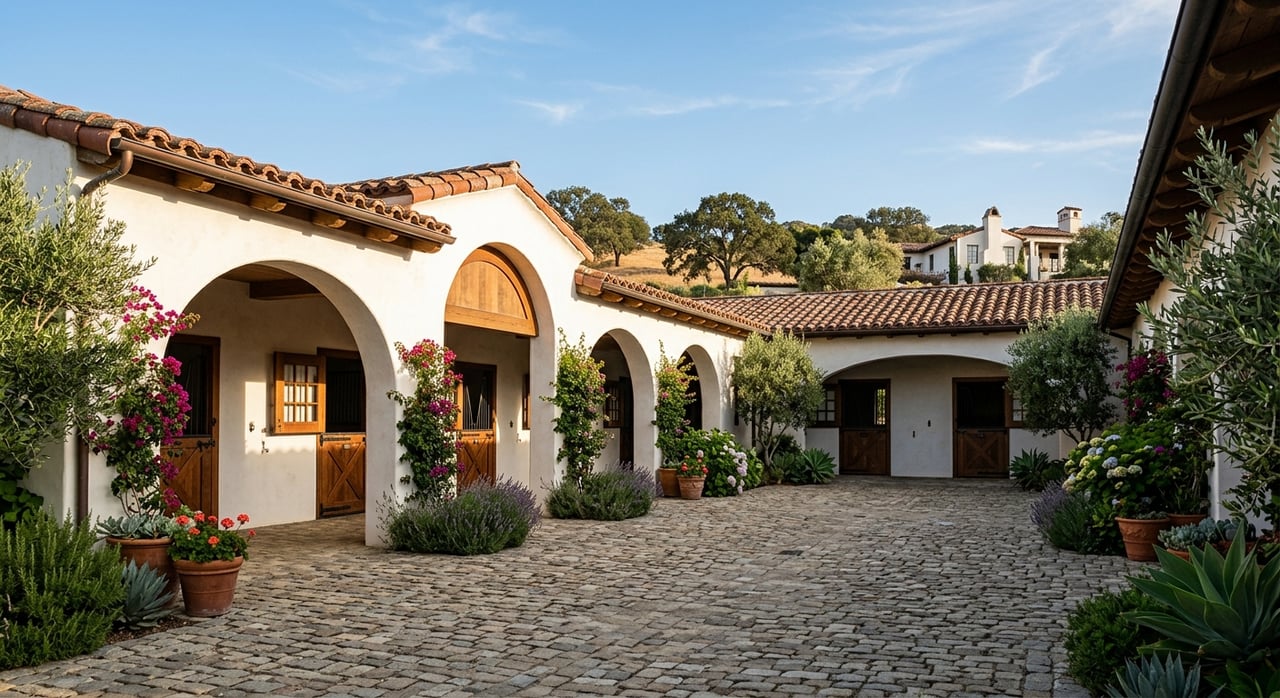
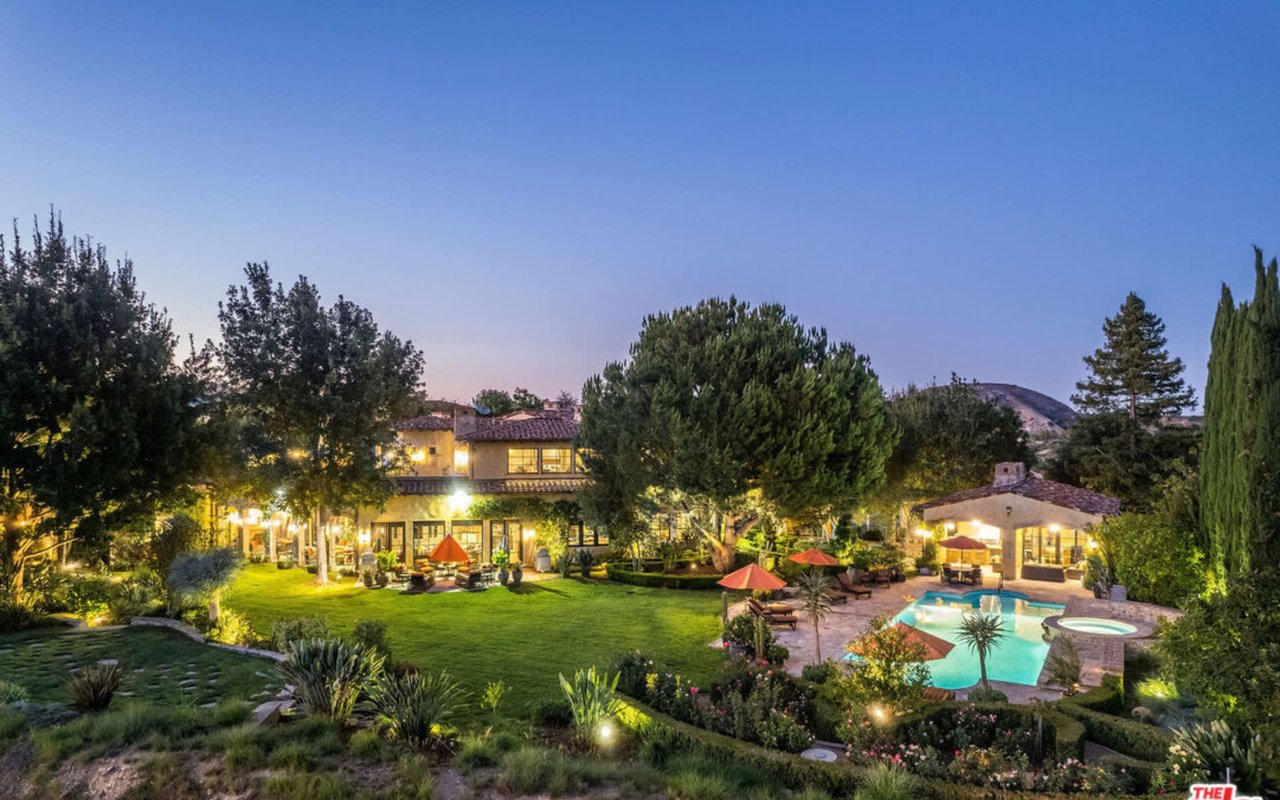
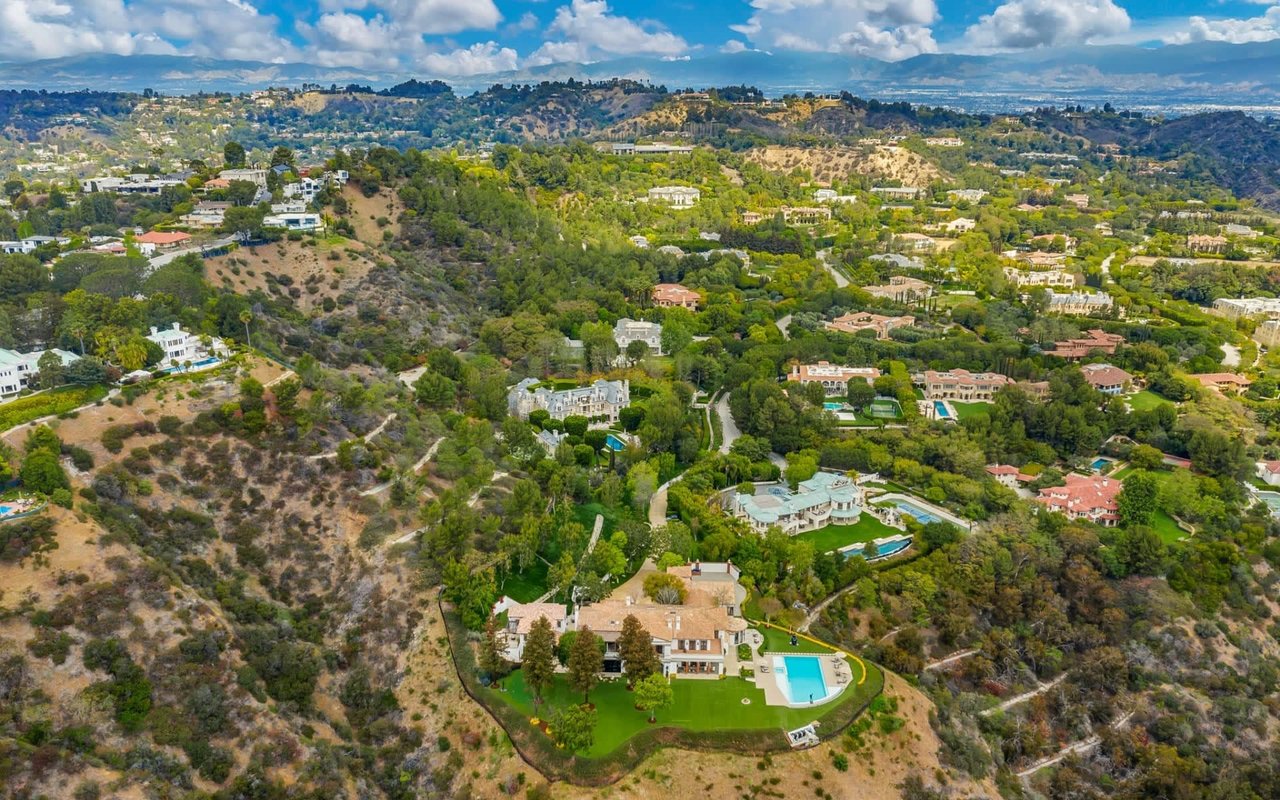
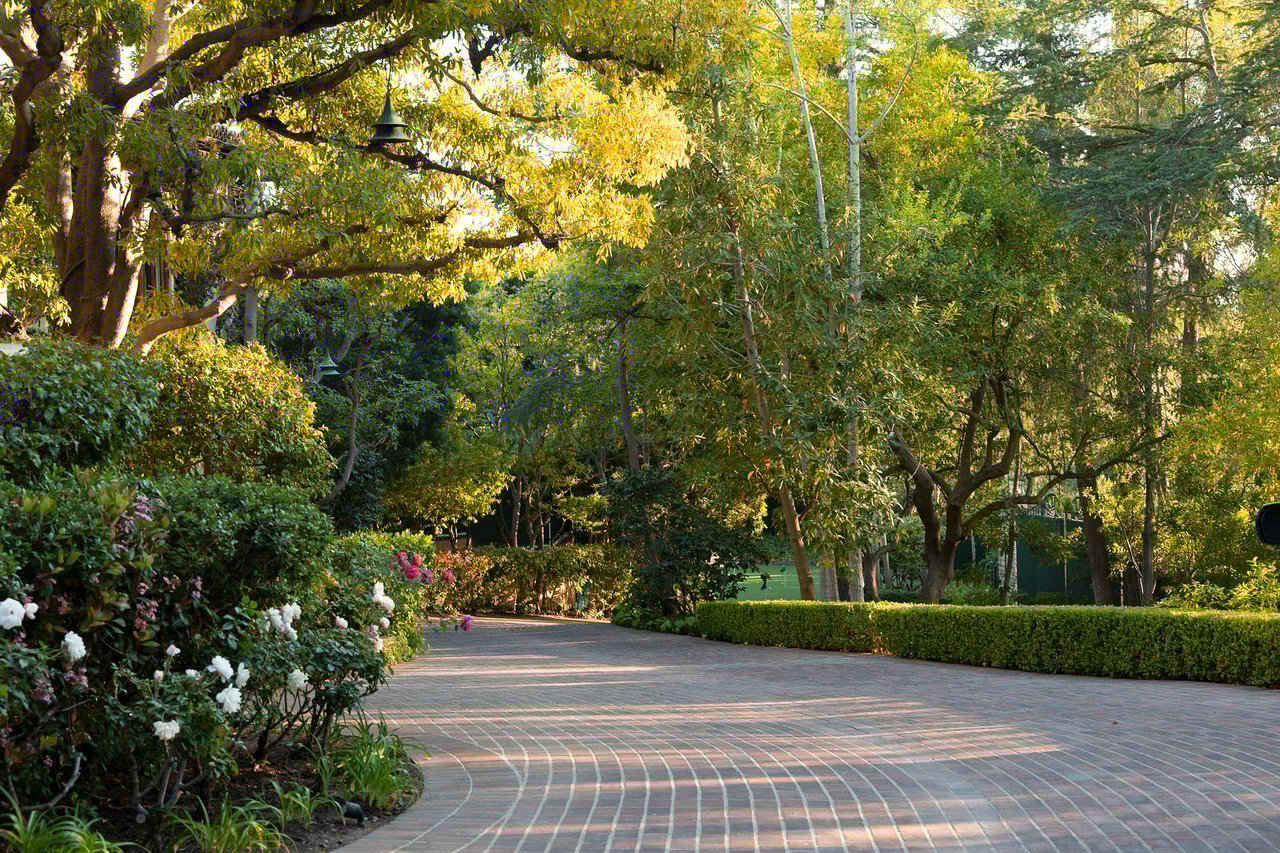
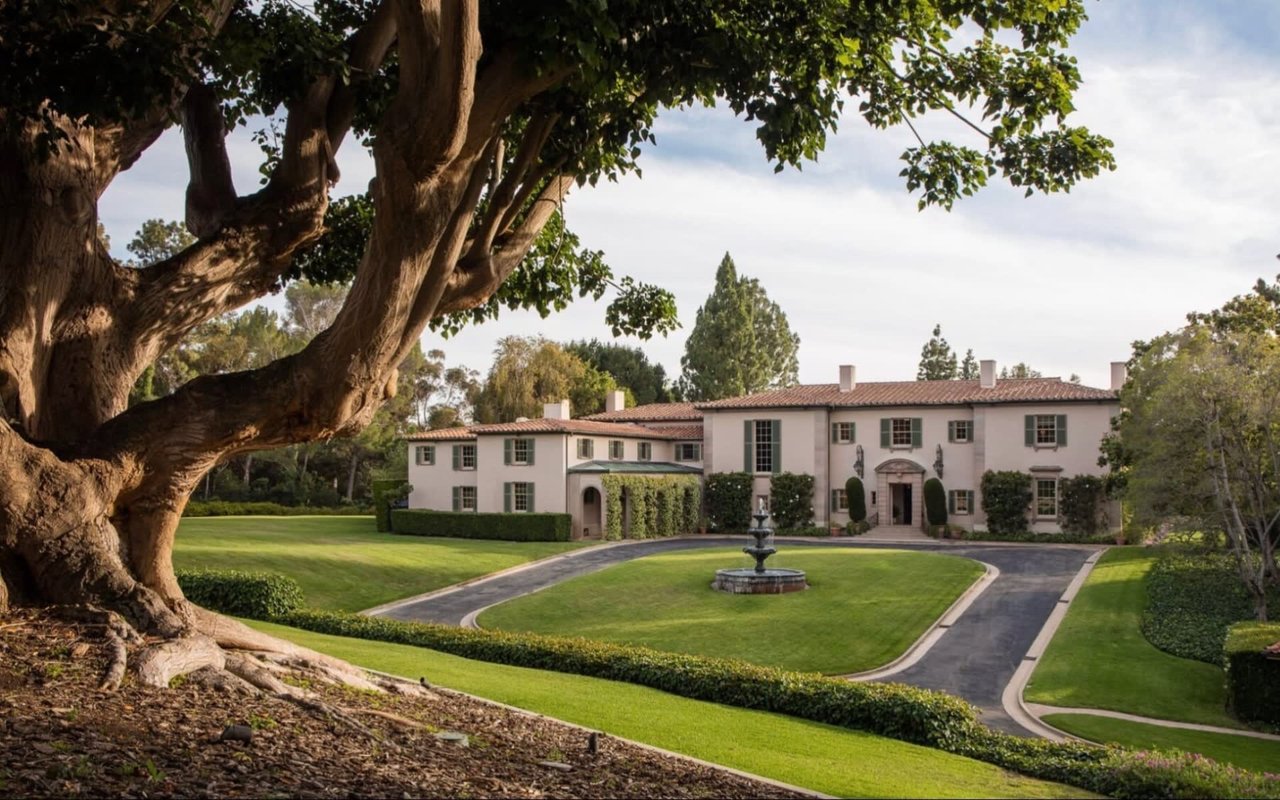
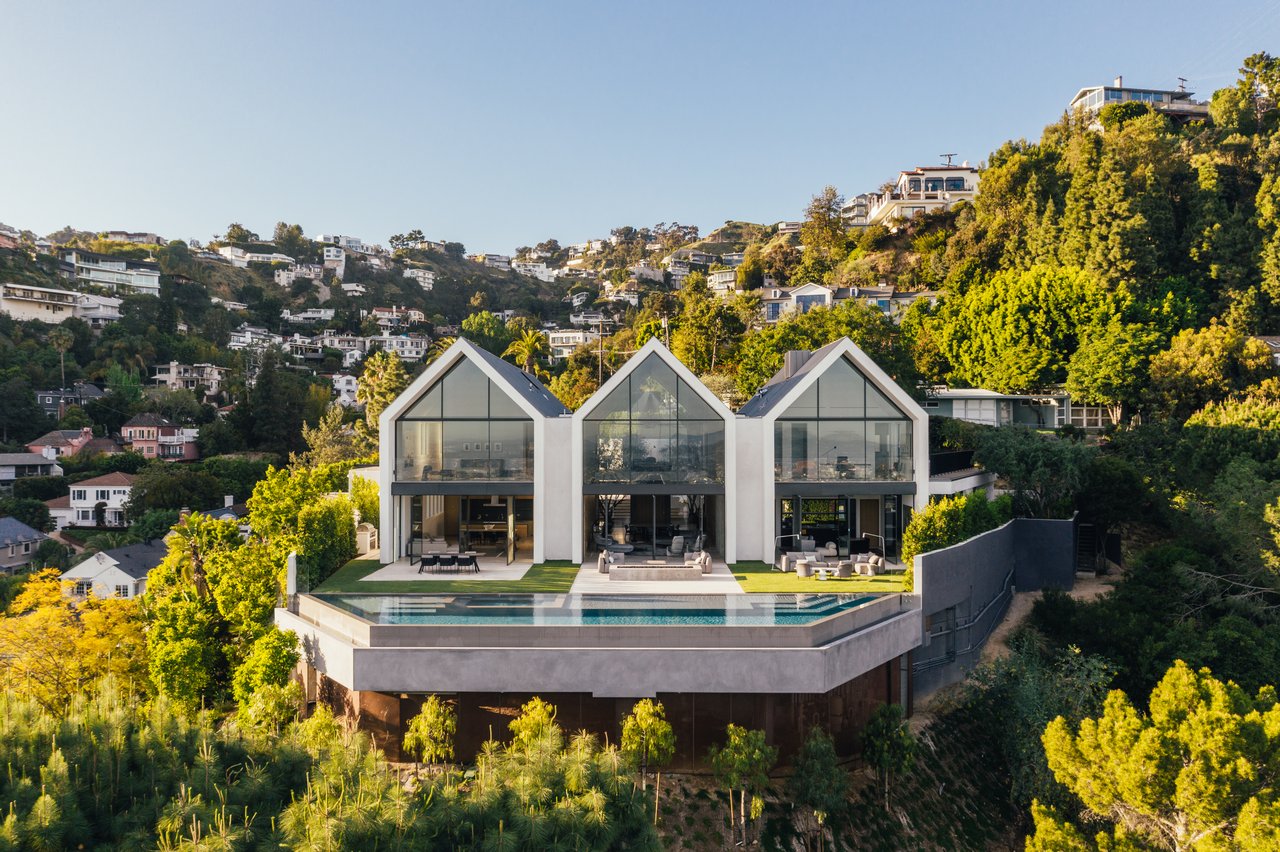
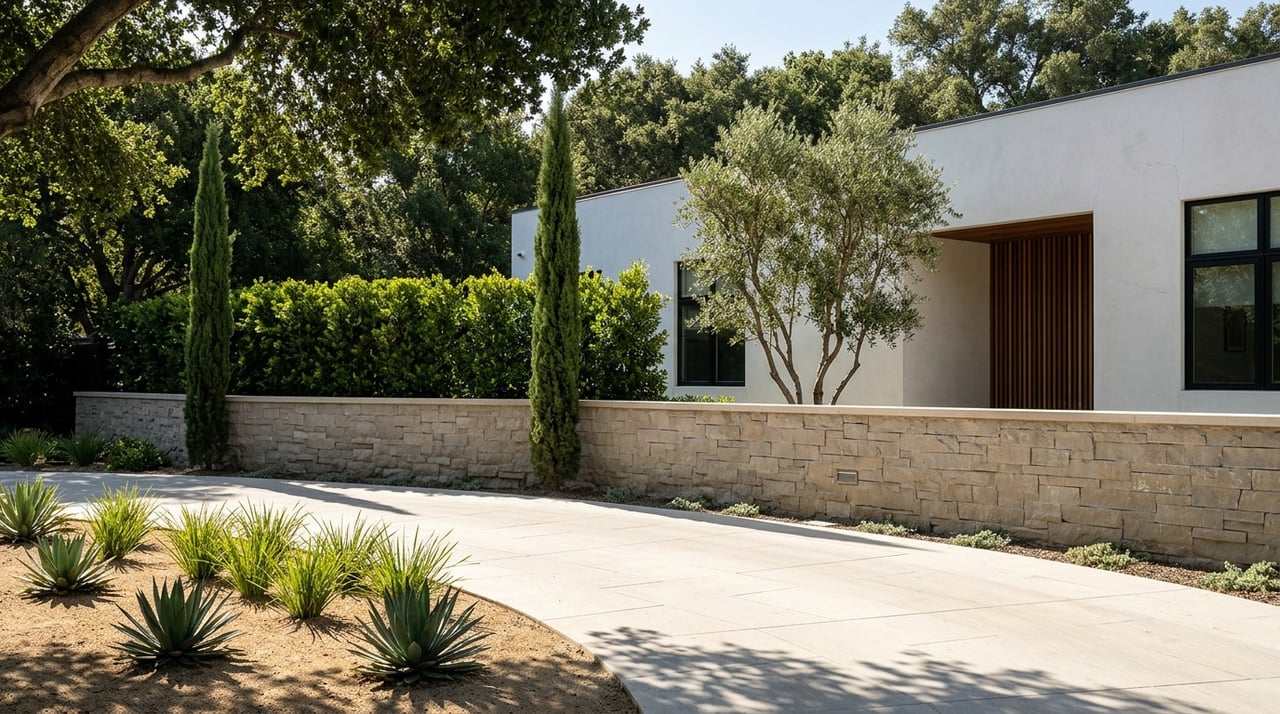
Bel Air has a strong estate pedigree, and Los Angeles Planning describes Bel Air Estates, the original 1922 subdivision, as having more than 80 expansive and irregularly sized parcels, predominantly large two-story single-family estates, gated driveways, privacy walls or hedges, narrow streets, no sidewalks, and mature vegetation.
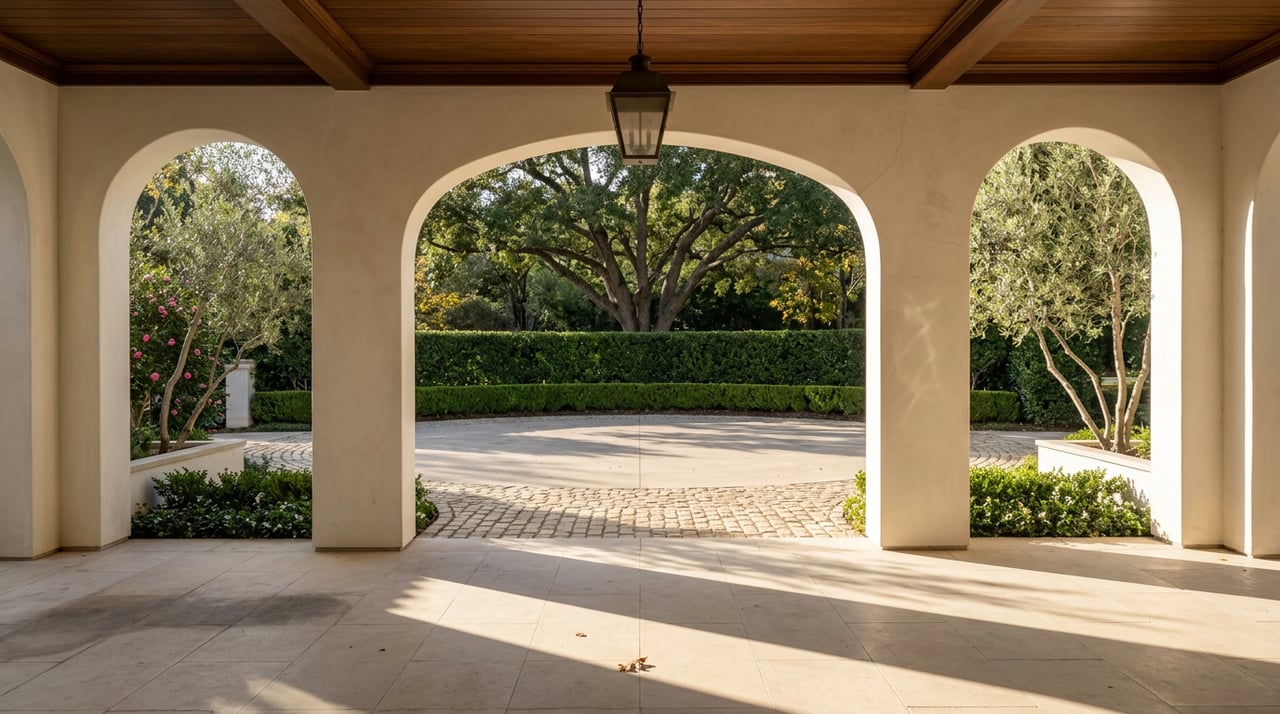
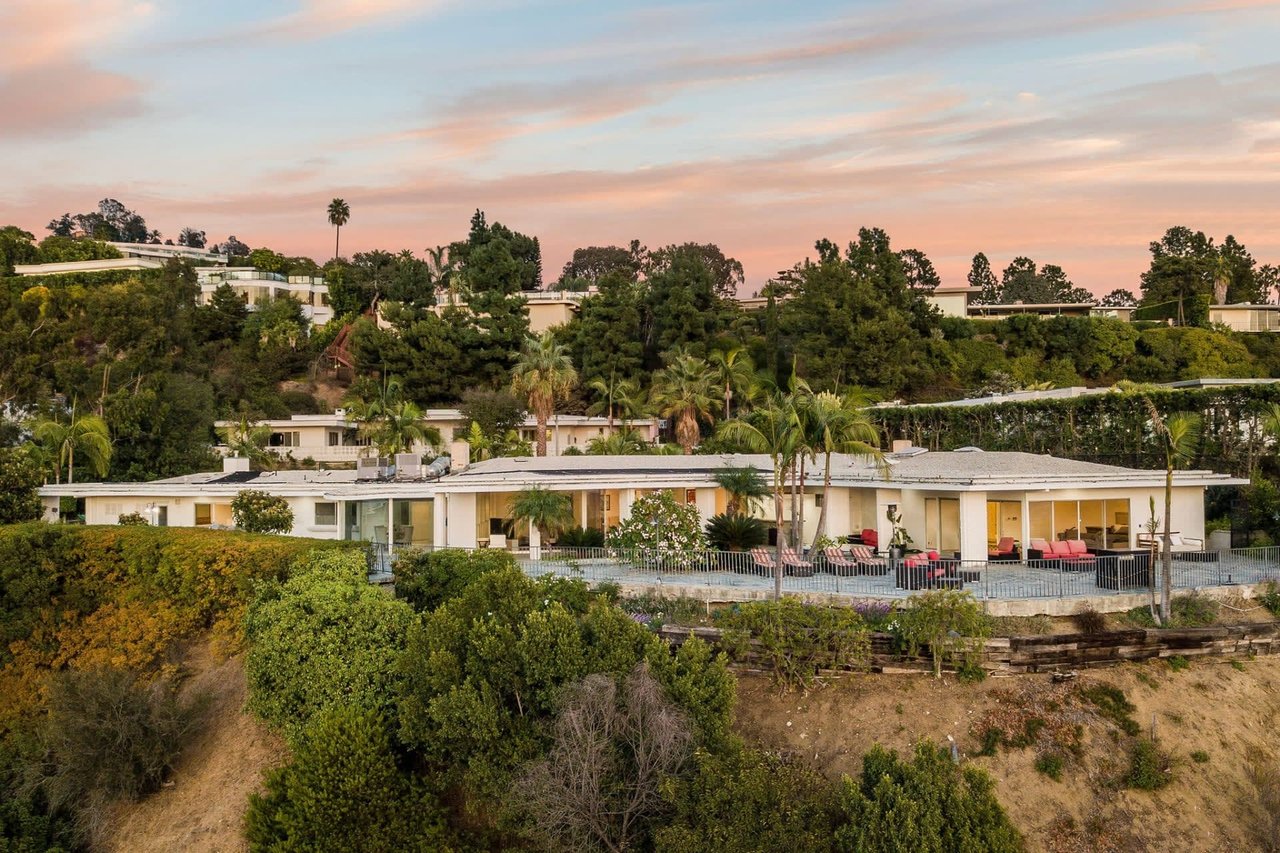
That physical layout creates a specific experience. Homes are often screened from public view, and the streets follow the natural contours of the hills. For many buyers, that translates into a stronger sense of separation from the city around them.
LA Planning also notes that smaller lots have often been absorbed into adjoining properties to create larger homes. That pattern reinforces Bel Air's estate-scale identity and helps explain why the area often appeals to buyers who place a premium on land, screening, and a quieter arrival experience.
What Bel Air Often Appeals To
- Buyers prioritizing visual privacy
- Those who want gated driveways and estate presence
- People drawn to a quieter hillside setting
- Buyers who value a retreat-like daily rhythm
Beverly Hills Access and City Infrastructure
Beverly Hills offers a broader range of settings and a more structured city environment. It is a full-service city with its own police and fire departments, three fire stations, and local code-enforcement and permitting infrastructure.
For some buyers, that level of municipal organization is a meaningful advantage. It can shape how you think about responsiveness, permitting, and daily city services. It also contributes to Beverly Hills feeling more legible and self-contained as a place to live.
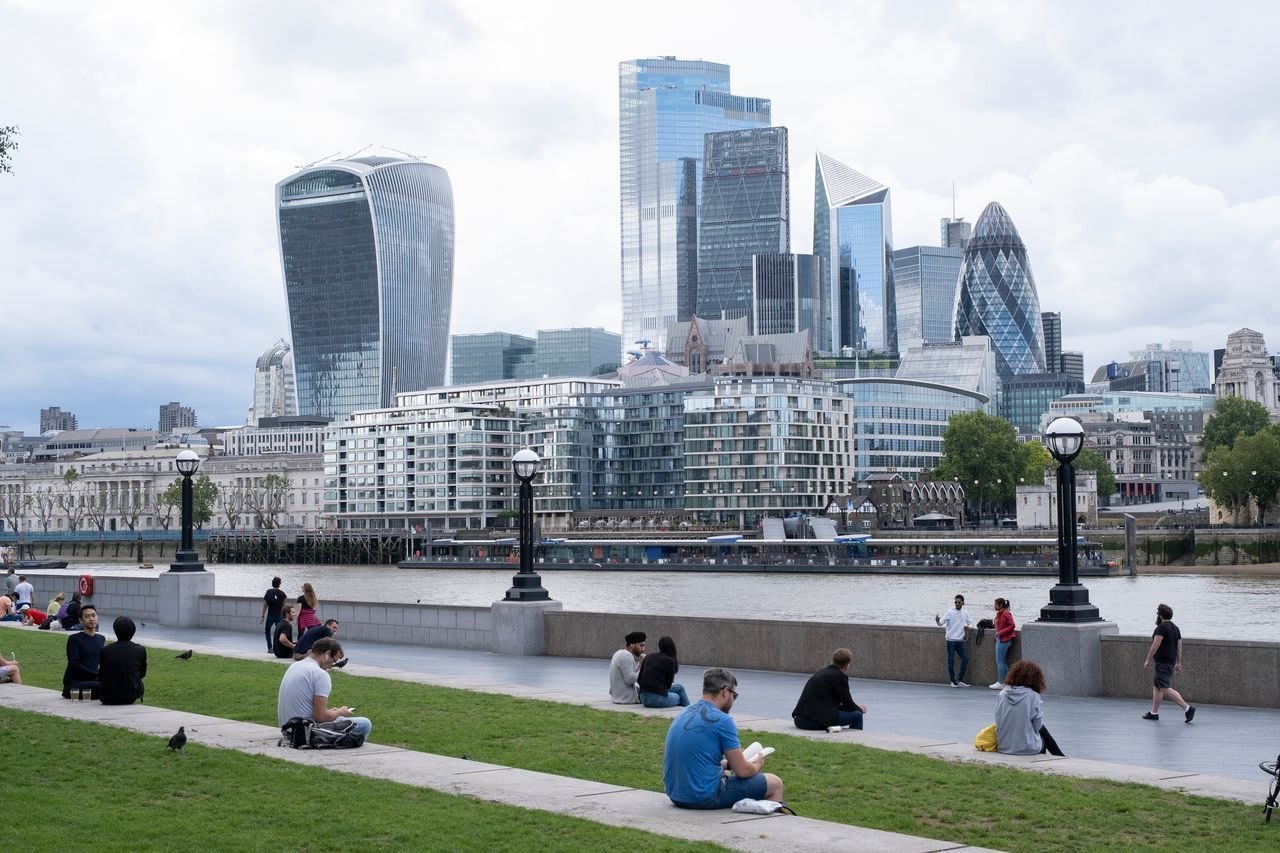
The city is also far more visitor-facing. With a significant daily visitor count and a reputation built around shopping, dining, hotels, public art, and events, Beverly Hills tends to feel more active and more publicly recognizable than Bel Air.
What Beverly Hills Often Appeals To
- Buyers who want a central, recognizable address
- Those who value city-based infrastructure
- People who prefer easier access to hotels and restaurants
- Buyers who want luxury living with more day-to-day convenience
Lot Size and Property Character
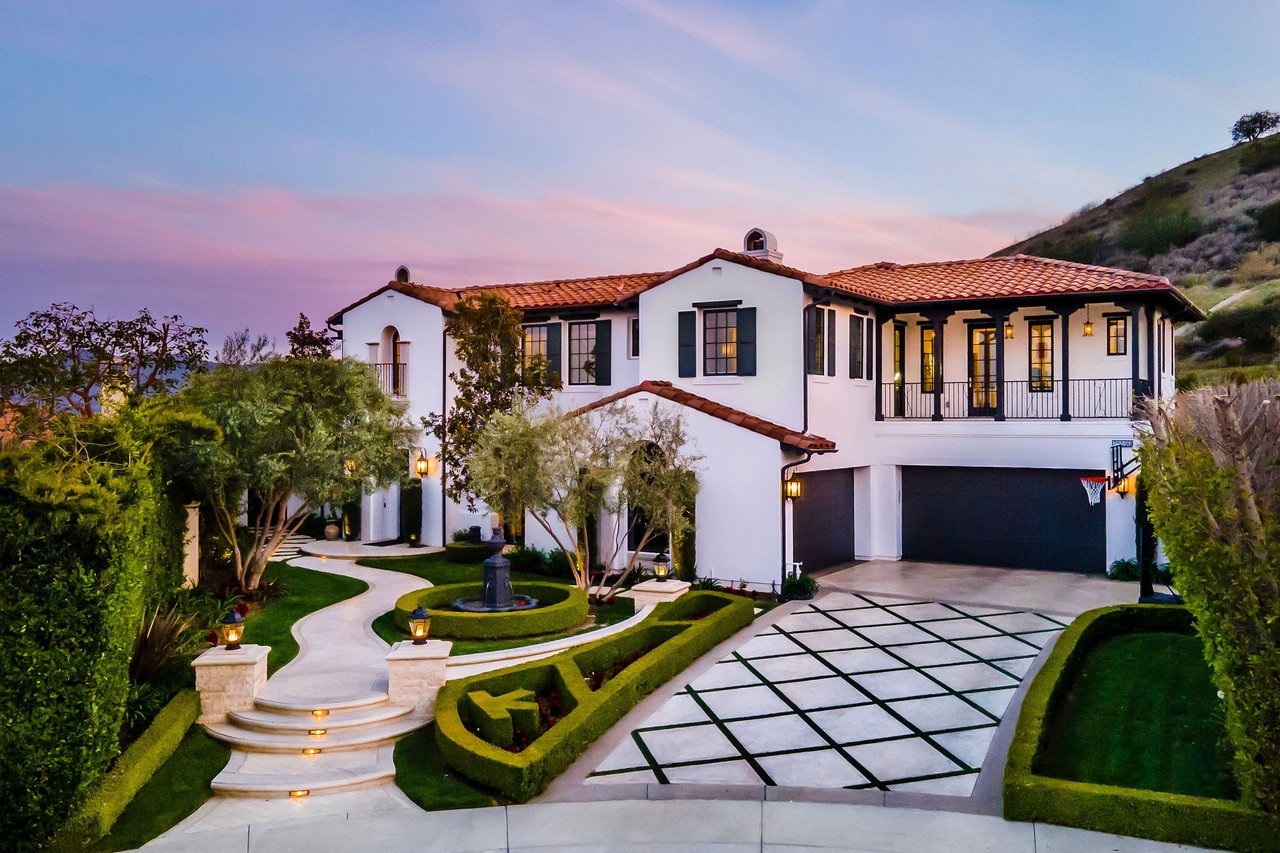
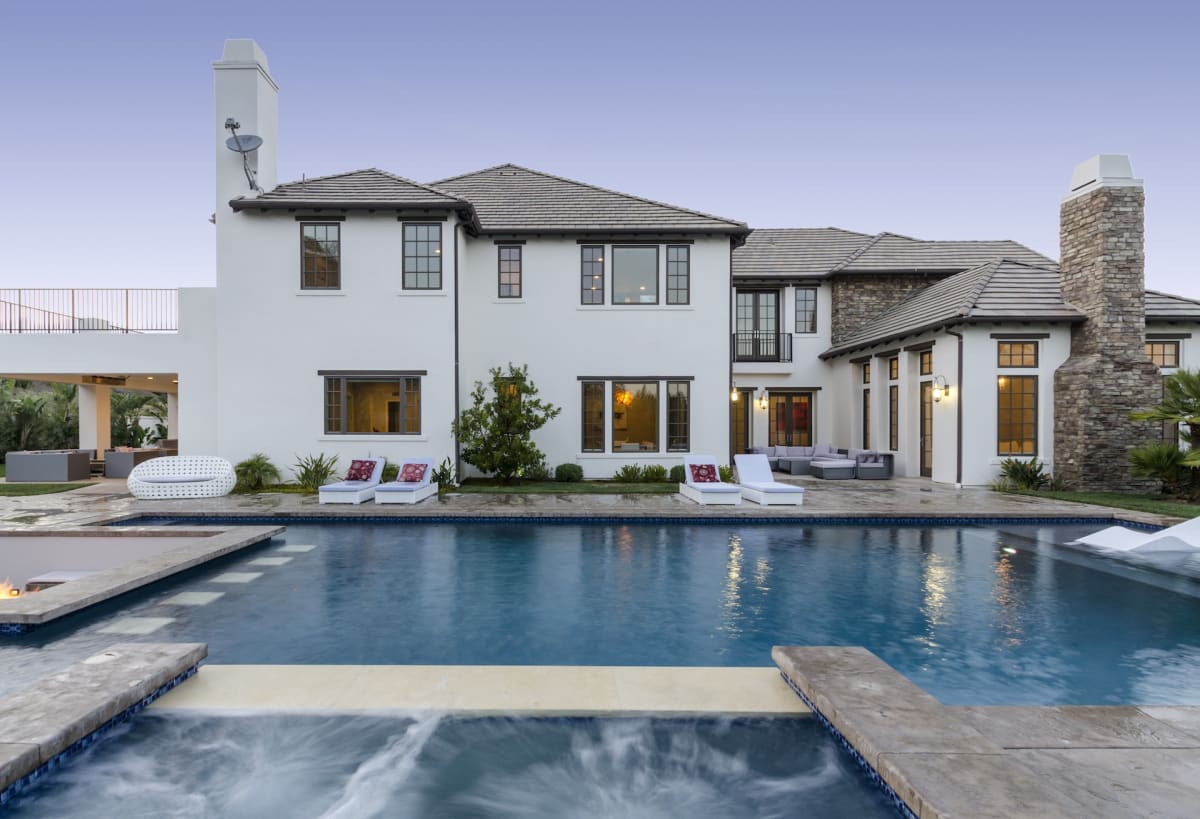
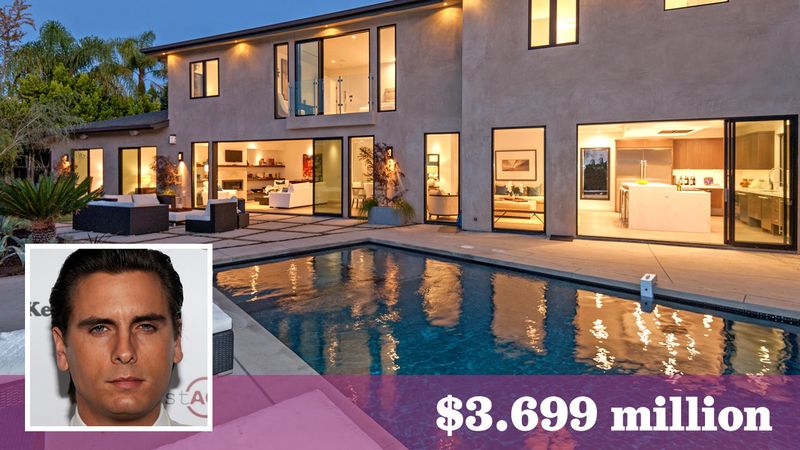
One of the clearest distinctions between Bel Air and Beverly Hills is lot character. Bel Air generally presents as the more secluded estate market, with larger, irregular parcels and homes that are often hidden behind hedges, walls, and gates.
Beverly Hills is more varied by subarea. The city's single-family standards set minimum lot sizes of 7,500 square feet in Central South, 13,000 square feet in Central North, and 43,560 square feet in the Hillside and Trousdale areas.
That range means Beverly Hills can offer very different living experiences depending on where you focus your search. Some areas feel more traditionally urban and close-in, while hillside sections align more closely with larger-lot luxury living. If you are comparing the two, it helps to think in terms of the exact submarket, not just the ZIP code.
Architecture and Visual Experience
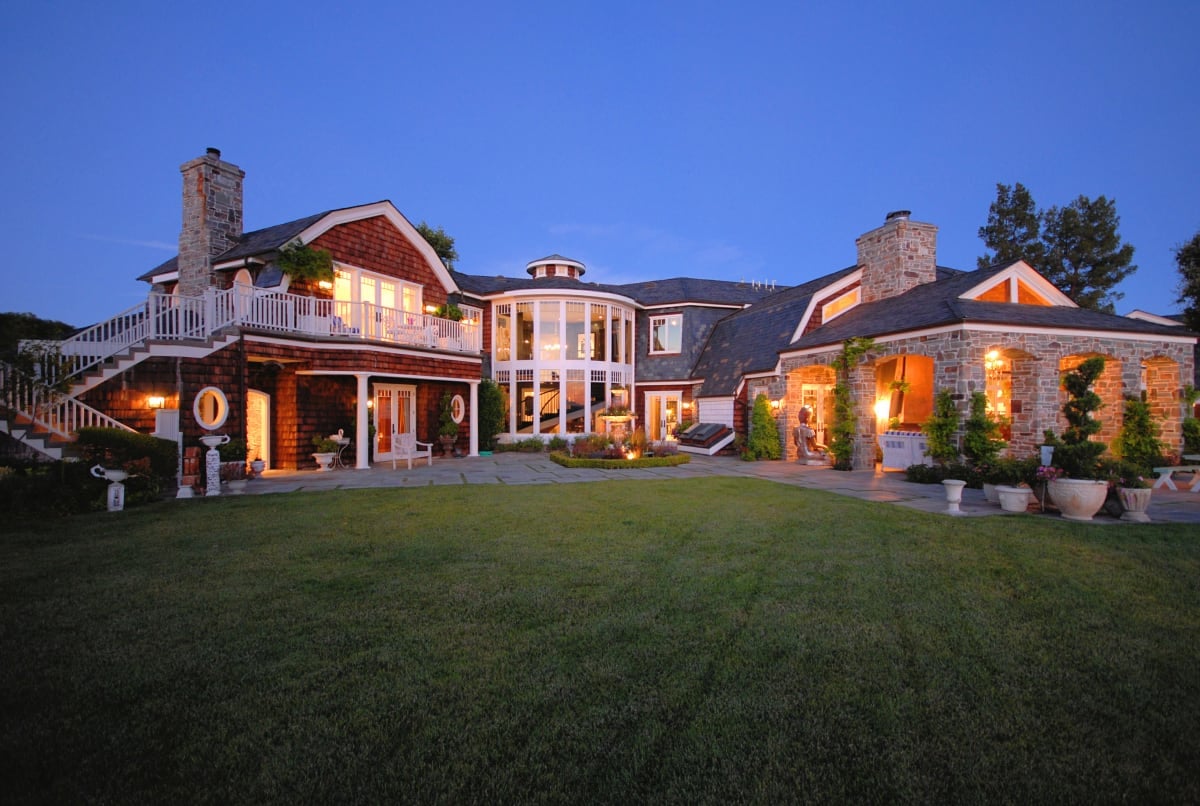
Architecture is important in both places, but the experience is distinct. Bel Air has a strong estate pedigree, and Los Angeles Planning notes a high concentration of architect-designed homes by Paul R. Williams, Wallace Neff, and Roland E. Coate.
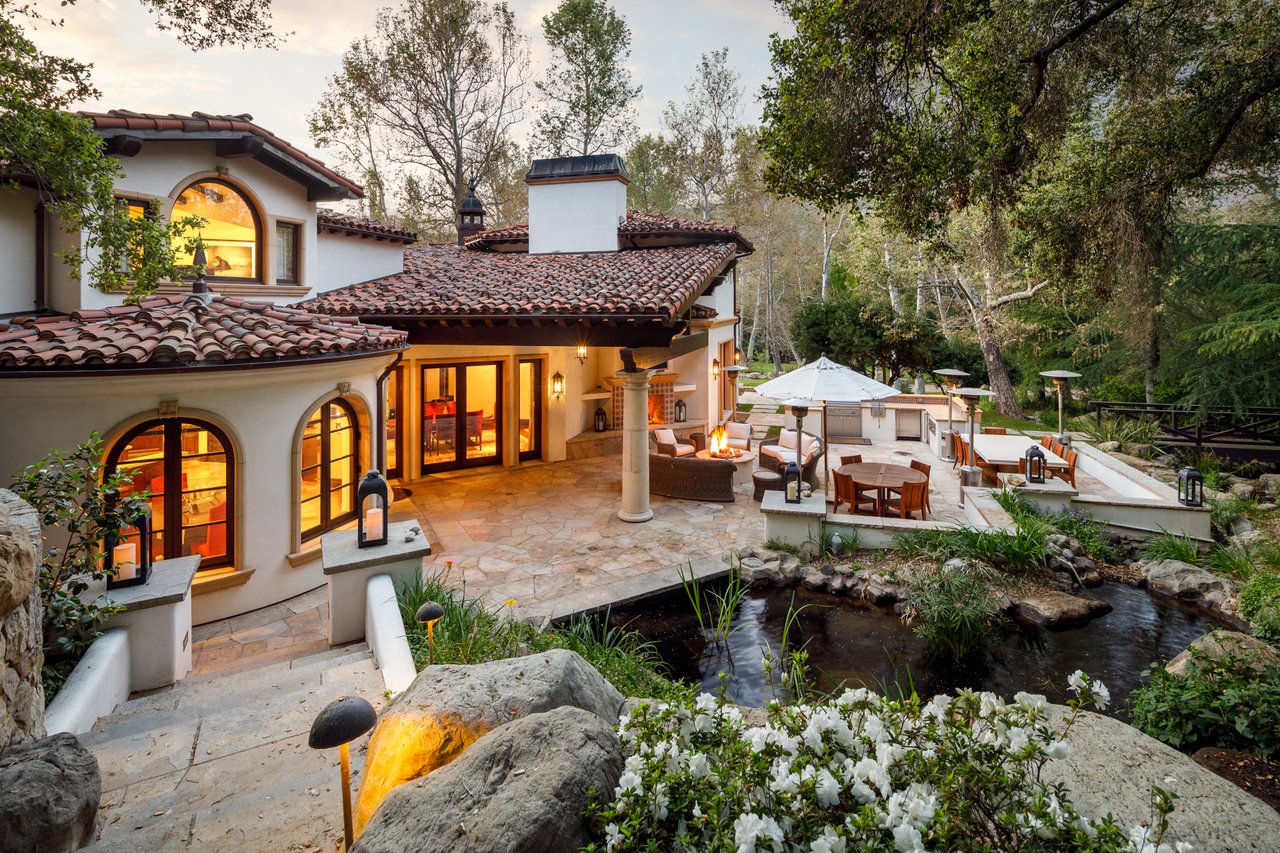
The area was originally marketed as "Gentleman's Estates" and planned with underground utilities, bridle trails, horse stables, and a country club. That history still informs the atmosphere today. The overall impression is often one of scale, screening, and legacy estate design.
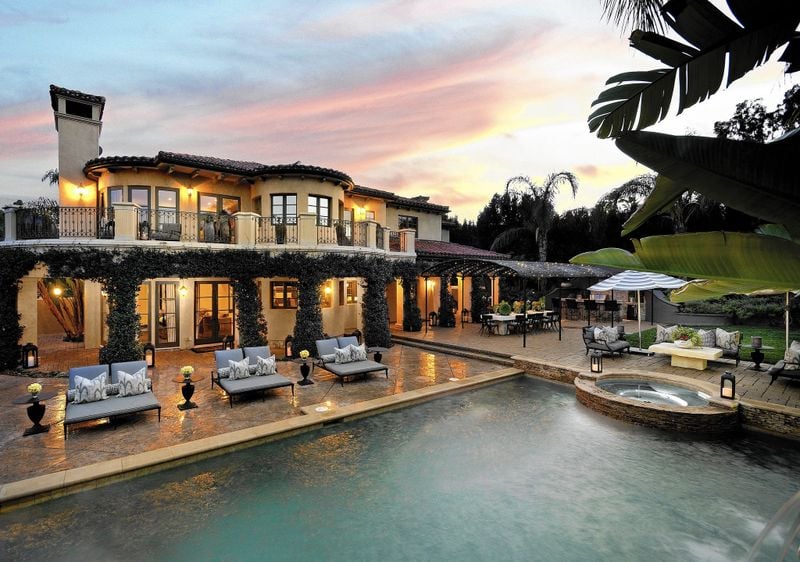
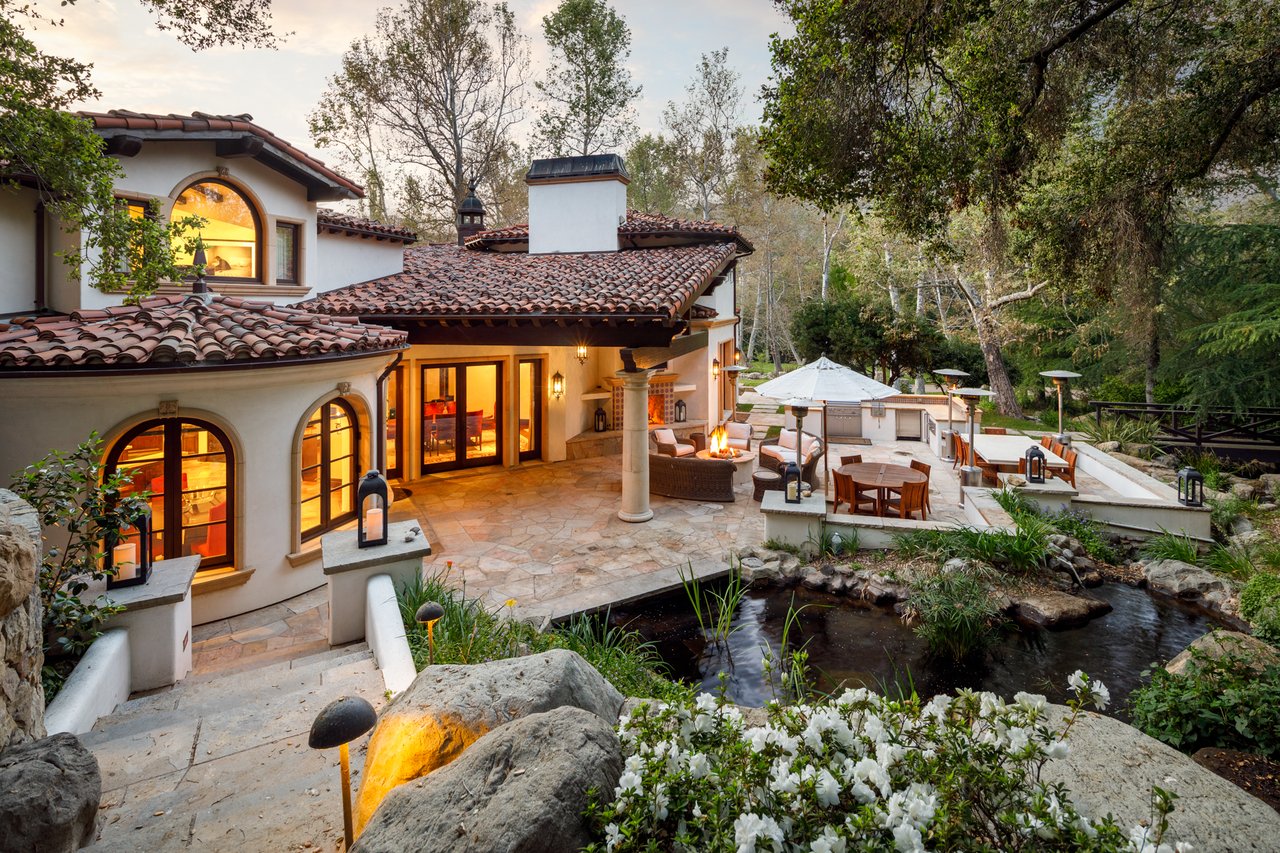
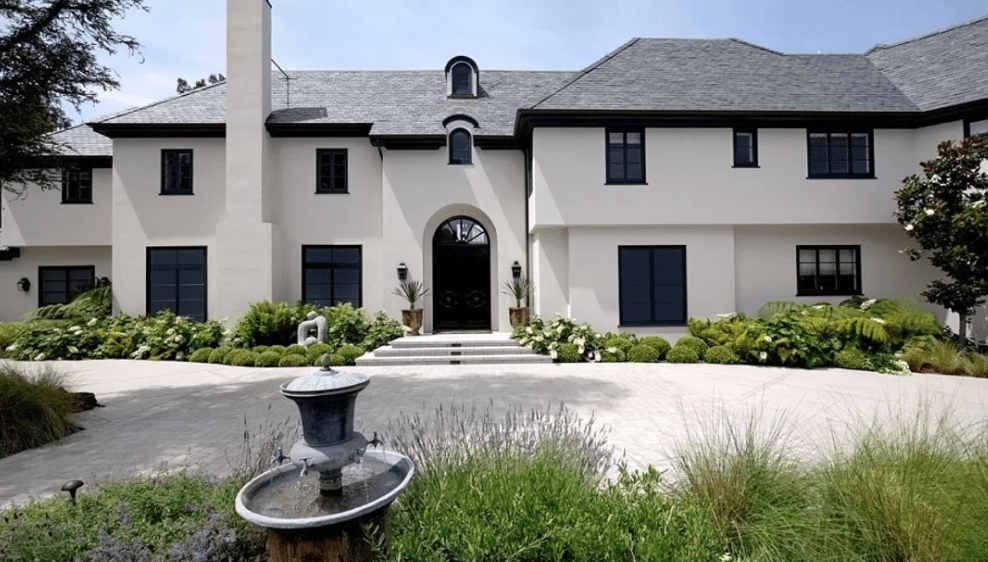
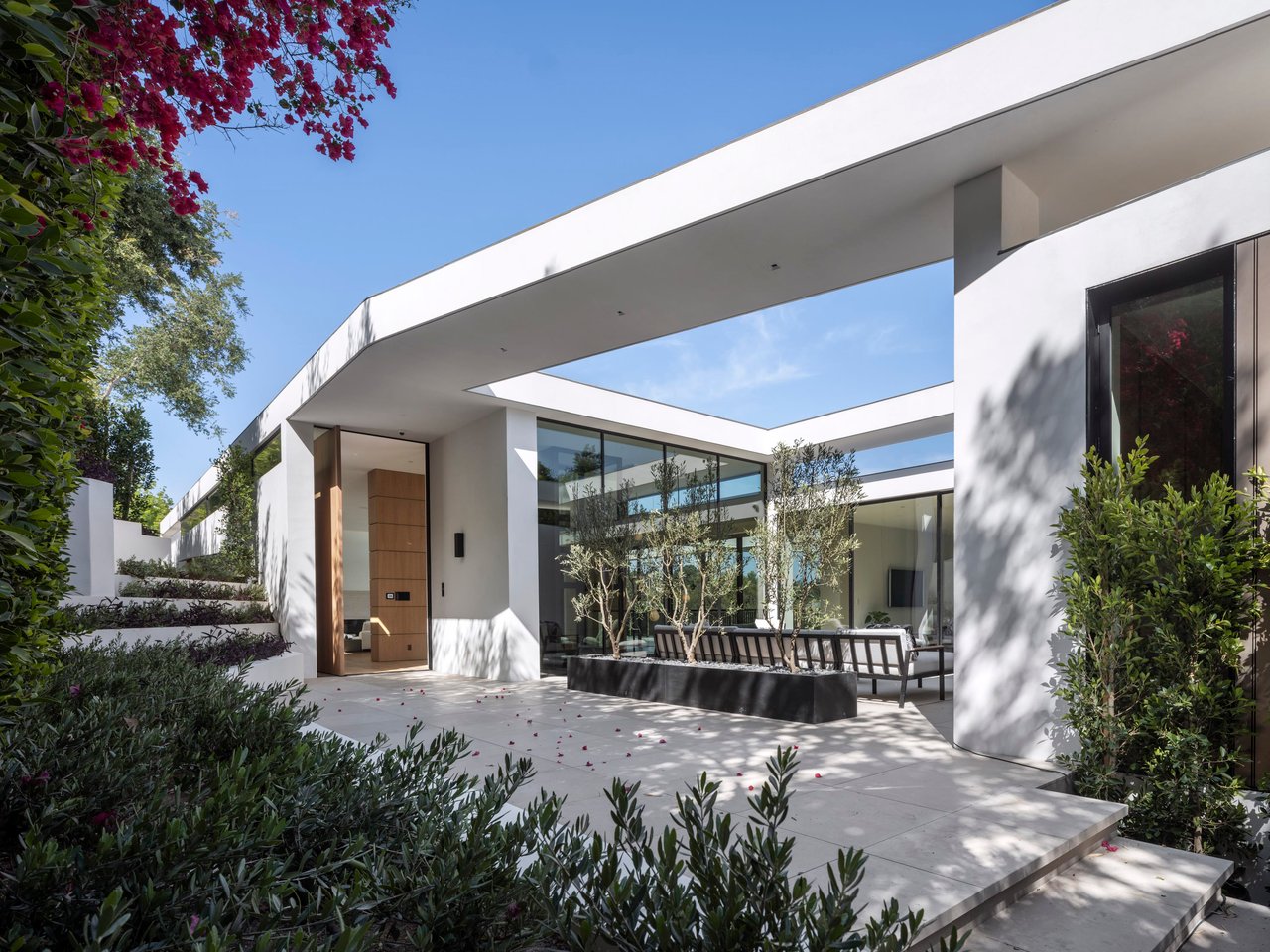
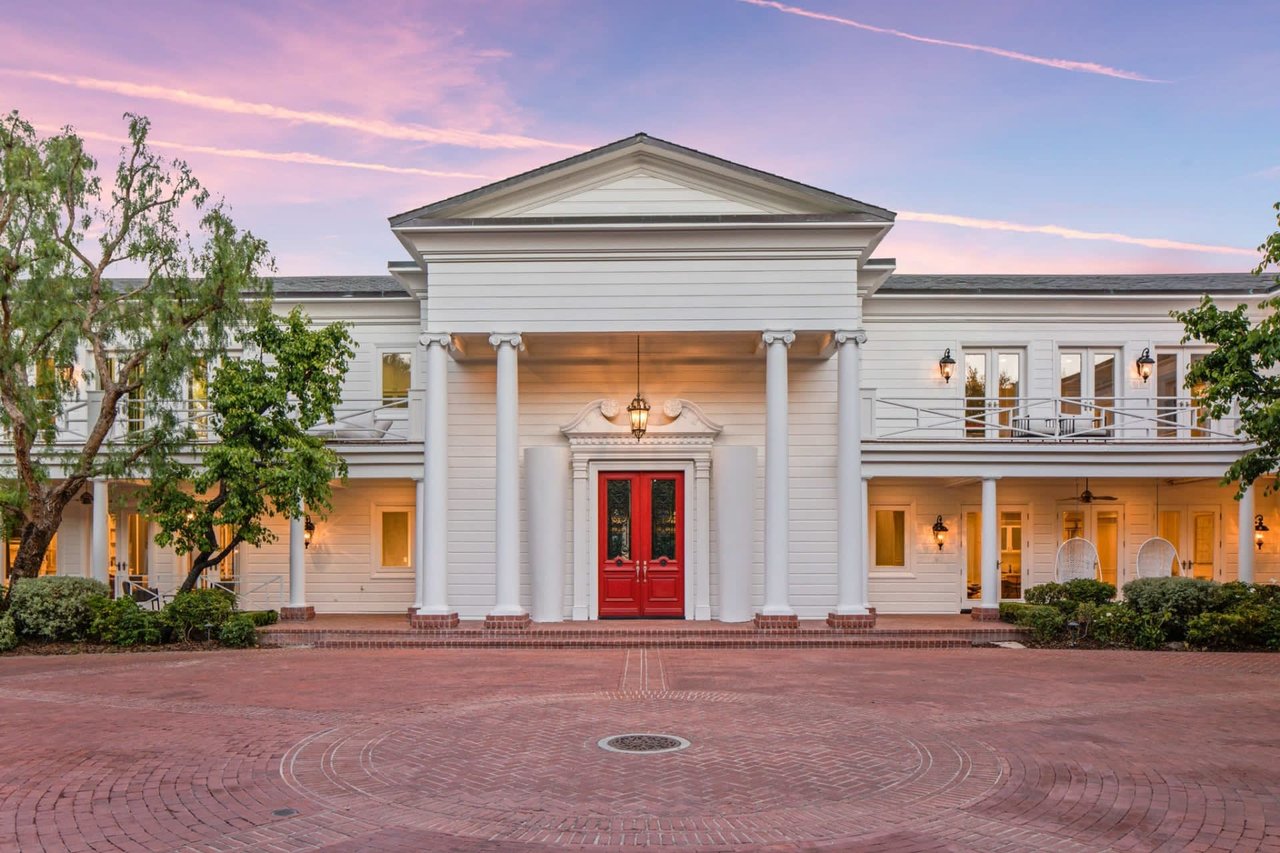
Beverly Hills is architecturally significant in a different way. The city's historic resources survey identifies a strong concentration of period-revival architecture, with Spanish Colonial Revival as the most common surveyed style, along with English or Tudor Revival, American Colonial Revival, and French Eclectic examples.
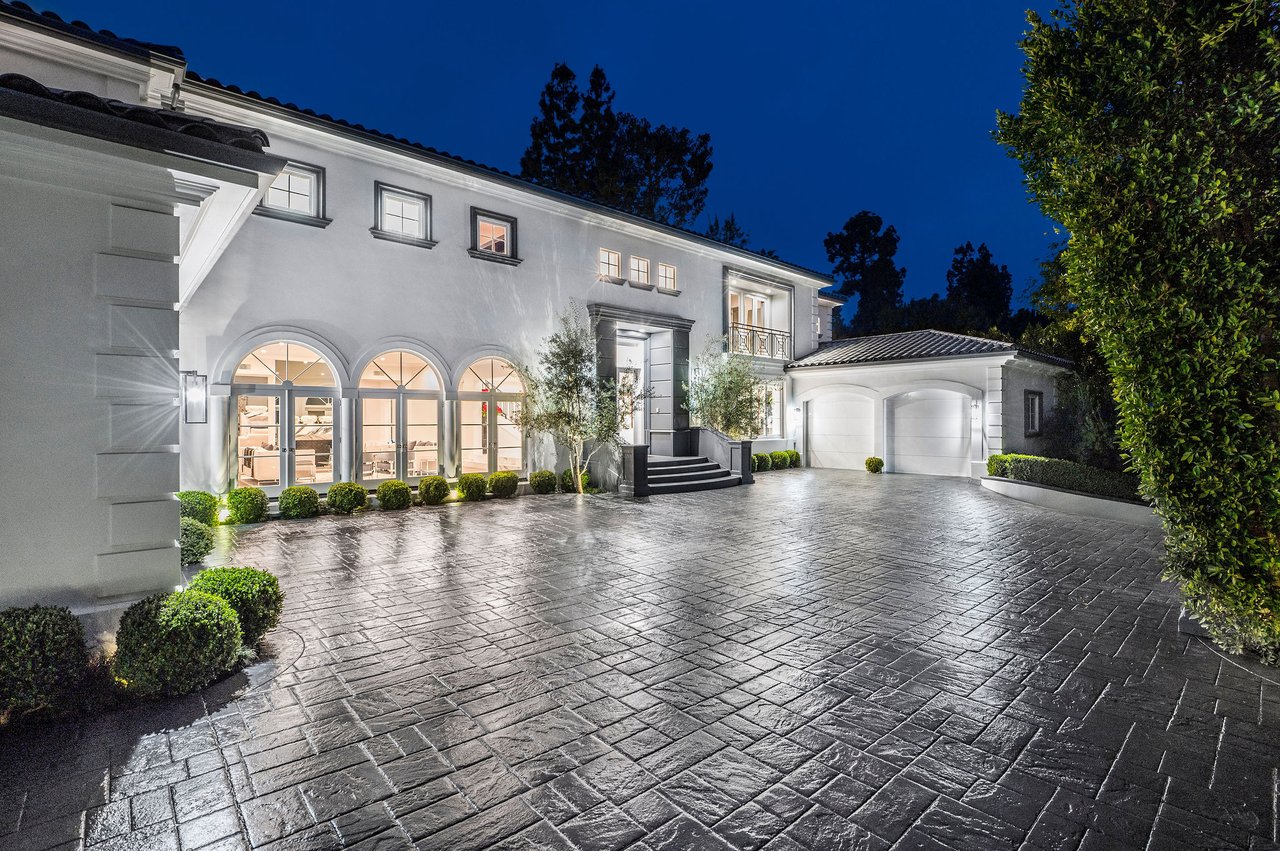
In parts of Beverly Hills, design oversight also plays a visible role. The city's Architectural and Design Review Commission reviews single-family projects in the Central Area for compatibility with prevailing styles and neighborhood character. For buyers, that can mean a stronger sense of visual continuity in certain zones.
A Simple Architecture Distinction
Bel Air: Estate-oriented, screened, hillside, and often more individually concealed
Beverly Hills: Historically varied, more publicly visible, and in some areas more closely guided by city review
Hotels, Clubs, and Hospitality Access
If hospitality access matters to your lifestyle, the difference becomes even clearer. Bel Air's club and hotel offerings are more concentrated and private in feel. LA Planning notes that Bel-Air Country Club occupies nearly 40 acres with an 18-hole golf course, clubhouse, and four tennis courts, while remaining largely hidden from the public right-of-way.
Hotel Bel-Air also reflects that quieter approach. It is positioned in the exclusive environs of Bel-Air and offers a more tucked-away hospitality experience.
Beverly Hills, on the other hand, has a much denser hospitality network. The city's destination fact sheet says Beverly Hills has 16 hotels and more than 2,200 rooms, spanning legacy luxury hotels and contemporary boutique options.
That creates a different kind of convenience. If you regularly host guests, conduct meetings nearby, or enjoy living close to restaurants and hotels, Beverly Hills offers a deeper hospitality ecosystem.
Day-to-Day Logistics
For many buyers, practical convenience becomes the deciding factor. Beverly Hills is easier for everyday logistics. The city visitor guide notes public parking structures, up to two hours of free parking at many lots before 6 p.m., parking meters in the Golden Triangle, bike share, and ride-share pickup and drop-off.
Bel Air is more car-oriented and more topographically constrained. According to the Los Angeles Planning report, streets wind through the hills, are narrow, and have no sidewalks. Those features help support privacy, but they can also make guest arrivals, deliveries, and casual walkability less convenient.
This is not necessarily a drawback. For some buyers, that separation is the point. But if you want a more frictionless daily routine with easier in-and-out movement, Beverly Hills often has the advantage.
How to Decide Between Bel Air and Beverly Hills
If you are torn between the two, try filtering your decision through a few core questions. The right answer usually becomes clearer once you focus on how you actually want to live, not just which address carries more cachet.
Ask Yourself These Questions
Do you want stronger screening from the street?
Do you prefer a quiet hillside setting or a more central city environment?
Will you use nearby hotels, restaurants, and visitor amenities often?
How important are walkability and simpler guest access?
Are you looking for a hidden estate feel or a more publicly legible luxury address?
A Quick Decision Guide
Priority | Better Fit |
|---|---|
Estate scale and seclusion | Bel Air |
Central location and logistics | Beverly Hills |
Strong visual privacy | Bel Air |
Hospitality and hotel access | Beverly Hills |
Quiet, retreat-like rhythm | Bel Air |
Full-service city infrastructure | Beverly Hills |
The Street Matters in Both Markets
Even with broad differences, no two streets live exactly the same way. In Beverly Hills, lot sizes, design review, and neighborhood character can vary meaningfully by subarea. In Bel Air, topography, approach, and estate screening can shift the feel of one property to the next.
That is why a high-level comparison is only the first step. Once you know whether you lean toward privacy or convenience, estate scale or city structure, the next move is narrowing to the specific streets and homes that match your priorities.
For buyers evaluating marquee Los Angeles addresses, that kind of precision matters. If you want discreet guidance on Bel Air, Beverly Hills, or both, The Fridman Group can help you evaluate the nuances that shape long-term fit and value.
FAQs
Is Bel Air more private than Beverly Hills for homebuyers?
In general, yes. Los Angeles Planning describes Bel Air with expansive parcels, gated driveways, privacy walls or hedges, narrow streets, and no sidewalks, which together support a more secluded estate environment.
Does Beverly Hills have better everyday convenience than Bel Air?
Beverly Hills generally offers easier day-to-day logistics because it has a more centralized city layout, public parking options, ride-share access, and a denser mix of hotels, dining, and visitor amenities.
Are lot sizes larger in Bel Air or Beverly Hills?
Bel Air is generally associated with larger, irregular estate parcels, while Beverly Hills offers a wider range depending on subarea, from 7,500-square-foot minimum lots in Central South to one-acre minimums in some hillside areas.
How are city services different in Bel Air and Beverly Hills?
Beverly Hills is an incorporated full-service city with its own police and fire departments, while Bel Air is served through the broader Los Angeles city system, including LAPD's West Los Angeles Community Police Station.
Is Beverly Hills or Bel Air better for buyers who value architecture?
Both can appeal to architecture-focused buyers, but the experience differs. Bel Air is known for architect-designed estates and a screened hillside setting, while Beverly Hills is notable for period-revival architecture and, in some areas, more formal design review.
Should you choose Bel Air or Beverly Hills for a quieter lifestyle?
If your priority is a quieter, more retreat-like setting with stronger visual privacy, Bel Air is generally the better fit based on its planning character and street layout.