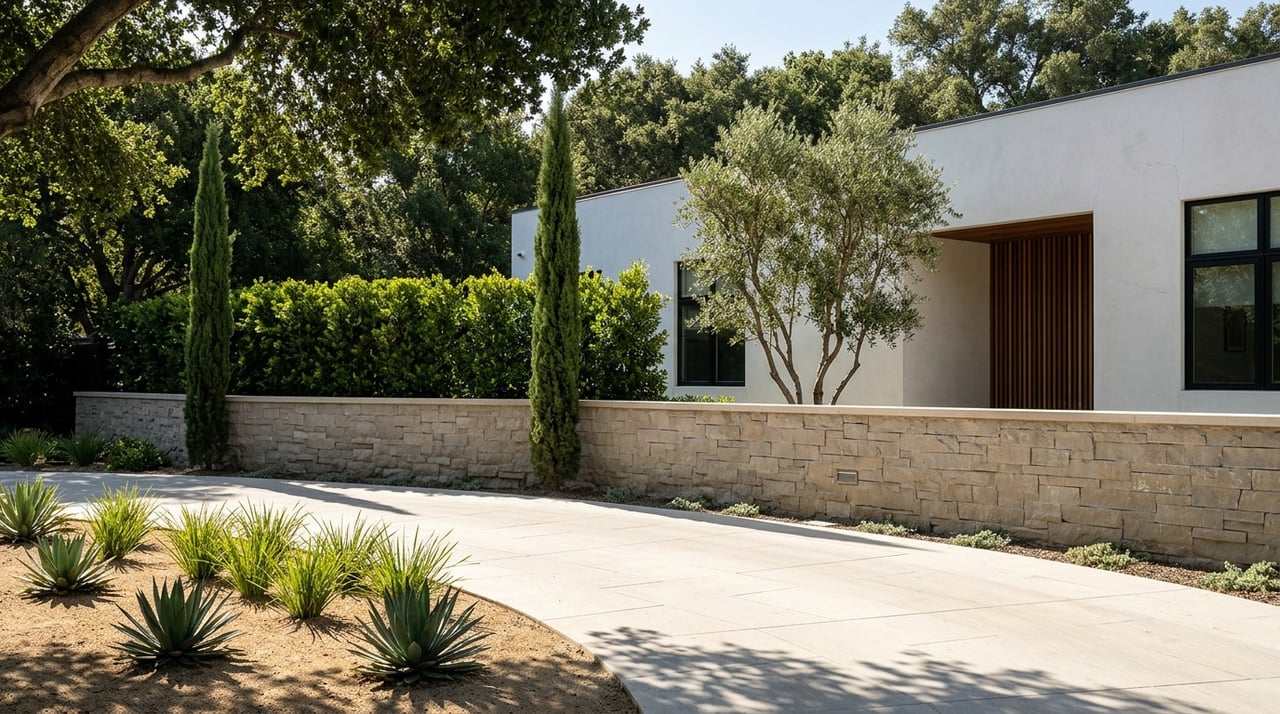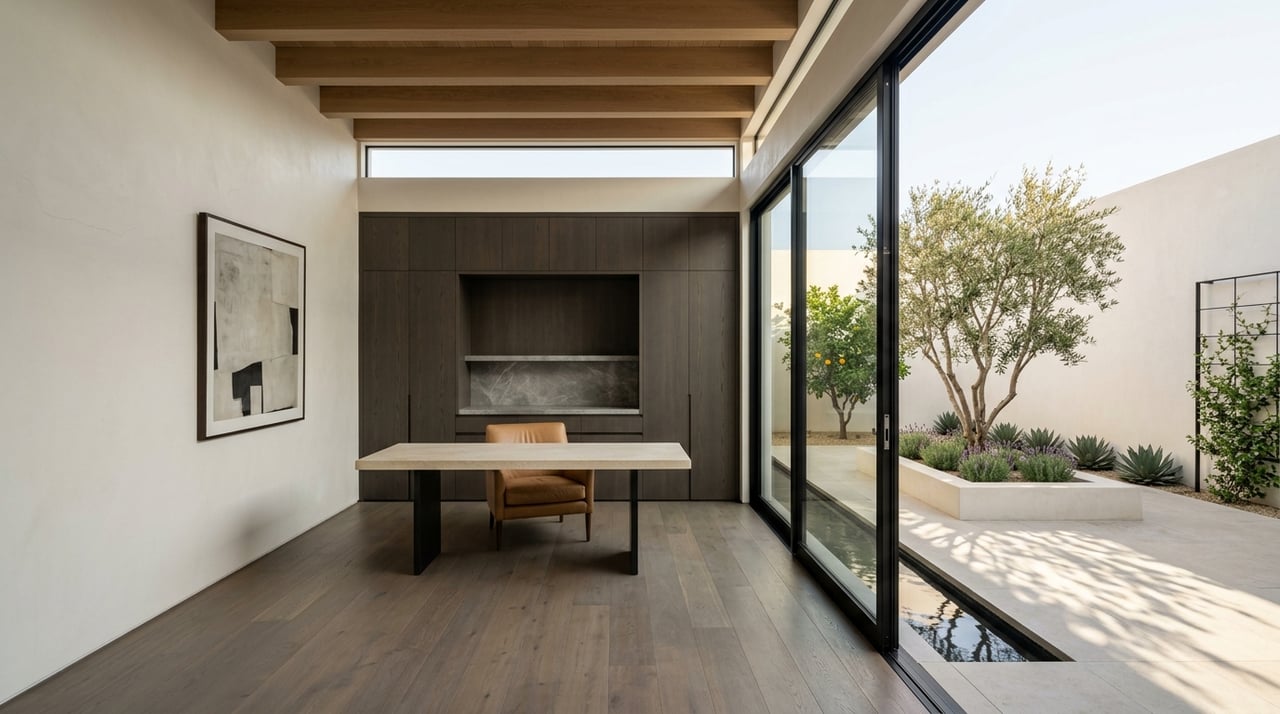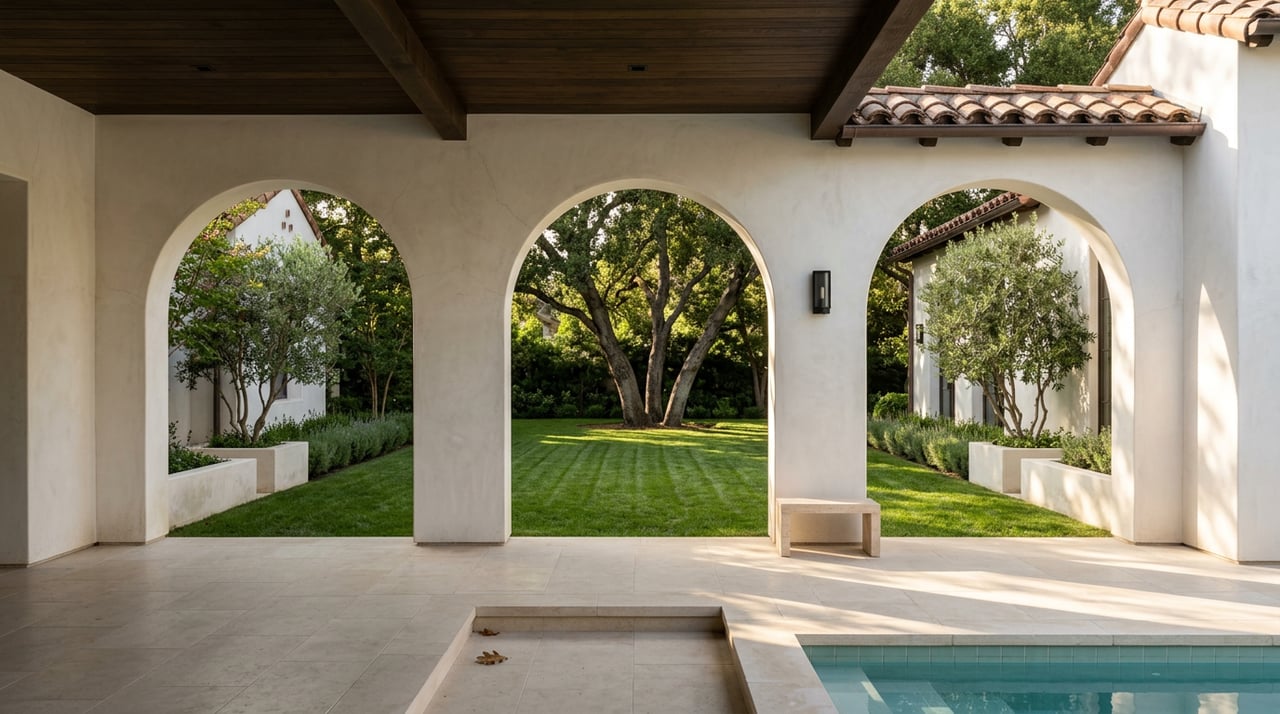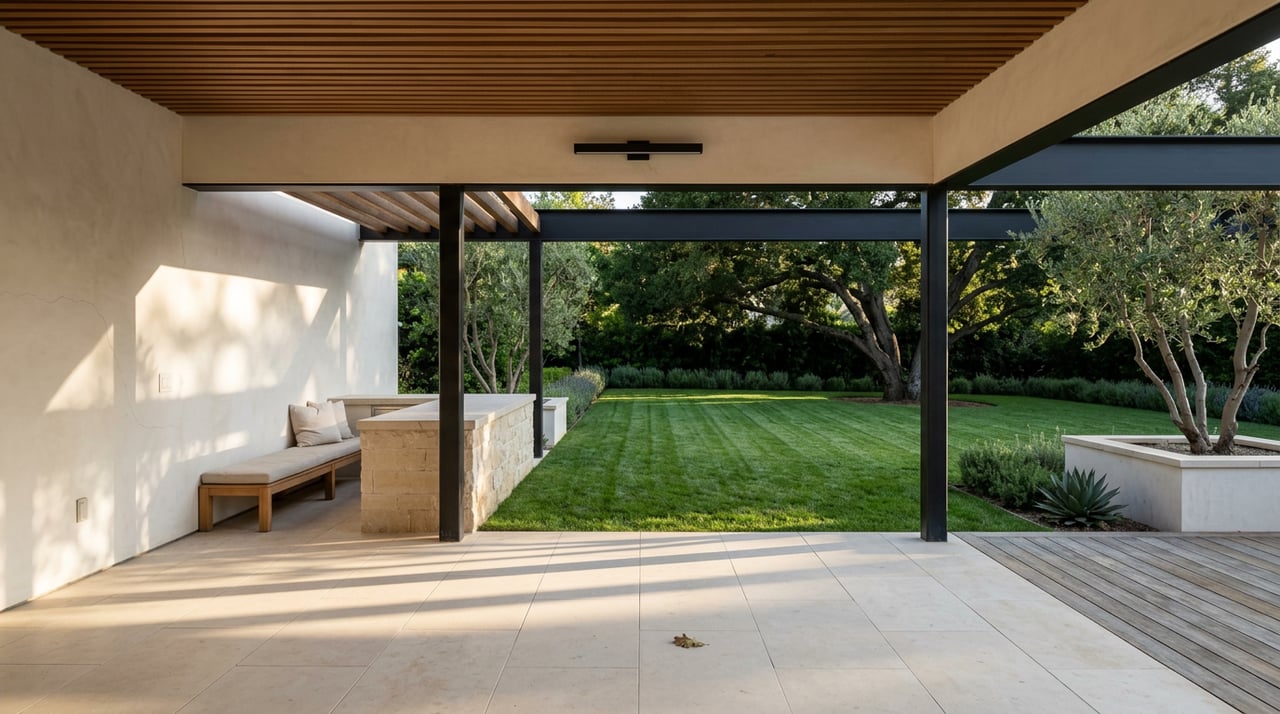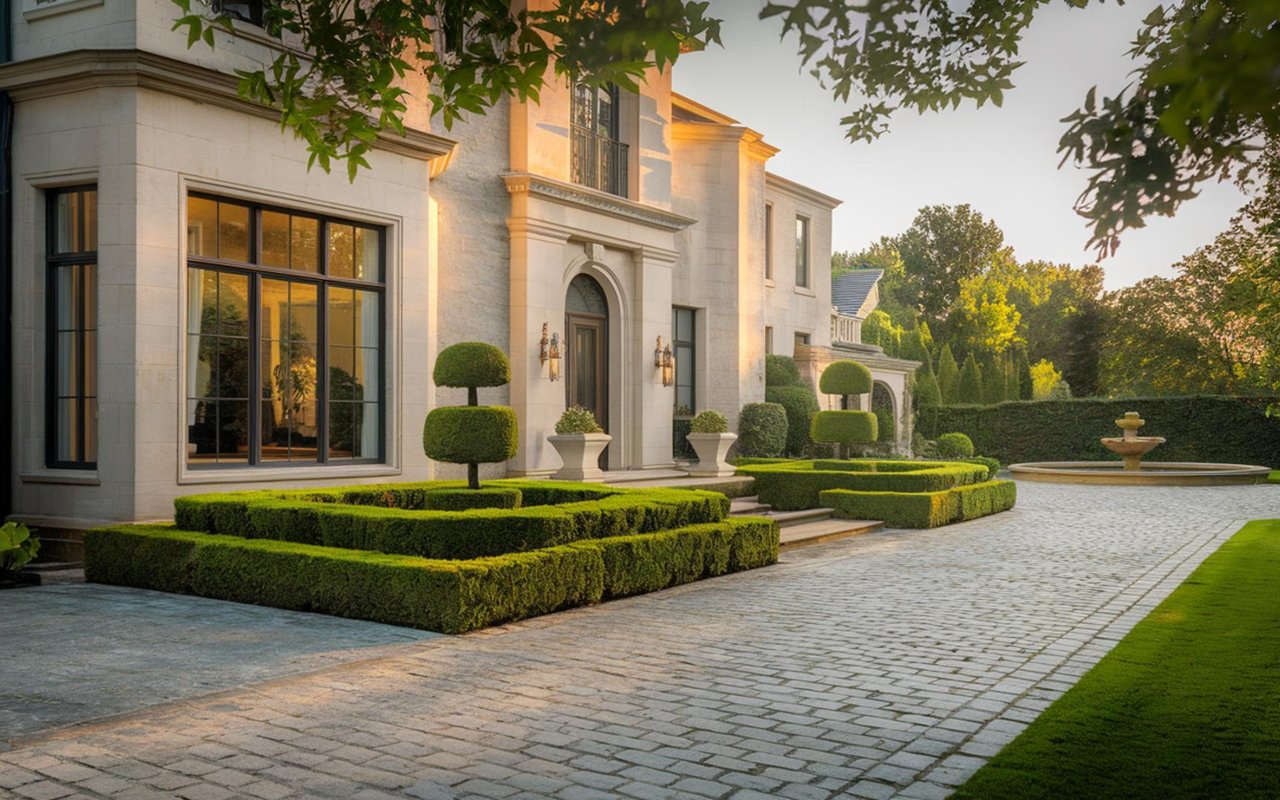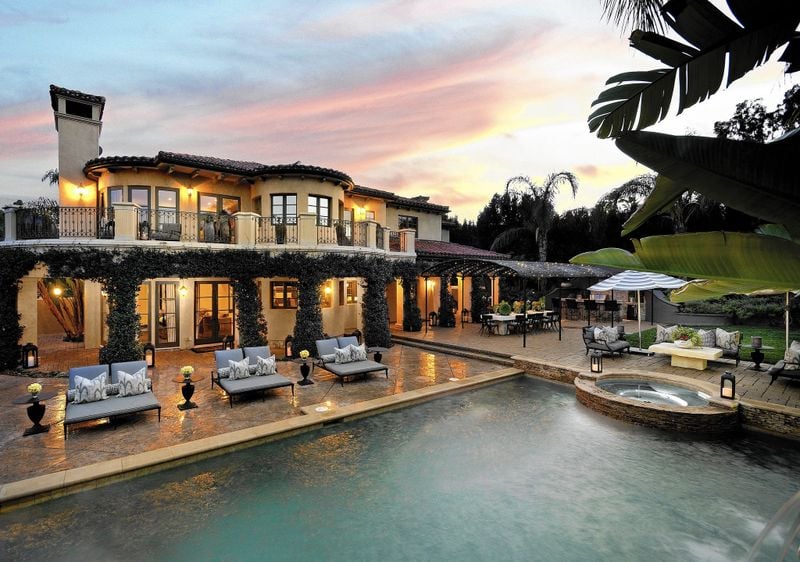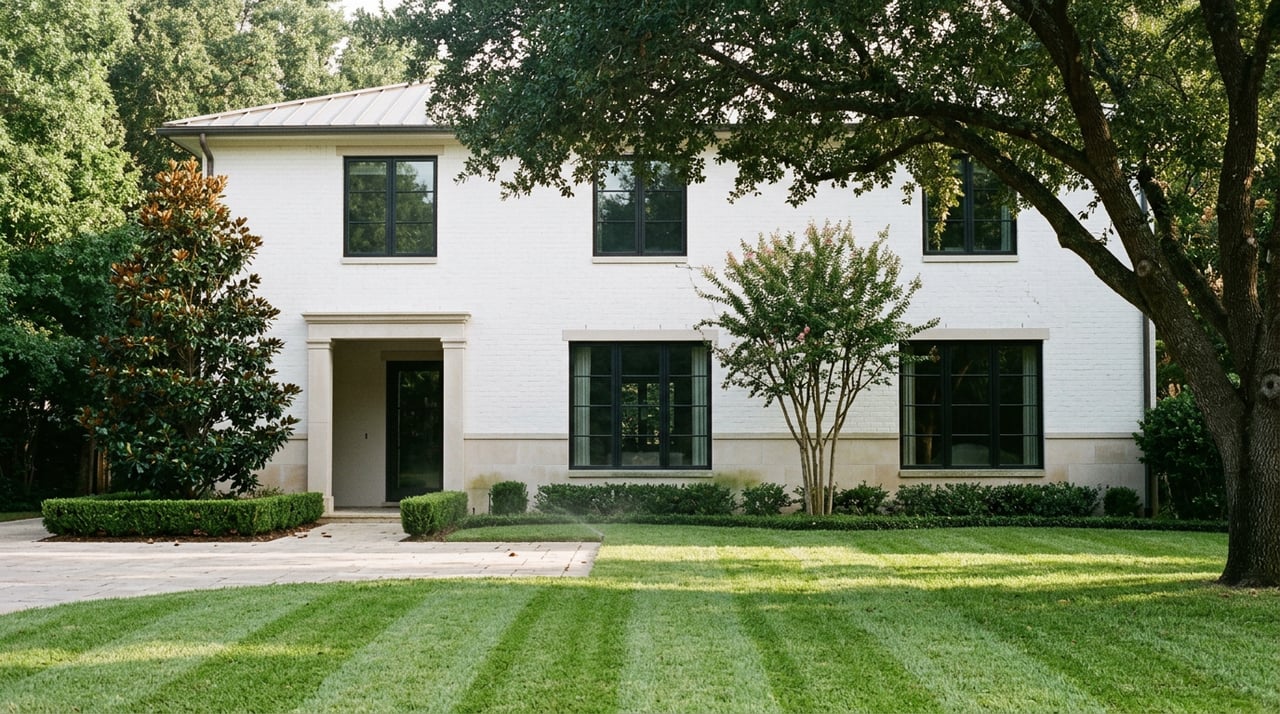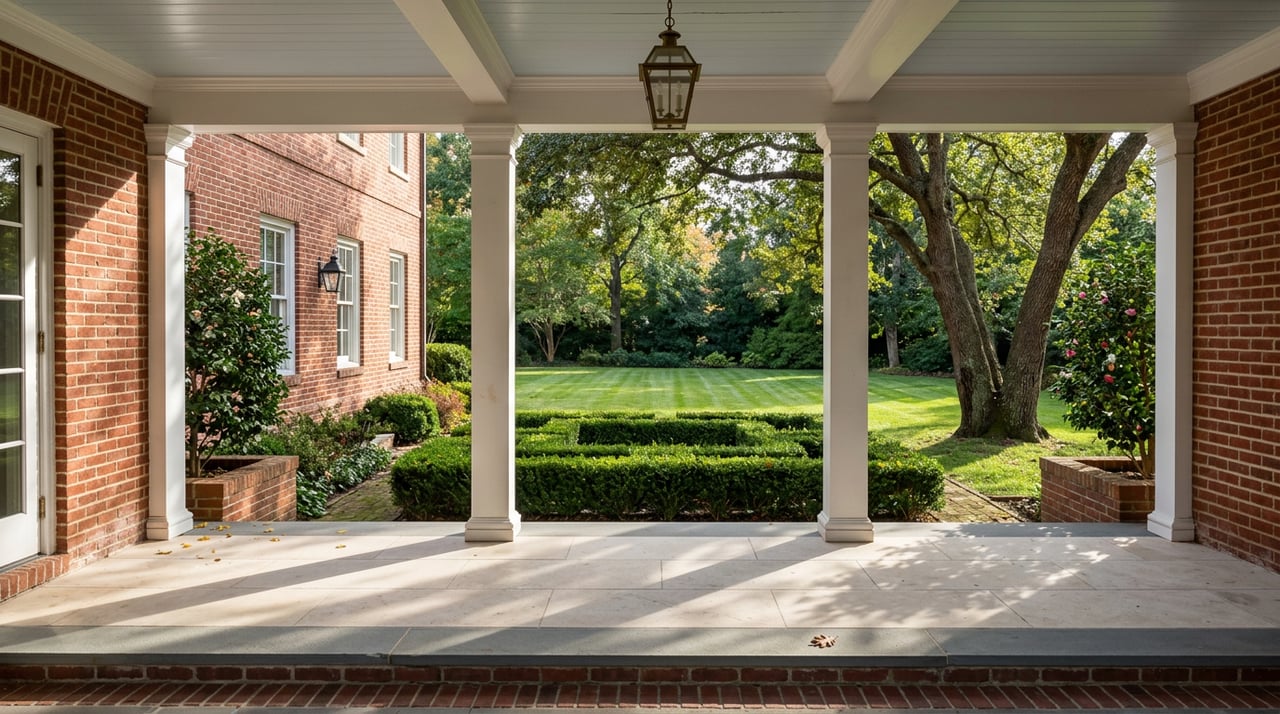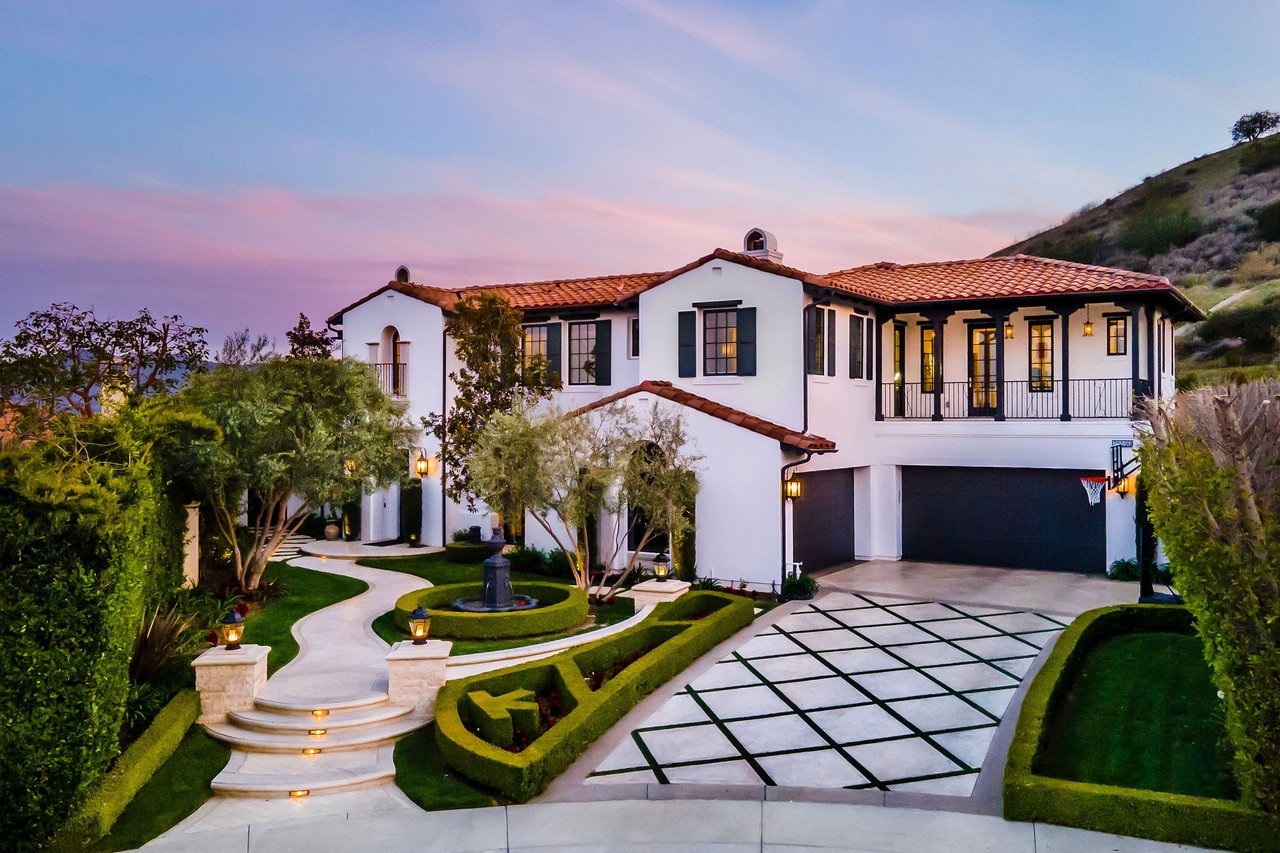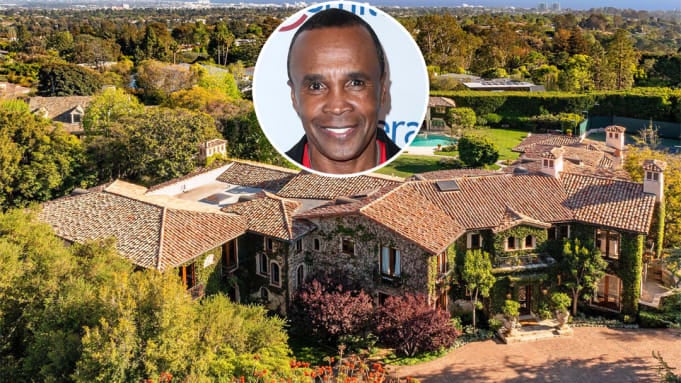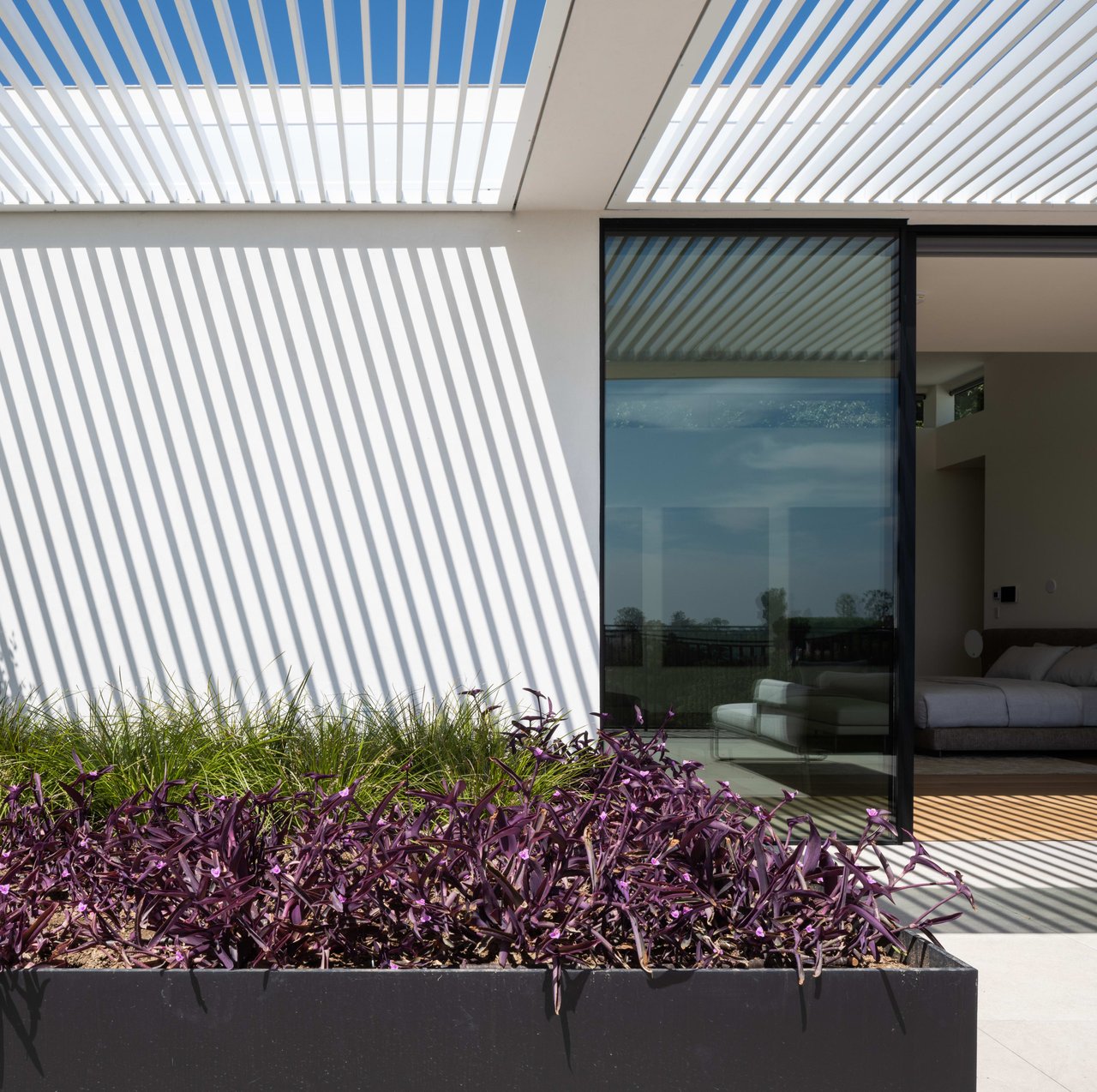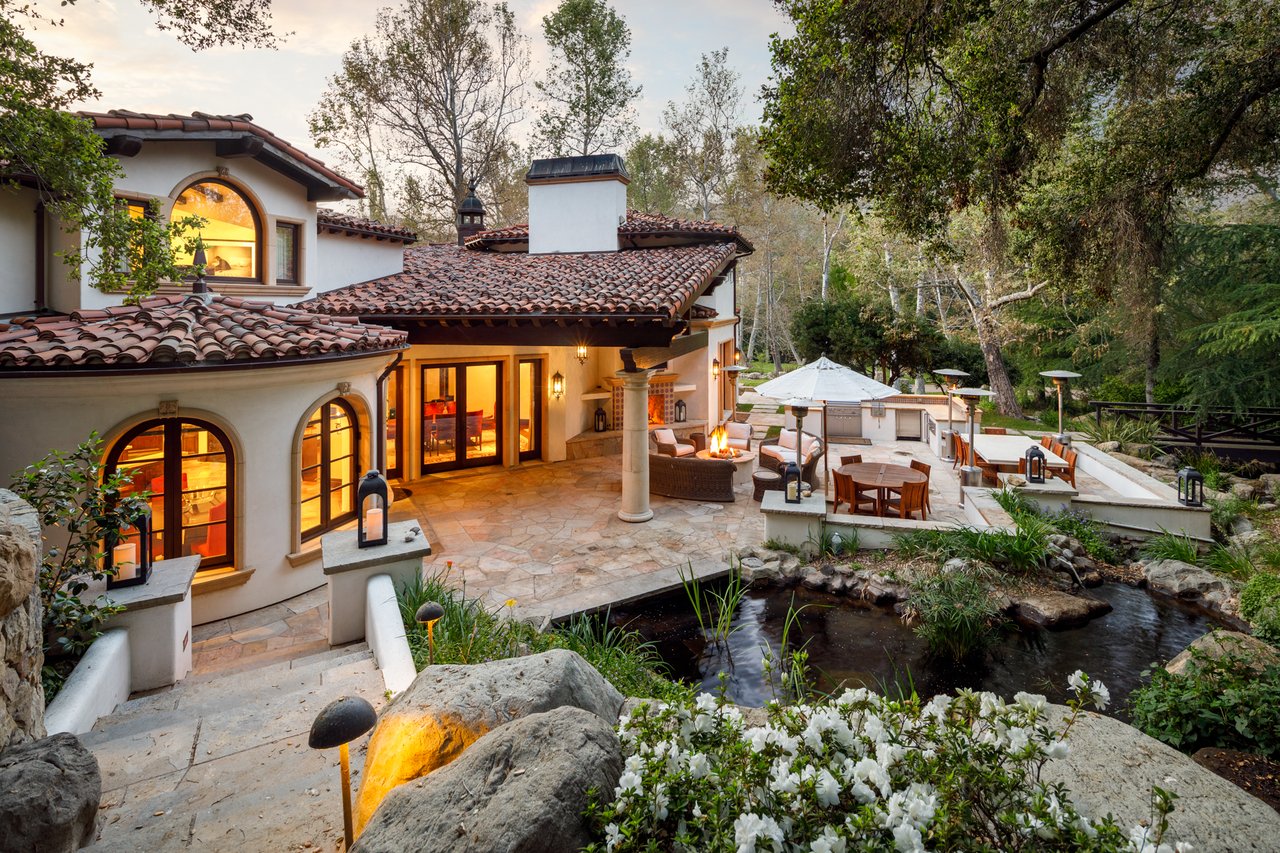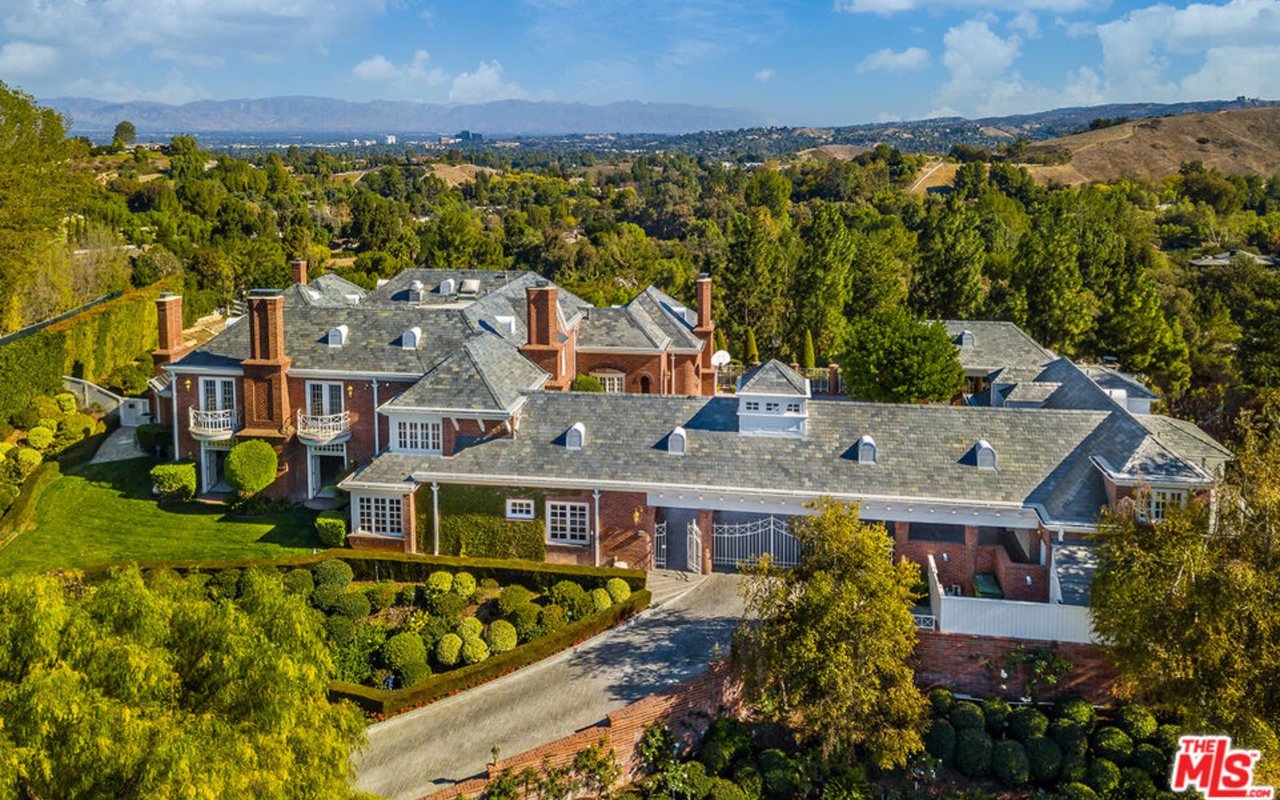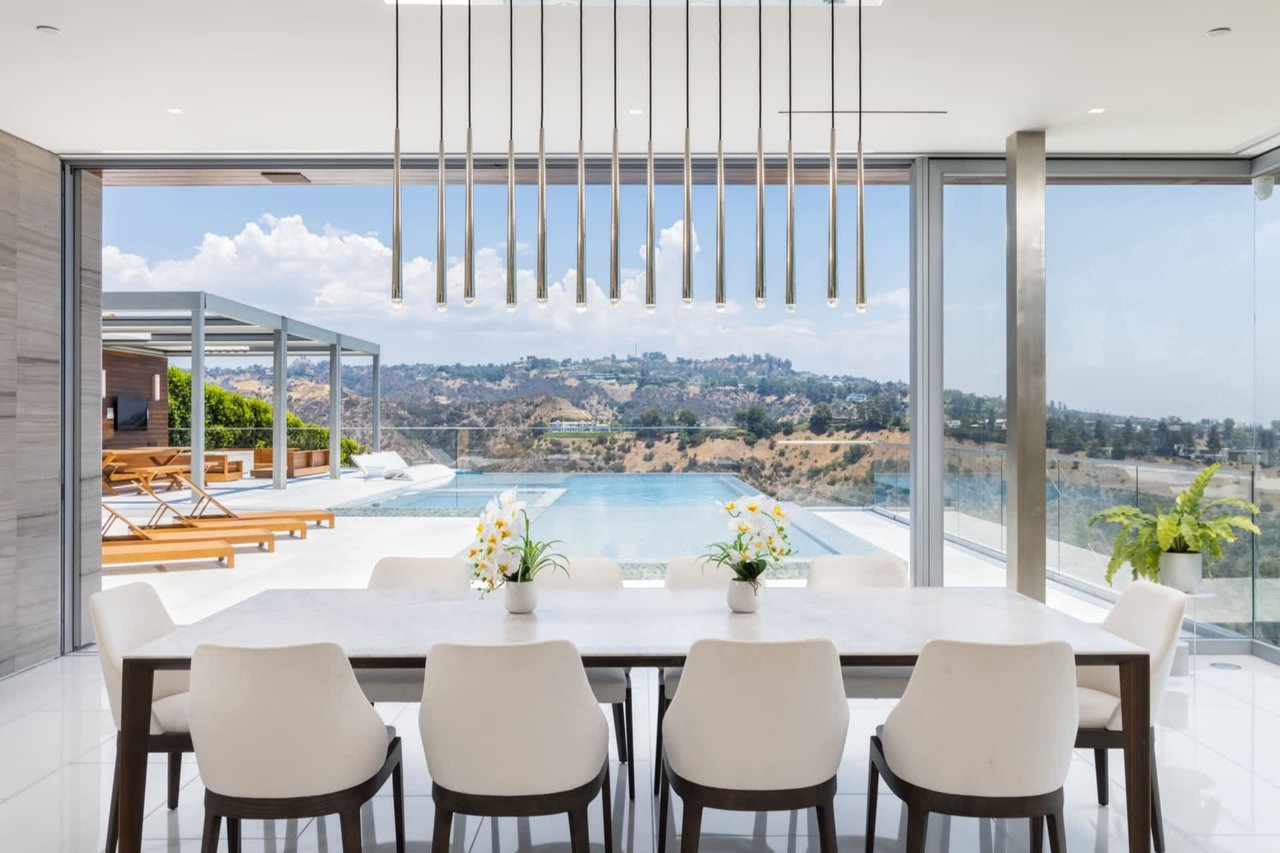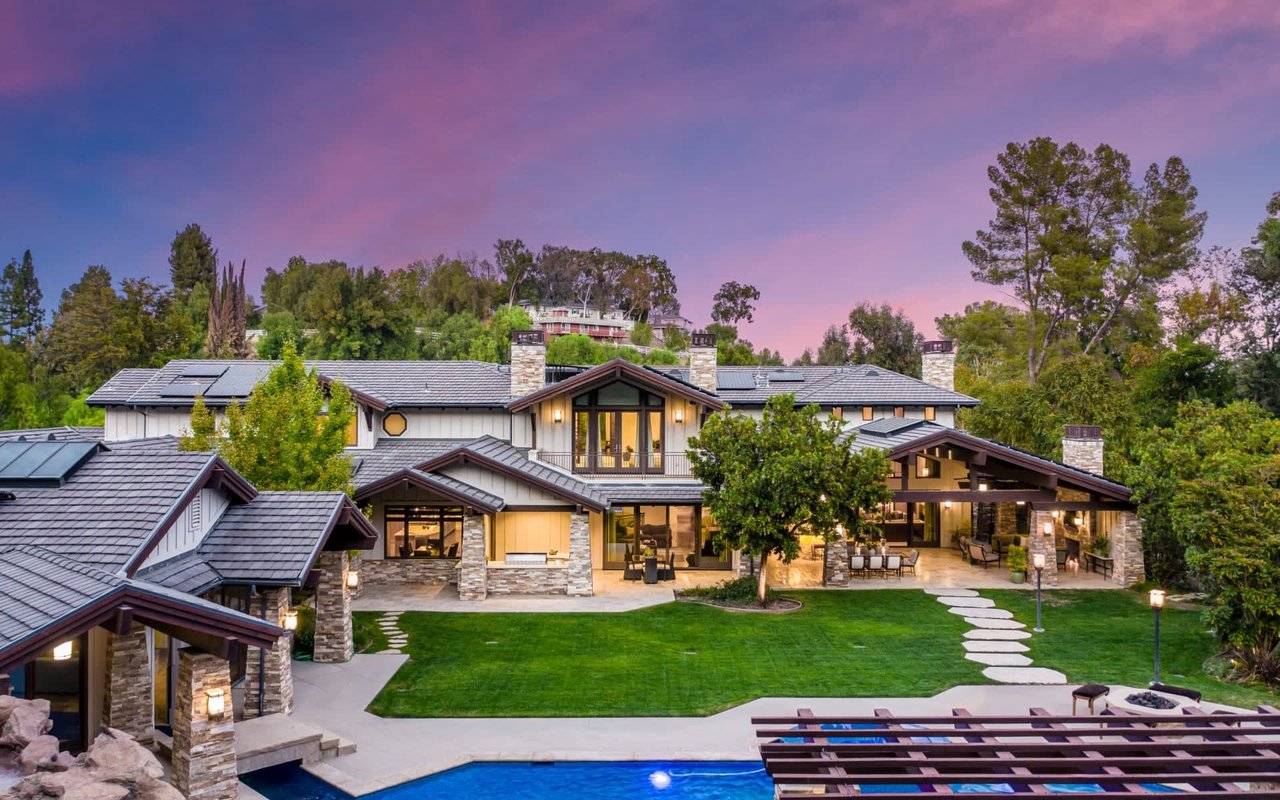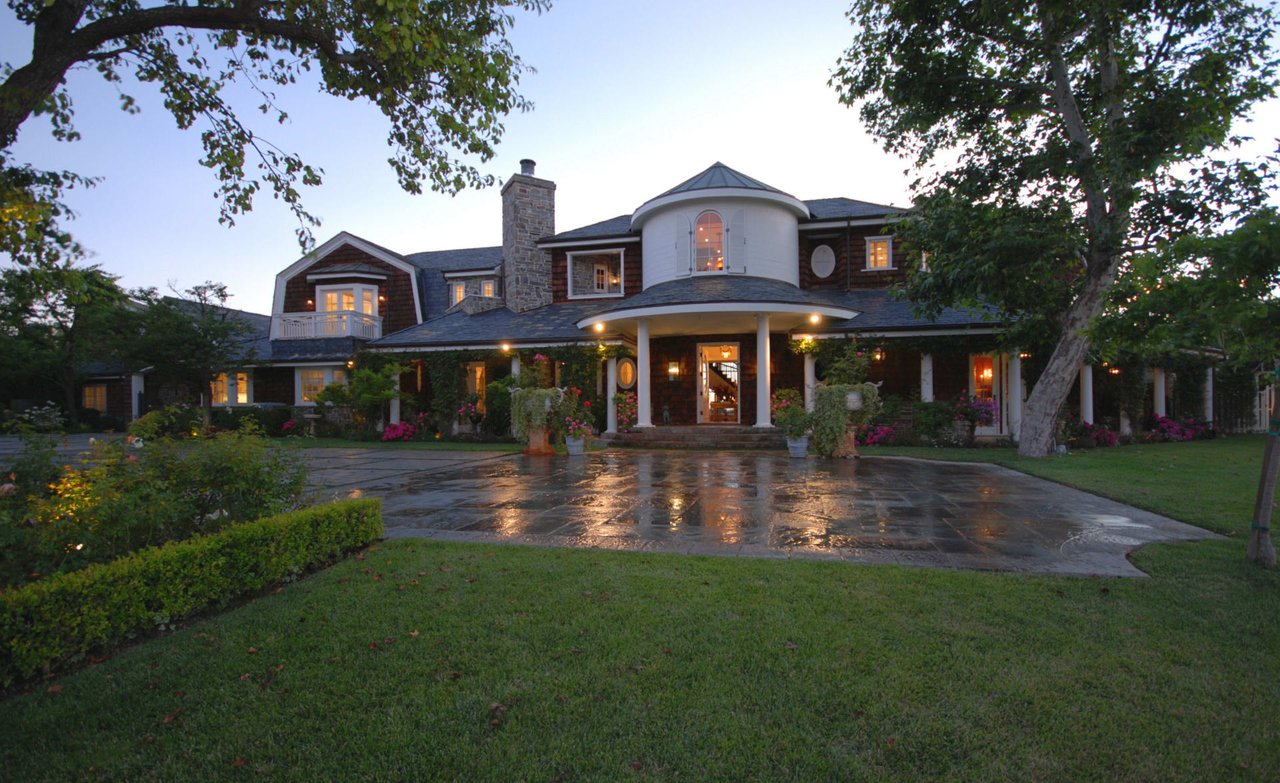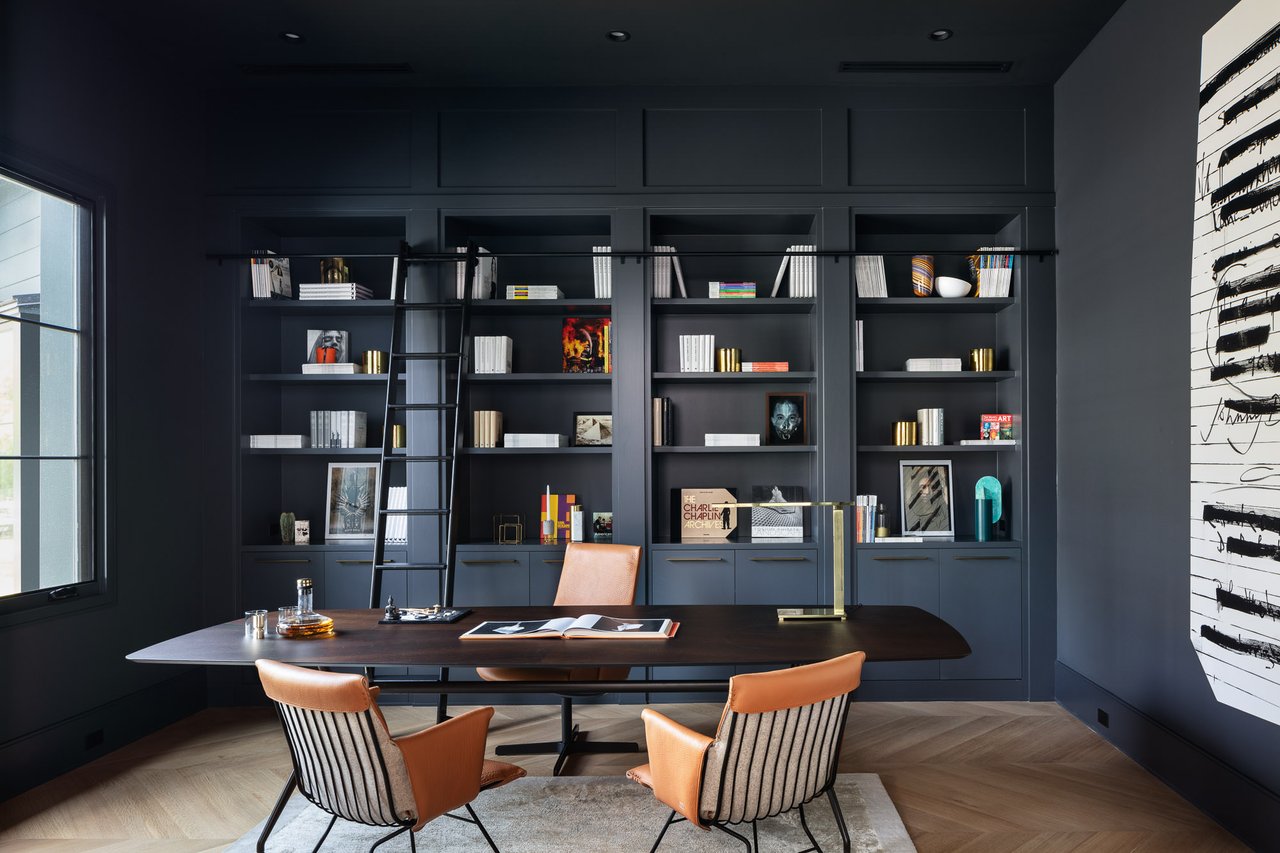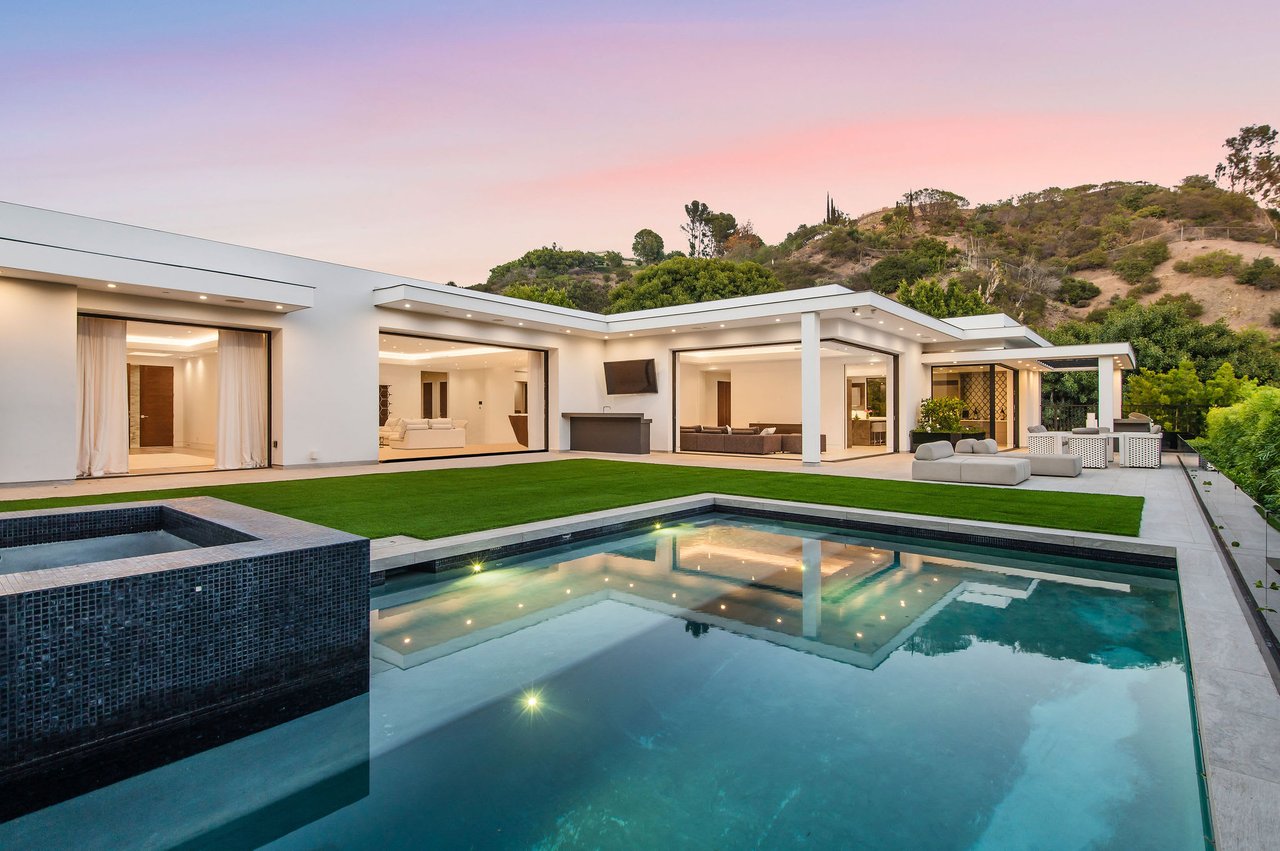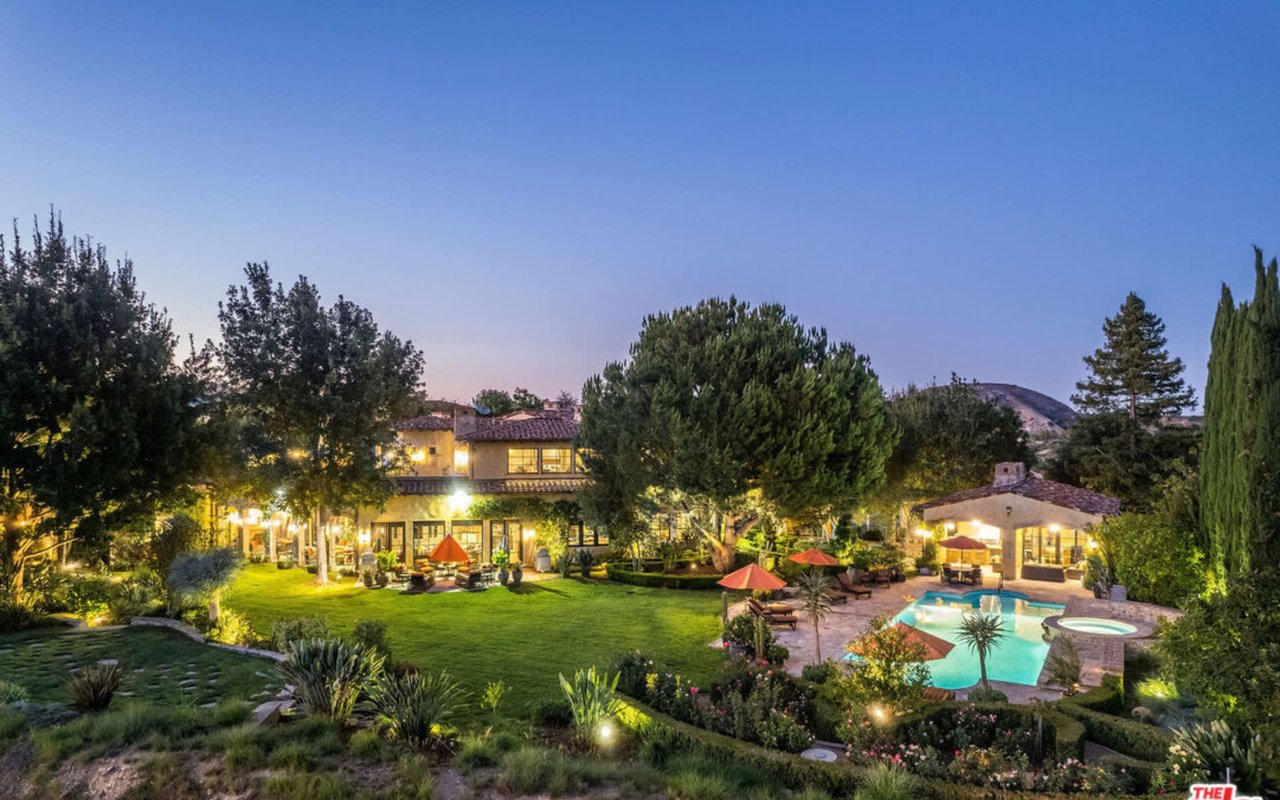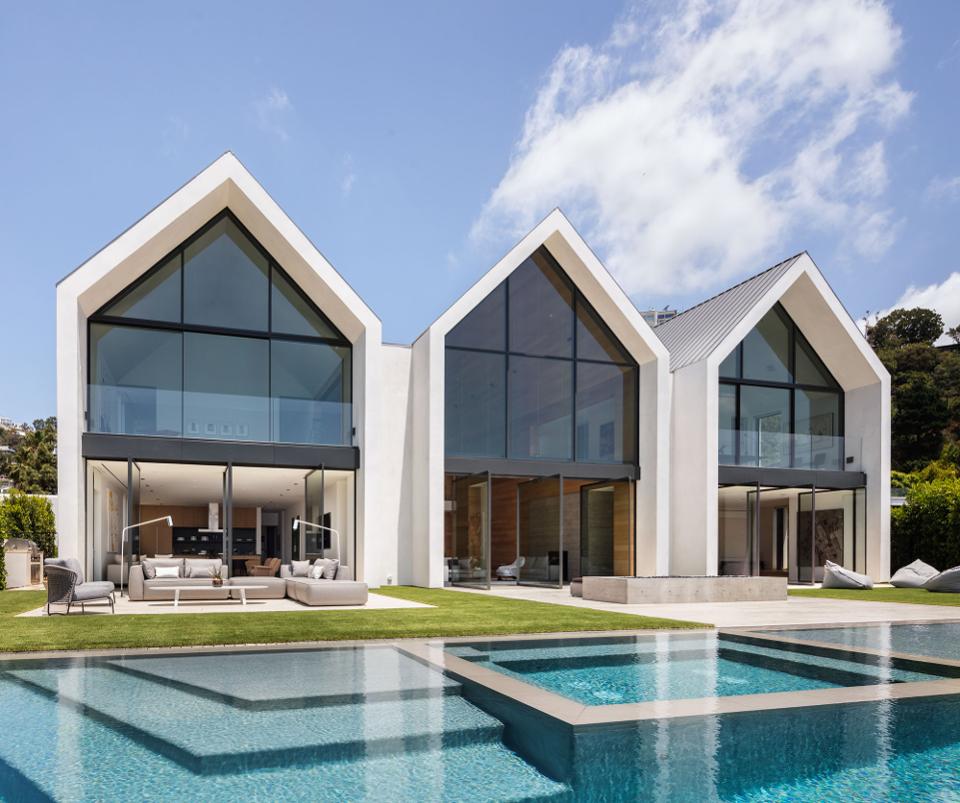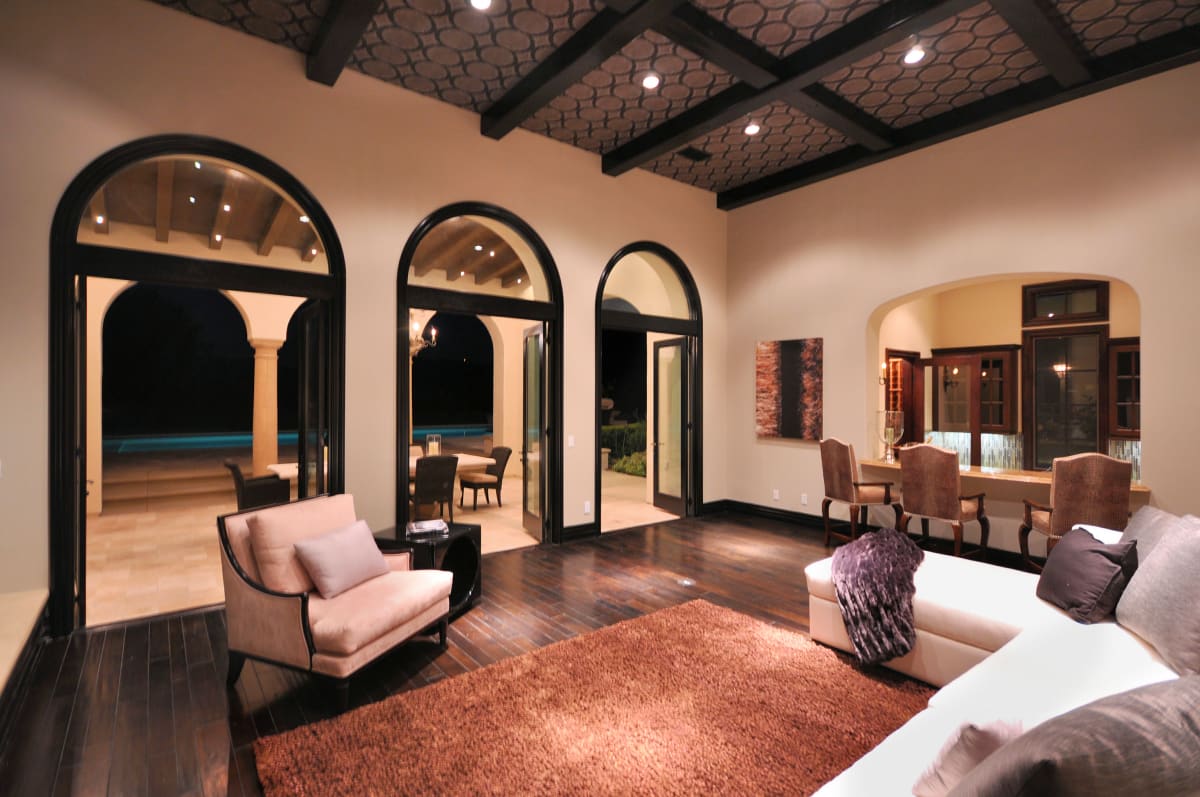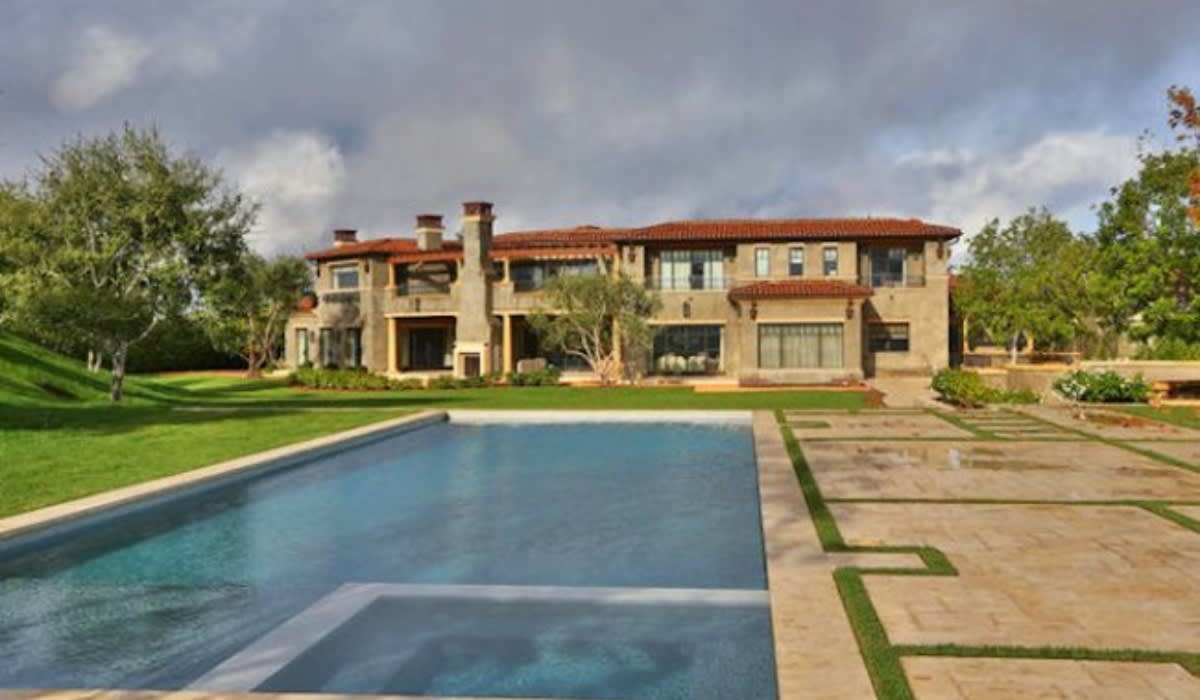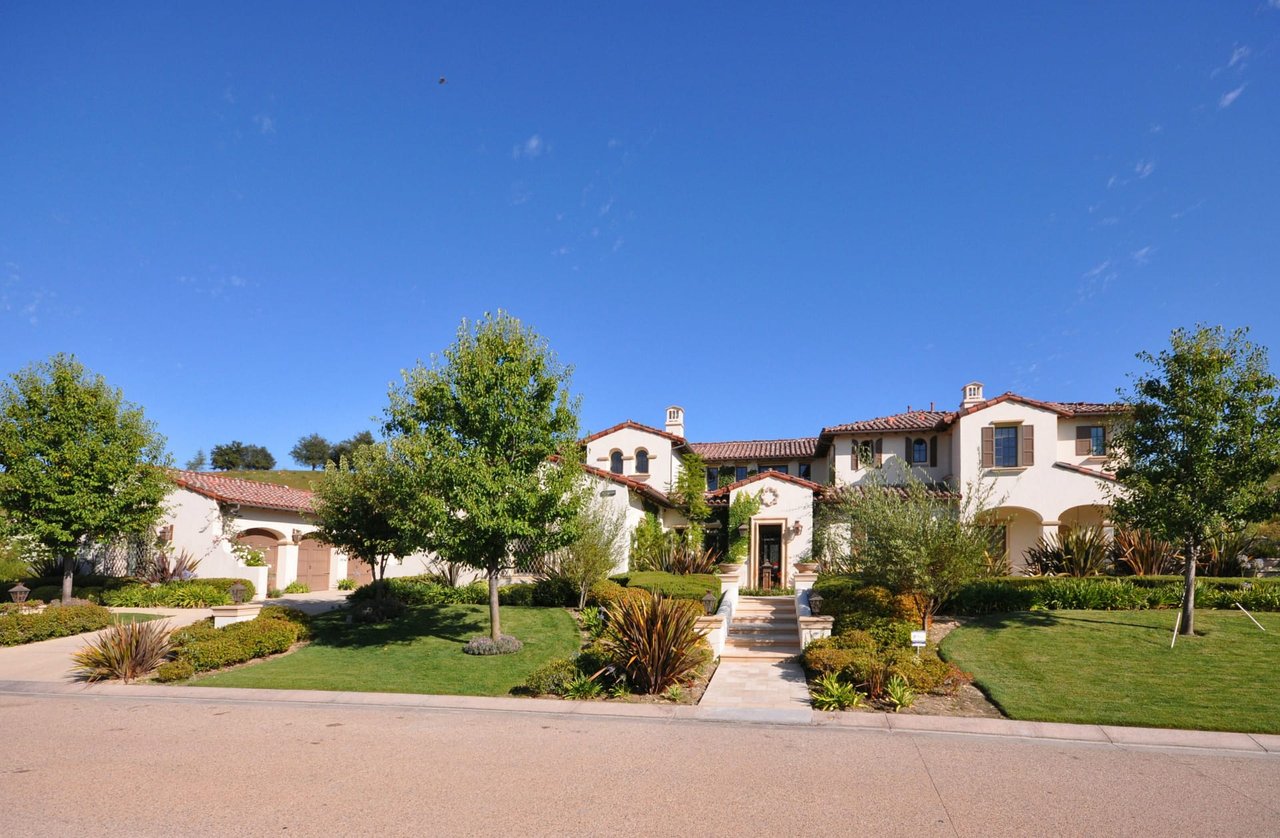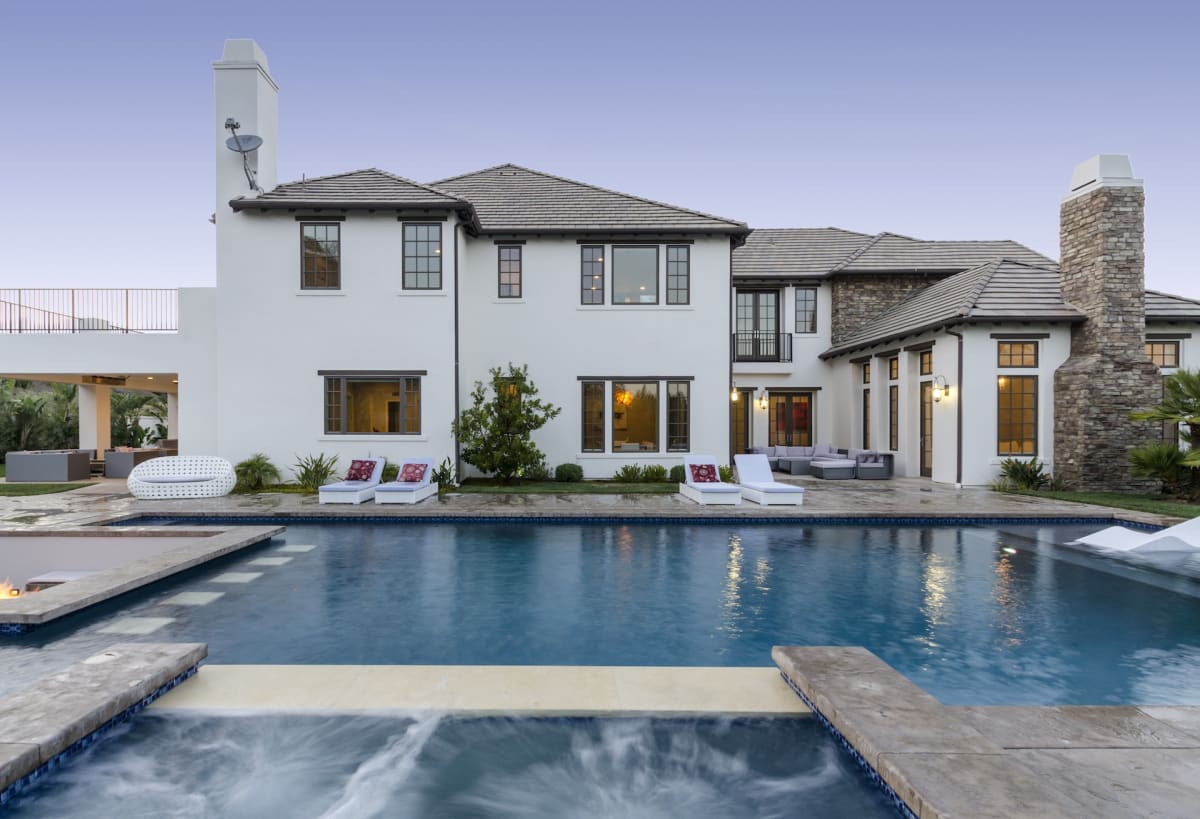
Two numbers describe the same city this summer. One puts the median sale near $5.3 million. Another puts the median list near $12.9 million. The gap is not a data error. It is the story.
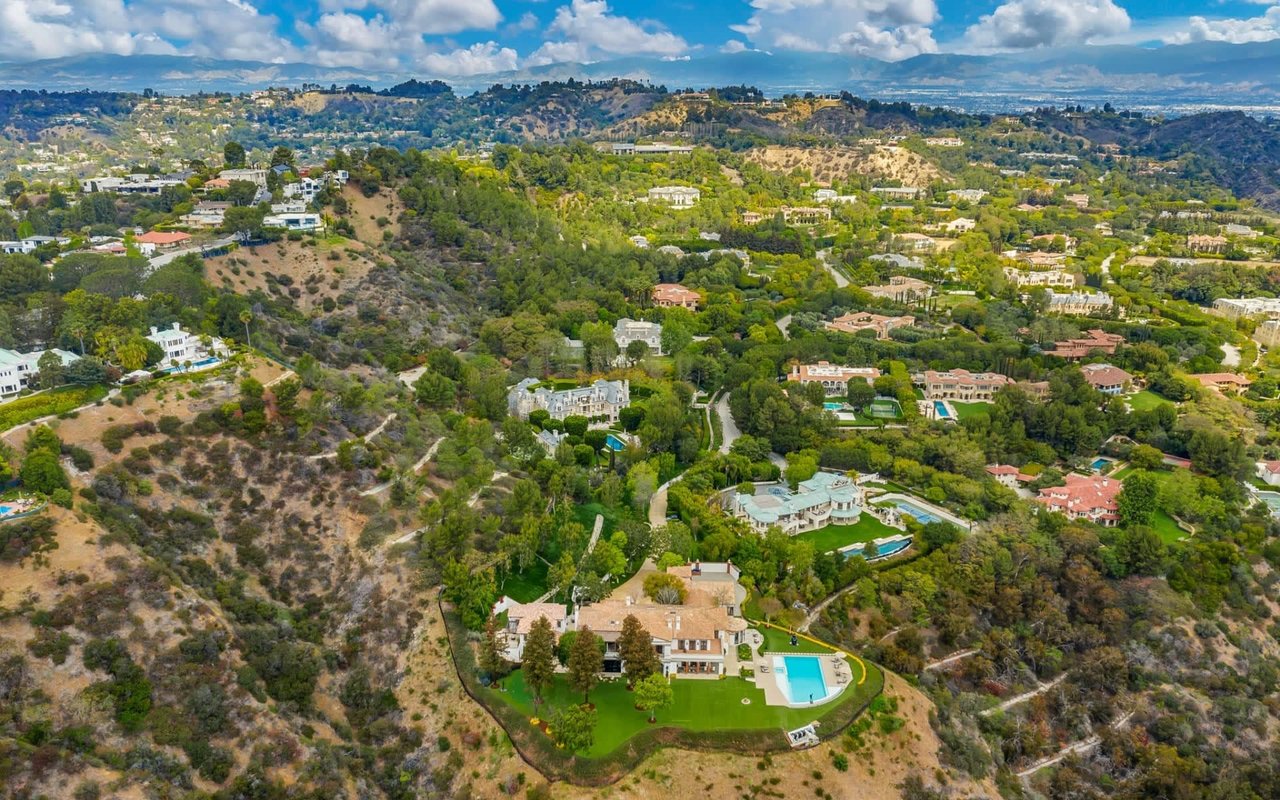
Hidden Hills trades on scarcity, and scarcity punishes assumptions. What follows are the frictions a seller inside the gates should understand before pricing, before staging, and before the first showing on the calendar.
The Number That Doesn't Add Up
Portal medians look contradictory here because the sample is tiny. The Hidden Hills Community Association governs a fixed universe of 658 home sites, with roughly 688 in the current housing stock, and monthly closings often land in the low single digits. That means every recorded sale swings the average, and every stalled listing distorts the picture.
The current spread, read carefully:
- Median sale price, three months ending May 2026: roughly $5.3 million, down about 12% year over year, with a median of 64 days on market.
- Zillow Home Value Index, mid-2026: approximately $4.88 million, down about 4.4% year over year.
- Sale-to-list ratio, February 2026: about 92%, with price reductions appearing on roughly 13% of active listings, up from under 5% a year earlier.
- Median list price, mid-July 2026: about $12.9 million across 36 active listings, with an average of 88 days on market.
Read those figures together and the mechanism becomes visible. Sellers are pricing to aspiration. Buyers are transacting to reality. The bid-ask sits wide, and time is doing the negotiation.
The ULA Line You Cross by Not Crossing It
Hidden Hills is one of the few fully incorporated gated cities in California, and that municipal status has quietly become a pricing lever. Measure ULA, the City of Los Angeles transfer tax, applies to residential transactions inside city limits at 4% starting near the $5.3 million threshold and 5.5% at roughly $10.6 million, with thresholds resetting each fiscal year on July 1. Hidden Hills, as its own city, is exempt from Measure ULA.
For a $12 million sale, that exemption is worth roughly $660,000 that a Bel Air or Beverly Hills seller effectively concedes at the closing table. It does not appear on your settlement statement as a credit. It appears as a buyer who can pay more for the same asset without changing their all-in cost.
May Nachum, an agent at The Agency and a Hidden Hills resident, and her colleague Blair Chang framed the current value proposition bluntly. "A $20 million house in Hidden Hills would be $40 million if you plopped it into Bel Air — same size house, same size lot," Chang told The Real Deal. That framing is the strongest tool a seller has in a soft comp environment, and it should sit at the center of any marketing narrative aimed at cross-shoppers coming from the 90210 and 90077 ZIPs.
Fourteen New Comparables Coming for Your Listing
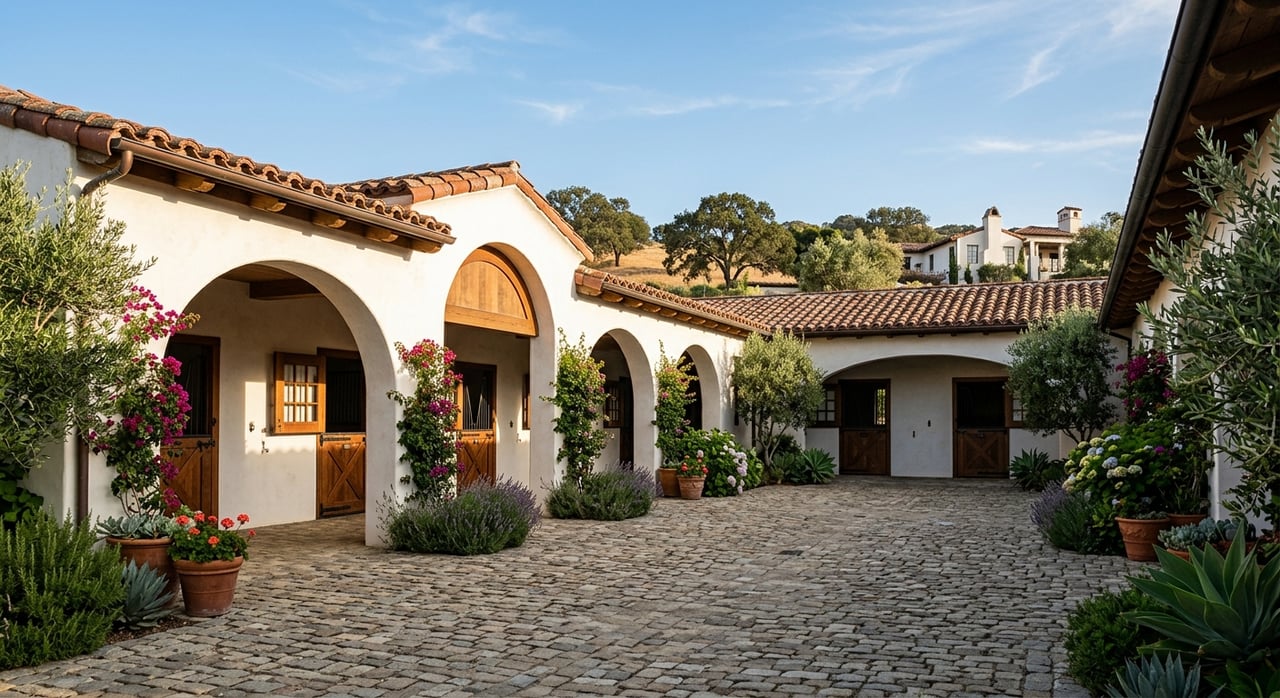
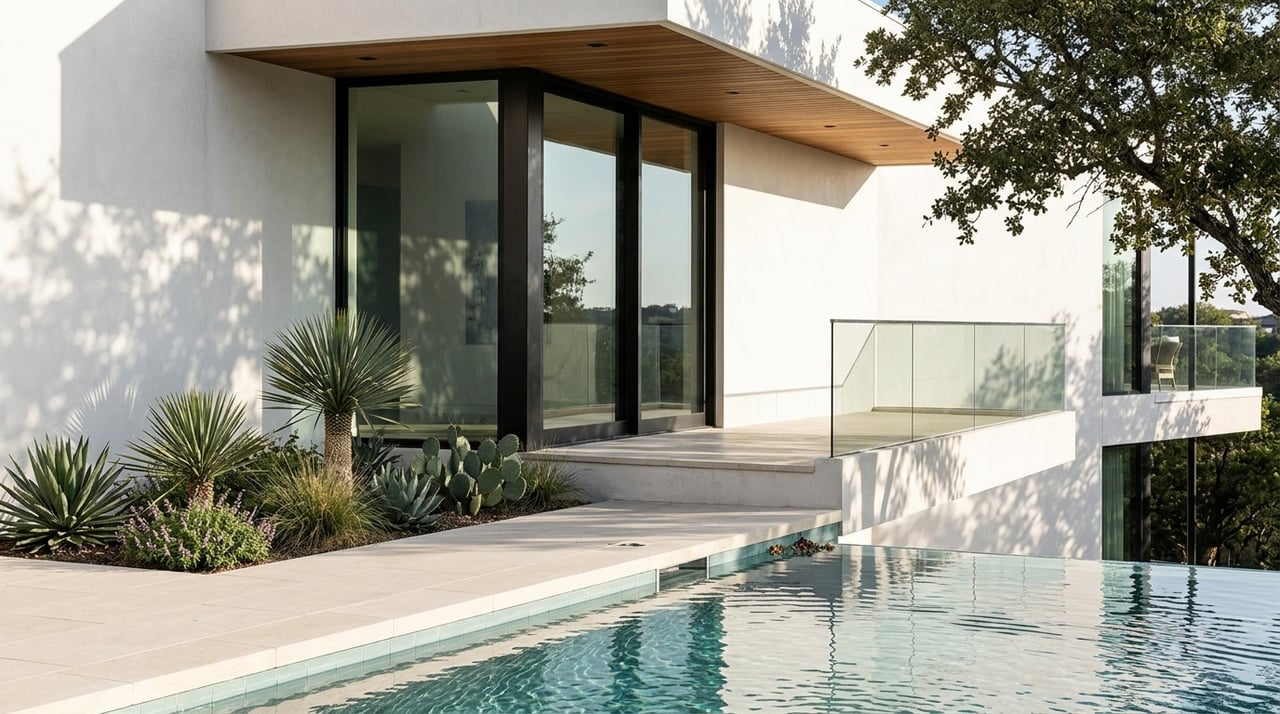
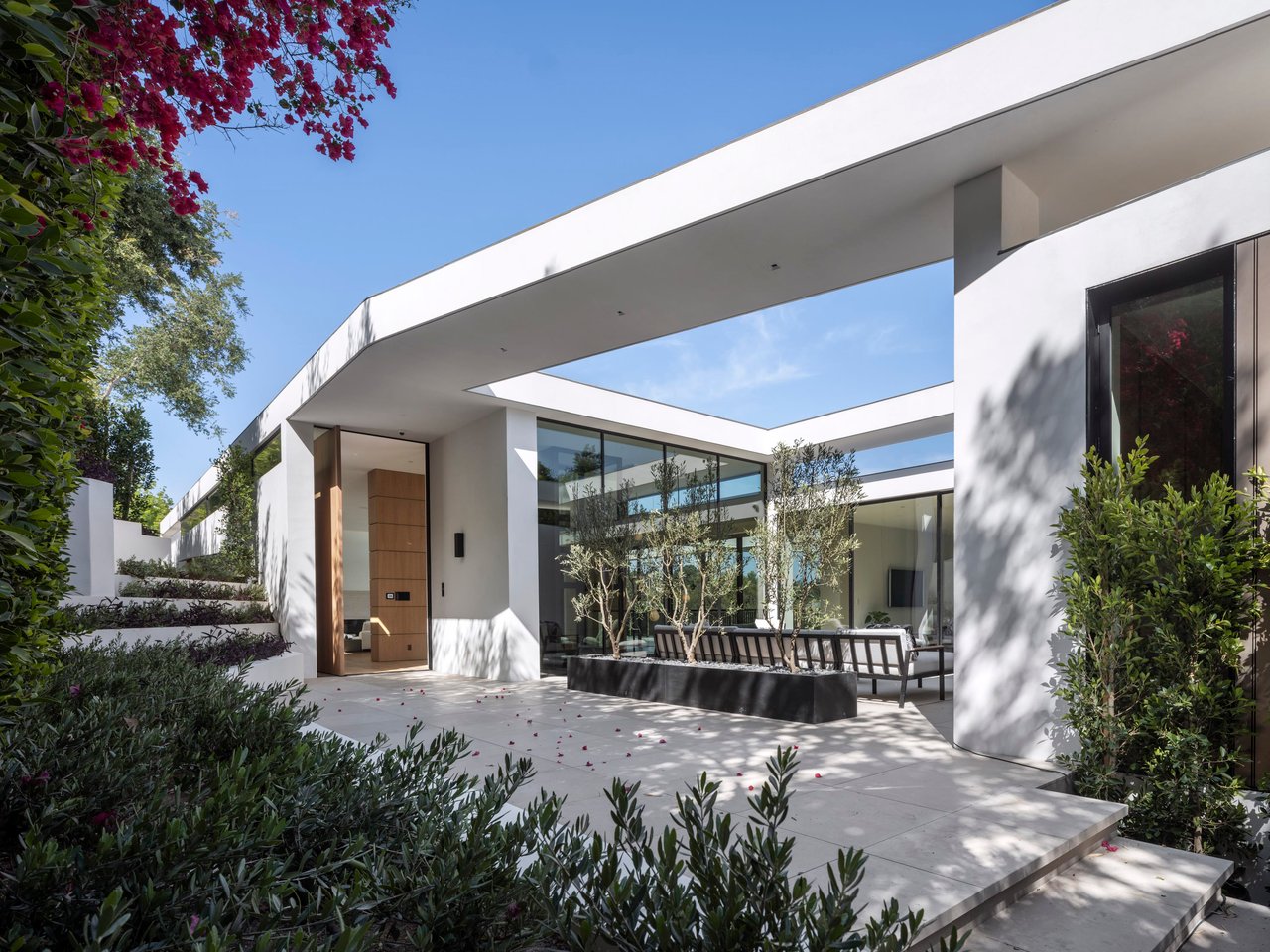
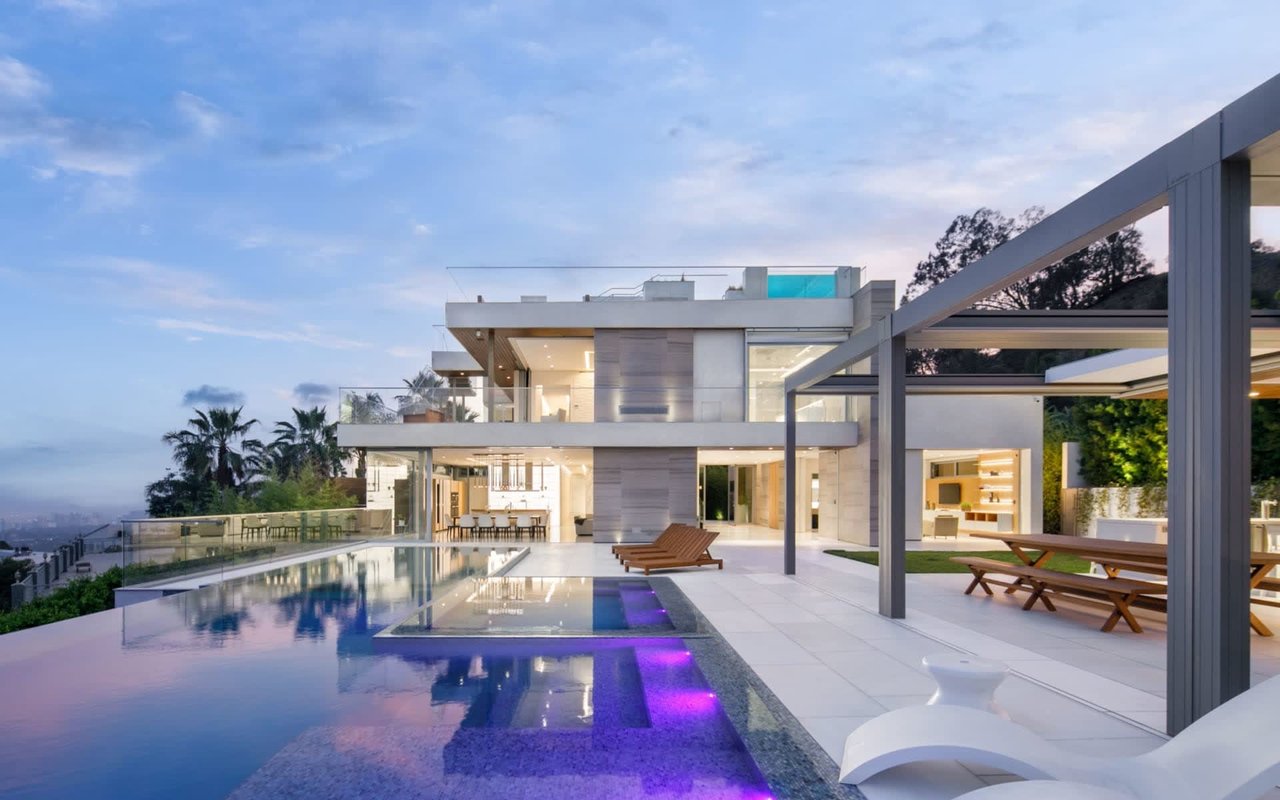
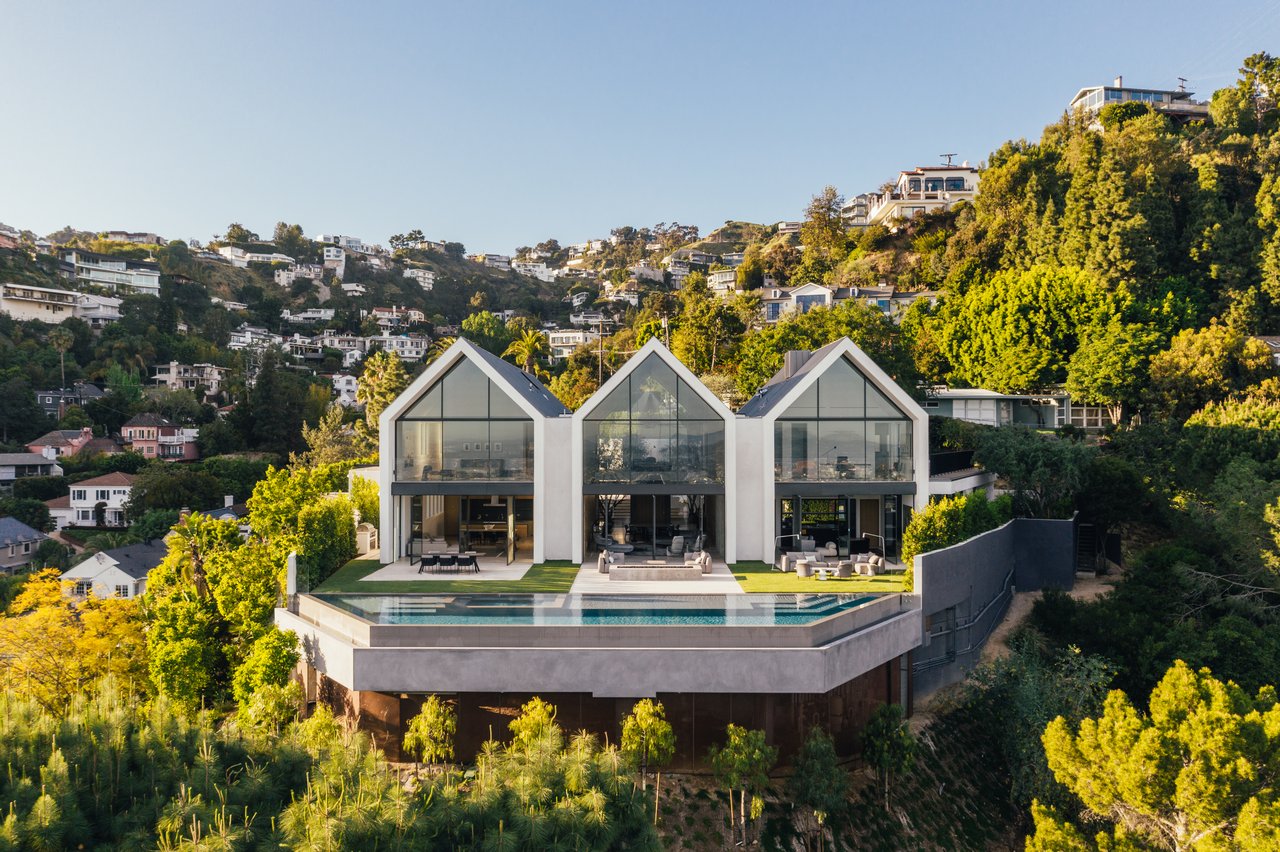
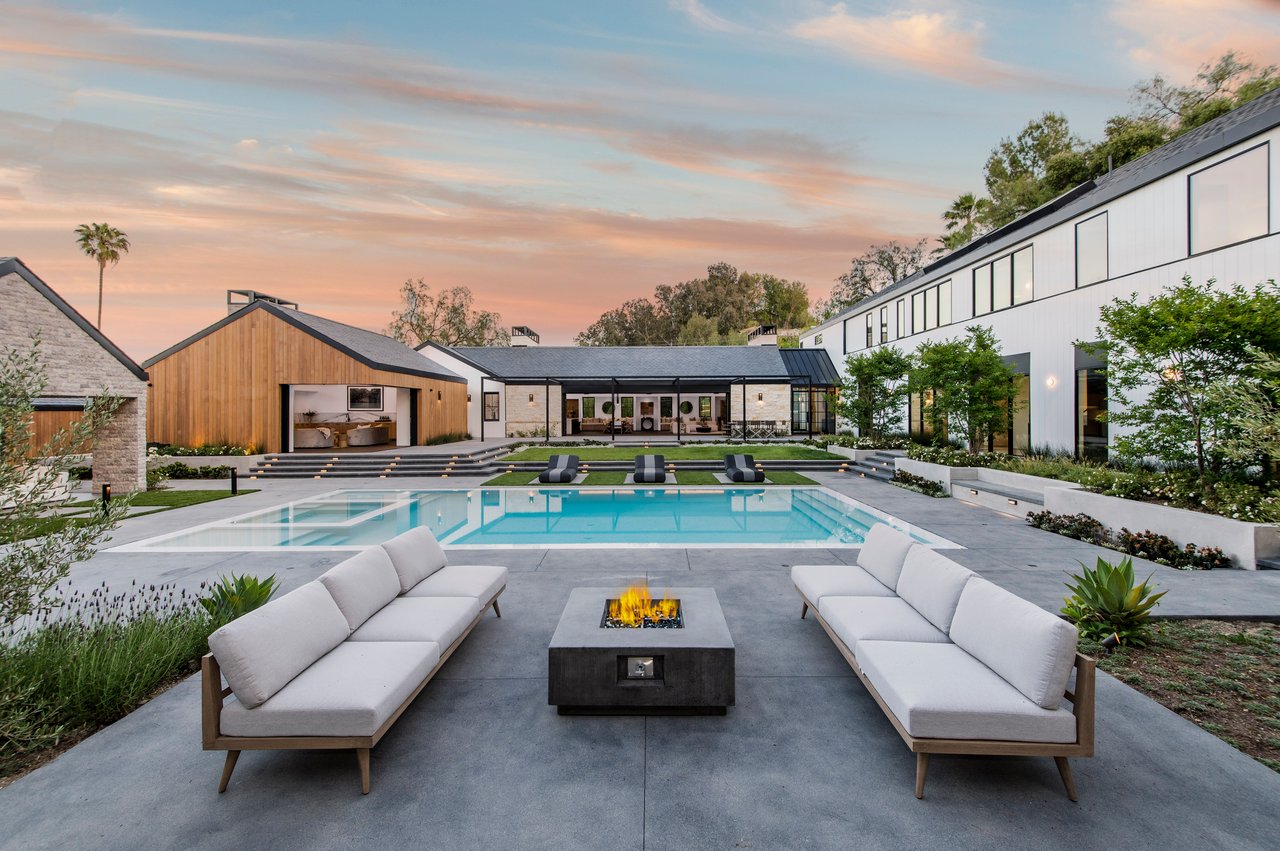
Every resale in Hidden Hills over the next twenty-four months will be priced against a single development. In June 2026, TDR Development brought the first wave of The Collection at Hidden Hills to market. The Collection sits on a 36-acre land buy assembled from one of Hidden Hills' original residents and will comprise 14 new builds, five of which are complete. The listed addresses are 24247, 24227 and 24255 Bridle Trail Road, 25079 Jim Bridger Road and 5831 Fitzpatrick Road, ranging from 11,000 square feet to more than 20,000 square feet on lots up to 2.8 acres, priced between $16 million and $40 million, roughly $1,500 to $2,000 per square foot.
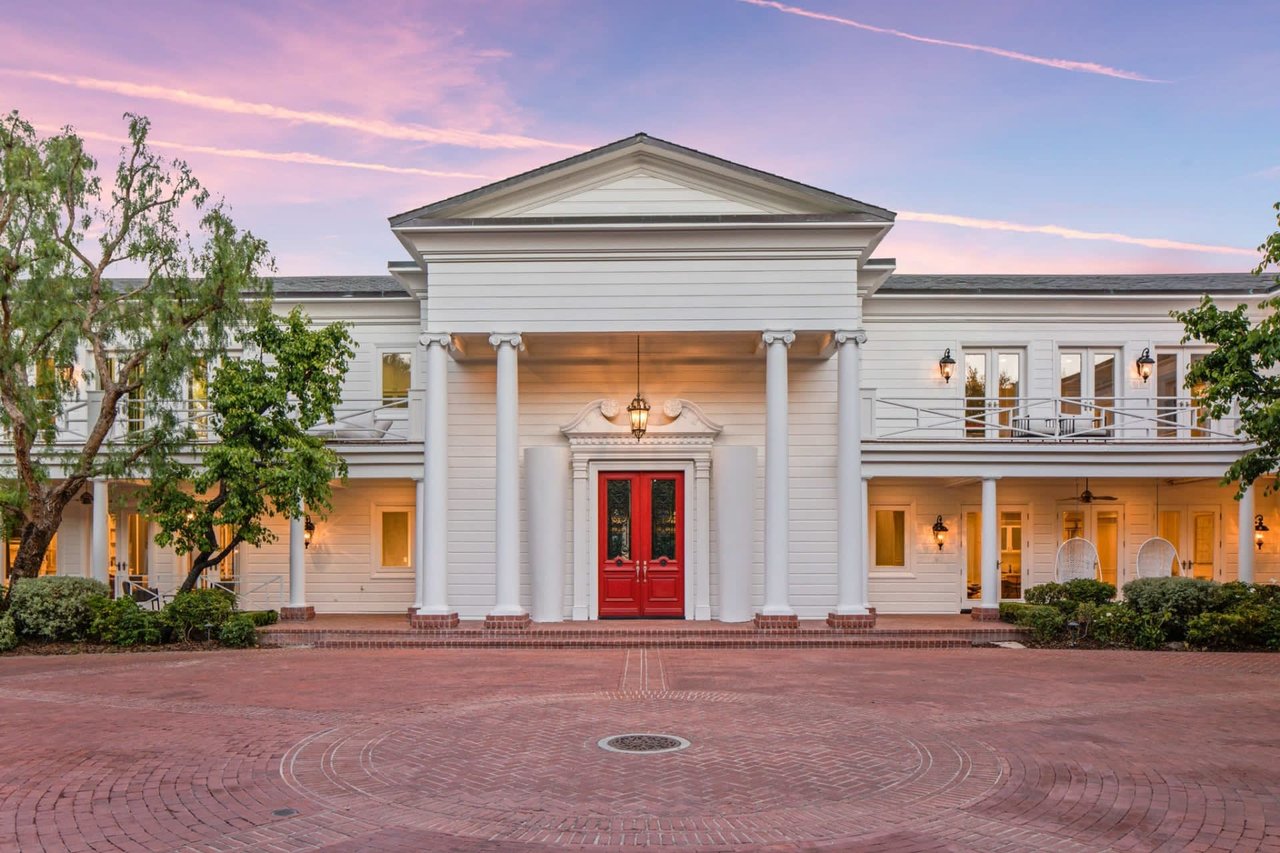
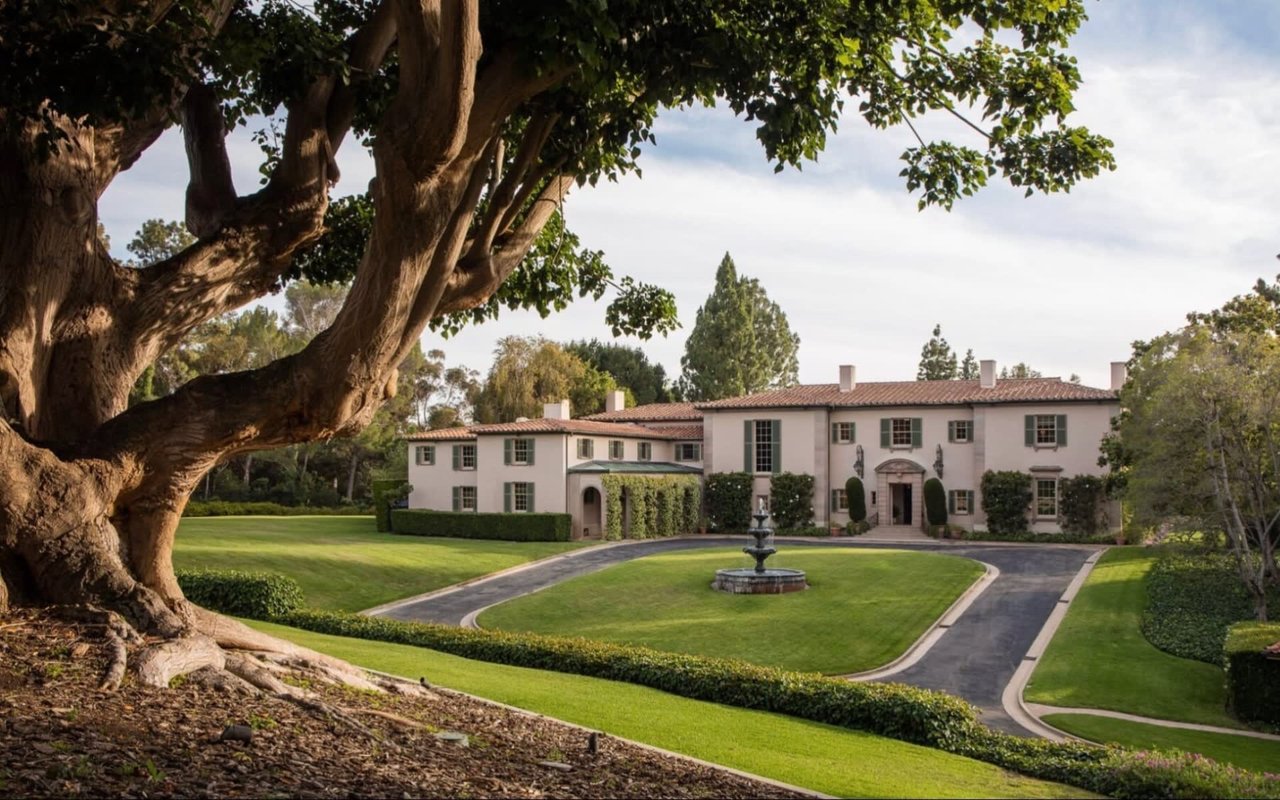
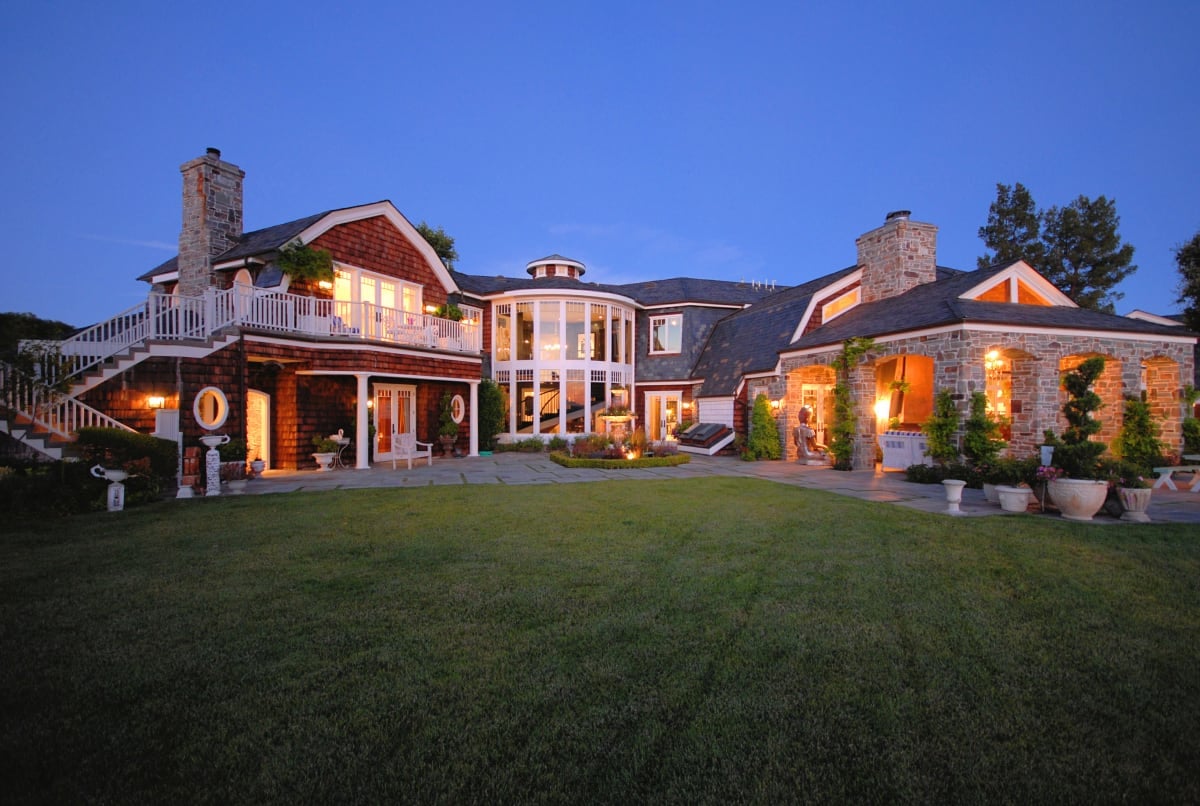
For an owner listing a 2005-vintage estate at $9 million, the pricing arithmetic just changed. Buyers walking through your master closet will have walked through Bridle Trail Road the day before. Any deferred renovation, any traffic-worn stone, any dated glazing detail reads louder against a brand-new comparable at a similar dollar-per-foot. The response is not to compete on newness. It is to compete on land, mature planting, provenance, and lot geometry — the things new construction cannot manufacture on the same timeline.
The Approval That Happens Before the Listing
The pre-listing work in Hidden Hills is not staging. It is entitlement.
Every exterior change touches the HHCA Architectural Committee, and the review layer is more granular than most sellers remember. The Association oversees construction and modifications across the community's 658 home sites and is supported by committees, on-site management staff, and an Architectural Consultant who assists the Architectural Committee and residents with plan approvals. Approvals can be required for repainting, adding shutters, building an outdoor kitchen, removing a pool, or tearing down a barn.
Two consequences follow for a seller. First, any unpermitted or unapproved improvement made during ownership becomes a disclosure item and a re-trade risk during escrow. California sellers already complete a Transfer Disclosure Statement and a Seller Property Questionnaire covering known defects, past claims, and neighborhood conditions, and the HHCA rule layer extends the surface area of what a diligent buyer will ask about. Second, sub-associations complicate the story. Pockets inside the community carry their own CC&Rs on top of the master, and the sub-association's architectural standards can differ. A full HOA document package is typically delivered to a buyer within three business days of a ratified California offer, and any inconsistency between prior improvements and the governing documents surfaces there.
The tactical implication: pull your permit history and your HHCA approval file before you price the home, not after inspection. If a prior owner added a barn, converted a stable, expanded a motor court, or reconfigured perimeter fencing, verify the approvals exist. Reconciling the file at week six of escrow costs leverage. Reconciling it at week zero costs nothing.
What to Sequence Before You List
- Pull the HHCA file and the LA County permit history side by side. Reconcile any additions, ADUs, pools, barns, or exterior modifications against approvals on record.
- Order the disclosure package early. Complete the TDS and SPQ with your legal advisor, and request the full CC&R and sub-association package so nothing surfaces late.
- Price against The Collection, not against 2024 comps. The five new Bridle Trail Road, Jim Bridger Road, and Fitzpatrick Road listings anchor the ceiling. Position land, canopy, and privacy as the differentiators older estates own.
- Build the ULA arithmetic into buyer materials. For any buyer cross-shopping Bel Air, Beverly Hills, or Trousdale Estates, the transfer-tax exemption is a quantifiable line item worth surfacing early in the conversation.
- Coordinate showings around the gatehouse cadence. Three gatehouses control access, and private-showing logistics need to be arranged in advance for buyers, appraisers, and inspectors. Build the calendar with the guardhouse, not around it.
- Confirm equestrian easements before staging outdoor rooms. Bridle trail adjacency and horse right-of-way rules affect fencing, landscaping, and any temporary staging installed on the property.
FAQs
How long should I expect my home to sit on market?
The three-month median through May 2026 landed at 64 days on market, while the average across active inventory in mid-July 2026 sat closer to 88 days. Well-priced homes still trade inside 60. Aspirationally priced homes are the ones dragging the average.
Does the Measure ULA exemption actually affect my price?
It affects the buyer's total cost, which affects what they will pay. On sales above roughly $10.6 million, the exemption represents 5.5% that a comparable City of Los Angeles seller effectively absorbs through a narrower buyer pool. In a market where sale-to-list ratios sit near 92%, that gap is meaningful negotiating room.
Do I need Architectural Committee approval to sell?
No. Approval governs modifications to the property, not the transfer of it. The approval history matters because it appears in disclosures and in the buyer's due diligence.
Should I renovate before listing, given the new construction competition?
Rarely. New builds priced at $1,500 to $2,000 per square foot are not beaten by cosmetic upgrades. They are beaten by land, mature specimen planting, privacy geometry, and story. Invest in what a developer cannot replicate in eighteen months.
Selling inside the gates rewards sequencing over speed. The Fridman Group advises Hidden Hills owners through the entitlement review, disclosure preparation, and pricing narrative that turn a soft-comp market into a considered exit. To discuss timing and positioning for your estate, book an appointment.