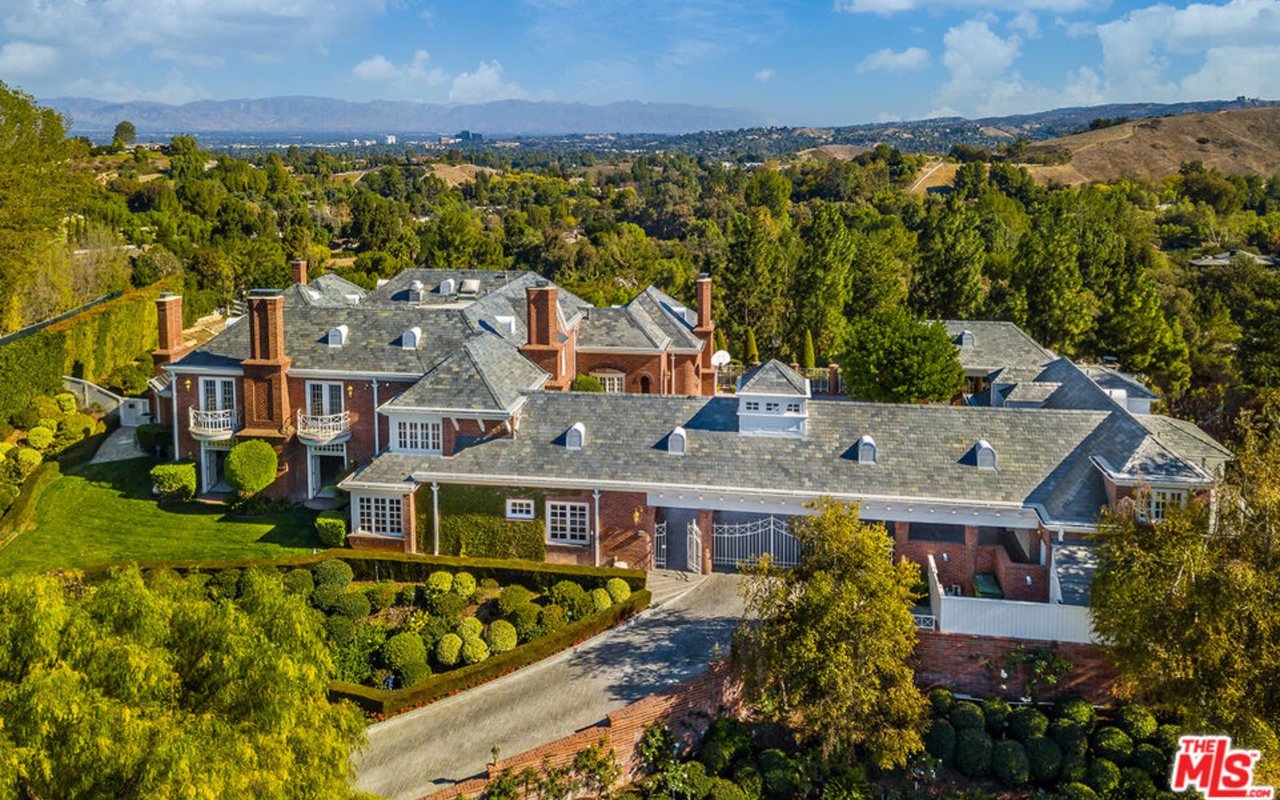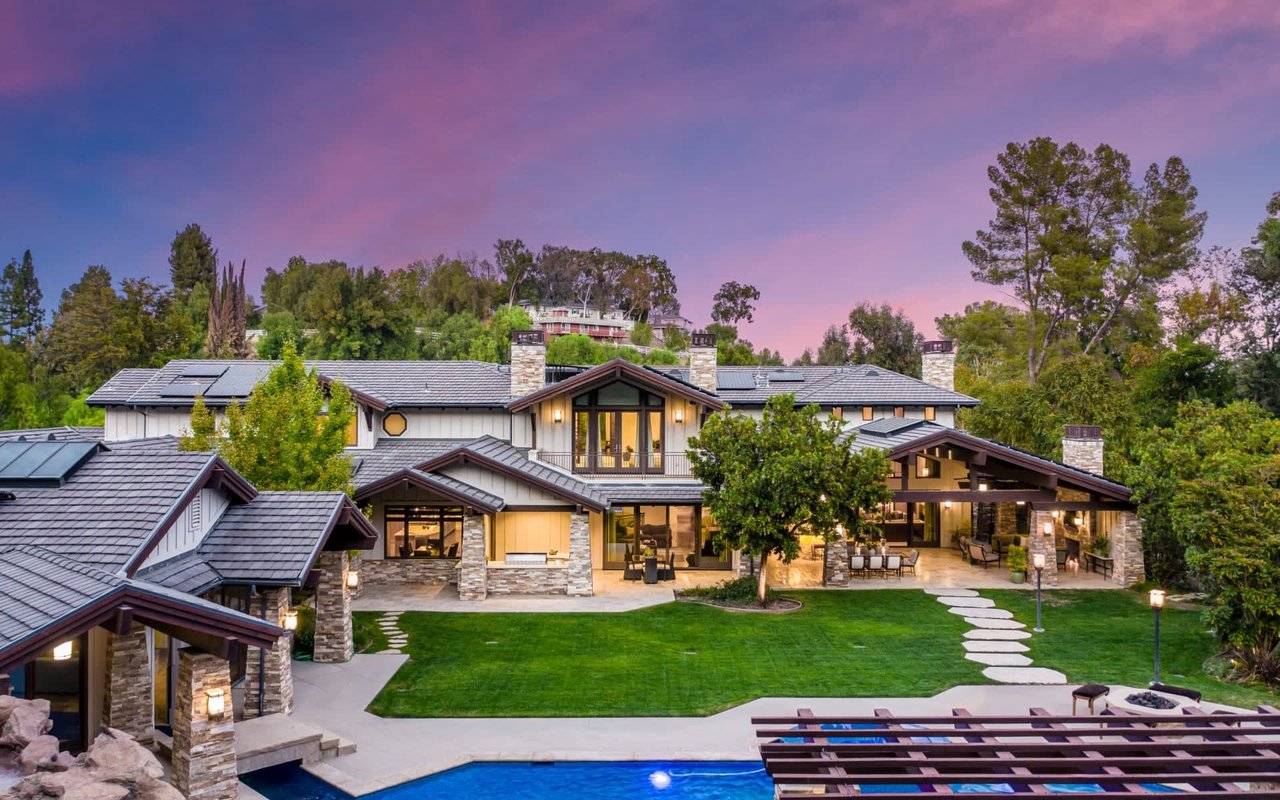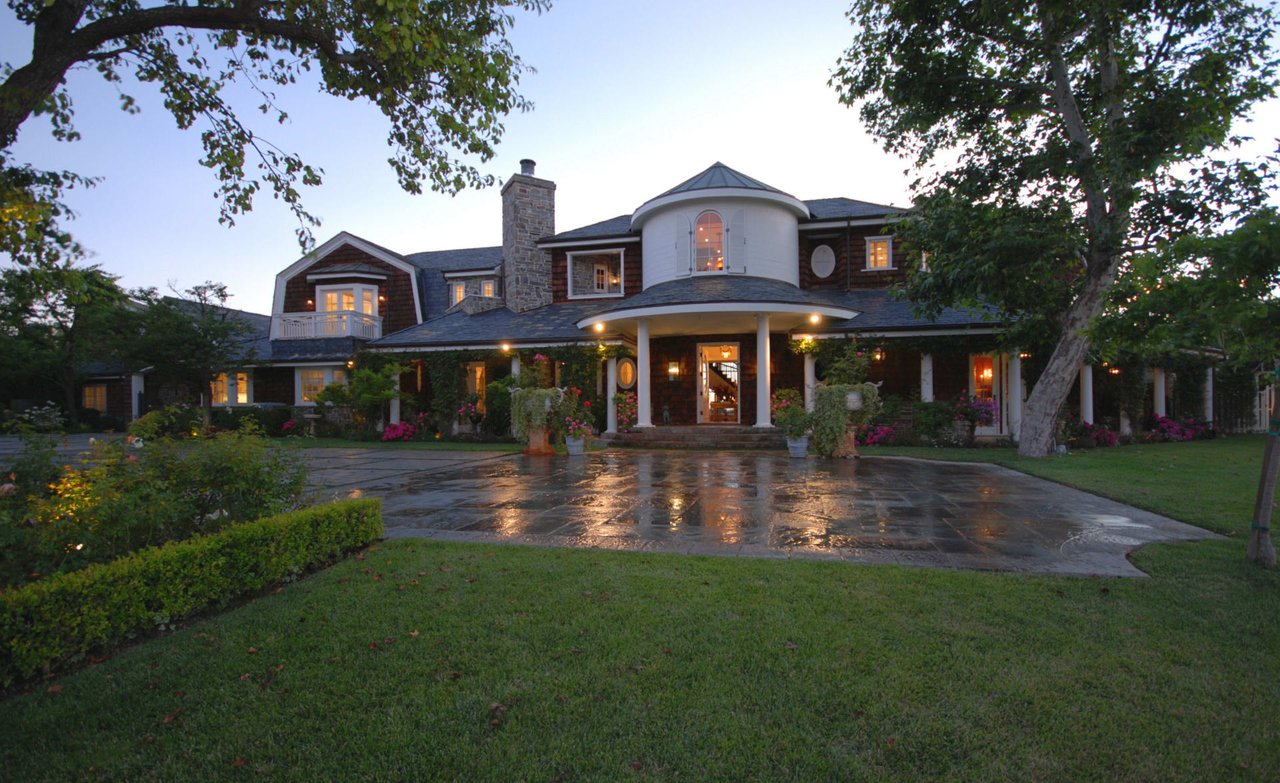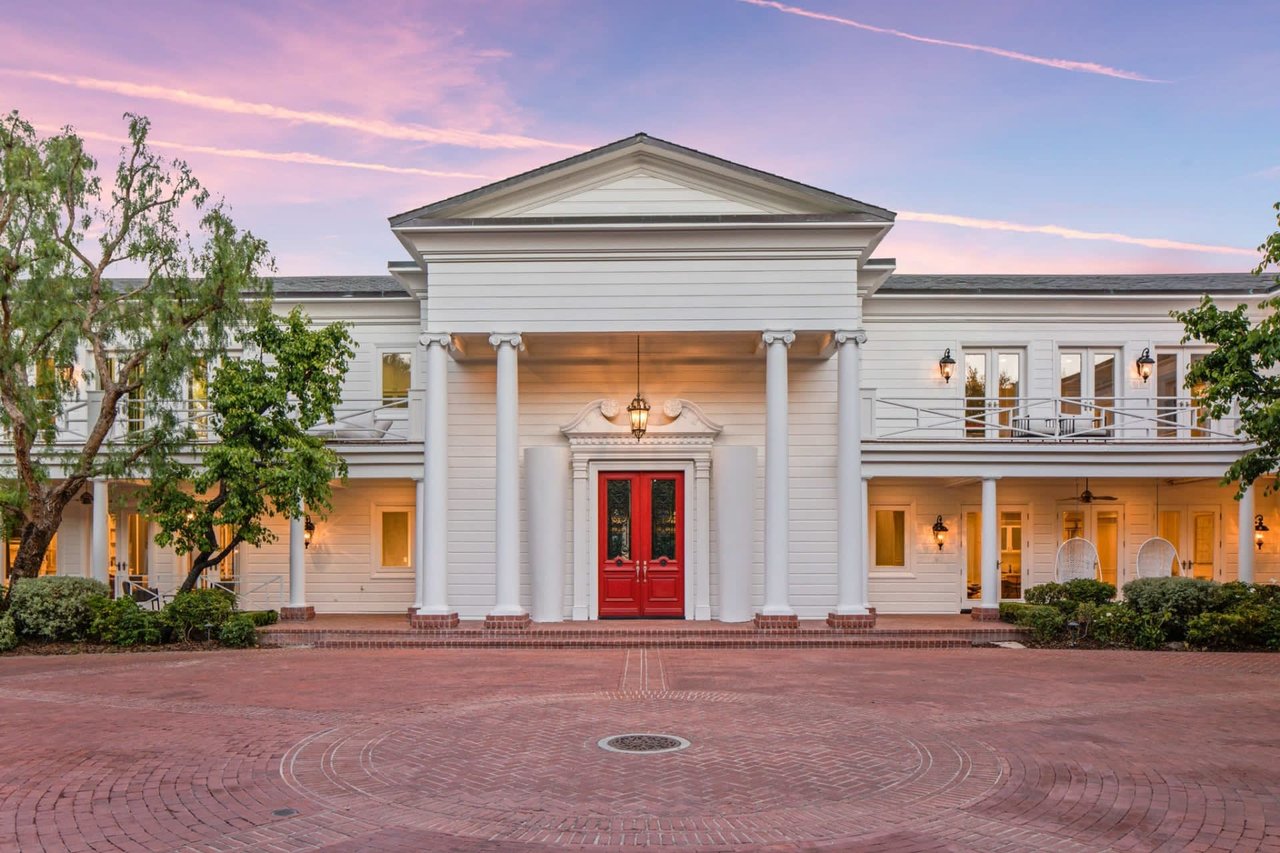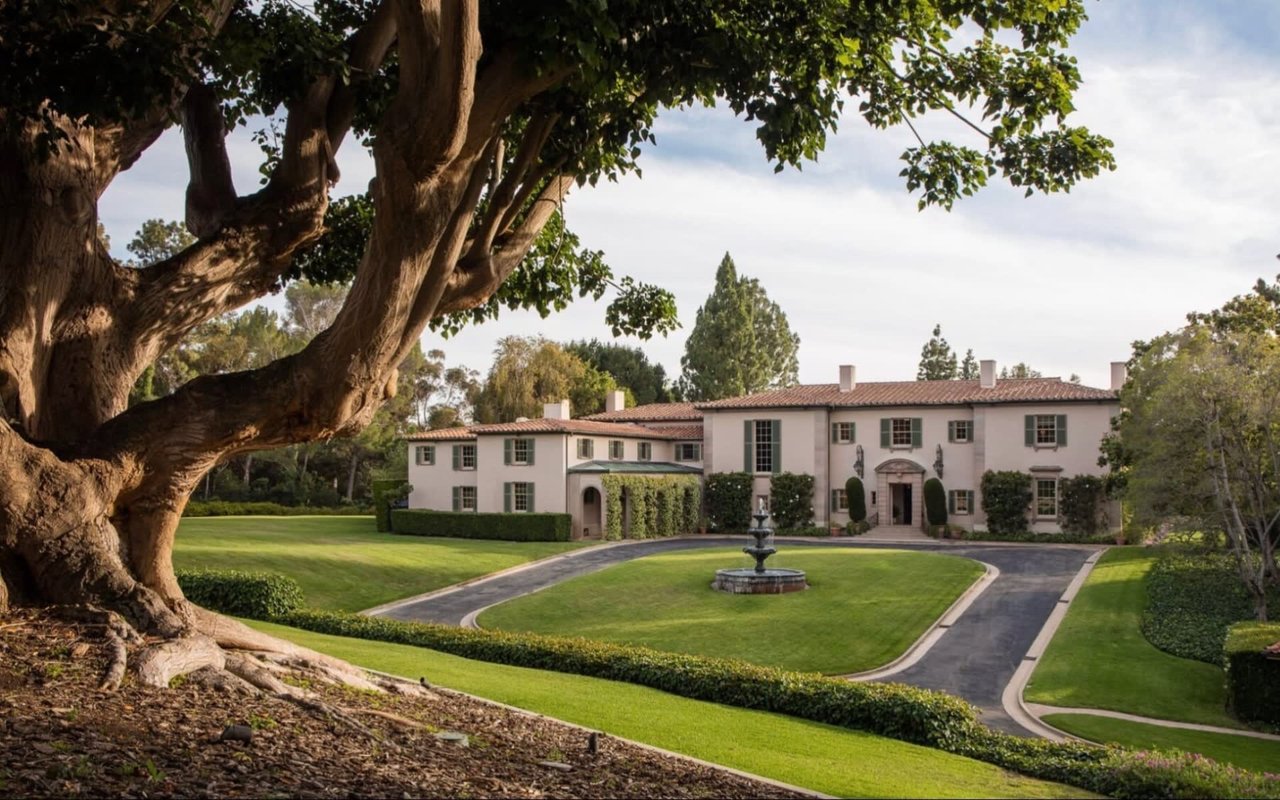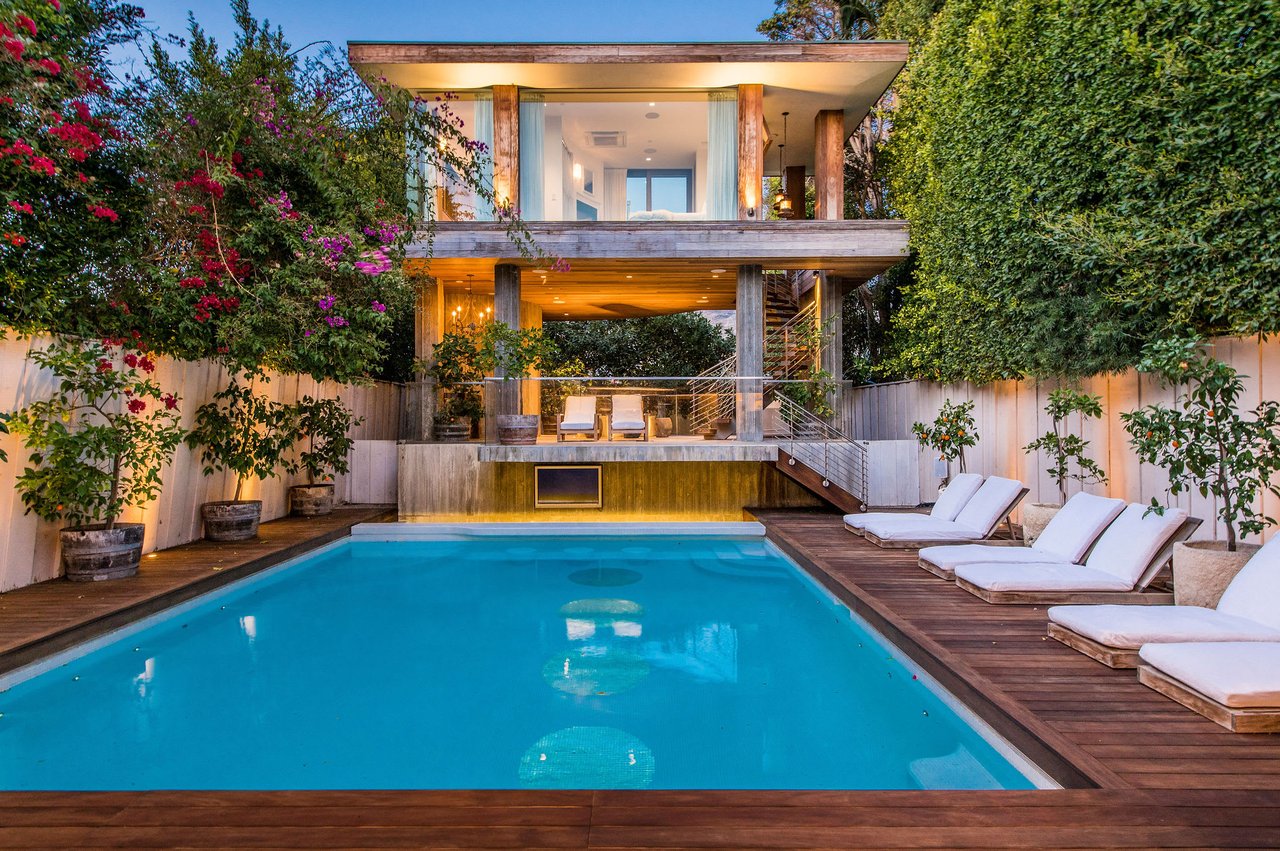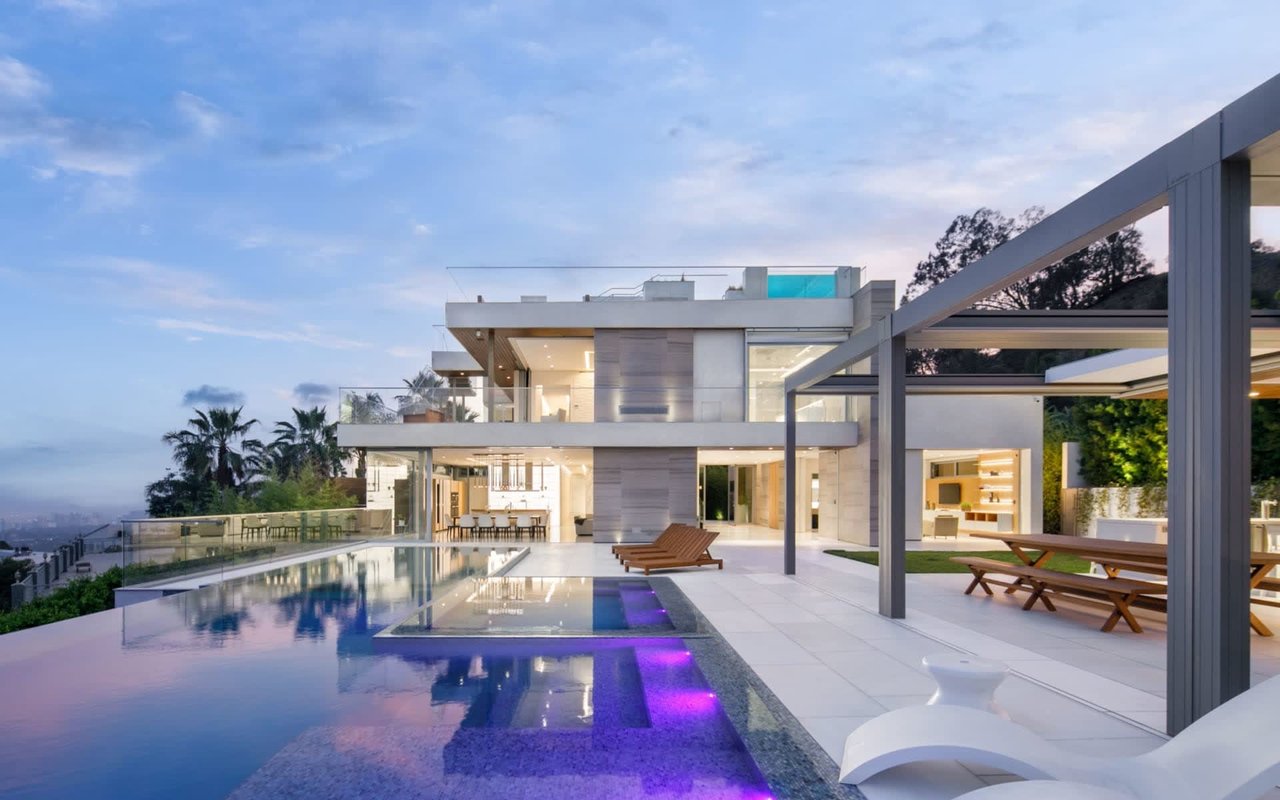
If you are drawn to Trousdale Estates, you are probably not just shopping for square footage. You are looking at proportion, pedigree, light, and the way a home sits on its lot. In a neighborhood known for architecturally significant residences, understanding midcentury design can help you see what makes one property feel timeless while another feels out of step. Let's dive in.
Why Trousdale Estates Matters
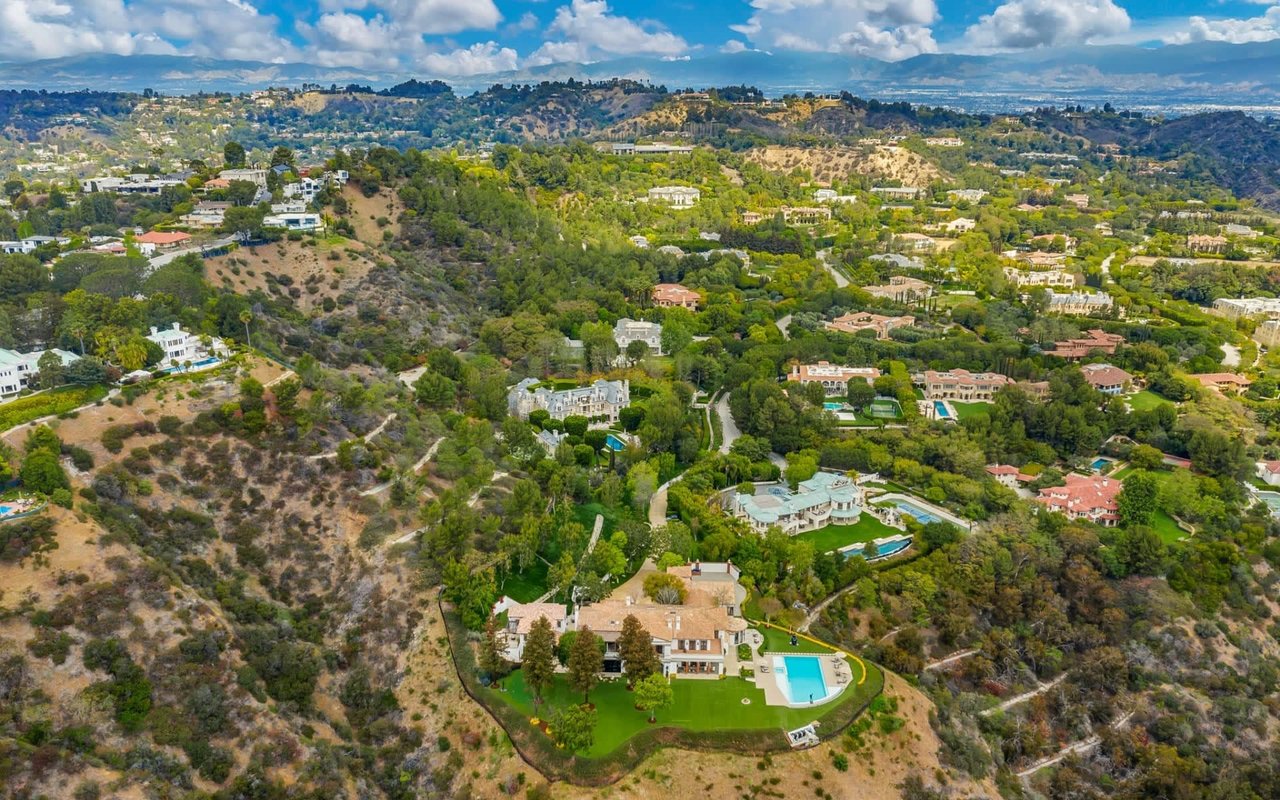
Trousdale Estates began developing in 1954 on the former Doheny Ranch. According to the Los Angeles Conservancy, it is Los Angeles' largest and most complete grouping of custom Mid-Century Modern architecture by master architects.
That matters because the neighborhood was not built around one rigid look. Trousdale includes work associated with Richard Dorman, Wallace Neff, Paul R. Williams, Cliff May, A. Quincy Jones, and Lloyd Wright, among others. The result is a collection of homes that share a common language while still offering distinct personalities.
Midcentury Style in Trousdale
When people picture midcentury design, they often imagine a pure glass box. In Trousdale, the story is broader. The Los Angeles Conservancy identifies not only Mid-Century Modern, but also Hollywood Regency and California Ranch influences.
This blend helps explain why the neighborhood can feel both restrained and glamorous. Some homes lean more minimalist, while others introduce softer lines, warmer materials, or a more polished, formal mood. For you as a buyer or owner, that variety is part of the appeal.
The Low Horizontal Profile
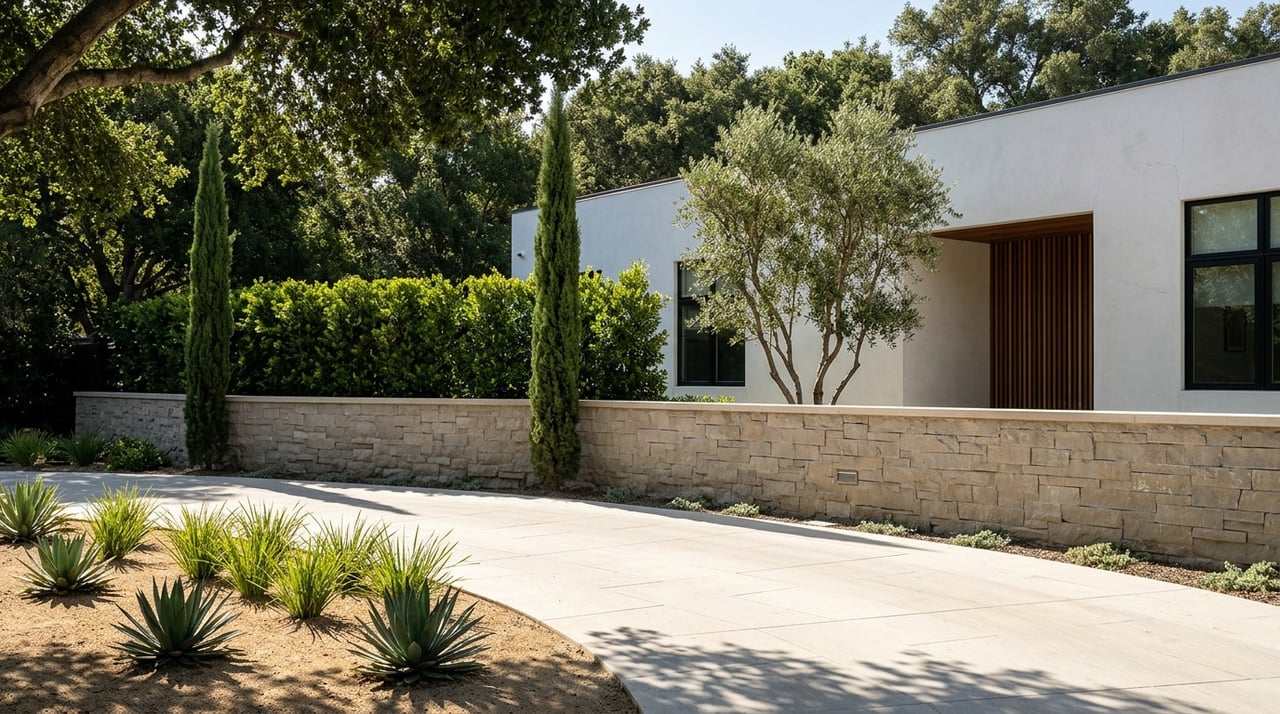
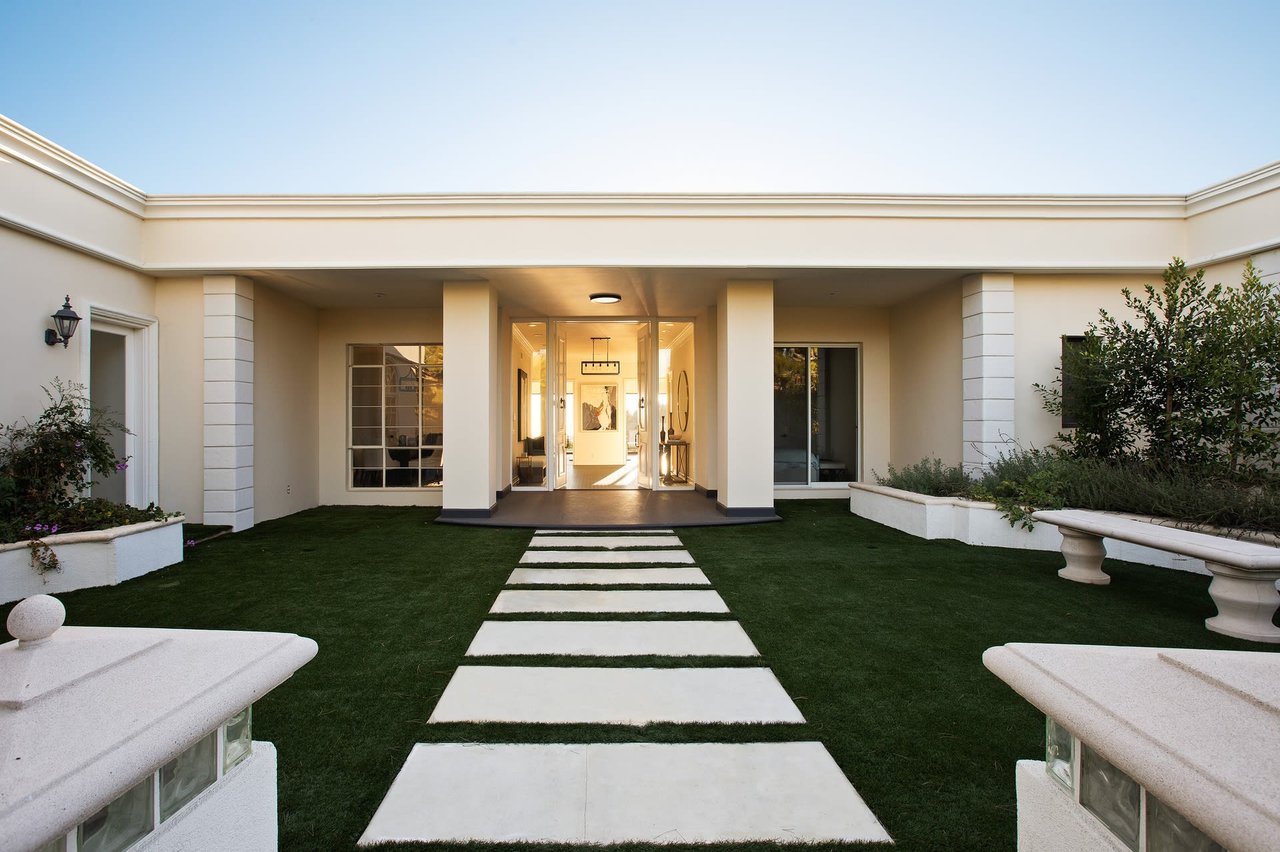
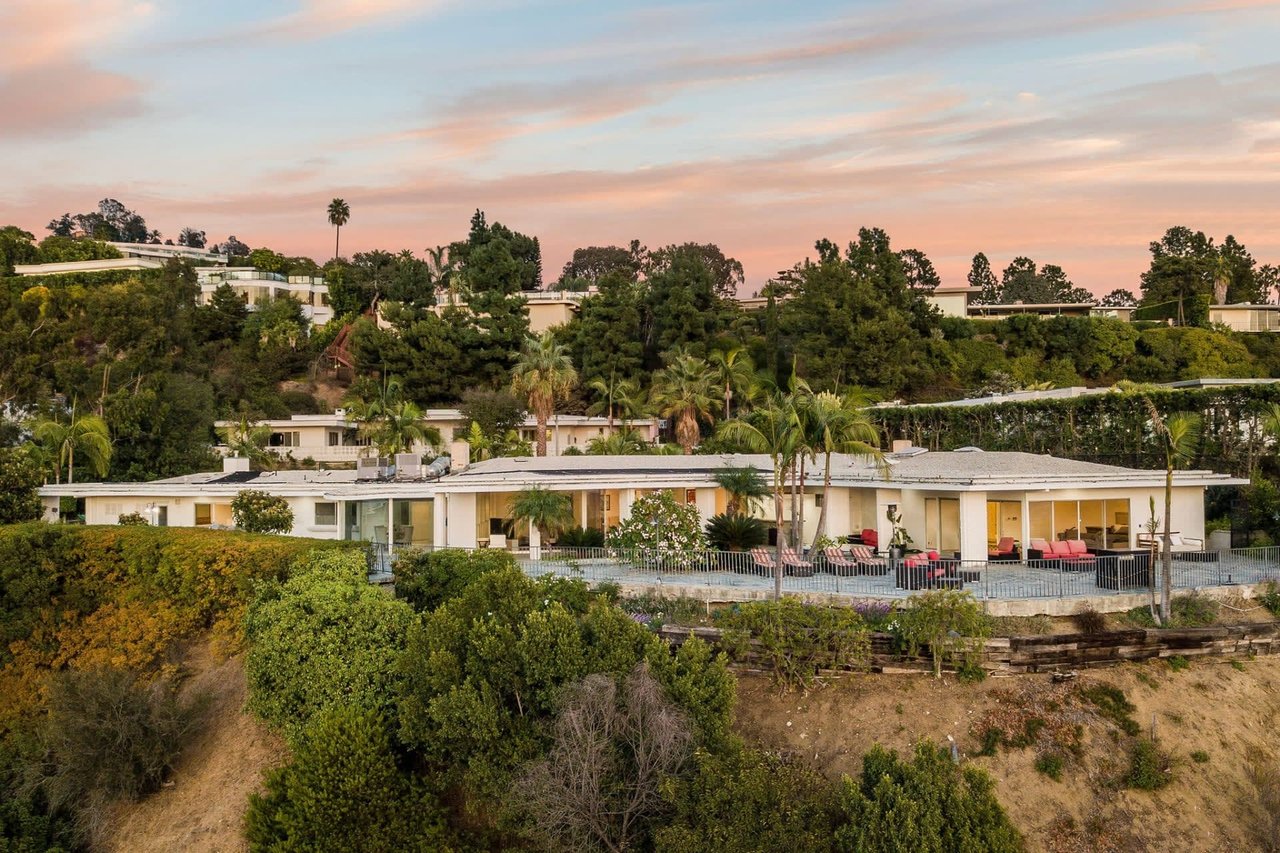
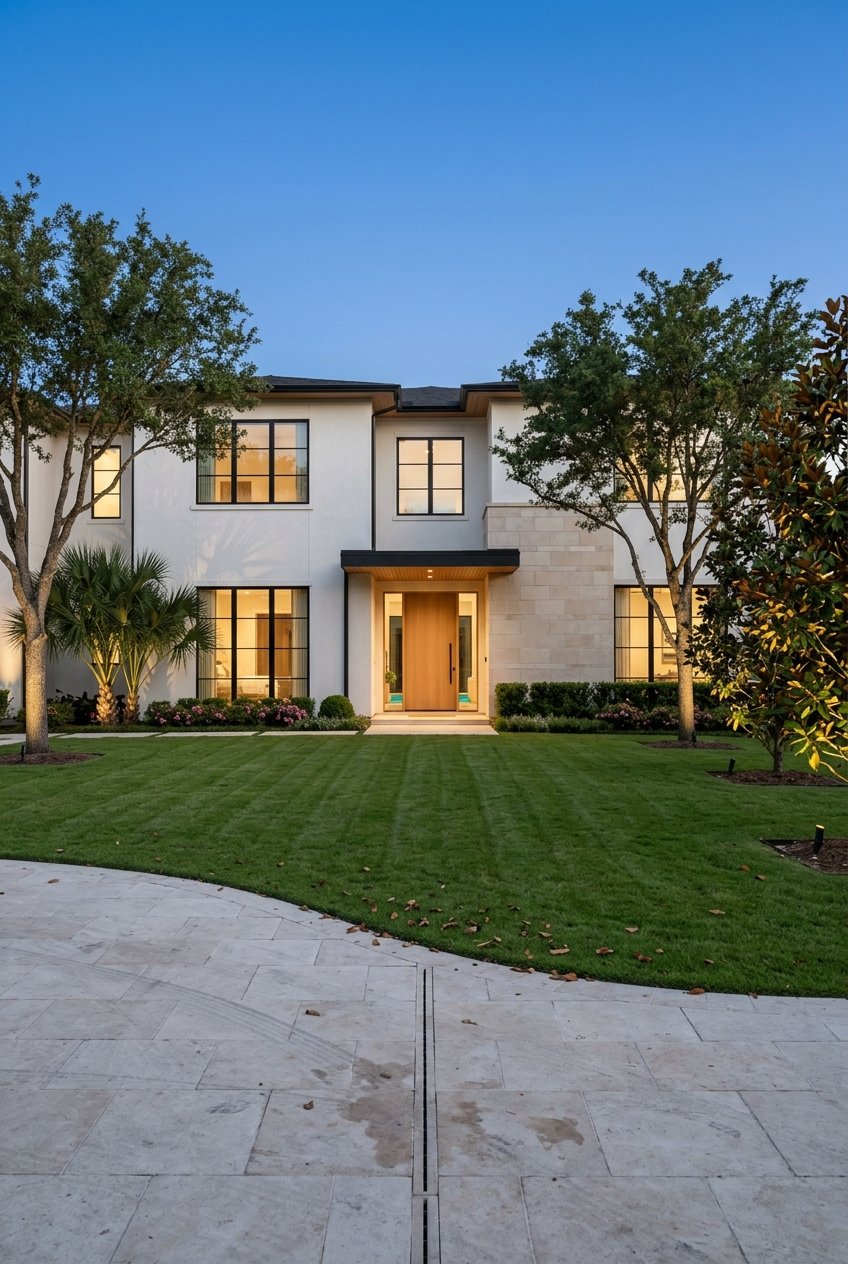
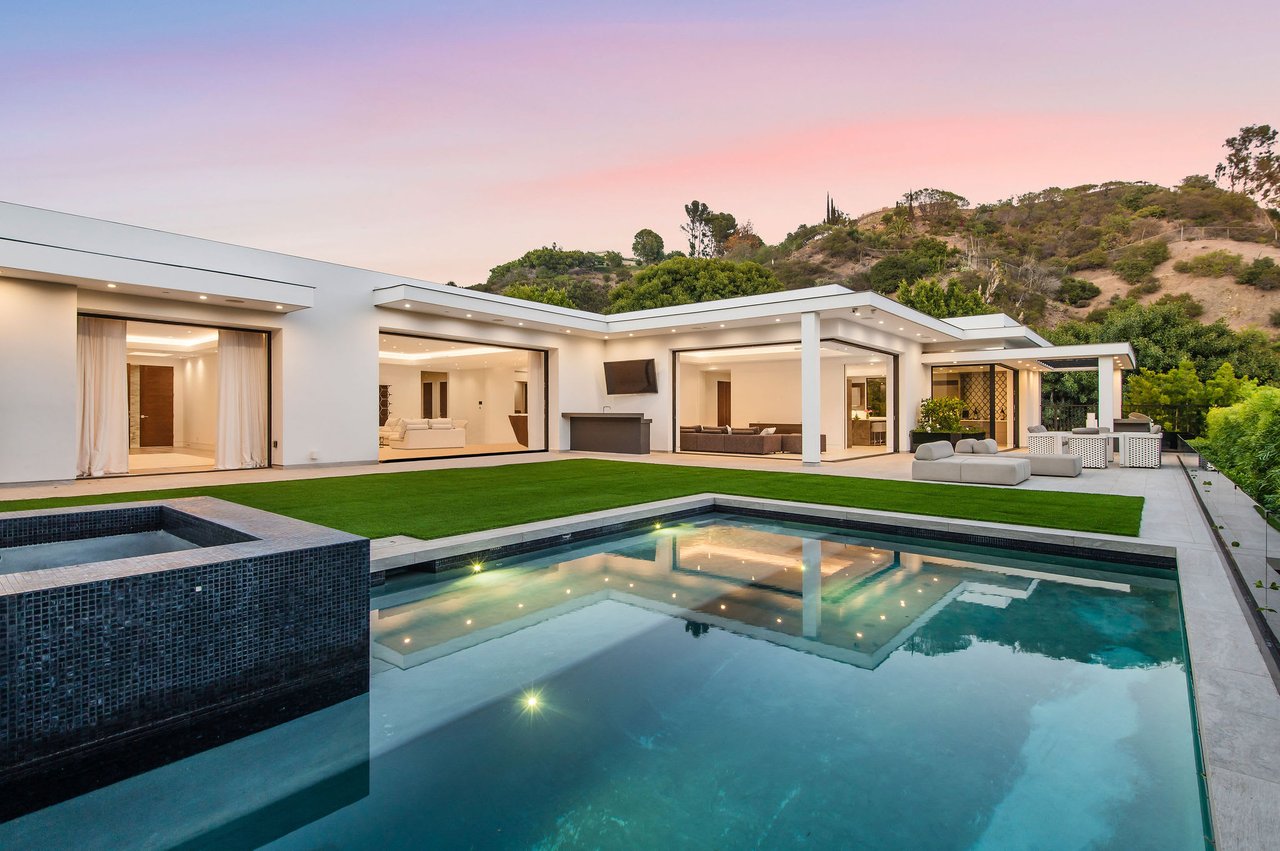
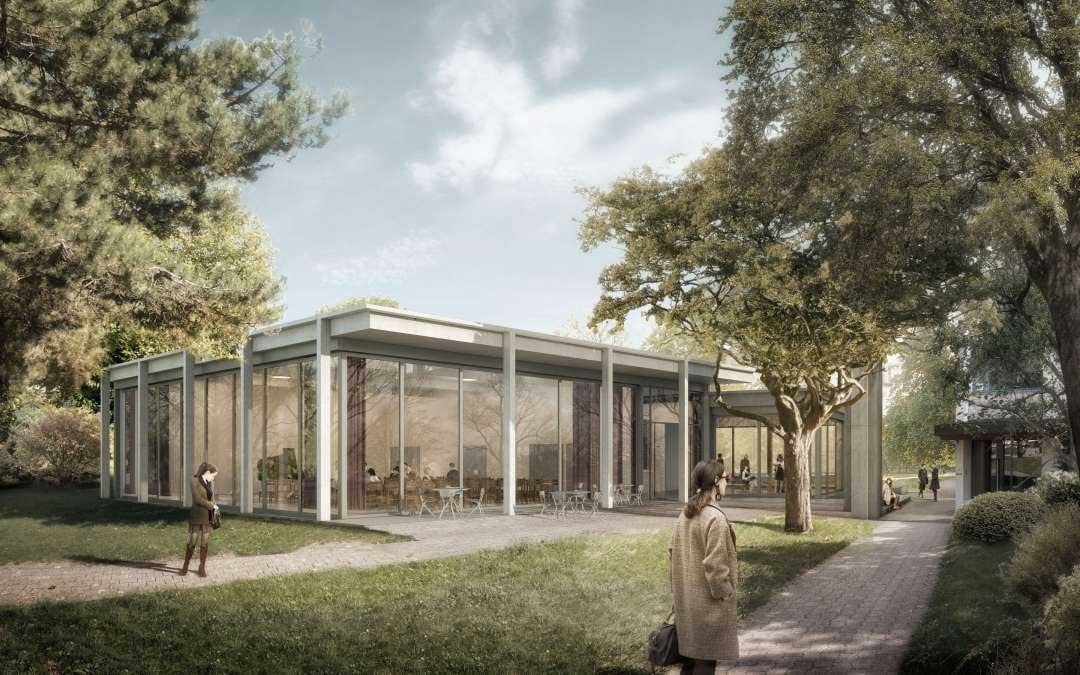
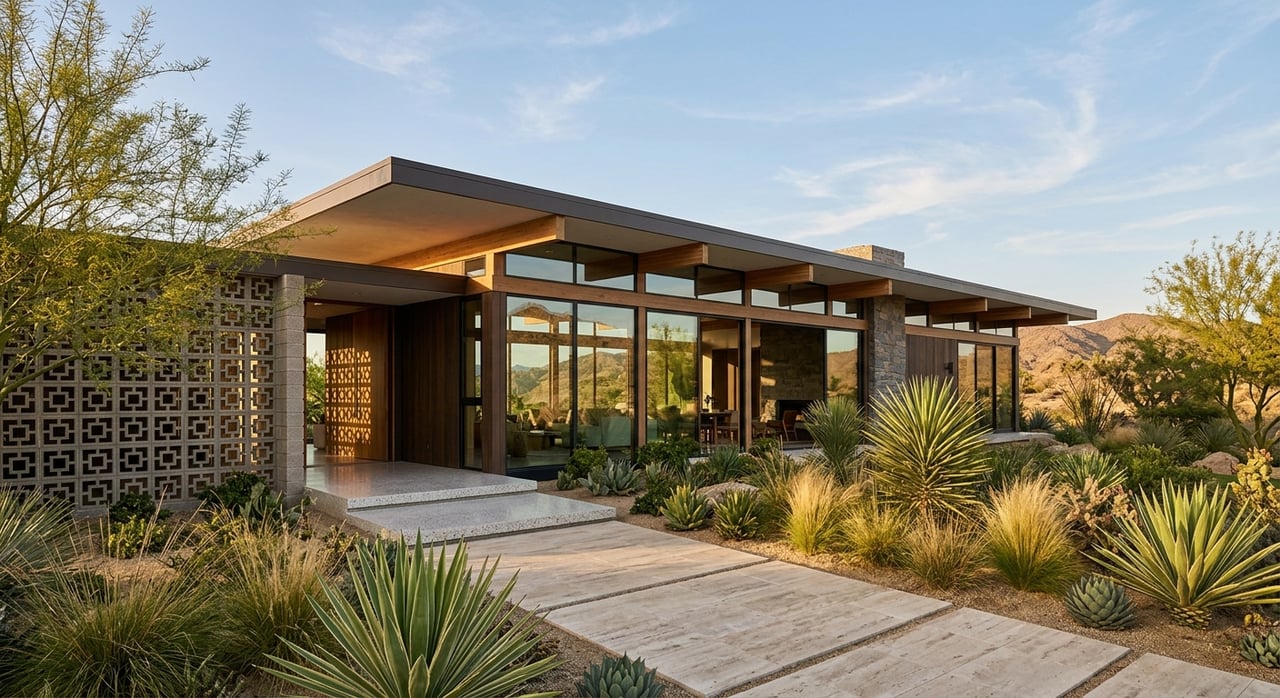
One of the clearest signs of a Trousdale house is its long, low form. Many intact homes are generally one story, large in footprint, and horizontally oriented.
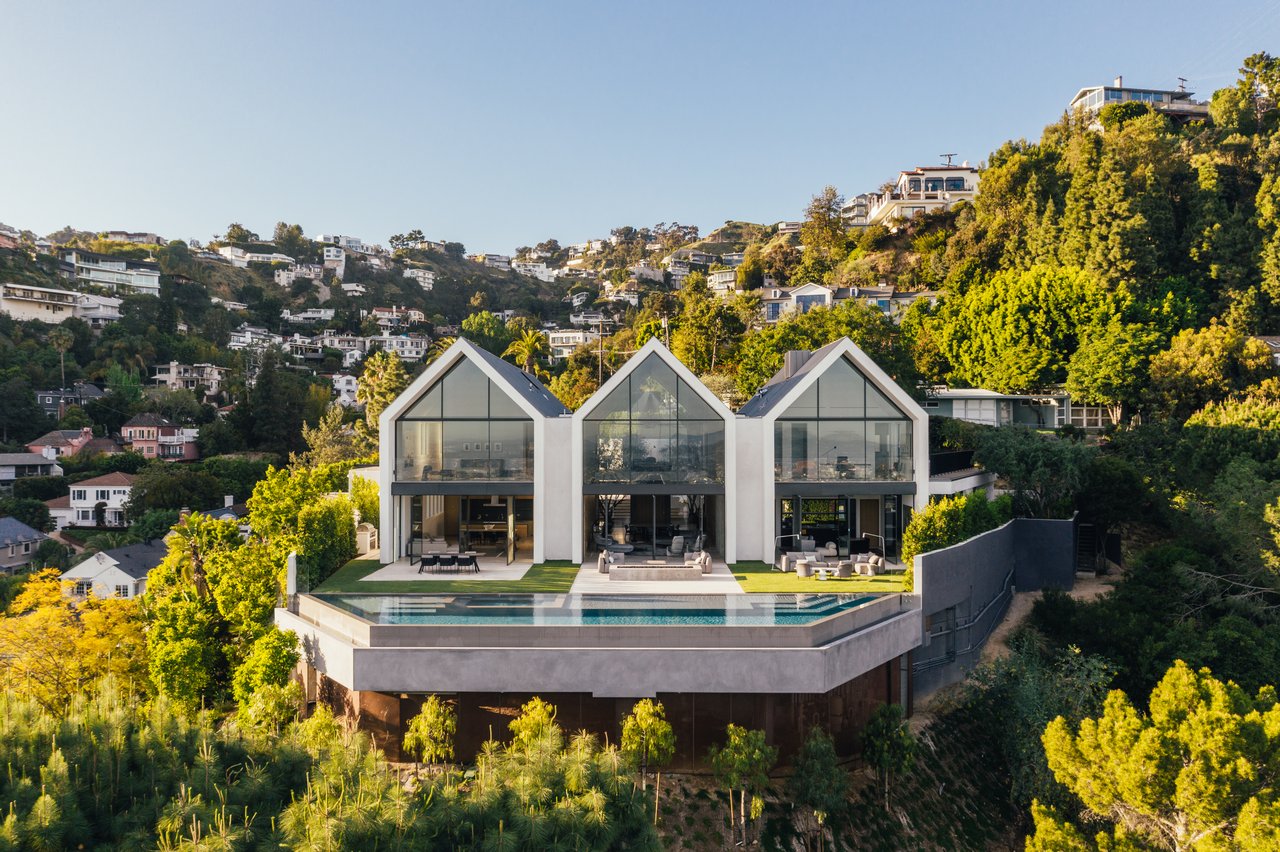
That low-slung profile is not a small design choice. It is central to how these homes relate to the land, the street, and the view. In Trousdale, a house often makes its statement through width, proportion, and calm presence rather than height.
Glass, Light, and Openness
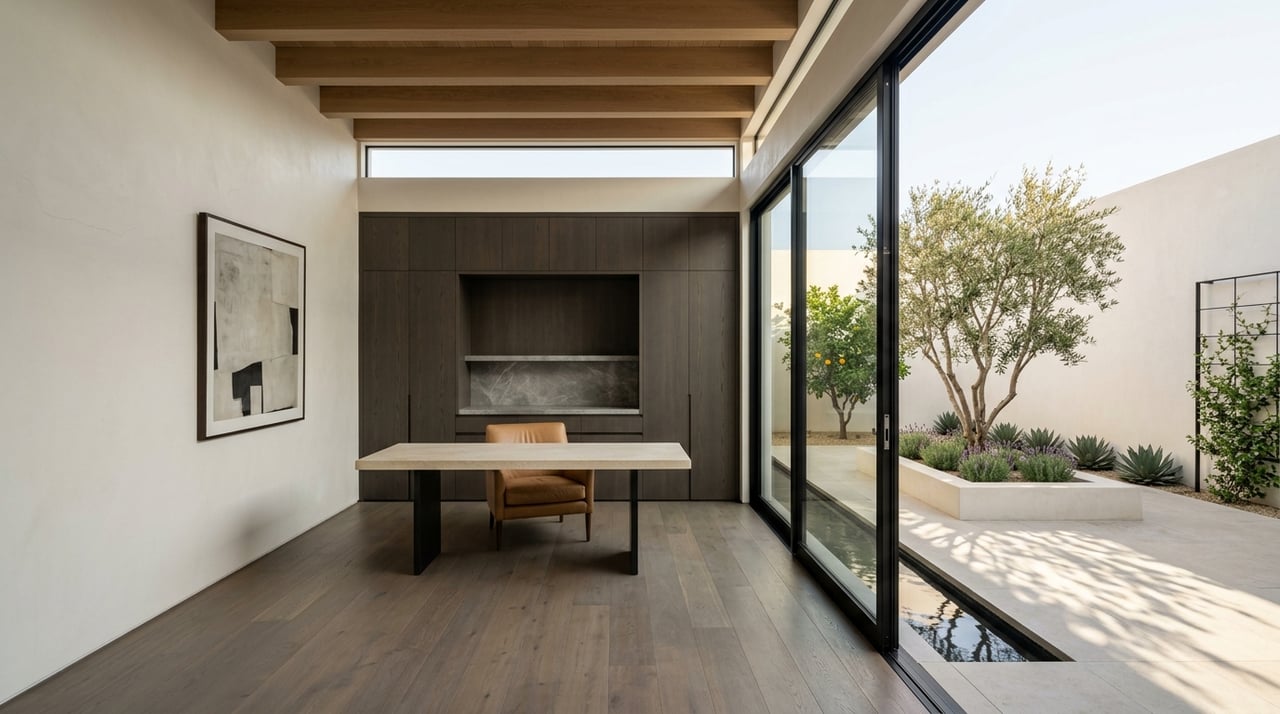
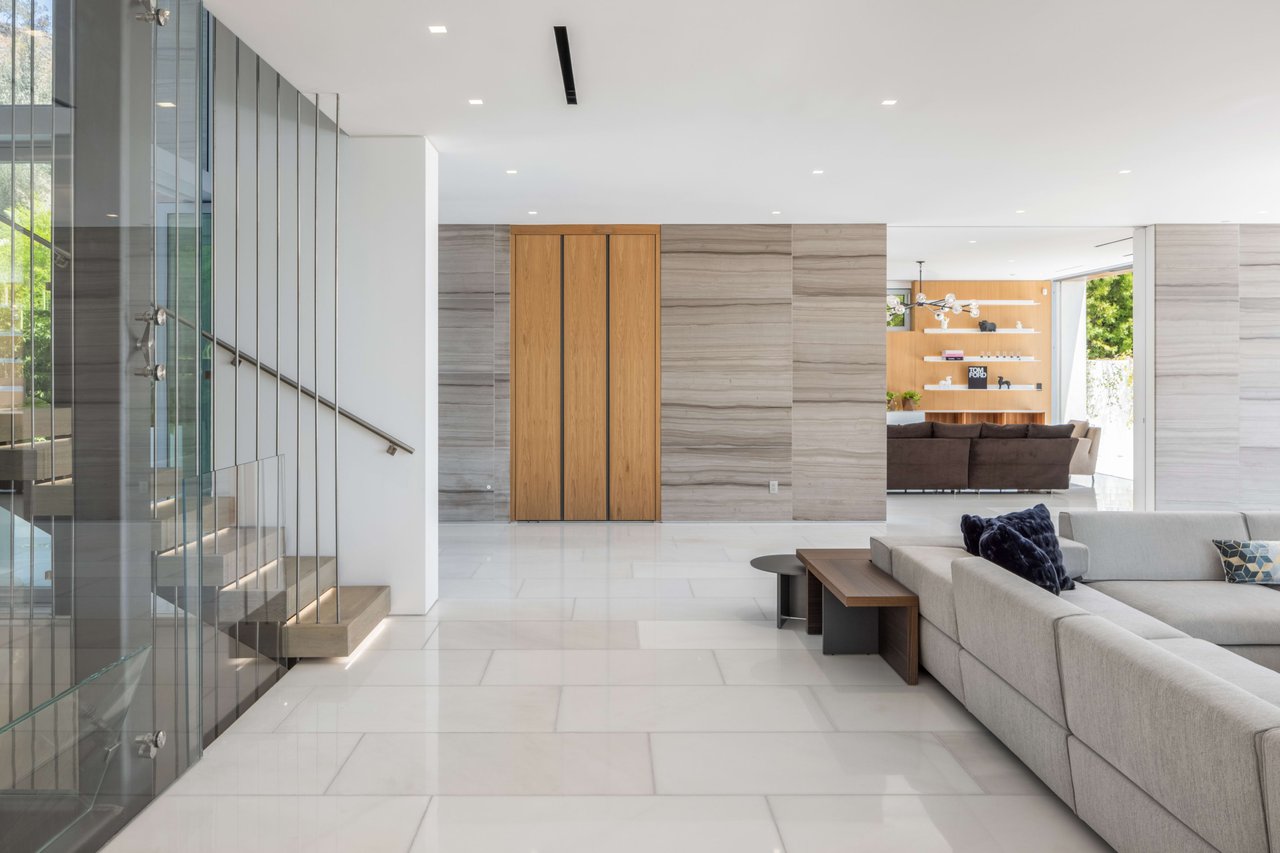
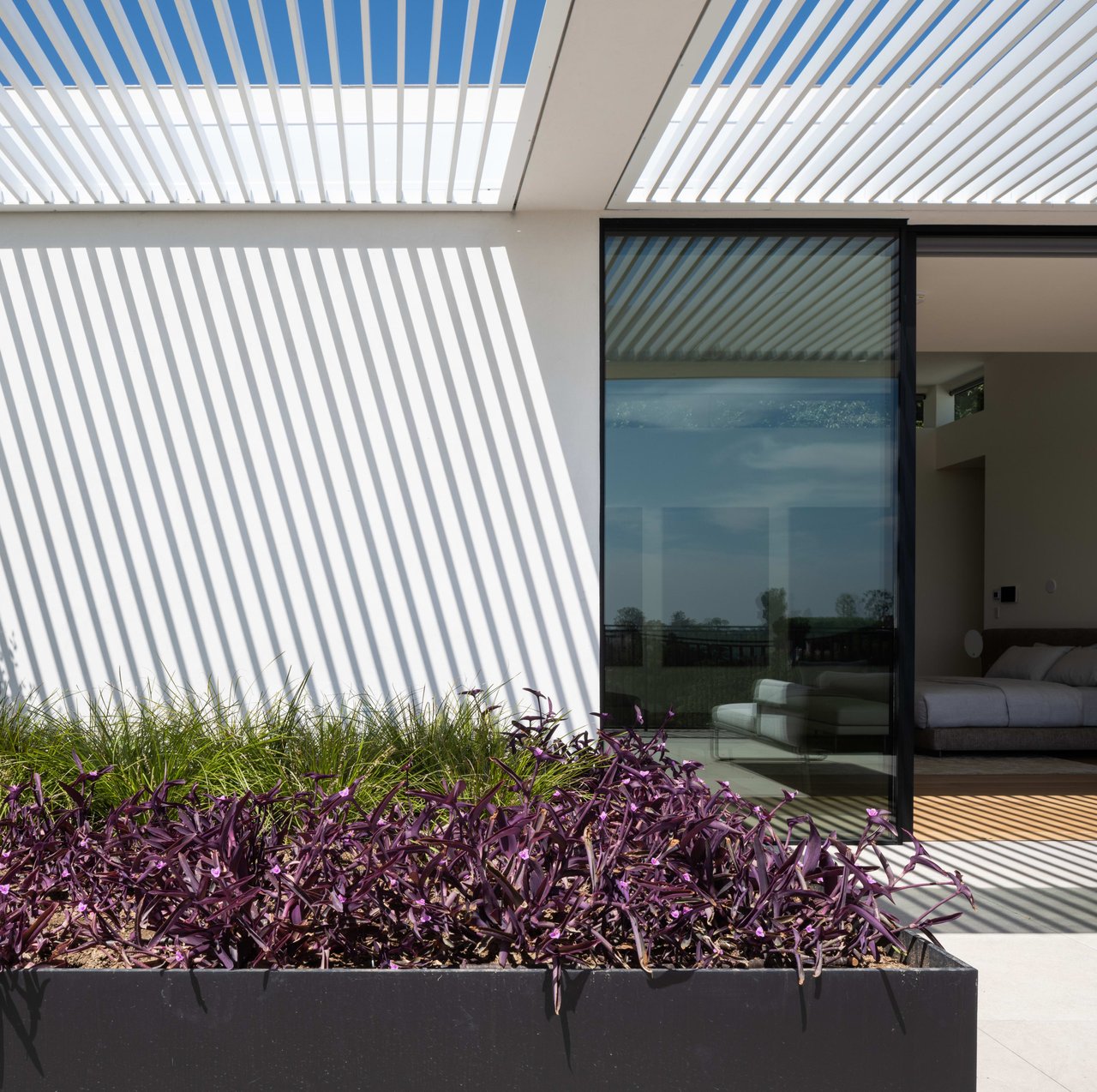
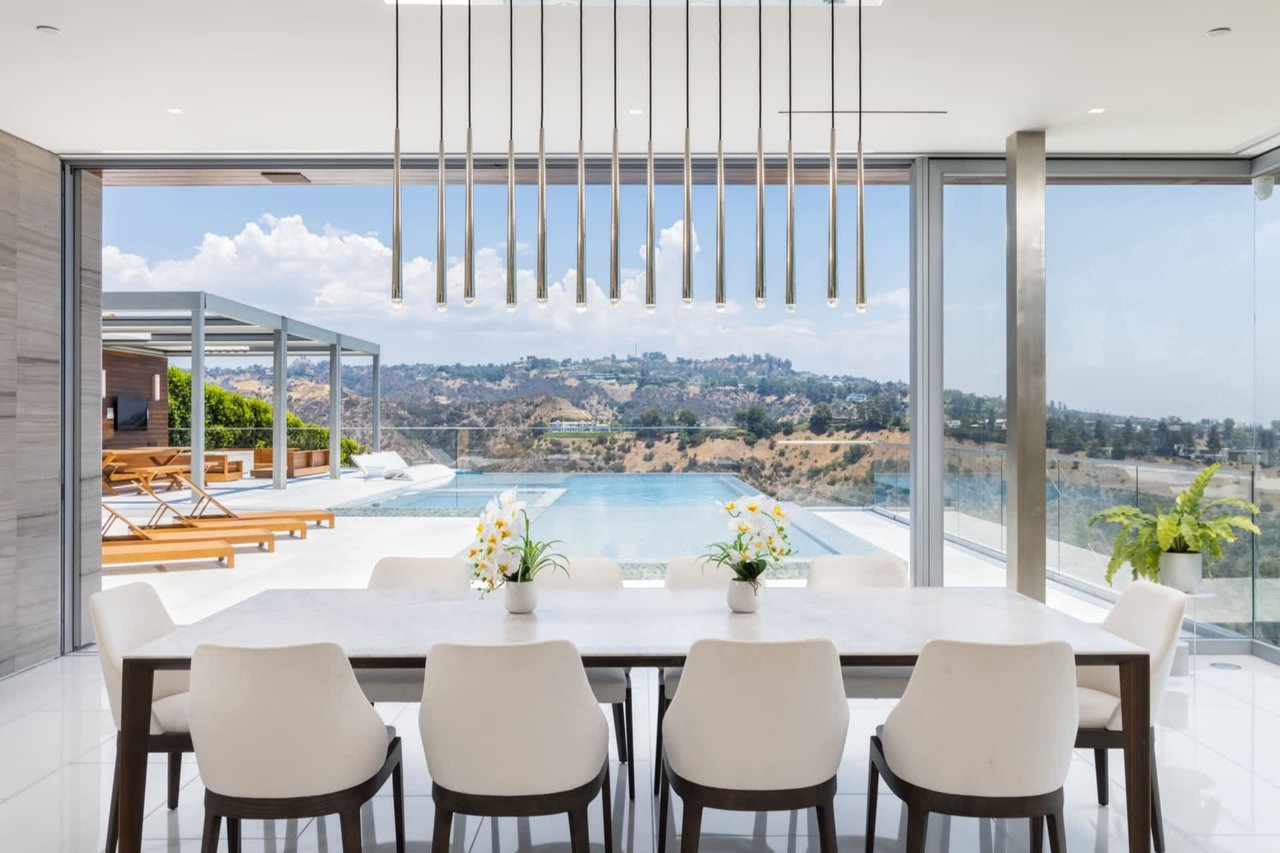
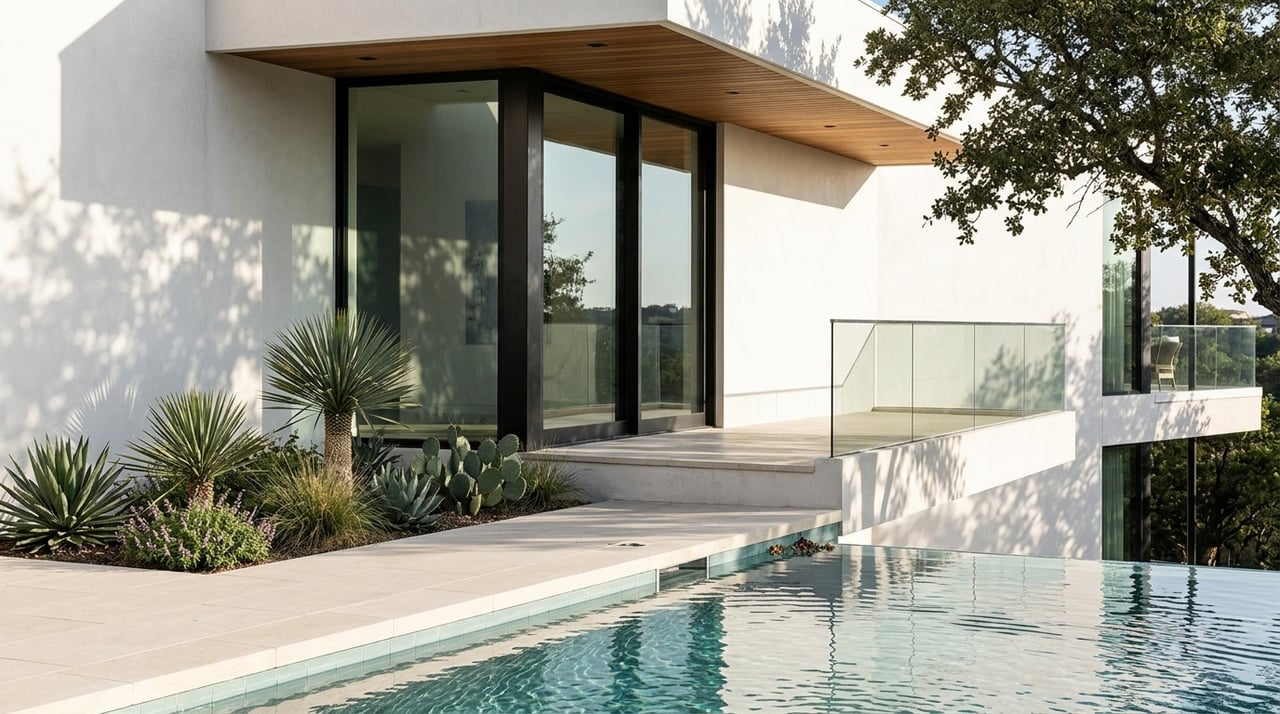
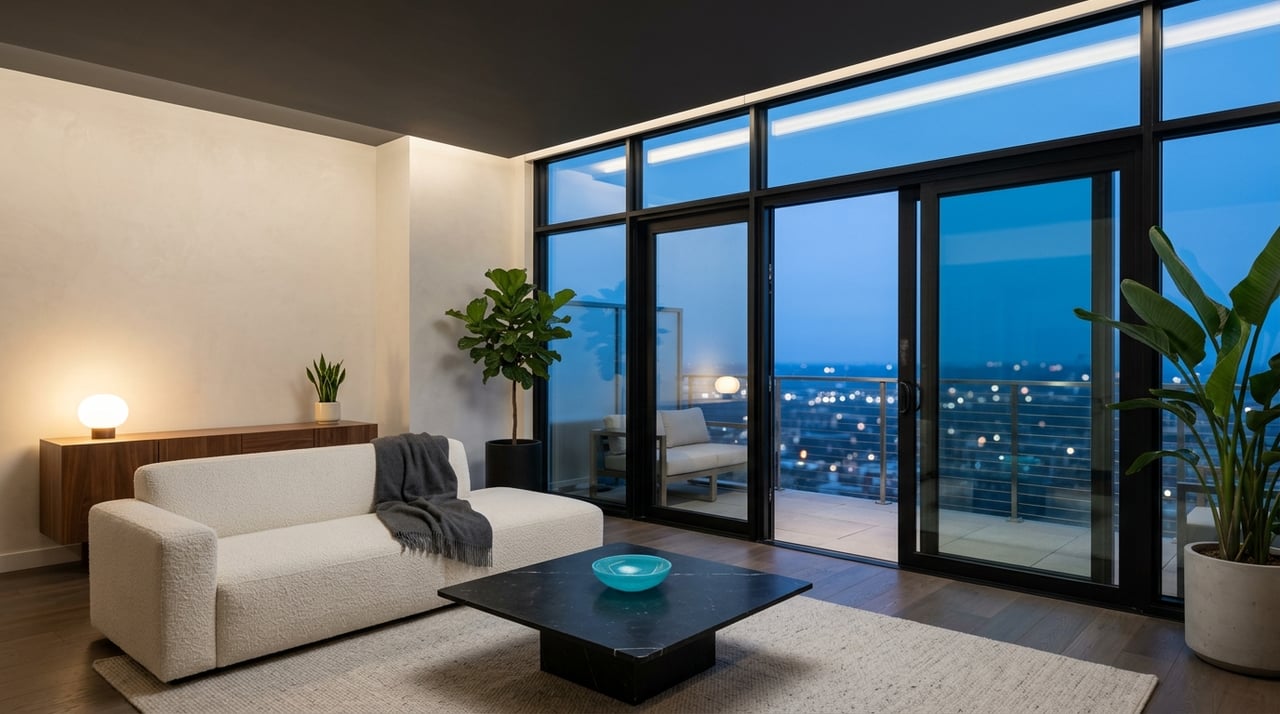
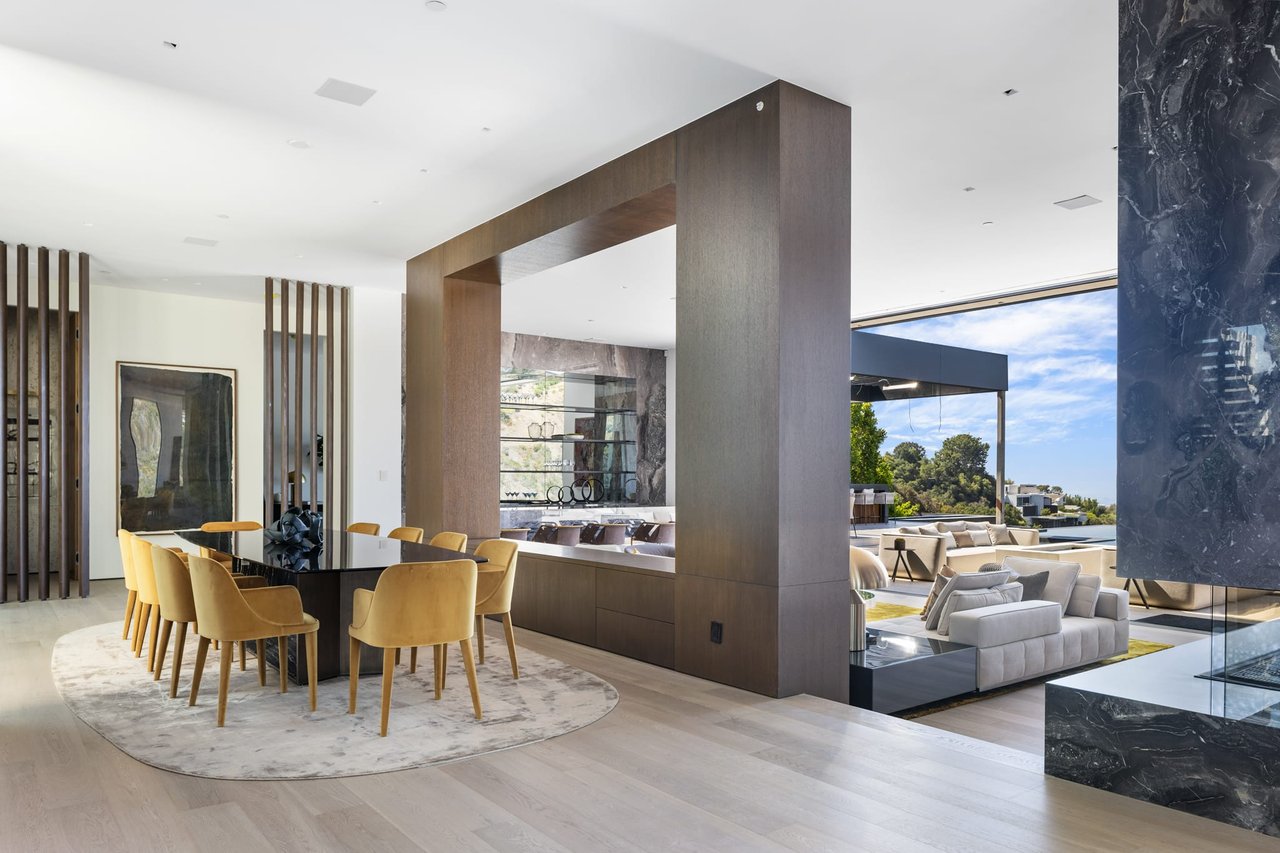
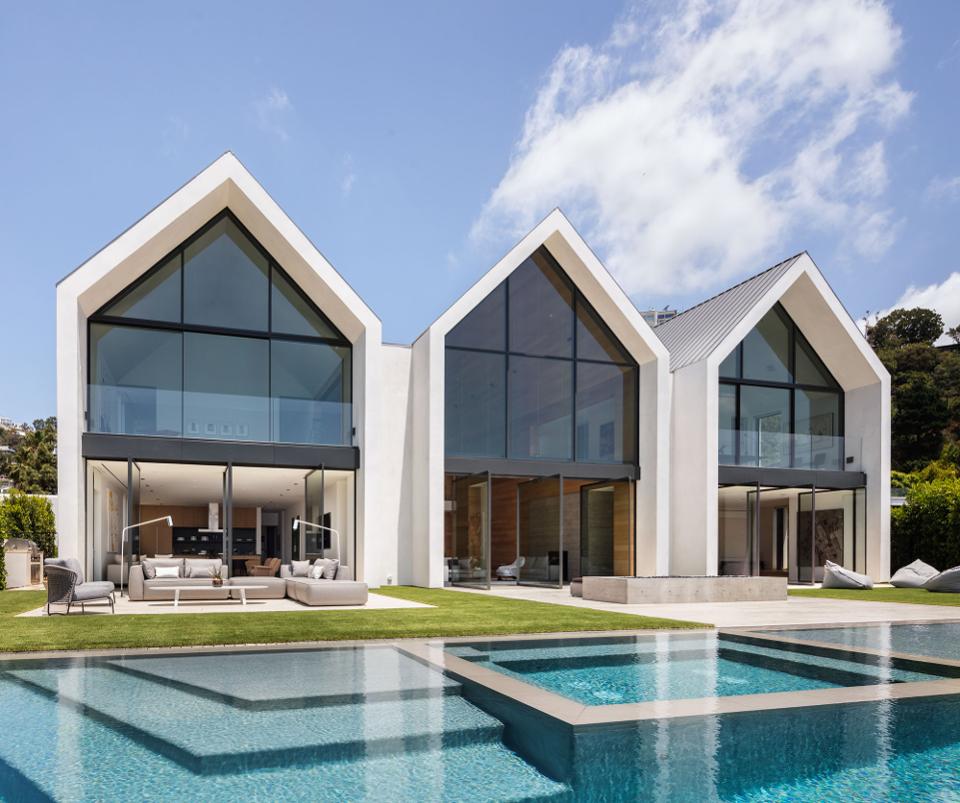
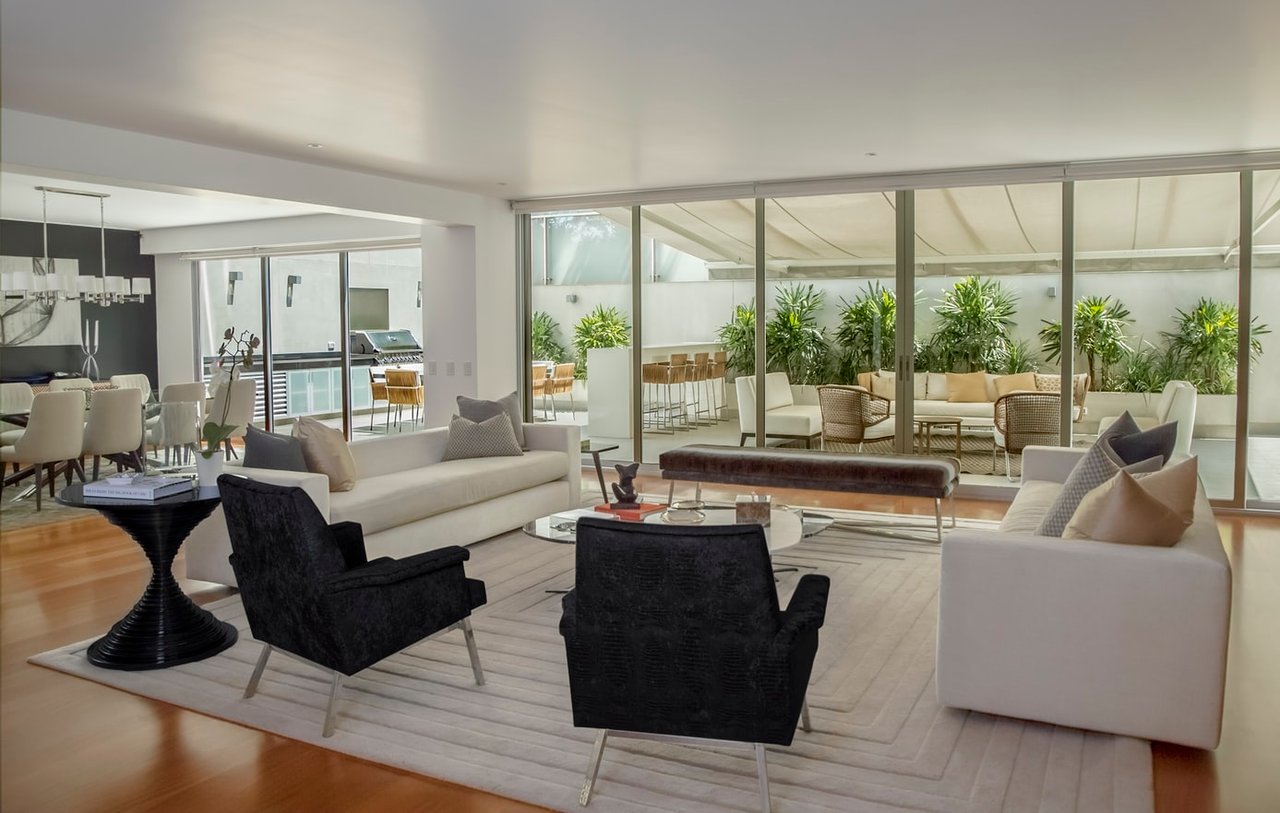
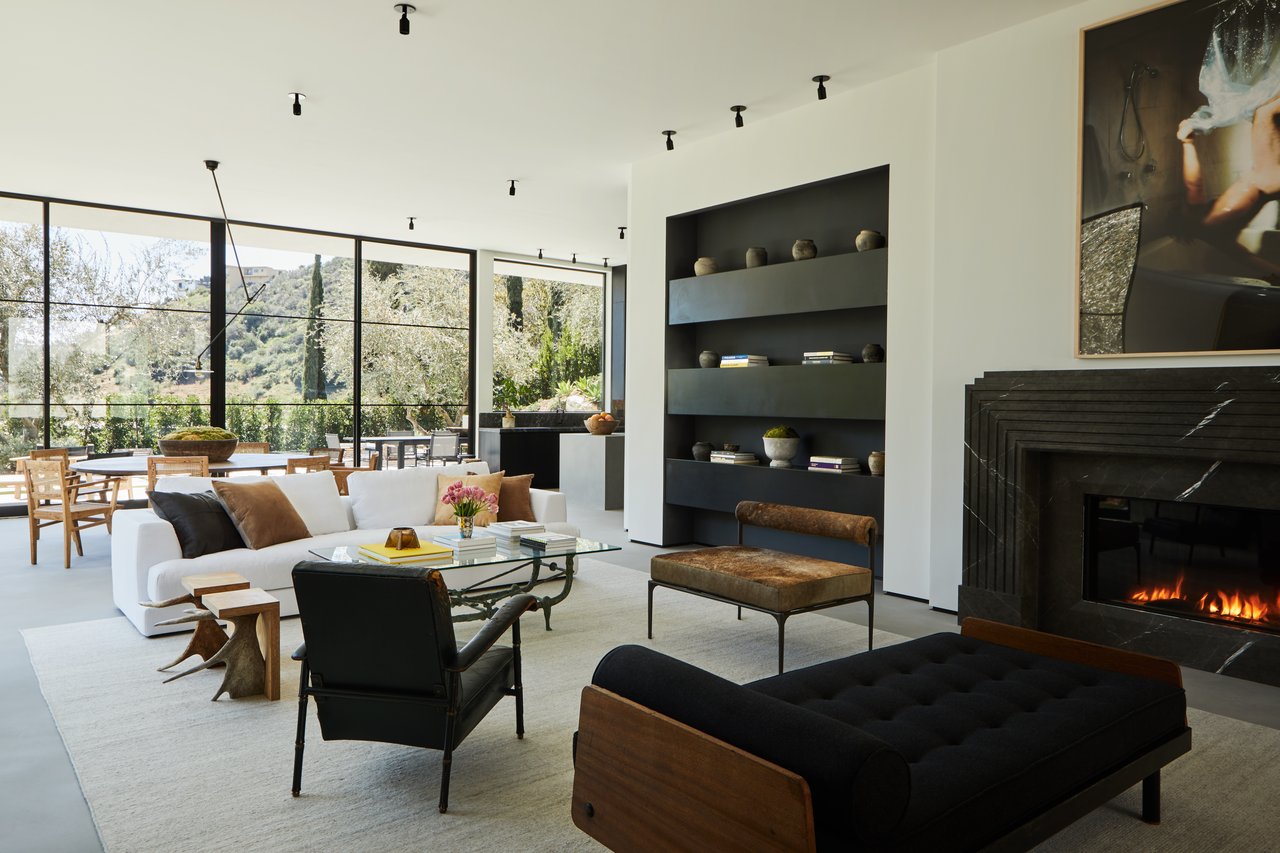
Modern architectural guidance describes the style as long and low, with generous glass and steel and frequent floor-to-ceiling windows. In Trousdale, that vocabulary often shows up through large windows, sliding glass doors, and open kitchen-living spaces that aim toward hillside or basin views.
This is why the homes often feel expansive even before you look at the square footage. Light moves across the interior, major rooms open outward, and the landscape becomes part of the experience of the home.
Indoor-Outdoor Living
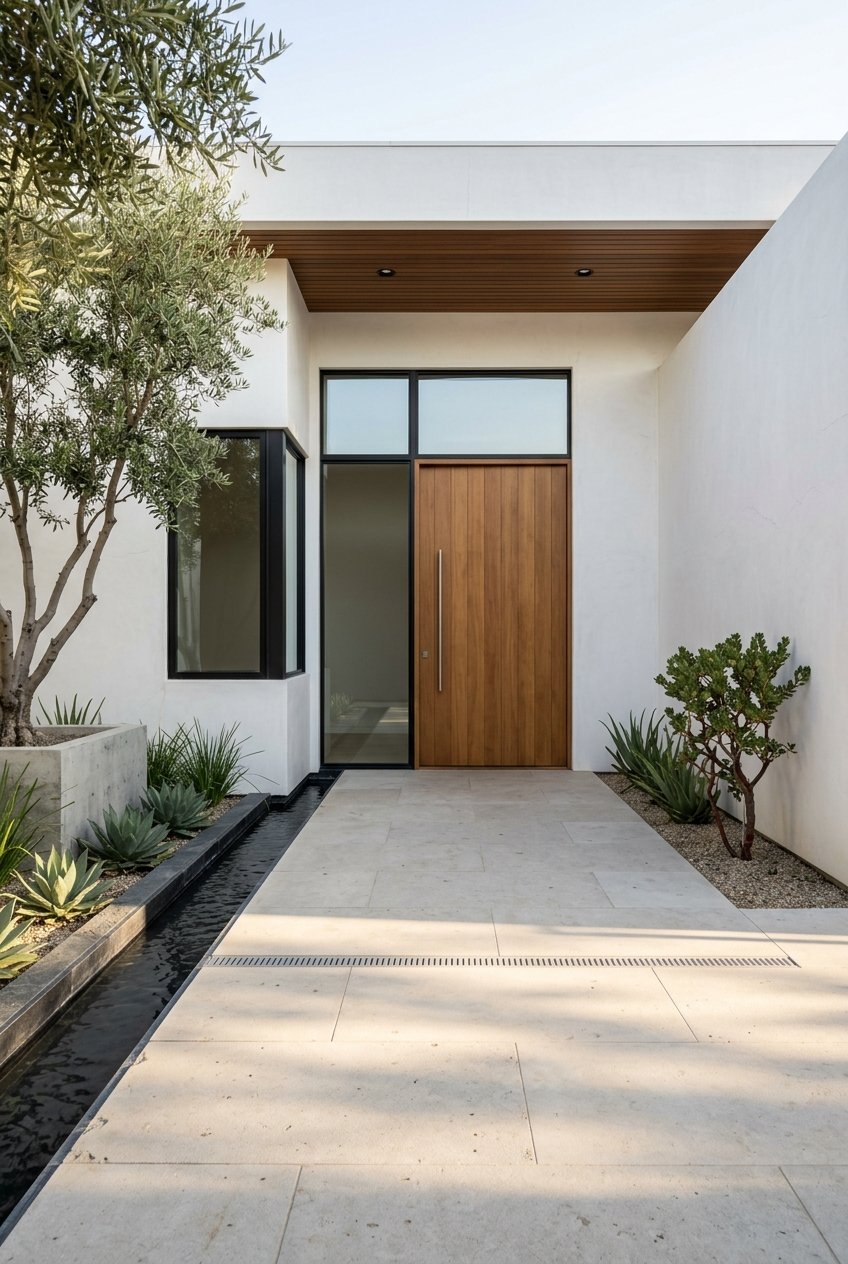
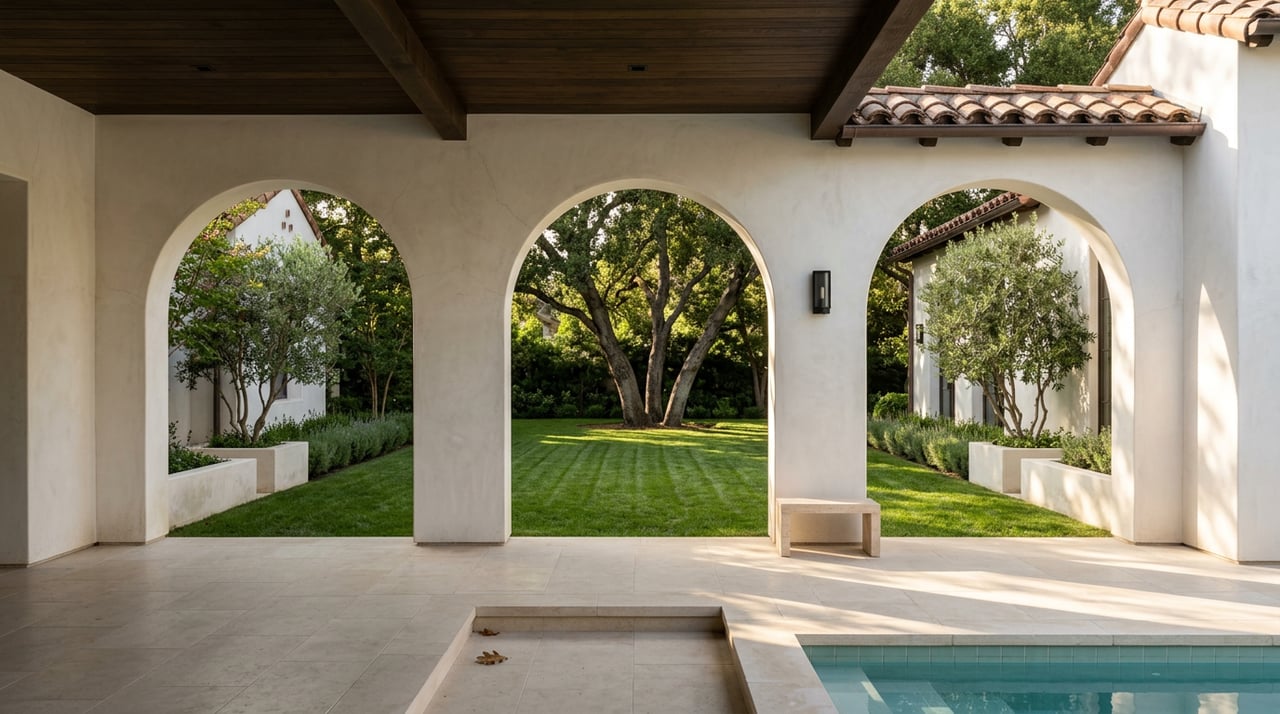
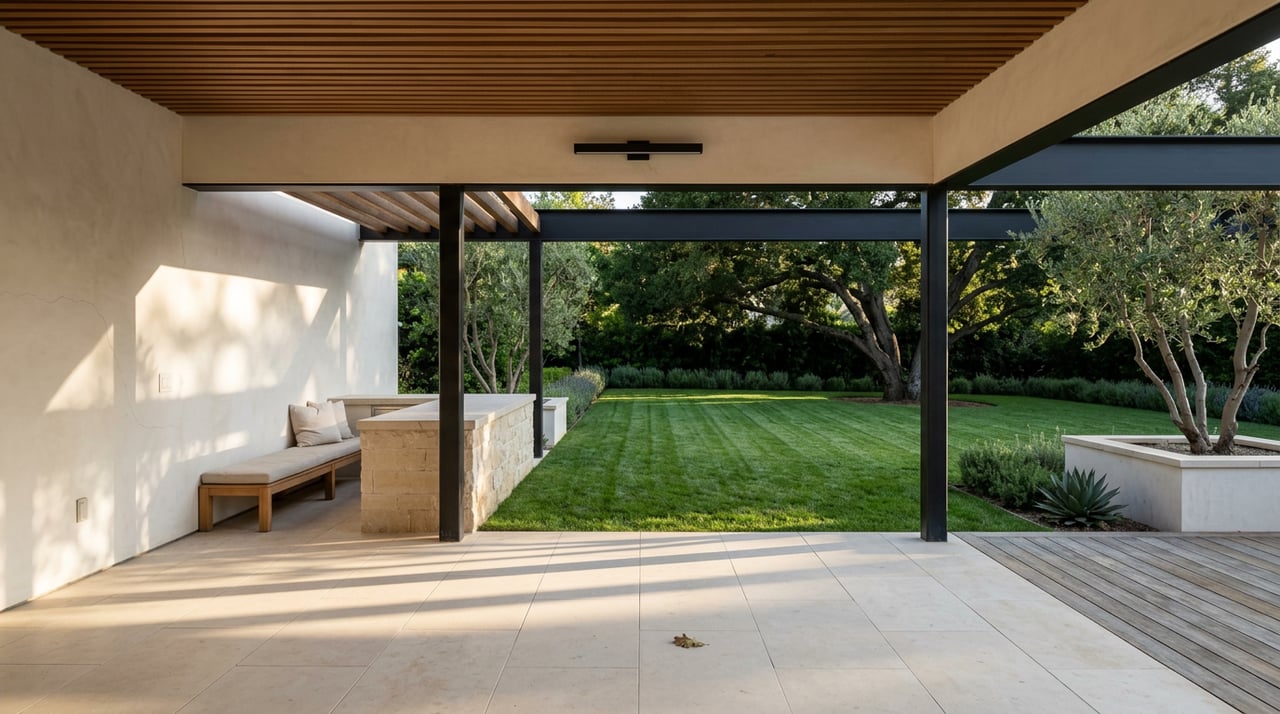
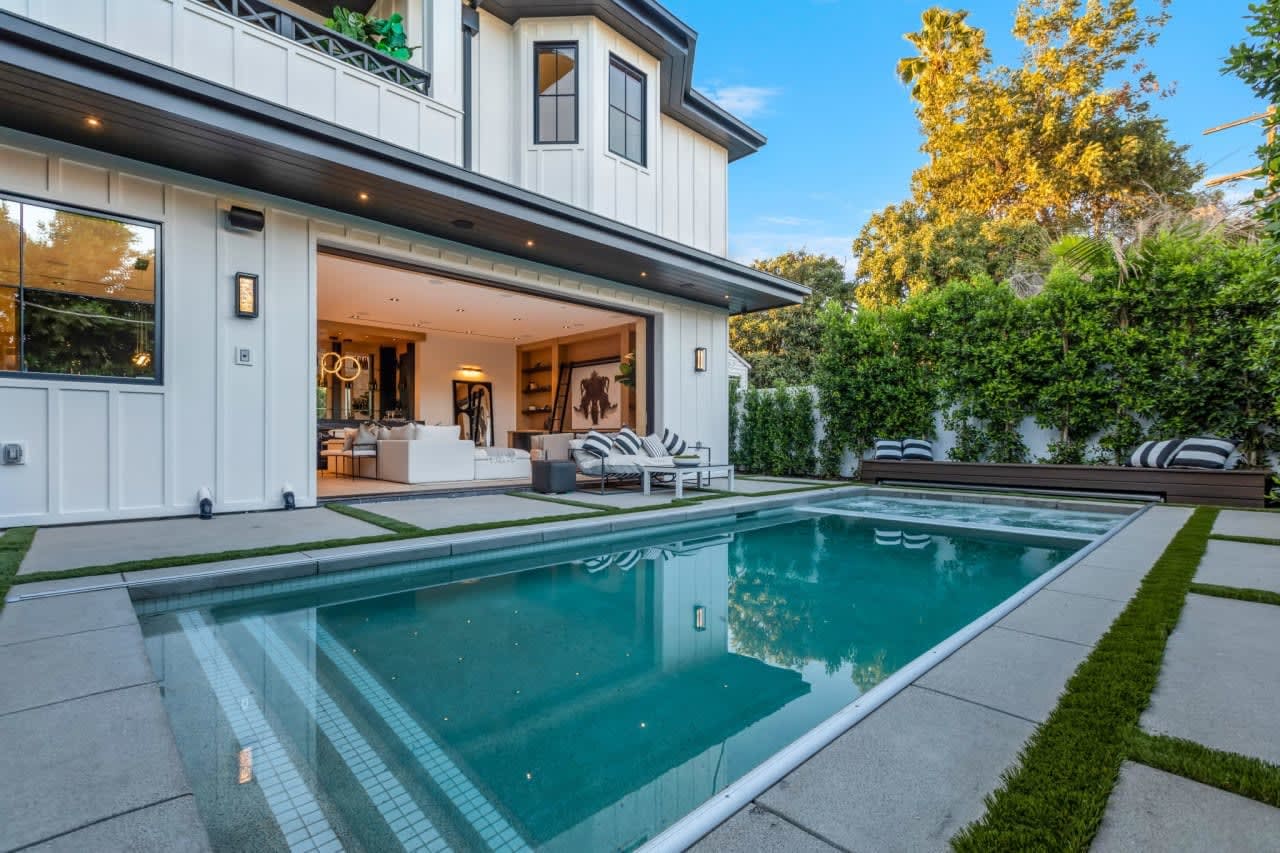
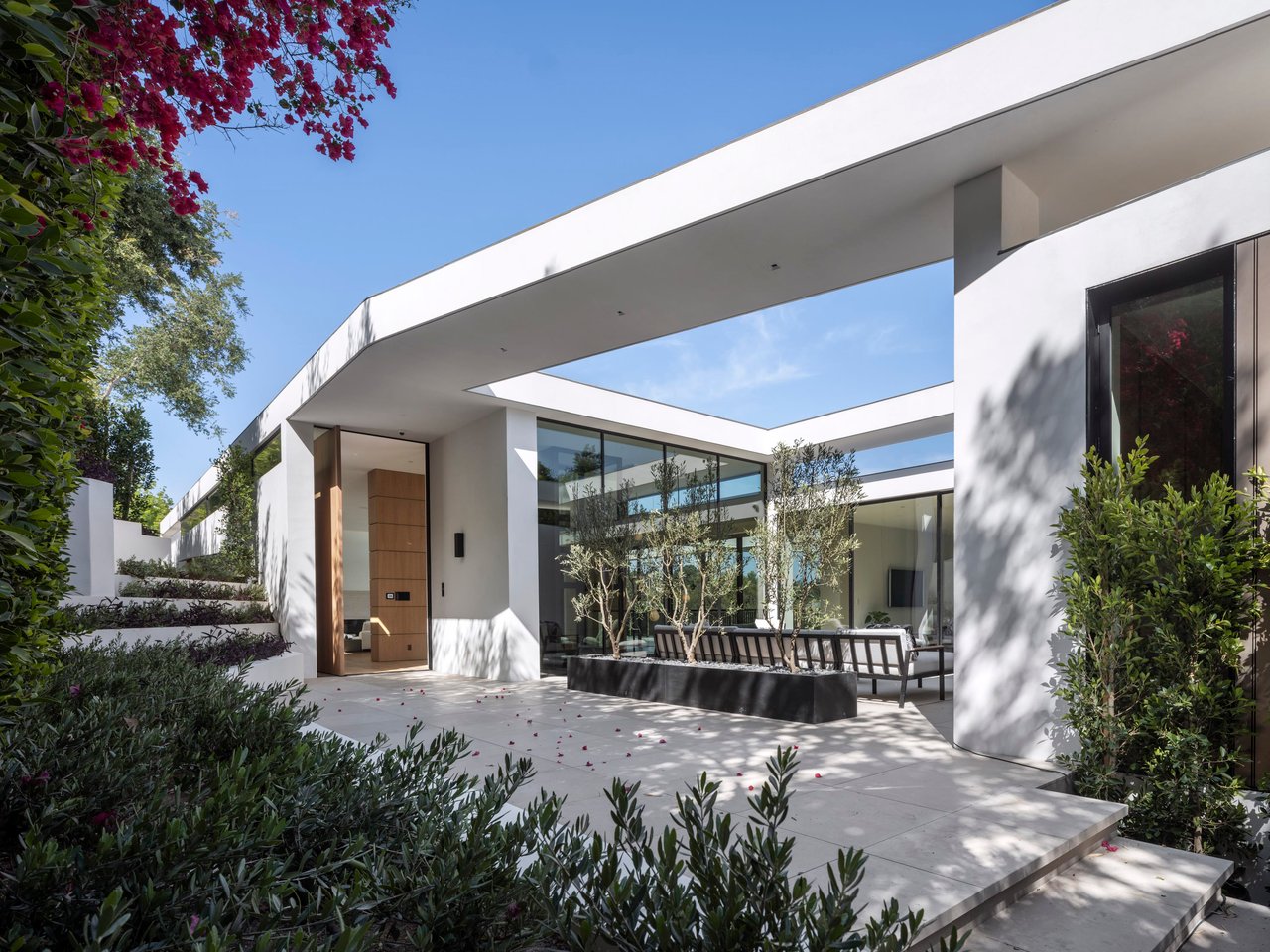
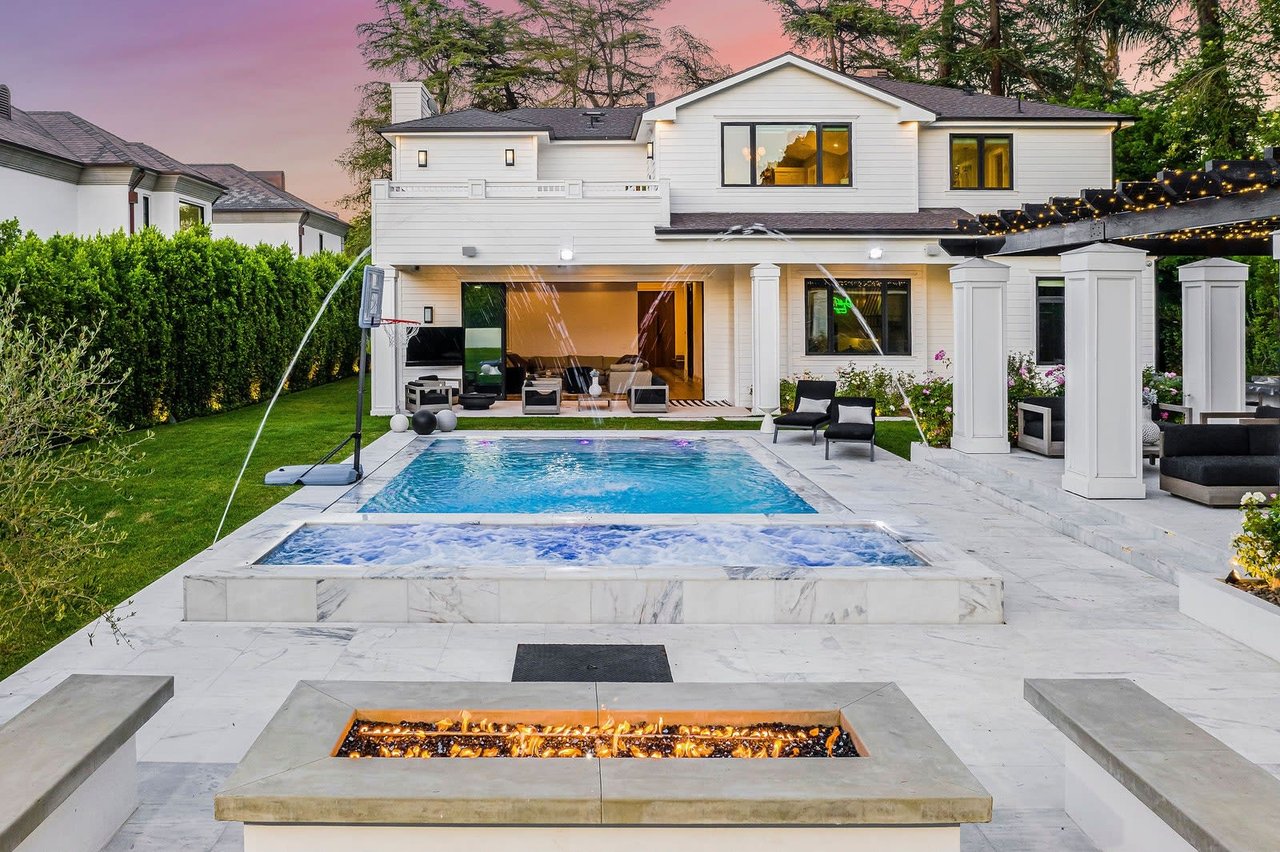
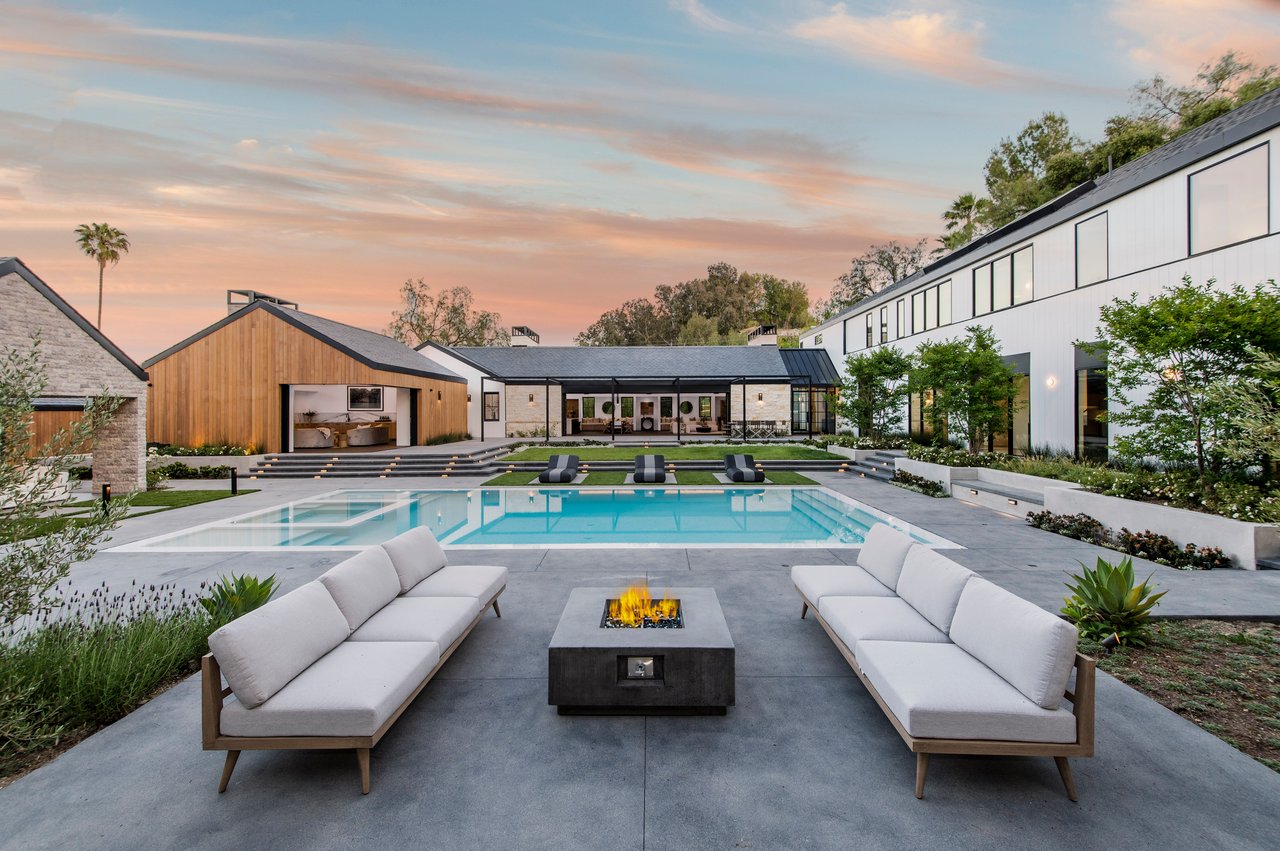
A strong Trousdale house usually does not treat the yard as an afterthought. Courtyards, atriums, terraces, and garden moments often help connect inside and outside.
That relationship is a defining part of the architecture. In practical terms, you are not only evaluating rooms. You are also evaluating how the house uses its pad, frames its outdoor areas, and captures the broader setting.
How to Read a Trousdale Home
When you tour a property in Trousdale Estates, it helps to look beyond finishes and staging. The most important clues usually come from the structure itself and how well it still reads as a midcentury composition.
A useful place to start is the overall massing. Does the house still feel horizontal and grounded, or has it been pushed toward a taller, more stacked look that weakens its original character?
Check the View Orientation
In many Trousdale homes, the public rooms do the heavy lifting. Living, dining, and entertaining spaces often open toward the view side and connect cleanly to the yard or terrace.
If that sequence works well, the house usually feels effortless. If later changes interrupt those sight lines or break major rooms into enclosed compartments, the design may lose some of its original clarity.
Study the Roofline and Envelope
The roofline is one of the easiest ways to understand whether a home still fits the neighborhood's architectural logic. In Trousdale, low rooflines help preserve the strong horizontal profile that defines the area.
Beverly Hills regulates Trousdale Estates as a separate single-family area, and the controlling height limit is 14 feet. That standard shapes both preservation and new design, and it helps explain why homes that respect the low datum line tend to feel more natural in the neighborhood.
Look at Materials and Restraint
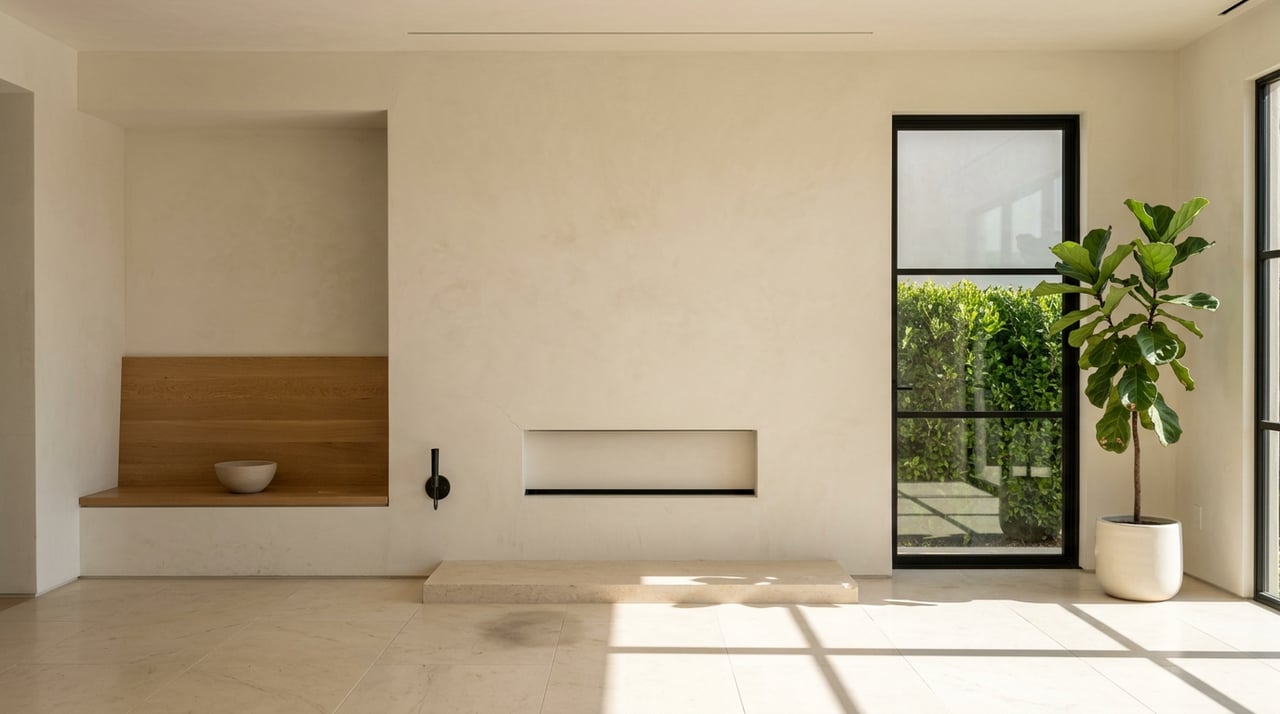
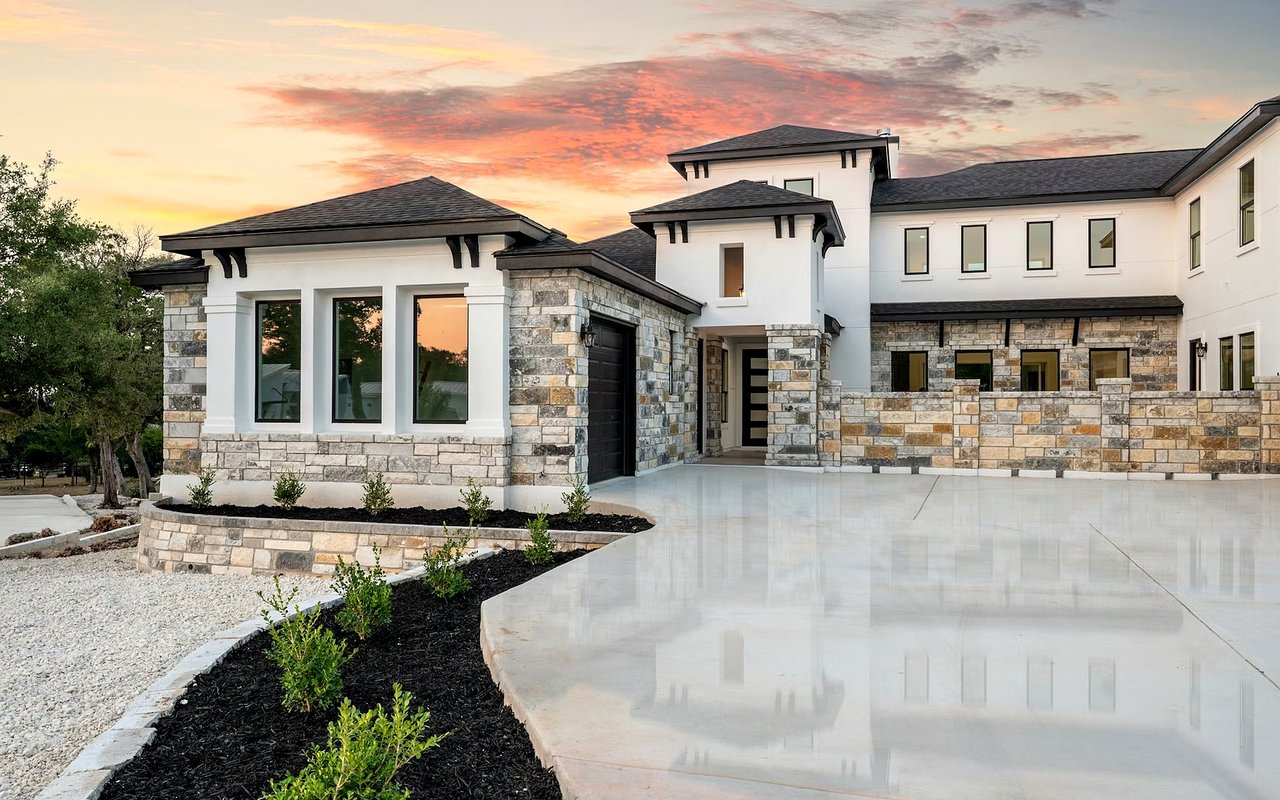
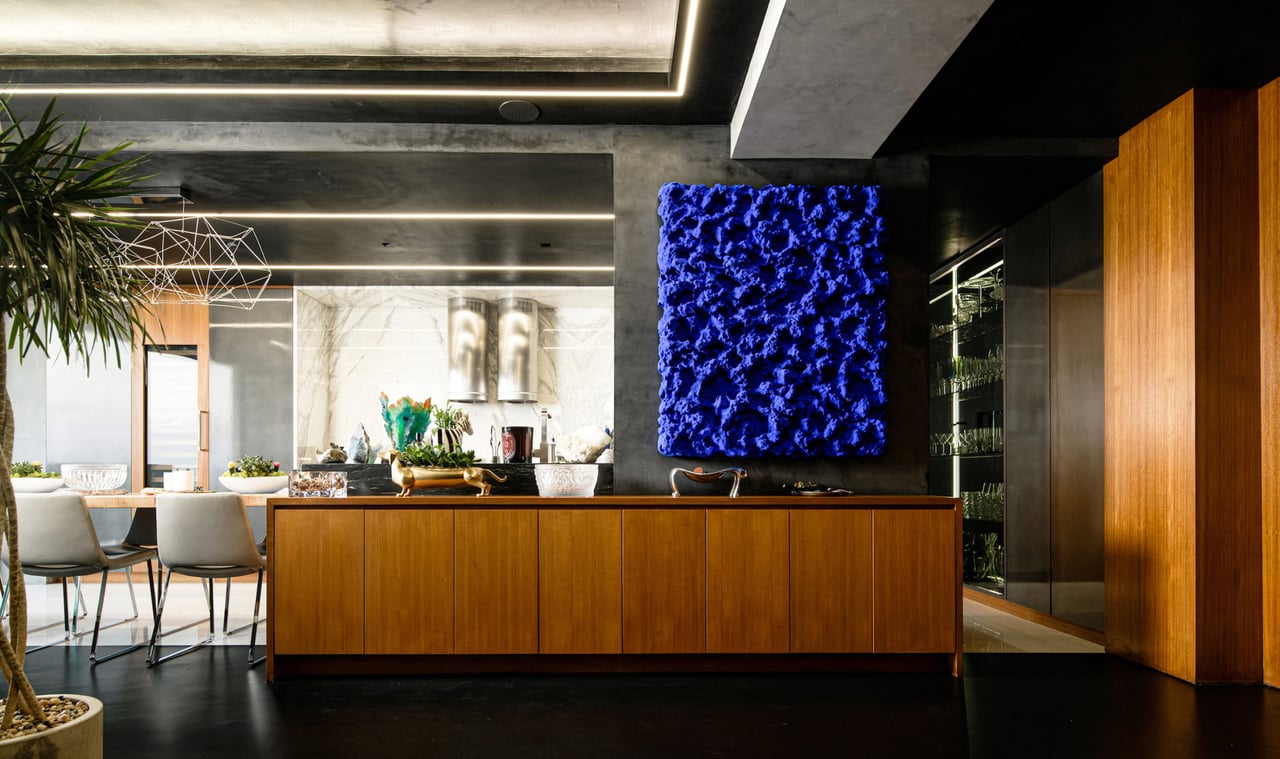
Trousdale architecture often uses warm period materials such as walnut, stone, and travertine in a restrained way. These materials are not usually meant to overwhelm the design. They support it.
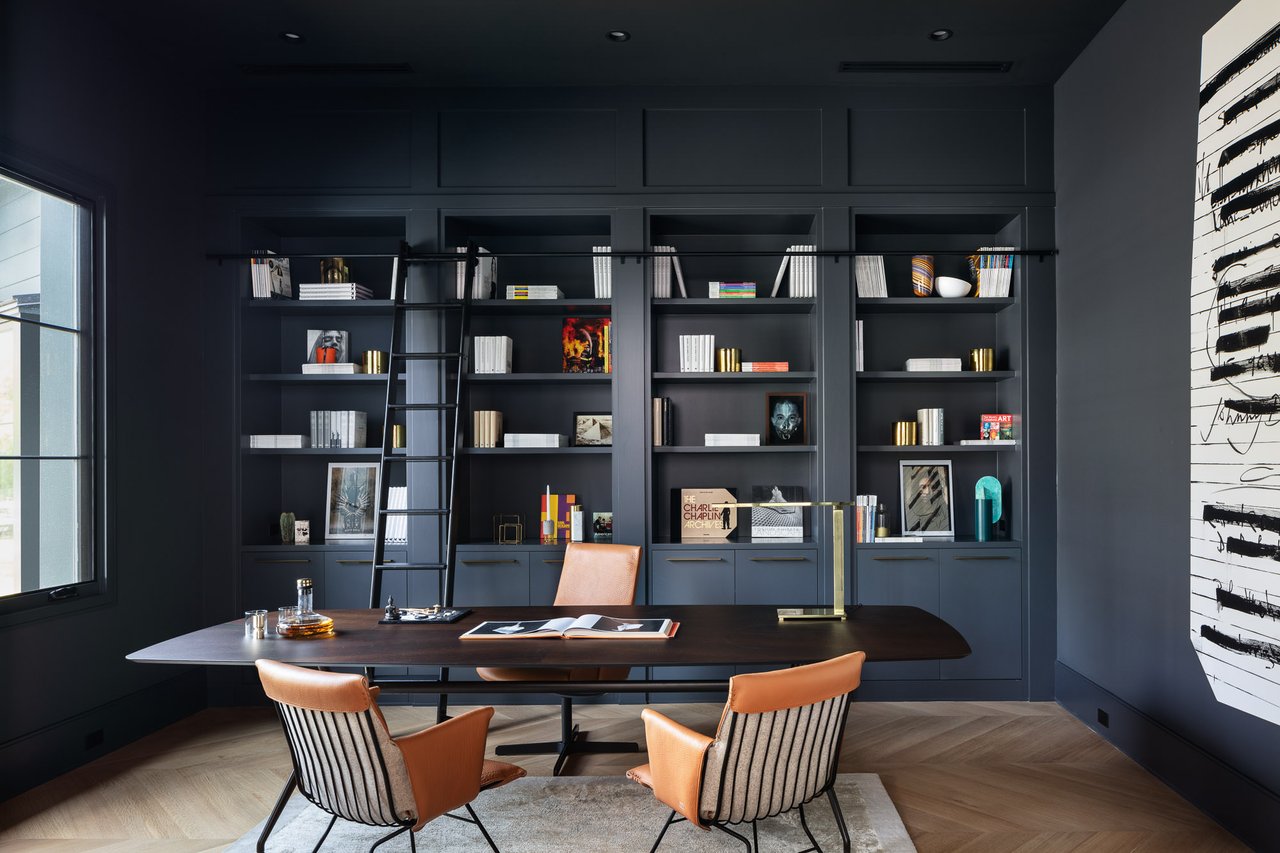
When you walk through a house, ask whether the material palette still reinforces the original identity. Preserved stonework, warm wood, and carefully handled surfaces can help a renovation feel aligned with the home's era without making it feel frozen in time.
Why Authenticity Supports Appeal
In Trousdale Estates, value and long-term appeal are often tied to more than size or newness. The research points to four recurring factors: architectural pedigree, view quality, preserved originality, and whether the lot can still support a low-slung home within the code envelope.
That framework makes sense in a neighborhood where architecture is part of the asset itself. A home that still reads clearly as a Trousdale home often carries a stronger sense of place.
Architectural Pedigree Counts
Beverly Hills' landmark criteria emphasize age, artistic value, integrity, continued community value, and exceptional work by a Master Architect. The city also maintains an official master-architect list to help identify historically significant work.
For you, that means authorship and design lineage may matter in a very real way. A house associated with a recognized architect, especially one that retains its integrity, can hold a distinct position within the neighborhood.
Originality Often Matters More Than Flash
Recent restoration coverage of Trousdale properties keeps emphasizing preserved massing, glass walls, stonework, walnut, and contemporary updates that do not erase the original design. While that is not a formal valuation rule, it does suggest a clear market preference.
In plain terms, buyers drawn to Trousdale often respond to authenticity and restraint. A house does not have to remain untouched, but the best renovations usually preserve what made the architecture meaningful in the first place.
Renovation and Preservation Priorities
If you are considering a remodeled home, a future renovation, or a redevelopment opportunity, local rules matter. Beverly Hills applies Trousdale-specific standards through Article 26, covering floor area, height, setbacks, parking, walls, fences, hedges, accessory structures, and construction on level pads.
The current standards include 15-foot front and street-side setbacks, 10-foot rear setbacks, and 5-foot side setbacks, with limited exceptions in certain cases. The code also bars regrading to increase a level pad's elevation, which reinforces the original planning logic of the neighborhood.
View Preservation Is Part of the Context
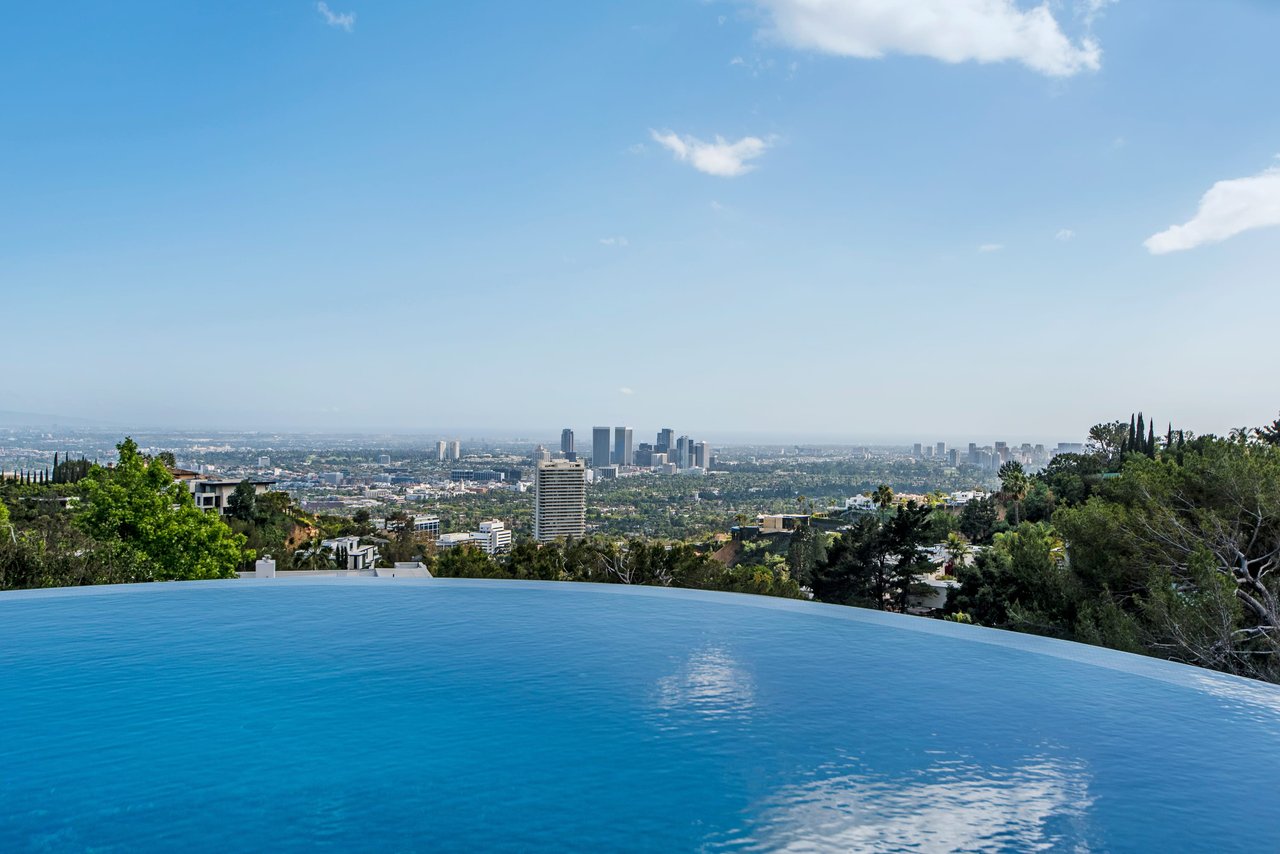
Views are a major part of Trousdale's design language. Beverly Hills' Trousdale View Restoration Ordinance addresses foliage that impairs protected views of the Los Angeles basin, city lights, and the ocean.
The process starts with neighbor outreach, then mediation, and only moves to a Planning Commission hearing if needed. The city's guidelines also recommend plantings that top out around 14 to 15 feet so they do not disrupt views.
Historic Review Can Shape Options
For historic-property work, Beverly Hills relies on the Secretary of the Interior's Standards as the main preservation framework. If a property is designated as a landmark, exterior work may require a Certificate of Appropriateness.
The city also notes that a Historic Incentive Permit can modify or waive certain standards, including height, stories, parking, floor area, setbacks, accessory dwelling units, fence heights, and slope regulations. That can be highly relevant when a property has recognized historic significance.
What Good Updates Usually Do
The most successful Trousdale renovations usually keep the house legible as a midcentury object. Preservation guidance identifies character through the overall shape, materials, interior spaces and features, and the relationship between the site and its environment.
That is why many thoughtful restorations preserve rooflines, glass walls, view corridors, wood finishes, and stone surfaces while upgrading systems and interiors in a quieter, visually subordinate way. The goal is not to make the house look brand new. The goal is to keep its architectural identity intact while making it work beautifully today.
A Simple Buyer Checklist
If you are evaluating a home in Trousdale Estates, keep this short checklist in mind:
- Does the house still read as a low, horizontal composition?
- Do the main living spaces open toward the view side?
- Do the yard, terrace, courtyard, or atrium feel integrated with the interior?
- Have additions or remodels respected the 14-foot envelope and level-pad logic?
- Do the materials still support the home's original midcentury identity?
- Does the house preserve a clear relationship between structure, landscape, and view?
In a neighborhood like Trousdale, these questions can tell you more than a list of amenities ever will.
If you are considering a purchase or sale in Trousdale Estates, working with a team that understands architecture, land value, and the nuances of Beverly Hills can make a meaningful difference. The Fridman Group brings a deeply local, design-literate approach to architecturally significant homes across the top tiers of the market.
FAQs
What defines midcentury architecture in Trousdale Estates?
Midcentury architecture in Trousdale Estates is typically defined by one-story or low-slung horizontal massing, large expanses of glass, open sight lines, indoor-outdoor flow, and restrained use of materials like walnut, stone, and travertine.
Why are low rooflines important in Trousdale Estates?
Low rooflines are important because they preserve the neighborhood's signature horizontal profile, support view-oriented design, and align with Trousdale's 14-foot height limit under Beverly Hills regulations.
How can you tell if a Trousdale Estates home has been renovated well?
A well-renovated Trousdale home usually keeps the original massing, glass walls, material character, and relationship between the house, the pad, and the landscape while updating systems and interiors in a restrained way.
Do views affect the appeal of a Trousdale Estates home?
Yes. The research indicates that view quality is one of the key factors tied to a home's appeal in Trousdale, especially when living spaces are oriented toward basin, city-light, or ocean views.
What local rules matter when buying in Trousdale Estates?
Beverly Hills regulates Trousdale as a separate single-family area with standards for height, floor area, setbacks, parking, walls, fences, hedges, accessory structures, and construction on level pads, along with a view-restoration process that can affect landscape decisions.