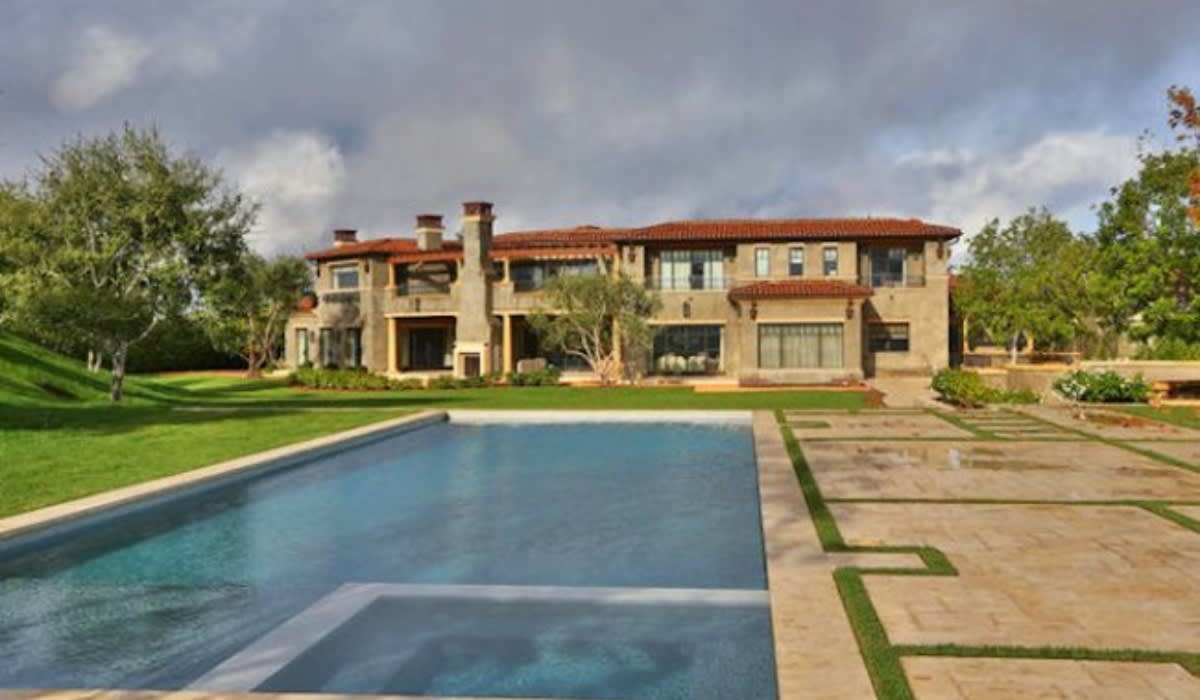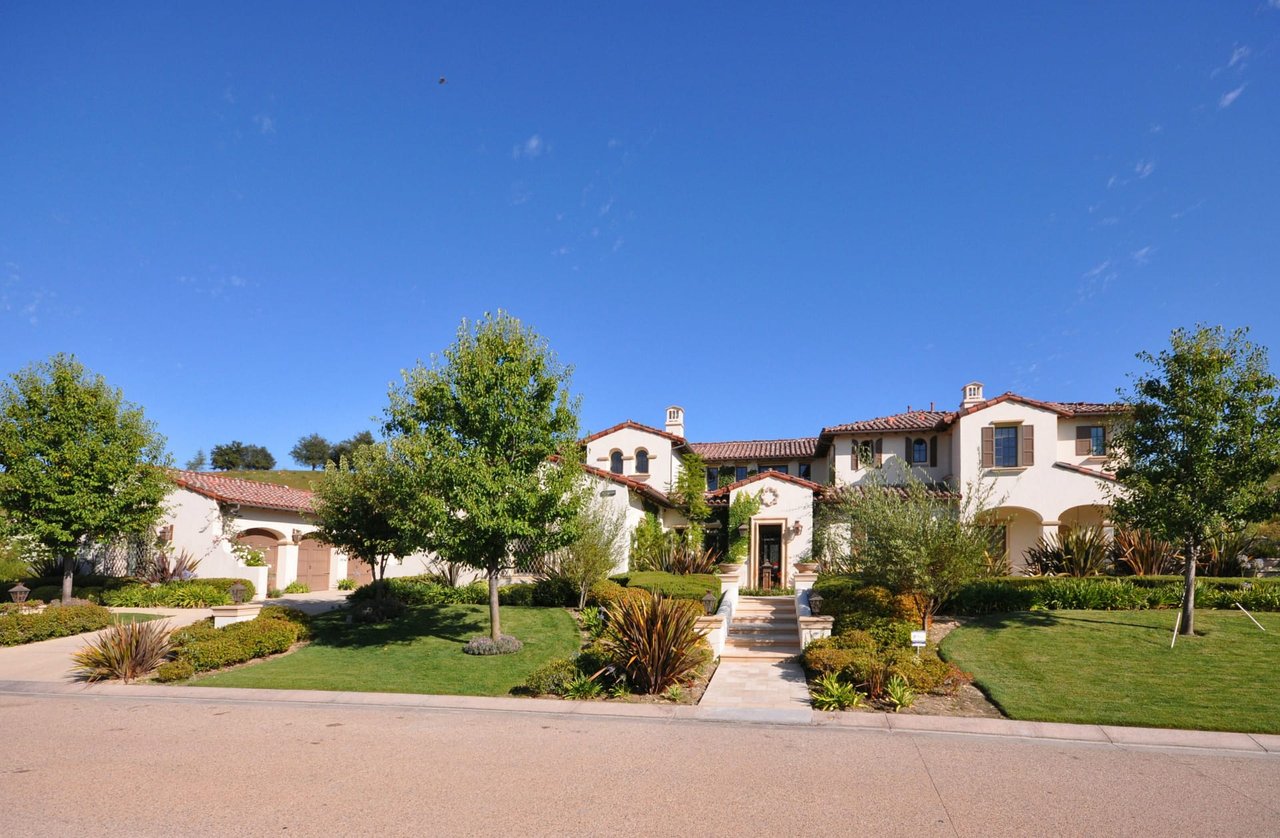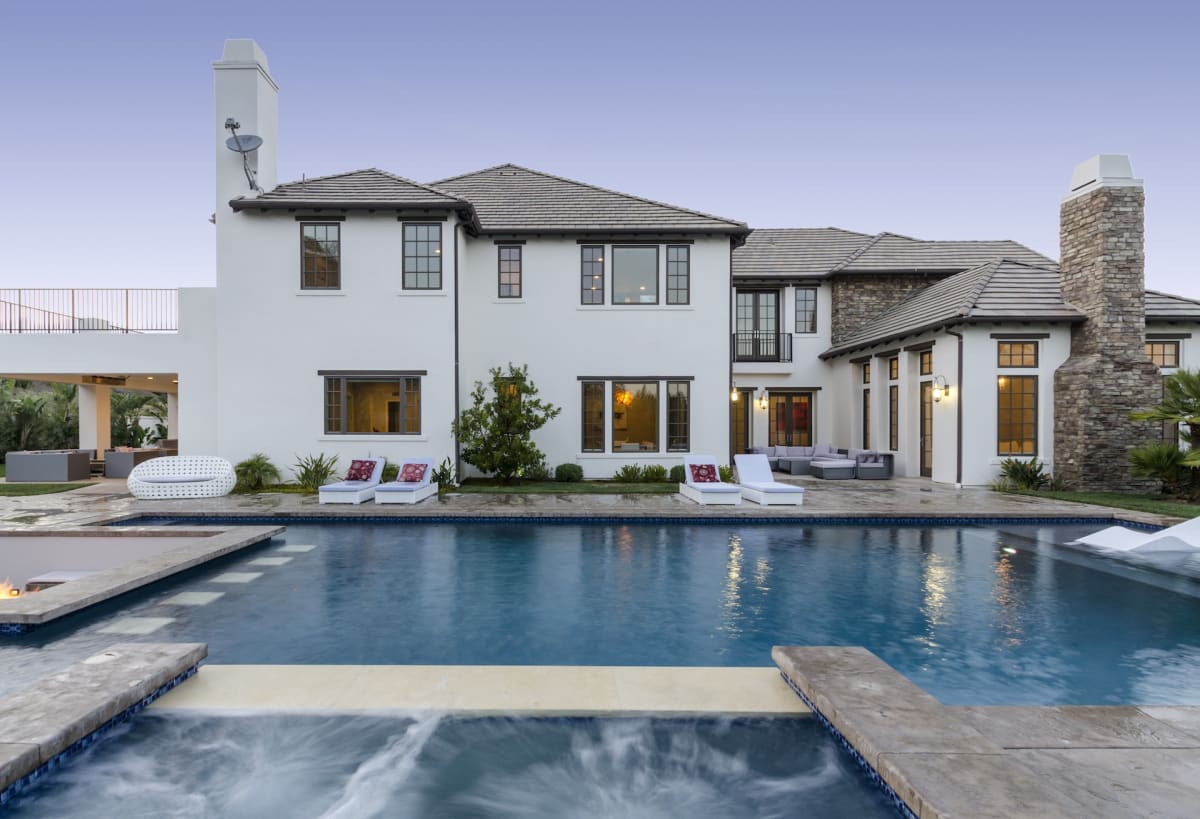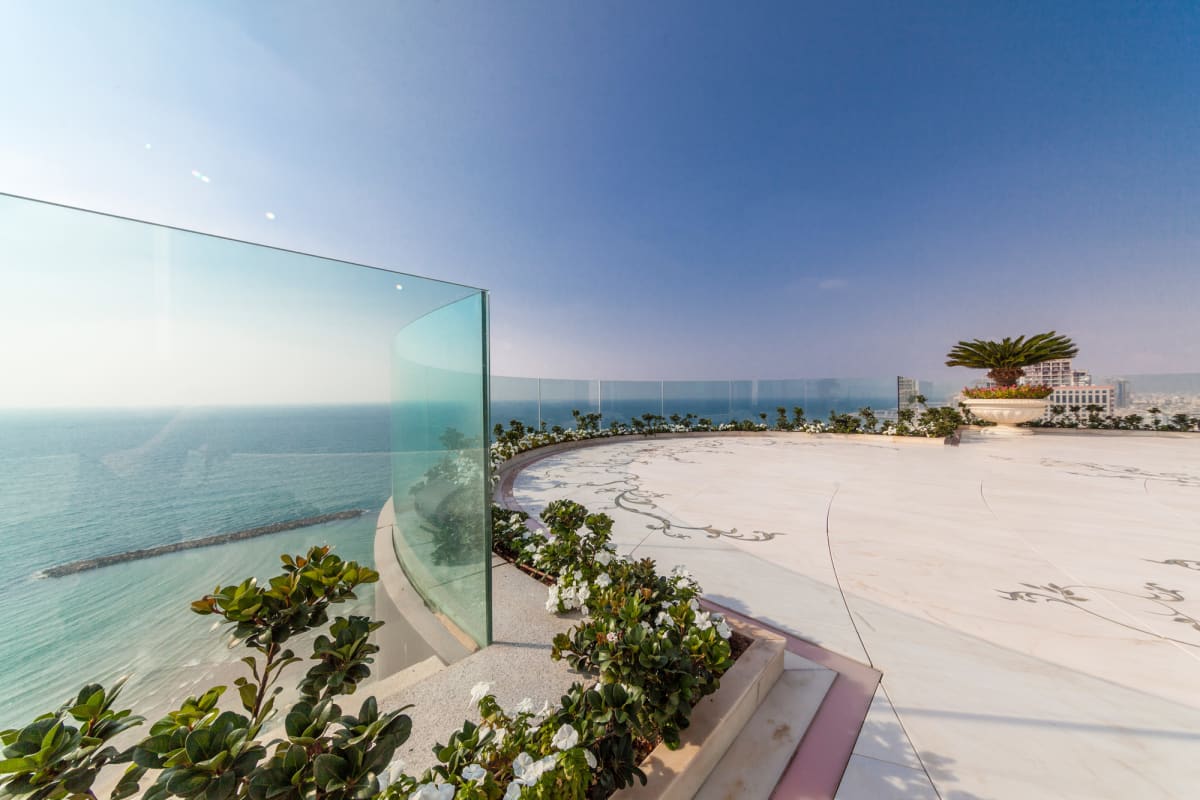
Selling a luxury home in Malibu is rarely about putting a price on square footage and waiting for the market to respond. In a coastline defined by bluffs, canyons, beach parcels, and hillside estates, your home competes on nuance, not just prestige. If you want to attract serious buyers and protect value, you need a strategy that matches Malibu's terrain, regulations, and slower luxury market pace. Let's dive in.
Malibu Requires a Different Selling Playbook
Malibu stretches roughly 25 miles along the coast and reaches inland into the Santa Monica Mountains. City planning materials describe a landscape of sandy beaches, bluff-backed coves, wave-cut terraces, and deep canyon terrain. That matters because buyers do not view Malibu as one single market.
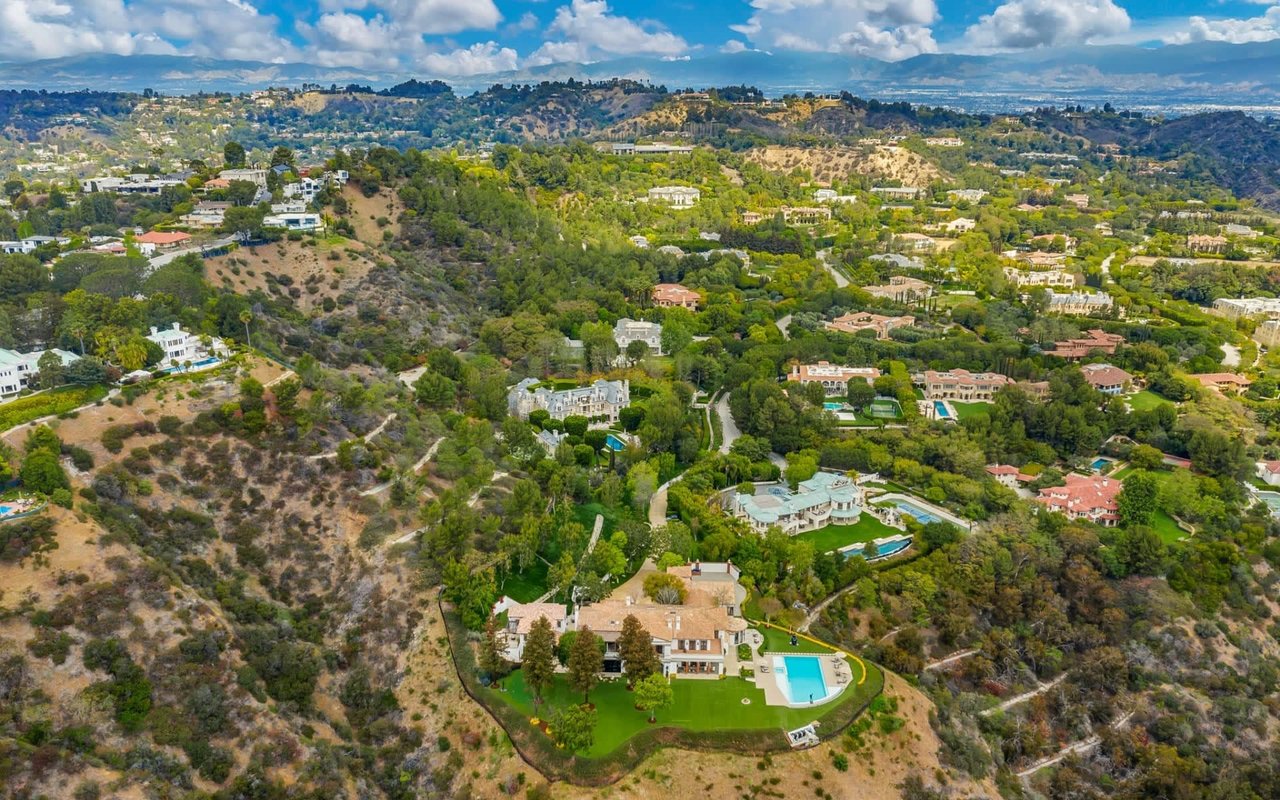
Instead, they evaluate homes through a micro-market lens. An oceanfront property, a bluff-top estate, a canyon retreat, and a hillside compound may all be called luxury, but they are not valued the same way or marketed the same way. Your selling strategy should reflect the specific site, setting, and lifestyle your property actually offers.
Price for Today's Malibu Market
Luxury sellers in Malibu need to enter the market with precision. Recent data points suggest a more measured environment, with longer selling timelines and more room for negotiation than many owners expect.
Zillow reported Malibu's typical home value at $3,129,197 as of February 28, 2026, along with 229 active listings and 37 new listings as of April 30, 2026. Redfin reported a median sale price of $4,022,923 for the three months ending April 2026, an average of 103 days on market, a 92.4% sale-to-list ratio, and price drops on 20.8% of homes. These figures come from different methods, but together they point to the same message: overpricing can cost you time and leverage.
Why pricing discipline matters
In Malibu's upper tier, buyers are often highly informed and willing to wait. If your home launches above where the market sees value, it can sit, invite reductions, and lose momentum.
A strong pricing strategy should account for your exact micro-location, view orientation, architecture, lot utility, privacy, and compliance profile. In this market, polished preparation and accurate positioning usually outperform aspirational pricing.
Lead With Malibu-Specific Value
The best luxury marketing in Malibu does not start with a list of amenities. It starts with what is difficult to replicate.
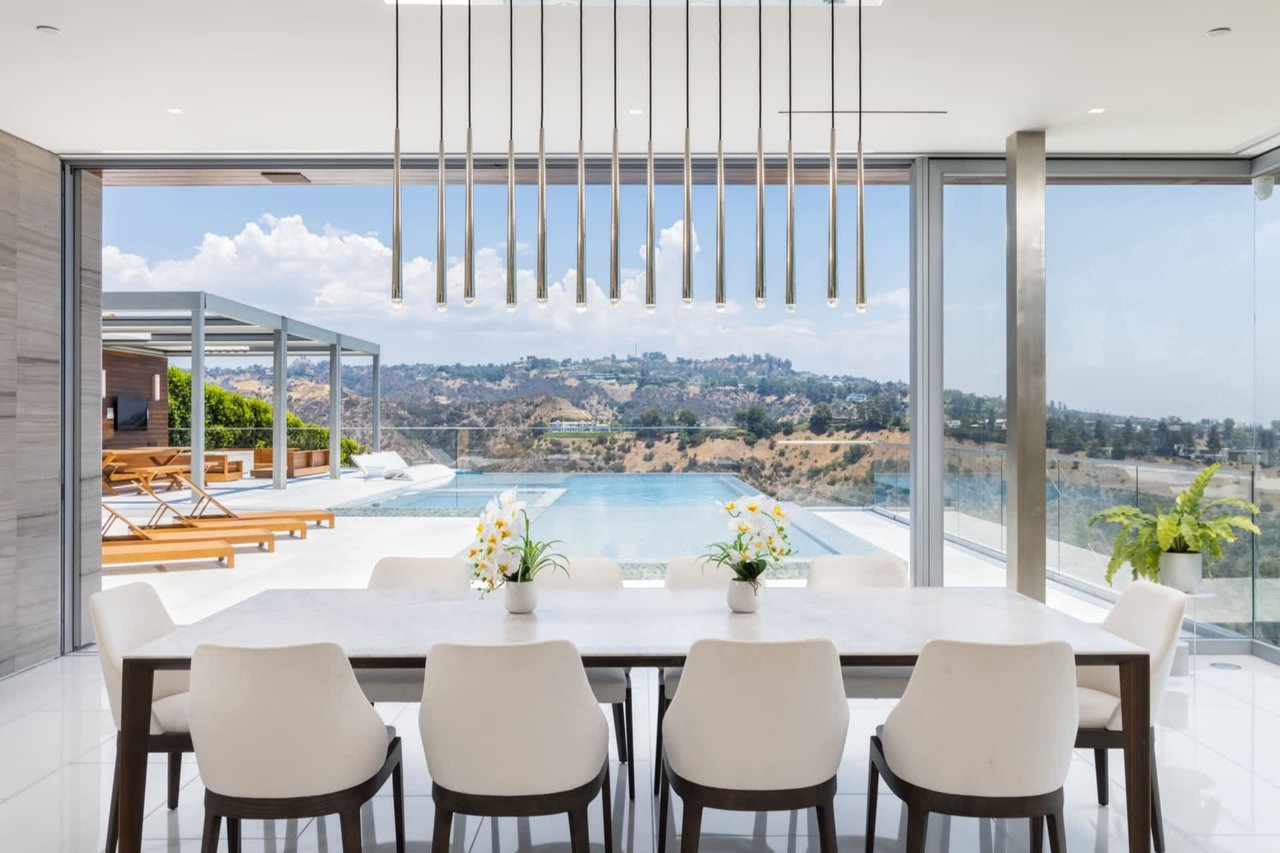
Malibu formally defines primary view to include the Pacific Ocean, offshore islands, the Santa Monica Mountains, canyons, valleys, and ravines. That means your property's value story may rest on much more than a direct ocean frontage claim. The relationship between the home, the land, and the view corridor can be just as important.
Match the story to the setting
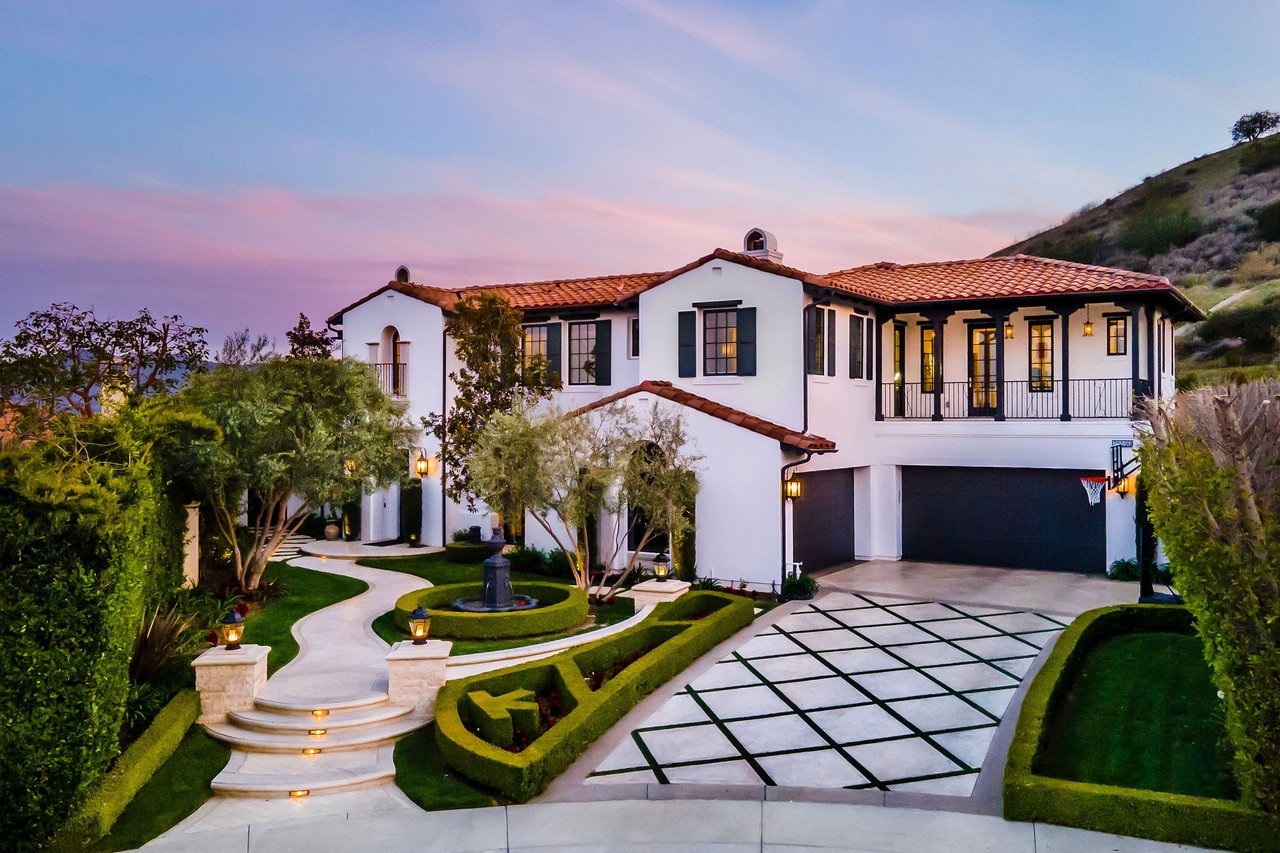
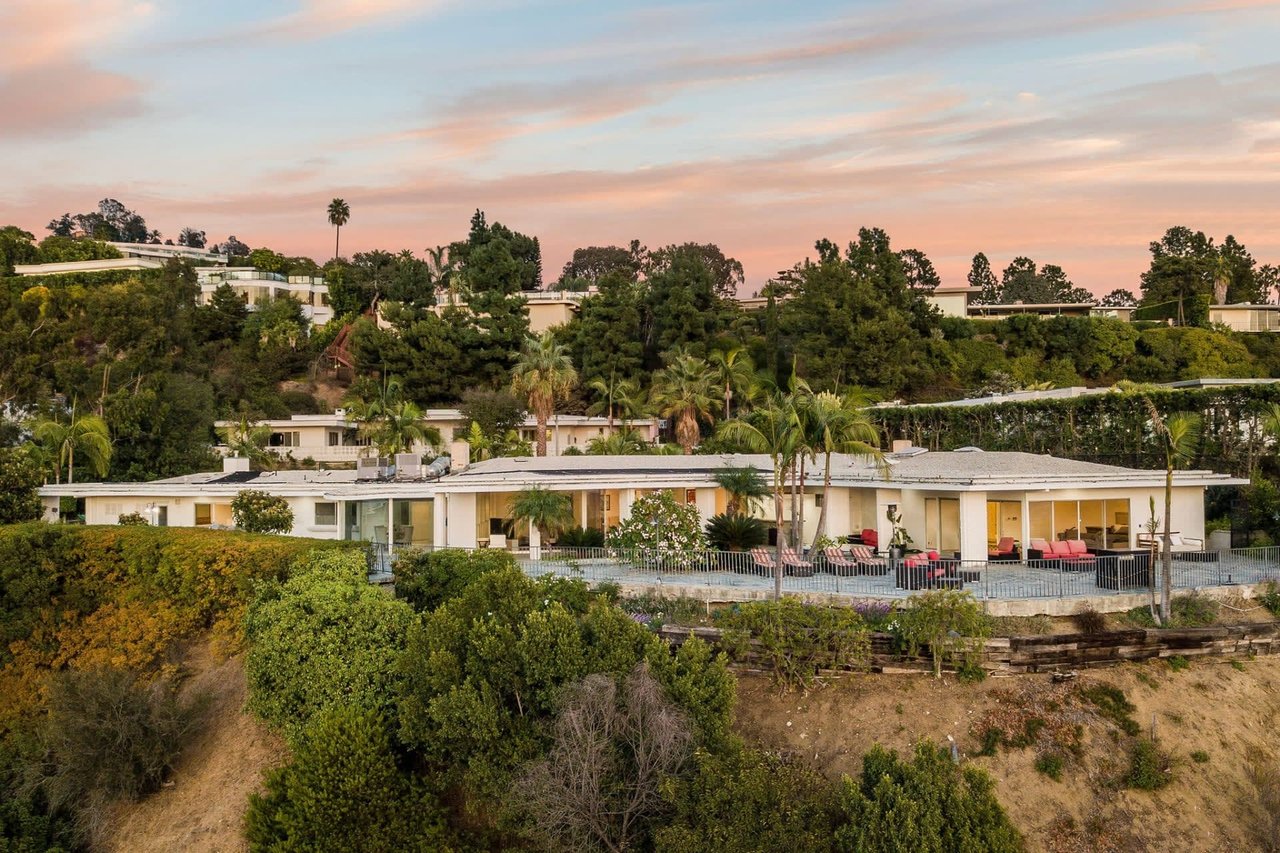
For beach and bluff properties, buyers often focus on frontage, outlook, access, and the condition of exterior improvements exposed to coastal elements. For canyon and hillside homes, the priorities may shift toward privacy, acreage, approach, usable outdoor space, and how the architecture responds to the site.
This is where thoughtful positioning matters. A bluff-top residence should not be marketed like a canyon compound, and a secluded inland estate should not be reduced to a generic Malibu label when its real appeal is privacy, scale, and land.
Architecture should support the narrative
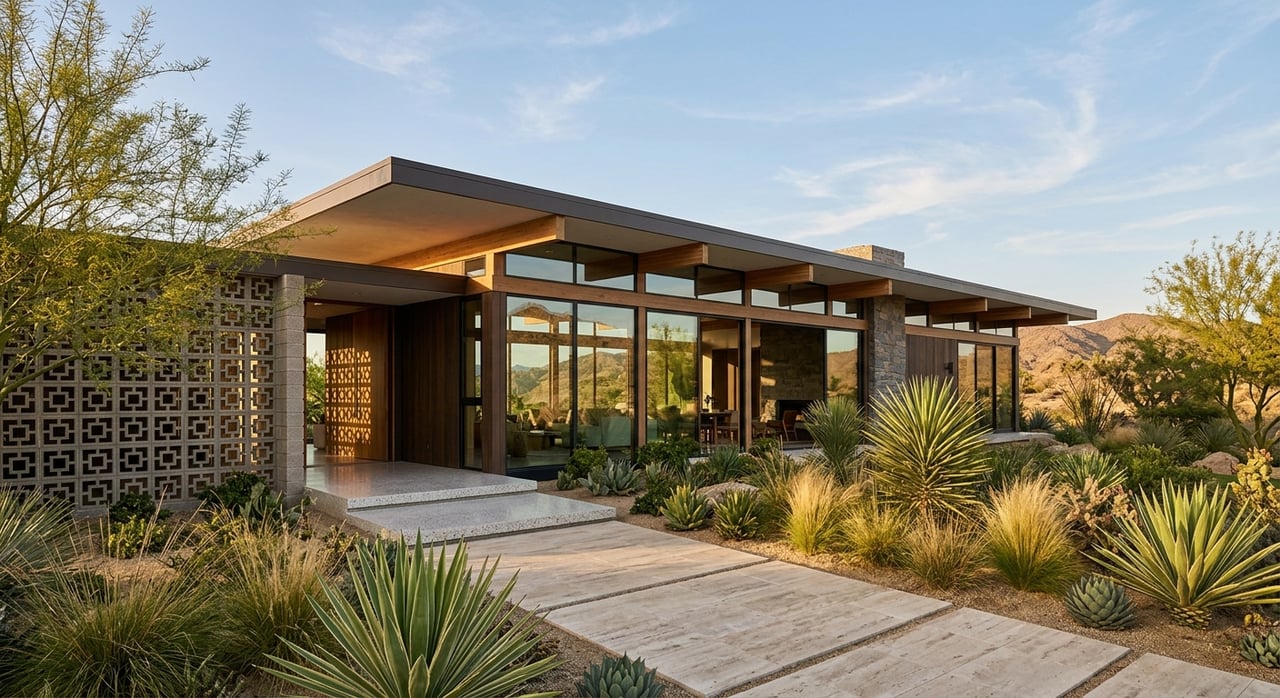
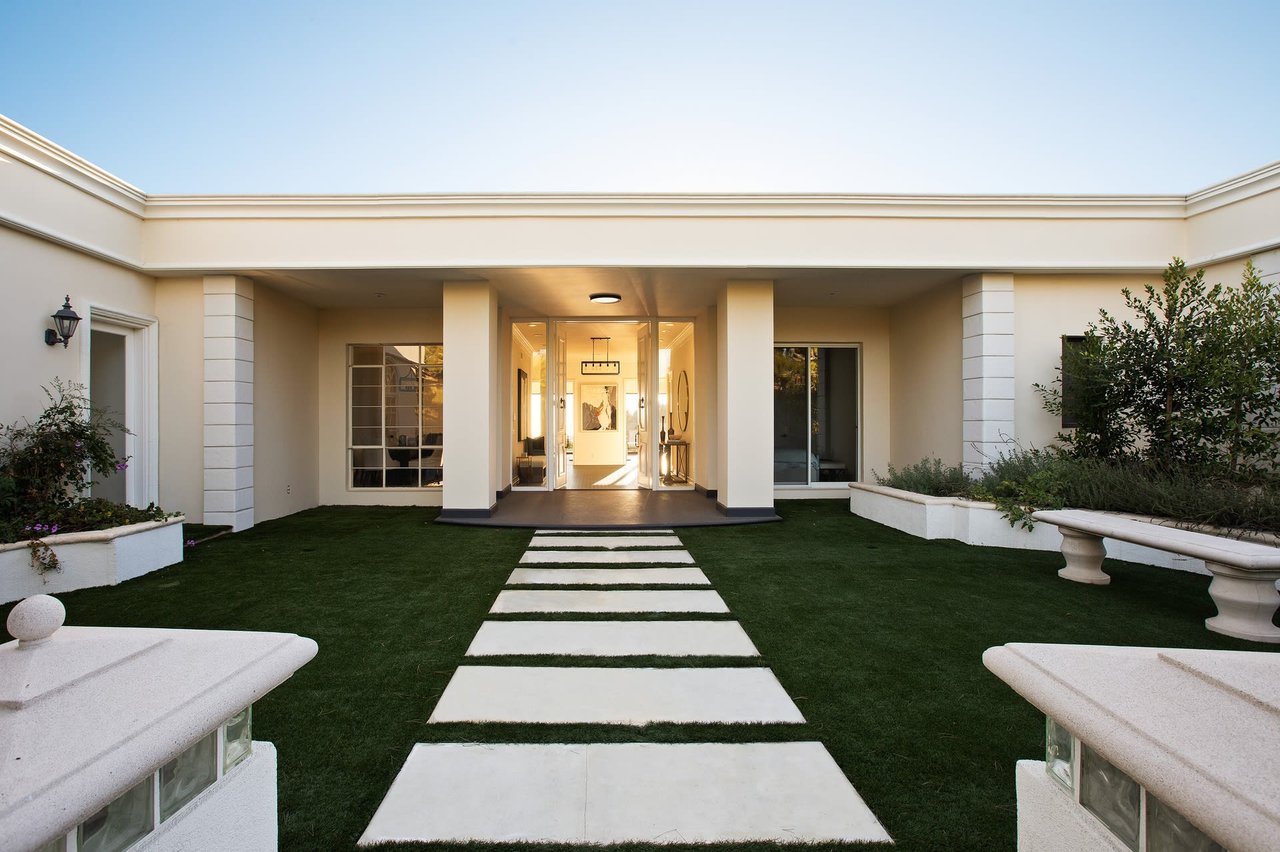
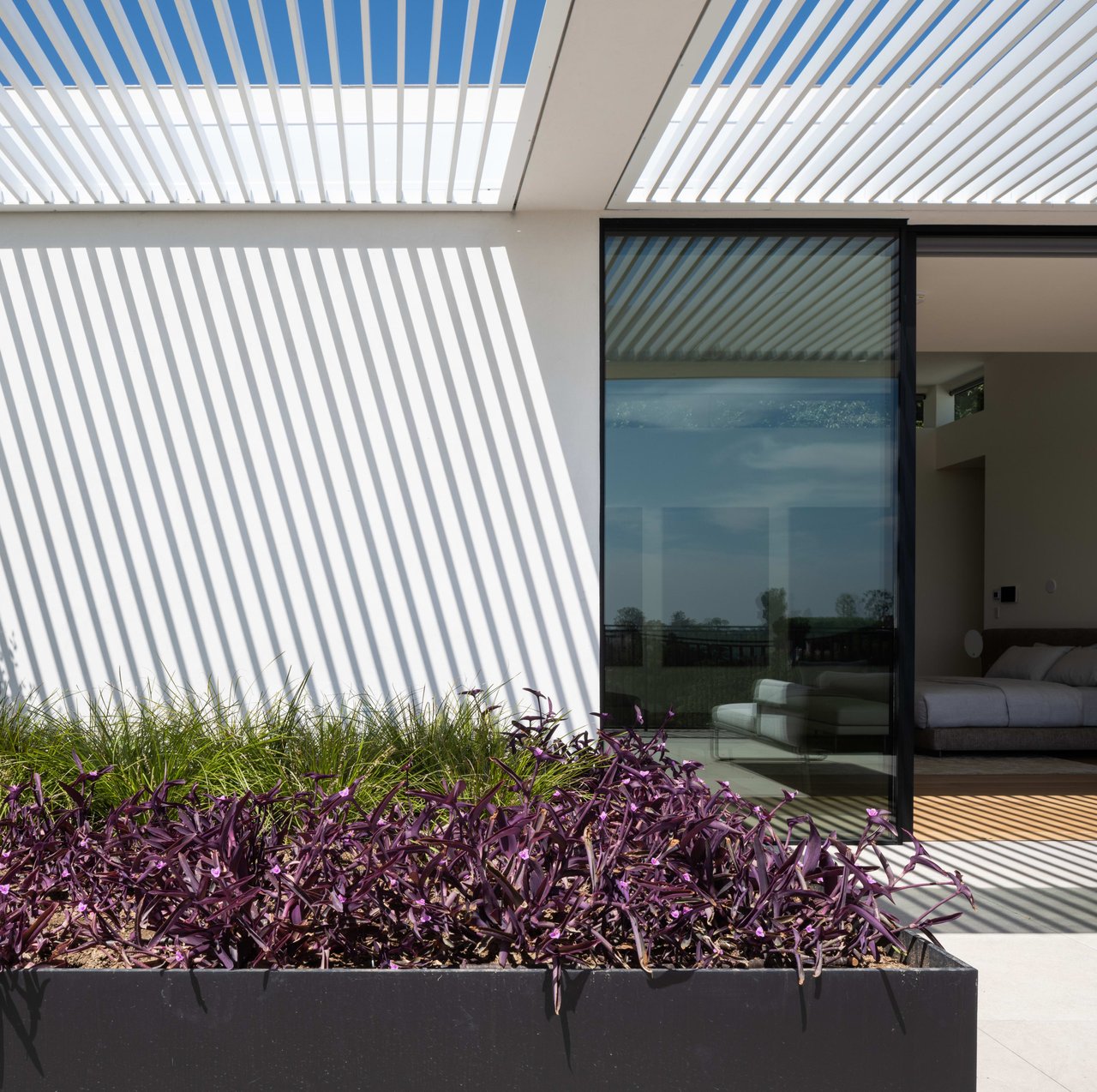
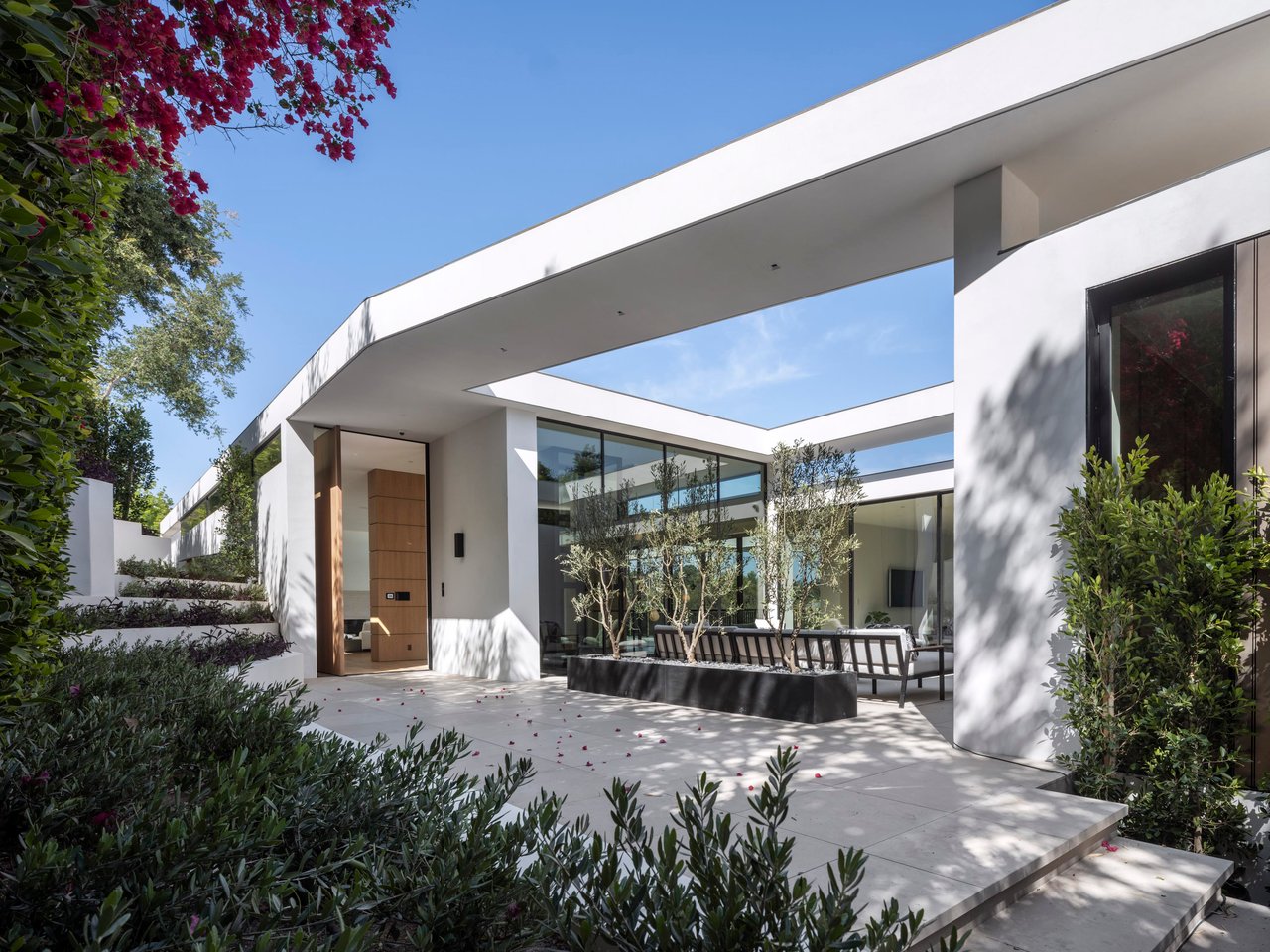
In Malibu, architecture often carries real value weight. City materials emphasize visual compatibility, protection of views, and minimizing alteration of natural landforms, which makes the design relationship between structure and setting especially relevant.
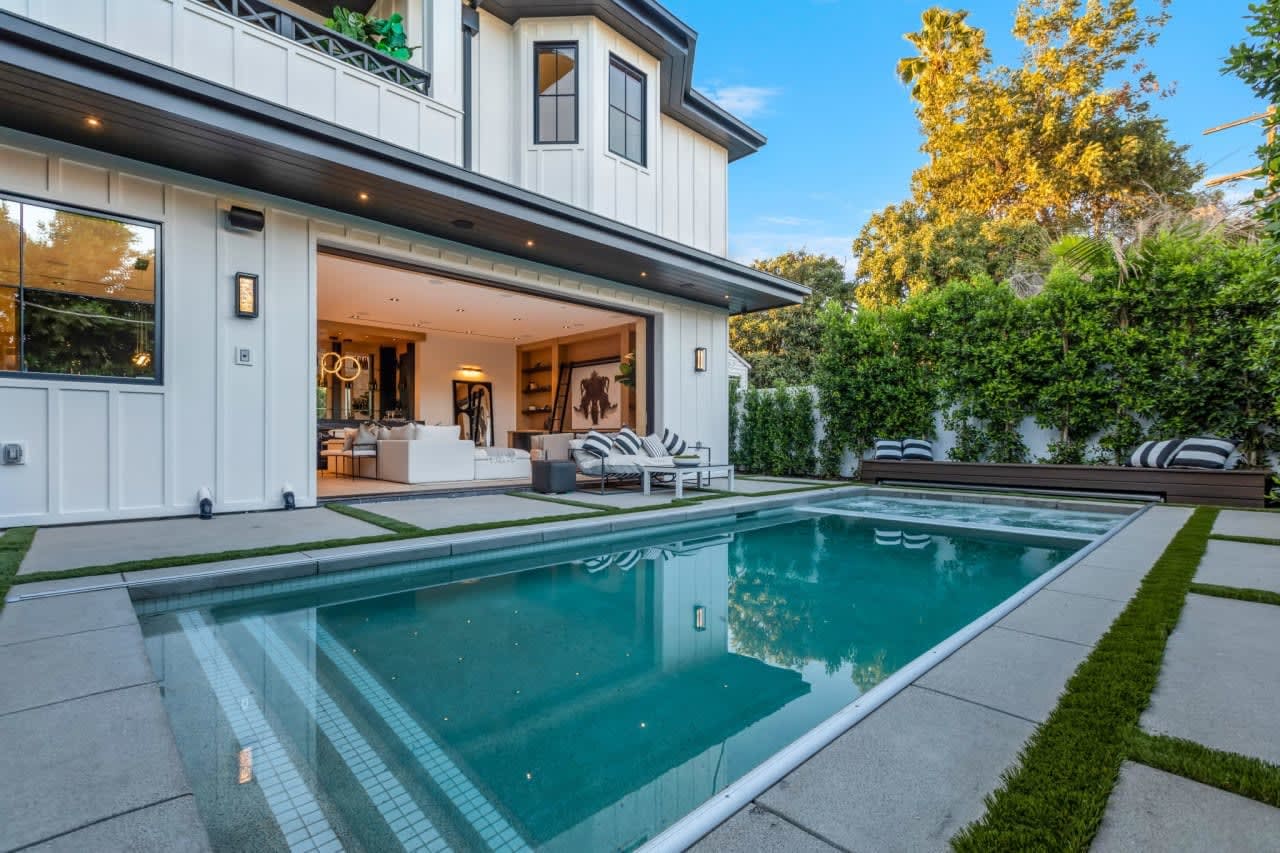
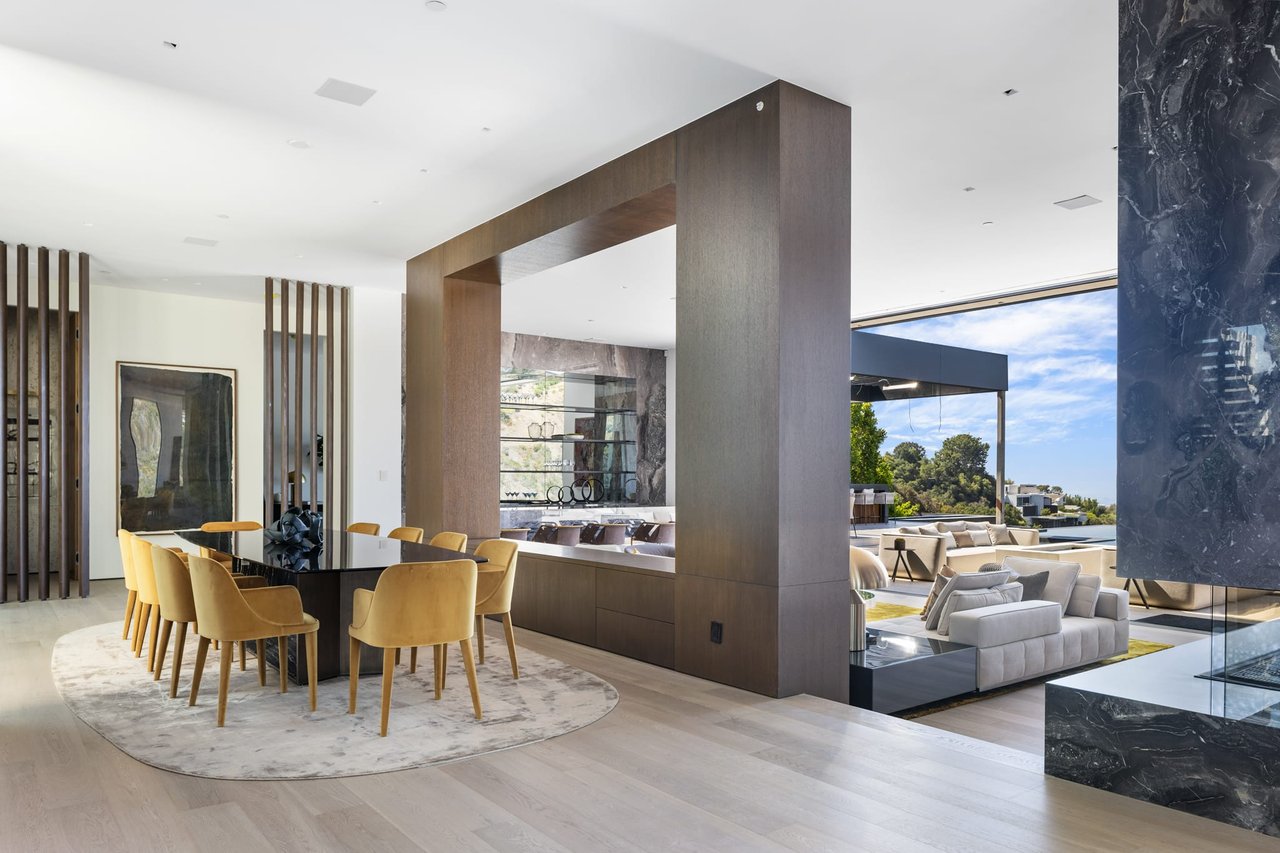
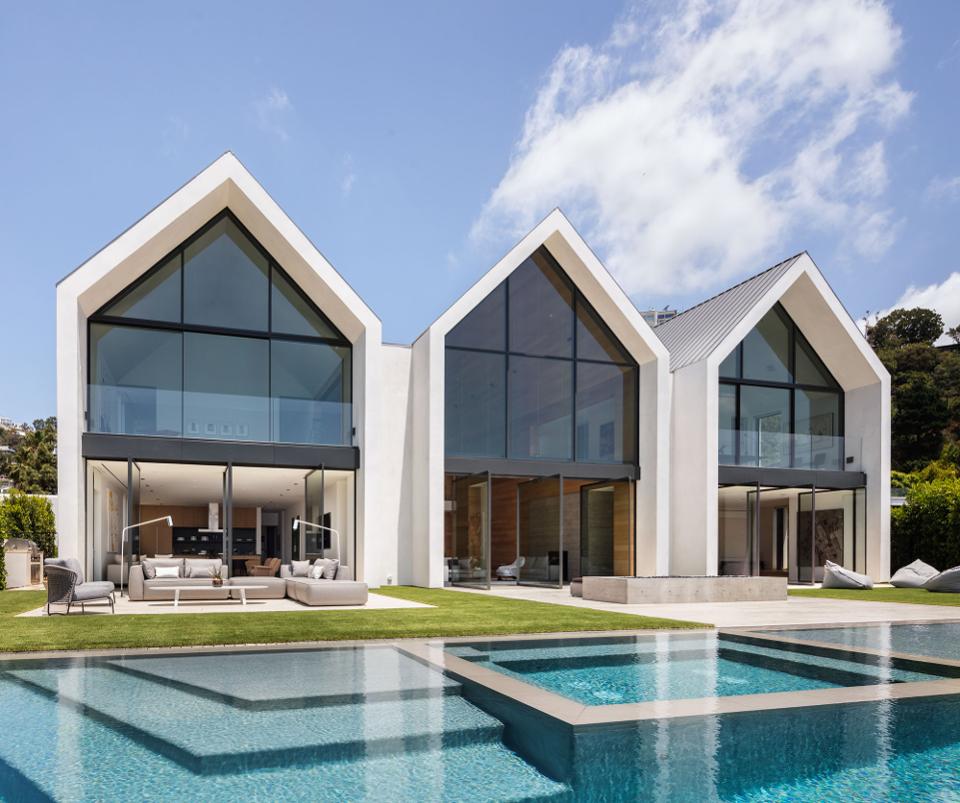
If your home has strong indoor-outdoor flow, a carefully framed view corridor, or a site-sensitive design, those details should be central to the presentation. Sophisticated buyers often respond to how a home lives on the land, not just how large it is.
Prepare the Home Before It Hits the Market
First impressions matter even more in the luxury segment because buyers expect a finished product. Once a Malibu property goes live, the market quickly forms an opinion.
A smart pre-market plan usually includes decluttering, selective repairs, landscaping, and curated staging. According to NAR's 2025 staging survey, 83% of buyers' agents said staging makes it easier for buyers to visualize a property, and 17% said it produced a 1% to 5% increase in the dollar value offered.
Focus on restraint, not overstyling
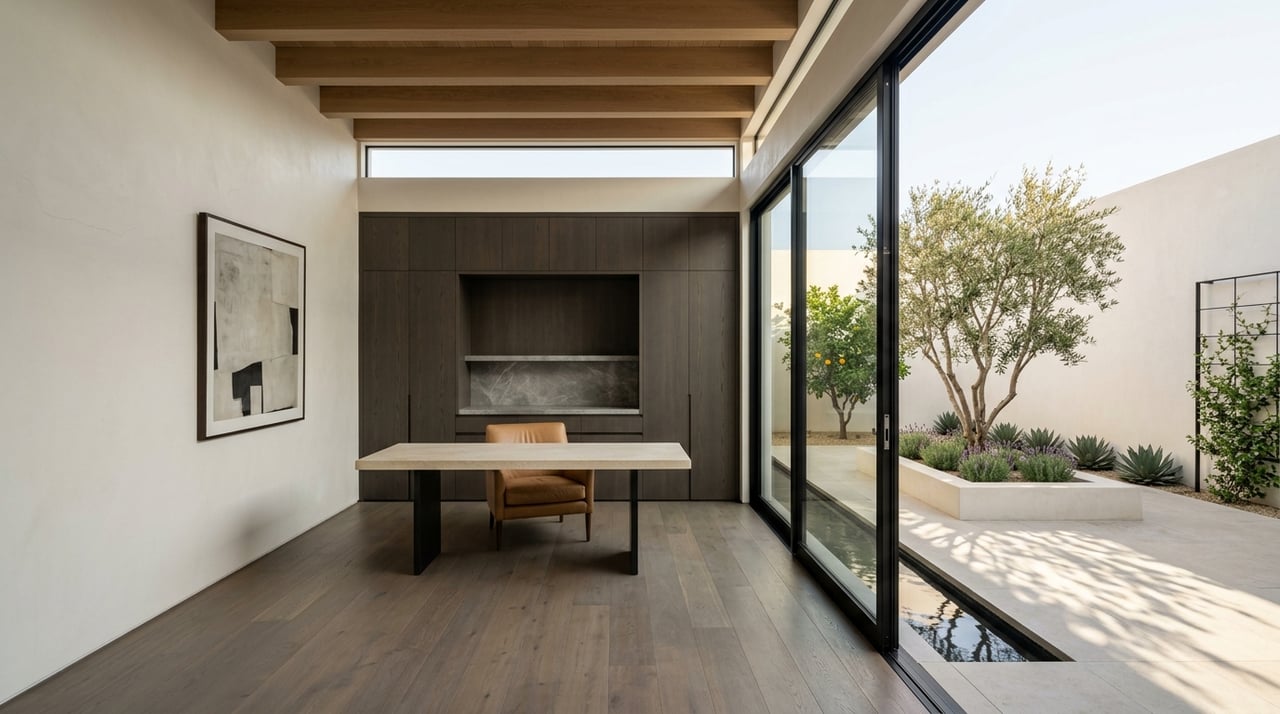
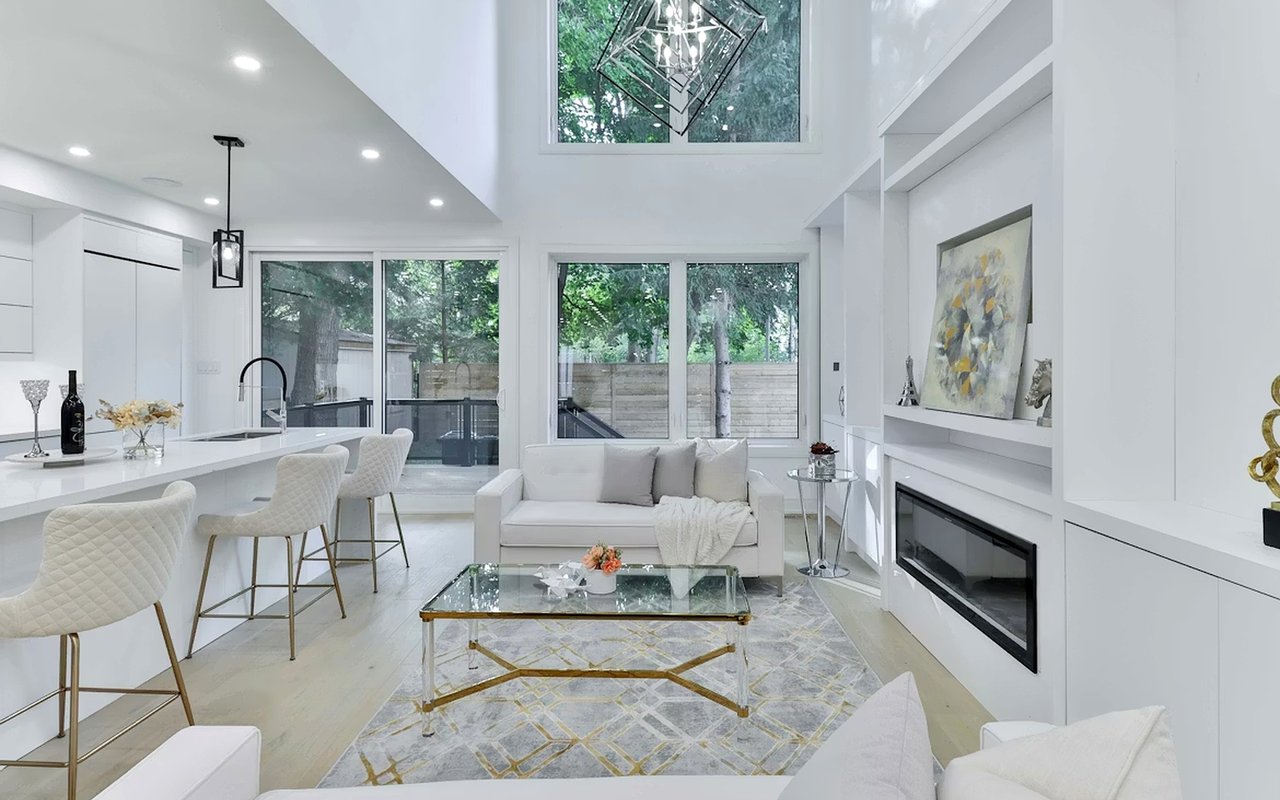
Luxury staging works best when it sharpens the architecture instead of competing with it. In Malibu, that often means cleaner sightlines, lighter furnishing plans, and outdoor areas that feel ready to use.
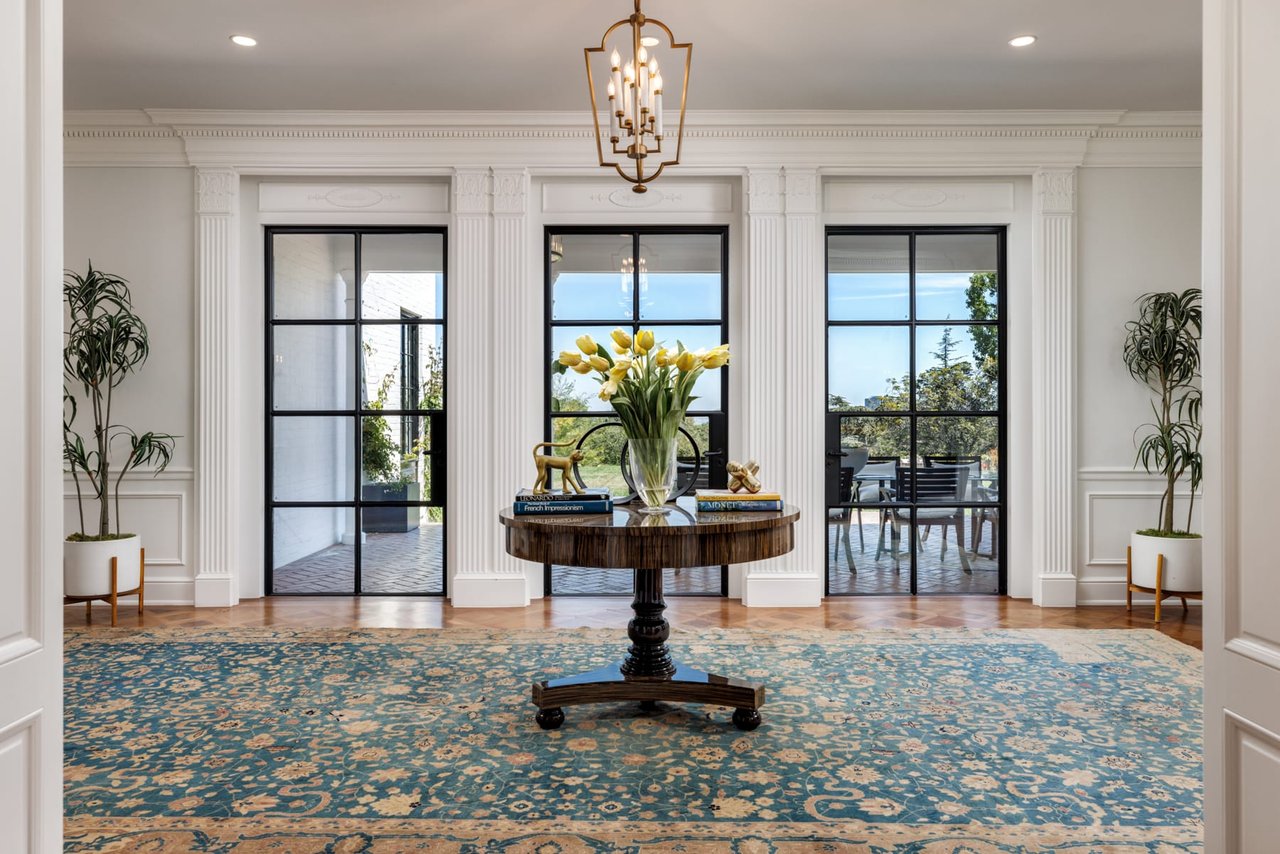
The goal is to help buyers understand the scale, flow, and setting right away. A well-prepared home photographs better, tours better, and feels more credible at a premium price point.
Resolve Permits and Disclosures Early
In Malibu, pre-list preparation is not only cosmetic. It is also regulatory.
Because the entire city is within the California coastal zone, development within the zone generally cannot begin until a coastal development permit is issued, and the Coastal Act broadly treats changes in use as development. Before listing, sellers should verify permits and documentation for additions, decks, pools, retaining walls, seawalls, drainage work, and similar improvements.
Coastal permits can affect buyer confidence
Luxury buyers often investigate property history closely, especially when a home has had substantial exterior work or site improvements. Unclear permit status can slow a transaction, reshape negotiations, or raise concerns about future use.
A cleaner file helps support value. It also reduces the risk of surprises during escrow.
Fire disclosure and defensible space matter
California Civil Code section 1102 applies to most single-family residential transfers, and a waiver of those disclosure requirements is void. In addition, sellers in high or very high fire hazard severity zones must provide required fire-hazard notices, and for homes built before January 1, 2010, the notice must address fire-hardening and related features.
Malibu also states that all properties sold within city limits are subject to AB 38 defensible-space inspection requirements. If documentation is not available by close of escrow, buyer and seller may agree in writing for the buyer to complete the documentation within one year, but this is better handled before launch whenever possible.
Septic and rental-use records can be important
If your property uses an onsite wastewater treatment system, Malibu says permits must be obtained when a property is sold, when an OWTS repair permit is issued, or when the property will obtain a short-term rental permit. That makes septic-related records particularly important in pre-list review.
If the home has been used or marketed as a short-term rental, Malibu requires a valid short-term rental permit, and owners must provide guests with the city's code of conduct and post it near the main entrance. If rental functionality is part of the property story, permit status should be confirmed before that point is marketed.
Be Precise With Beach Access Claims
Beach access is one of Malibu's most powerful value drivers, but it is also one of the easiest areas to misstate. Sellers should be careful here.
The California Coastal Commission's access program includes beach paths, stairways, bluff-top trails, and overlooks in Malibu, while city planning materials note that access to many beaches is constrained by development, private compounds, unopened accessways, and limited parking. If your property is tied to beach access, verify whether there is a recorded access easement, offer-to-dedicate condition, or another access restriction before presenting it as a feature.
Accuracy protects your sale
In luxury transactions, vague language can create avoidable problems. Clear, fact-based marketing protects credibility and helps qualified buyers understand exactly what they are purchasing.
This is especially important for oceanfront and near-beach listings, where access assumptions can differ widely from parcel to parcel.
Address Risk With Confidence and Clarity
Malibu buyers are often highly aware of site conditions. Trying to sidestep coastal or wildfire concerns usually does not build trust.
Malibu's Coastal Vulnerability Assessment highlights future exposure to sea-level rise, tidal inundation, storm flooding, and coastal erosion. City land-use materials also describe steep mountains, narrow coastal plain conditions, sheer bluffs, and deep canyons, all of which shape how buyers evaluate maintenance, access, and resilience.
Turn preparation into a strength
If your home has completed resilience work, maintenance upgrades, fire-hardening features, or meaningful site improvements, that information can support the sale when presented clearly. For oceanfront and bluff-top properties in particular, buyers often want a realistic view of condition and stewardship.
A premium listing presentation should feel polished, but it should also feel grounded. In this market, transparency can strengthen buyer confidence.
Use a Digital-First Launch
Luxury buyers often decide whether to visit a Malibu property only after they understand it remotely. Your launch should reflect that behavior.
NAR's 2024 buyer survey found that 43% of buyers first looked on the internet, 69% used mobile or tablet devices, 41% found photos very useful, 39% valued detailed property information, and 31% appreciated floor plans. Buyers also continued to use virtual tours and virtual listings, and two of the seven homes they typically viewed were seen online only.
What your marketing package should do
For a Malibu luxury home, the digital presentation should help a buyer quickly understand:
- The home's setting and micro-location
- The quality of the views
- The relationship between architecture and site
- The layout and flow of the residence
- The utility of outdoor living spaces
- Any important documentation or property context
This is where editorial-grade photography, strong floor plans, and detailed property information matter. Open houses can still support the process, but they are not the primary engine of demand for many luxury listings.
Build Momentum From Day One
In a market where homes can take more than three months to sell on average, your first launch window is valuable. If the property reaches the market half-prepared, it may be difficult to regain full momentum later.
That is why luxury sellers benefit from doing the work up front. Pricing, permits, disclosure readiness, staging, and digital presentation should align before the first public exposure.
Why the first impression carries weight
Redfin's April 2026 data showed a 92.4% sale-to-list ratio and price drops on 20.8% of Malibu homes. That suggests buyers are finding leverage when listings miss the mark.
A polished launch gives you a better chance to attract serious attention early, limit unnecessary negotiation pressure, and support your value case from the beginning.
Why Representation Matters in Malibu
Selling a luxury home in Malibu takes more than market exposure. It requires disciplined pricing, discreet positioning, careful review of property records, and a marketing strategy that speaks to both local and remote high-net-worth buyers.
For architecturally significant homes and marquee estates, the details matter. The story, the presentation, and the pre-market diligence all influence how buyers perceive value.
If you are considering selling in Malibu, working with an advisor who understands luxury positioning, buyer psychology, and the property-specific issues that can shape a transaction can make a meaningful difference. To plan your next move with discretion and precision, connect with The Fridman Group.
FAQs
What makes selling a luxury home in Malibu different from other Los Angeles markets?
Malibu operates as a collection of micro-markets shaped by beach, bluff, canyon, and hillside conditions, so pricing, marketing, and buyer priorities often vary by exact site.
How long does it take to sell a luxury home in Malibu?
Redfin reported that Malibu homes took 103 days on average to sell in the three months ending April 2026, though timing can vary based on price, preparation, and property type.
What should Malibu sellers verify before listing a coastal property?
Sellers should review permits and records for improvements such as decks, additions, pools, retaining walls, seawalls, and drainage work because Malibu is entirely within the coastal zone.
What disclosures are important when selling a home in Malibu?
Most single-family residential transfers are subject to California Civil Code section 1102 disclosures, and Malibu sellers may also need fire-hazard notices, fire-hardening information, and AB 38 defensible-space documentation.
Can you market beach access as a feature when selling a Malibu home?
You should verify whether the property has a recorded access easement, offer-to-dedicate condition, or another access restriction before marketing beach access as part of the listing.
How important is digital marketing for a Malibu luxury listing?
It is essential because many buyers first evaluate homes online through photos, property details, floor plans, and virtual tours before deciding whether to visit in person.